Key Takeaway:
- GLP-1 use surges: Eleven percent of U.S. adults now use GLP-1 drugs for weight loss, up from three percent in 2024, while 15 percent have used them overall.
- Awareness reaches record high: Awareness of GLP-1 weight loss medications has climbed to 91 percent, up from 80 percent in 2024.
- Obesity declines, diabetes steady: The U.S. adult obesity rate fell to 36.4 percent from its 2022 peak, while diabetes diagnoses remained unchanged at 13.5 percent.
Eleven percent of U.S. adults now take GLP-1 weight loss drugs, up from three percent in 2024, as awareness reaches 91 percent and the national adult obesity rate continues to decline, according to Gallup.
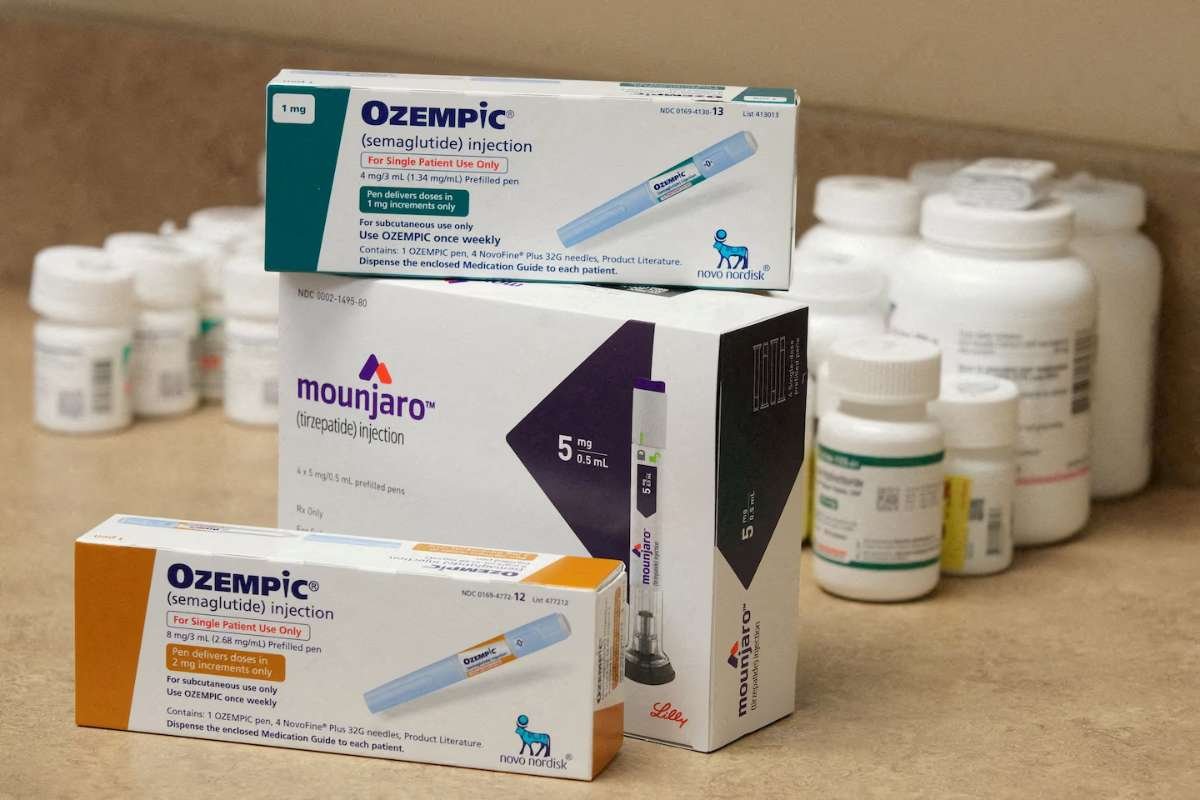
Gallup’s latest National Health and Well-being Index shows that the use of GLP-1 weight loss drugs has reached its highest recorded level in the United States. The survey found that 11 percent of U.S. adults currently take the drugs for weight management, compared with three percent in 2024.
The poll also found that 15 percent of Americans say they have used GLP-1 weight loss drugs at some point, an increase of nine percentage points from 2024. Awareness of the medications has risen sharply, with 91 percent of adults now familiar with the drugs, up from 80 percent two years earlier.
GLP-1 use climbs as awareness reaches nearly universal levels
Gallup said the growing use of GLP-1 weight loss drugs coincides with widespread public awareness of the treatments. The drugs have gained attention for helping people lose weight by regulating appetite and blood sugar, building on related research into oral GLP-1 drugs.
“The percentage of U.S. adults taking GLP-1 medications for weight loss has increased substantially since 2024,” Gallup reported in its latest findings. The organization said awareness of the medicines continues to expand as more Americans seek medical options to manage obesity.
Obesity rate declines while diabetes diagnoses hold steady
The survey found that the U.S. adult obesity rate has fallen to 36.4 percent in 2026 from a peak of 39.9 percent in 2022. Gallup described the decline as statistically meaningful.
The organization said the reduction in obesity “continues to inversely track with increased usage of GLP-1 medicine nationally.” While the poll identifies a relationship between the two trends, it does not establish that increased medication use directly caused the decline.
Meanwhile, the percentage of Americans diagnosed with diabetes remains unchanged. Gallup reported that 13.5 percent of adults have diabetes, a figure that has held steady since 2023.
Poll suggests growing link between medication use and weight trends
The findings reflect a broader shift in how Americans approach weight management, with prescription medications such as GLP-1 weight loss drugs becoming more common alongside traditional diet and exercise strategies.
Gallup said the continued rise in GLP-1 use and public awareness marks a significant change in the nation’s health landscape. Researchers will likely continue monitoring whether increased access to the medications contributes to future changes in obesity and other health outcomes.
The latest data are part of Gallup’s ongoing National Health and Well-being Index, which tracks health behaviors and conditions among U.S. adults, according to the full survey results published by Gallup.