Key Takeaway:
- The FDA plans to complete its mifepristone safety review by March 2027, following a study expected in December 2026.
- Louisiana and other states are challenging federal rules allowing abortion pills to be prescribed remotely and dispensed by mail.
- The review could lead to changes in mifepristone distribution rules, but the FDA has not announced any new restrictions.
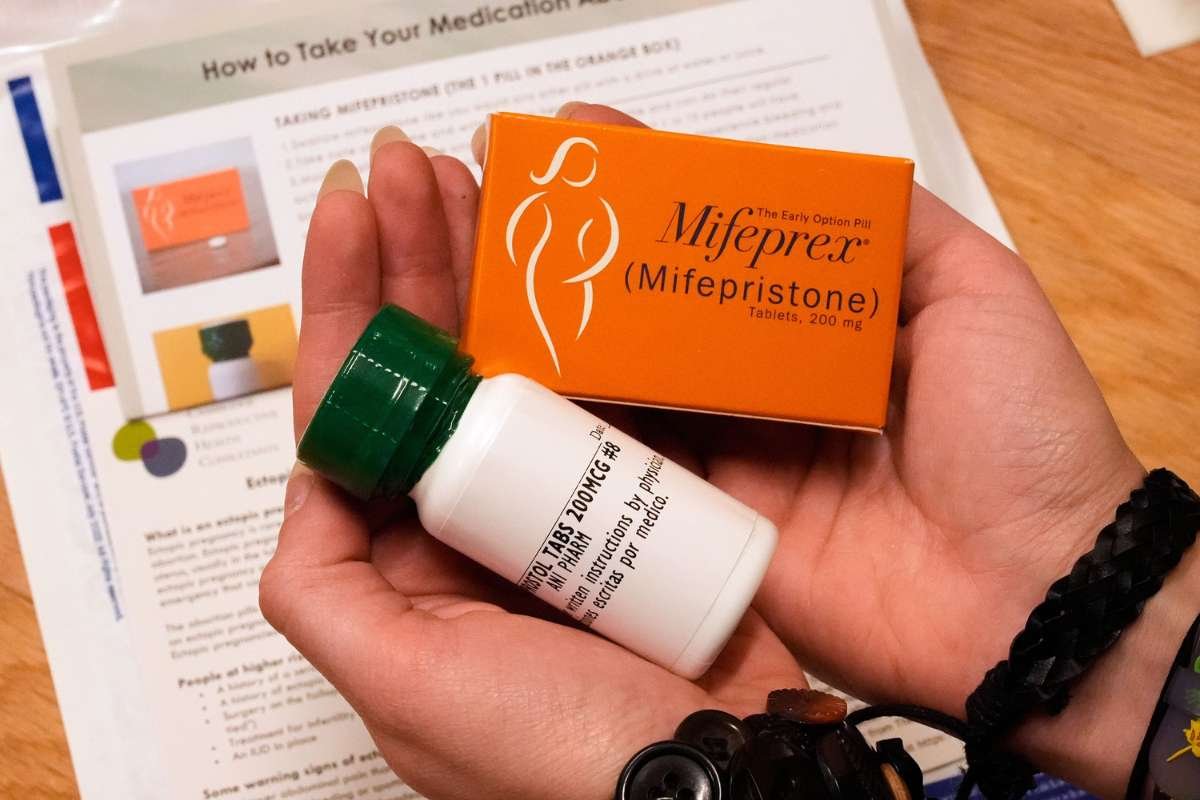
The U.S. Food and Drug Administration plans to complete its abortion drug safety review of mifepristone by March 2027, potentially opening the door to new restrictions amid legal challenges over access to the medication.
FDA Sets Timeline for Safety Assessment
The FDA disclosed the timeline in a court filing late Wednesday in a lawsuit brought by Louisiana challenging federal rules that allow mifepristone to be prescribed remotely and dispensed through the mail. The agency expects to receive the results of a safety study in December before analyzing the findings and preparing a report.
The filing states that the FDA expects to complete the review process “not later than March 2027.” The assessment could inform decisions about the drug’s distribution, prescription requirements and regulatory status.
Mifepristone was approved by the FDA in 2000 and is used with a second medication, misoprostol, to terminate pregnancies. The two-drug regimen has become the most common method of abortion in the United States.
The FDA has repeatedly affirmed the medication’s safety and effectiveness while gradually easing restrictions on its use. However, anti-abortion groups and Republican lawmakers have pressed the Trump administration to reconsider the rules governing the drug.
Legal Challenges Put Access Rules Under Scrutiny
Louisiana’s lawsuit challenges the federal policy allowing mifepristone to be distributed by mail, arguing that the rule conflicts with the state’s abortion restrictions. The case has been paused while the FDA completes its review.
Separate litigation involving Texas and Florida also challenges federal regulations governing the medication. Those cases could influence access to abortion medication beyond the states bringing the lawsuits.
A 2023 federal rule permitted certified health care providers to prescribe mifepristone remotely and allowed pharmacies and other authorized channels to dispense it without requiring patients to obtain the medication in person. Supporters of expanded access say these measures help patients obtain care, particularly where abortion services are difficult to reach.
Opponents argue that the medication’s distribution rules should be tightened because of safety concerns. The FDA’s review could provide a basis for reconsidering some of those requirements, although the filing does not establish that the agency will impose new restrictions.
Reversing the drug’s original approval would be a more complex process than changing dispensing rules and would require additional regulatory steps.
Review Draws Criticism From Abortion Opponents
The review follows renewed political pressure to reassess mifepristone under President Donald Trump’s administration. Health Secretary Robert F. Kennedy Jr. directed the reevaluation, according to reporting by The Associated Press. The ongoing abortion drug safety review could influence future decisions about mifepristone’s approval, prescription requirements and distribution.
The extended timeline has drawn criticism from groups seeking tighter limits on medication abortion. Gavin Oxley of Americans United for Life, an anti-abortion organization, criticized the administration’s handling of the issue in a statement reported by The Associated Press.
“The administration continues to find itself on the wrong side of women’s health,” Oxley said, arguing that officials were not adequately addressing what his organization considers risks associated with the medication.
The review’s outcome could affect federal rules that currently govern how patients receive mifepristone. However, the FDA has not announced a final decision to change the medication’s approval or its existing distribution requirements.
The agency is expected to evaluate the study findings before determining whether regulatory changes are warranted. Until then, the existing federal rules remain in place, subject to applicable court orders and other legal developments.
The March 2027 deadline places the next major decision point several months away, leaving the medication’s regulatory future uncertain as litigation and political disputes over abortion access continue.
Visit The Lifesciences Magazine for the most recent information.