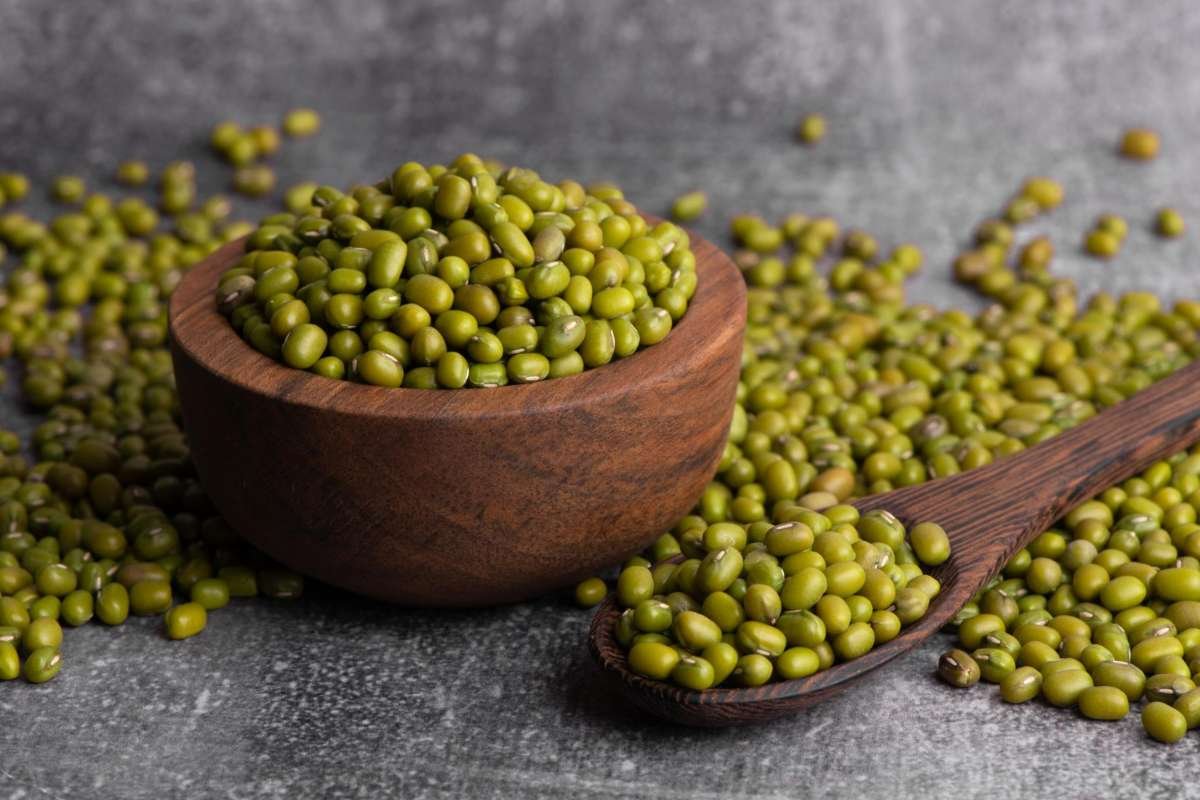
What if one small green bean could support your heart, gut, and blood sugar all at once? That sounds like a bold claim, but the benefits of mung beans are well-documented. And science keeps catching up with what Asian cultures have known for centuries.
Mung beans (Vigna radiata) originated in India and spread across China and Southeast Asia thousands of years ago. Today, they show up in dal, stir-fries, soups, and even desserts. Yet in Western countries, most people still walk right past them in the grocery store.
That’s a real missed opportunity. In this article, you’ll discover the top science-backed benefits, what the nutrition data actually says, and why this humble legume deserves a spot in your weekly meal plan.
Benefits of mung beans: what makes them so nutritious?
Let’s start with the numbers. One cup of cooked mung beans delivers roughly 212 calories, 14 grams of protein, and 15 grams of fiber. All this for less than the calorie count of a small bag of chips. According to USDA data, that same serving also covers about 55% of your daily fiber needs and 25% of your daily protein target.
The nutrition profile is hard to argue with. Mung beans supply folate, potassium, magnesium, iron, and B vitamins. These are nutrients that most people are chronically short on. They also have a low glycemic index of around 31, meaning they digest slowly and keep energy levels steady throughout the day.
Here’s a quick nutritional snapshot:
| Nutrient | Per Cup Cooked | % Daily Value |
| Calories | 212 | — |
| Protein | 14g | 25% |
| Fiber | 15g | 55% |
| Folate | 321µg | 80% |
| Potassium | 537mg | 11% |
| Iron | 2.8mg | 16% |
How do mung beans benefit heart health?
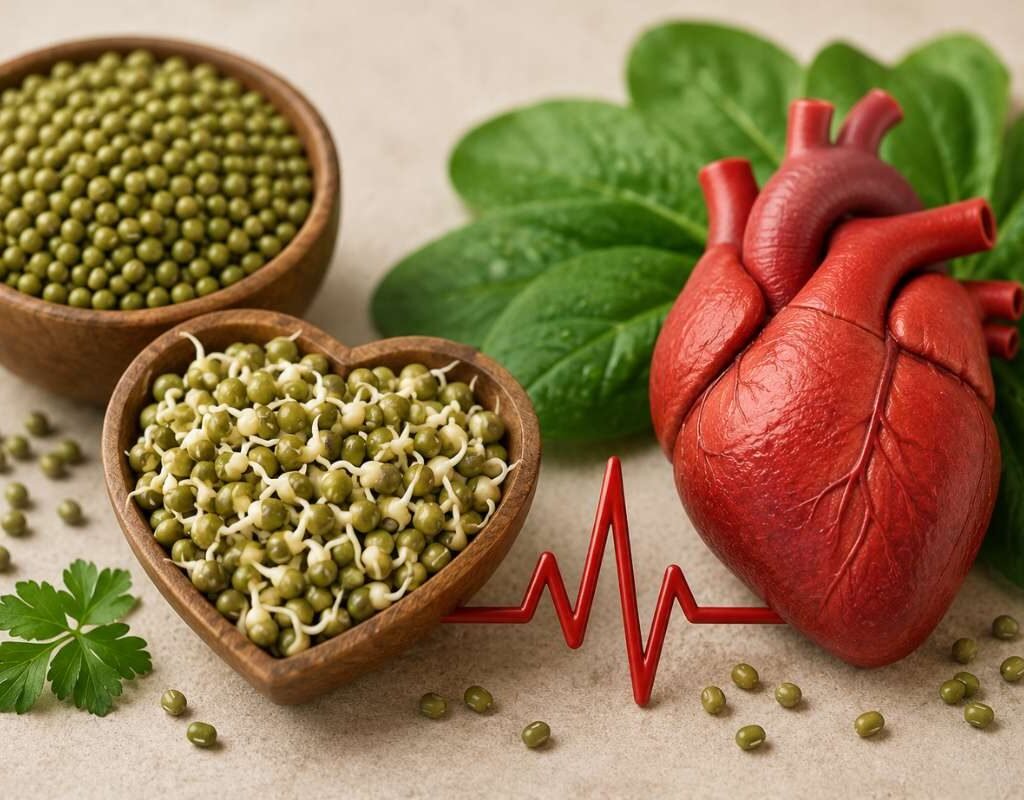
Heart disease remains the world’s leading cause of death, and diet plays a massive role. The benefits of mung beans for cardiovascular health come from multiple angles at once.
Research shows that mung beans may help lower LDL “bad” cholesterol, which the American Heart Association links directly to heart attack risk. Their high fiber content binds to cholesterol in the gut and helps flush it out before it enters the bloodstream. A 2024 randomized double-blind trial published in MDPI found that mung bean protein improved endothelial function (the health of blood vessel walls) in middle-aged adults, partly by reducing inflammation markers.
Potassium and magnesium in mung beans also help relax blood vessels and regulate blood pressure. For anyone trying to protect their heart without relying entirely on medication, this is a big deal.
Can mung beans help control blood sugar?
Yes, and this is one of the most exciting benefits of mung beans for people managing diabetes or trying to prevent it. Their low glycemic index means blood glucose rises slowly after eating them (no big spike, no dramatic crash).
A 2025 systematic review in Food Reviews International found antidiabetic effects in 30% of in vivo studies on mung bean bioactive compounds. The fiber slows the absorption of carbohydrates, while specific polyphenols appear to influence how cells respond to insulin.
This makes mung beans a smart swap for refined carbs like white rice or pasta. Adding them to meals a few times a week can make a real difference in how your body manages glucose throughout the day.
Are mung beans good for digestion?
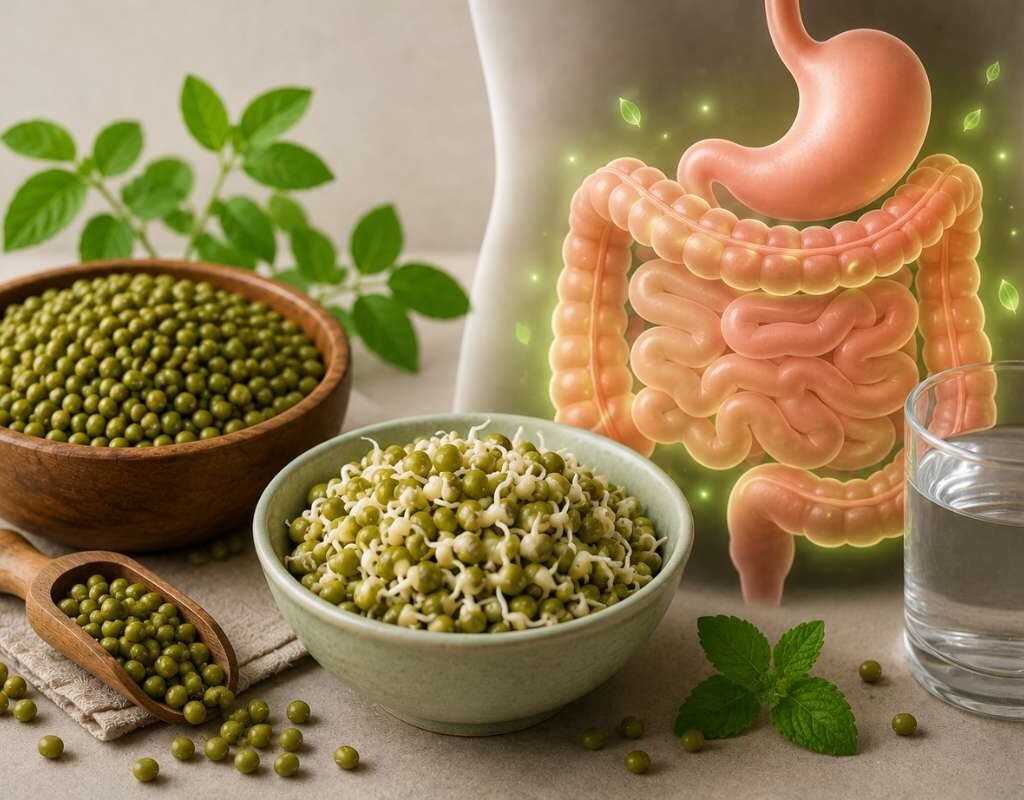
Absolutely. High-fiber foods are essential for a healthy gut, and the benefits for digestion are among the most consistent findings in nutrition research.
The 15 grams of fiber per cooked cup feeds beneficial gut bacteria, adds bulk to stool, and keeps things moving. Unlike many other legumes, mung beans are also easier to digest. And they’re less likely to cause bloating or gas. This is why they’ve long been used in infant formulas in parts of Asia.
The fiber in mung beans also binds to bile acids in the colon, which protects the colon lining and helps lower cholesterol at the same time. Two benefits in one mechanism.
What do mung beans do for inflammation?
Chronic inflammation sits at the root of most major diseases like arthritis, diabetes, heart disease, and even some cancers. The benefits of mung beans against inflammation come from their rich supply of polyphenols, including vitexin and isovitexin.
Research published in PMC identified these compounds as the major active polyphenols in mung beans, with documented antioxidant and anti-inflammatory properties. Antioxidants from mung beans (specifically orientin, vitexin, and caffeic acid) helped protect cells under heat stress and regulated oxidative damage from free radicals.
Eating foods rich in these compounds regularly gives your immune system extra tools to fight low-grade inflammation before it becomes a chronic problem.
Are mung beans a good protein source for plant-based diets?
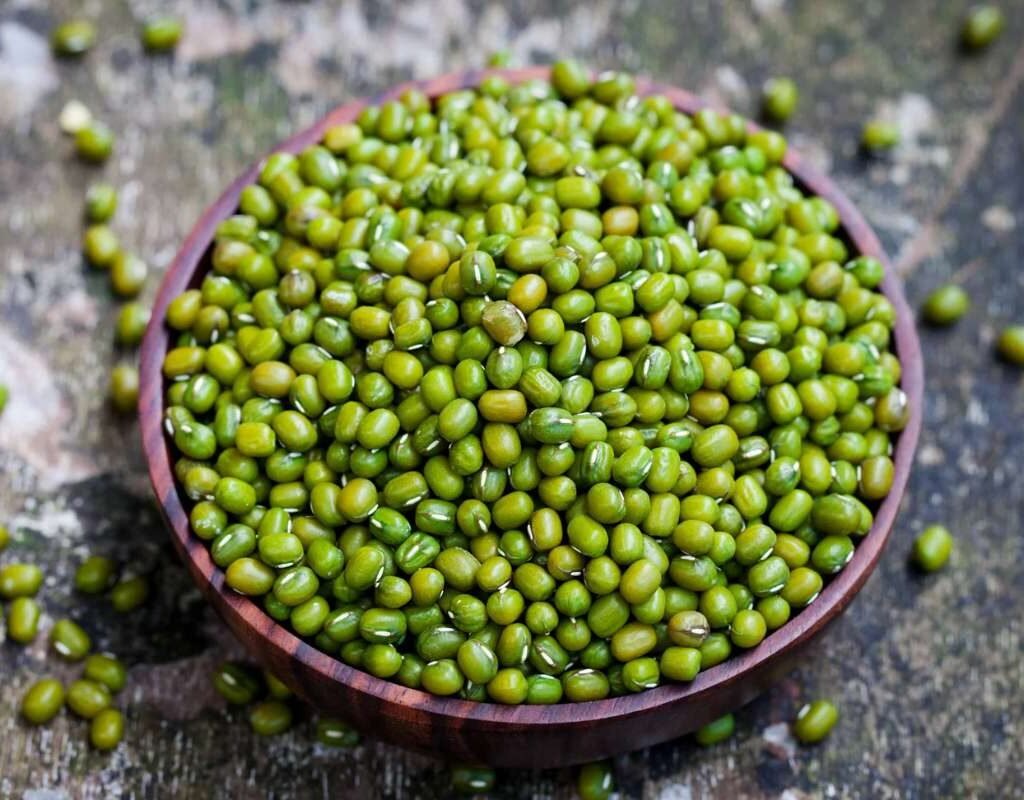
Plant-based eaters often struggle to find proteins that deliver all essential amino acids. Mung beans contain around 27% protein by dry weight and supply phenylalanine, leucine, isoleucine, valine, lysine, and arginine, among others. The benefits of mung beans here are notable.
That’s a strong amino acid profile for a plant food. One cup of cooked gives you 14 grams of protein (comparable to two eggs) with zero saturated fat and none of the cholesterol found in animal sources. For vegans, vegetarians, or anyone reducing meat consumption, mung beans are one of the most reliable choices available.
They also work in virtually any format (whole, sprouted, or ground into flour), making them easy to include across a wide range of dishes.
How do you add mung beans to your diet?
The benefits of mung beans are only useful if you actually eat them. The good news is they’re one of the most versatile legumes around.
Here are five simple ways to add them to your meals:
- Cook Them as Dal: Simmer with turmeric, cumin, and garlic for a classic South Asian dish.
- Add to Soups: Toss cooked mung beans into vegetable or chicken broth for extra protein and fiber.
- Use as Sprouts: Raw mung bean sprouts are crunchy and great in salads or stir-fries.
- Blend Into Batter: Ground mung beans make a high-protein flour for pancakes or flatbreads.
- Add to Grain Bowls: Mix with brown rice, roasted vegetables, and a tahini dressing.
Soaking dried mung beans for 1–2 hours before cooking reduces cooking time and cuts down on anti-nutrients that can interfere with mineral absorption. Germinating (sprouting) them increases the bioavailability of zinc and iron by up to 3 times, according to research in PMC.
Final thoughts
The benefits of mung beans go well beyond basic nutrition. From lowering cholesterol and stabilizing blood sugar to fighting inflammation and supporting gut health, this small green legume punches far above its weight. It’s affordable, versatile, and backed by a growing body of research.
If you’re serious about eating better without overcomplicating your diet, mung beans are one of the easiest wins available. Start with one recipe this week and see how quickly they become a regular in your kitchen.
Frequently asked questions
1. Can you eat mung beans every day?
Yes. They’re safe for daily consumption and work well as a regular protein and fiber source, especially in plant-based diets.
2. Do mung beans cause gas or bloating?
Less than most legumes. Mung beans are highly digestible and are one of the lowest flatulence options in the legume family.
3. Are sprouted mung beans healthier than cooked ones?
Both are healthy, but sprouting increases the bioavailability of zinc and iron and reduces phytic acid, making some nutrients easier to absorb.
4. Can mung beans help with weight loss?
Their high fiber and protein content increases satiety, which may help reduce total calorie intake.
5. Are mung beans safe during pregnancy?
Yes, and they’re particularly beneficial during pregnancy due to their high folate content, which supports healthy fetal development.