Understand the different types of heart disease and how they affect your heart, symptoms, risk factors, and treatment options. This guide explains the major categories, including coronary artery disease and arrhythmias, shows how conditions are connected, and clarifies the difference between heart disease and cardiovascular disease. You’ll also learn emergency warning signs, prevention strategies, and practical steps to reduce your risk and protect your heart health.
Not all heart disease affects the body in the same way, so it’s important to understand the different types of heart disease. Some narrow the arteries that carry blood to the heart, while others affect heart rhythm, valves, muscles, or the heart’s structure itself. Knowing the differences between these conditions can help you recognize symptoms earlier, understand your risk factors, and make informed decisions about prevention and treatment.
This guide begins with the most common types of heart disease and progresses to less common, but equally important, diseases.
Table of Contents
Types of heart disease: the major categories explained
Heart disease is any condition affecting the heart’s structure or function. The Types of Heart Disease fall into six major categories:
| Type | Main Area Affected | Example |
| Coronary Artery Disease | Blood vessels | Atherosclerosis |
| Arrhythmias | Electrical system | Atrial fibrillation |
| Valve Disease | Heart valves | Aortic stenosis |
| Cardiomyopathy | Heart muscle | Dilated cardiomyopathy |
| Heart Failure | Pumping function | Congestive heart failure |
| Congenital Disease | Heart structure | Septal defects |
Coronary artery disease is the most common type, caused by plaque buildup narrowing arteries. Arrhythmias involve irregular rhythms from electrical problems. Valve disease affects flaps controlling blood flow. Cardiomyopathy weakens or stiffens the heart muscle. Heart failure means the heart can’t pump adequately. Congenital disease involves defects present at birth.
Coronary artery disease: the most common form
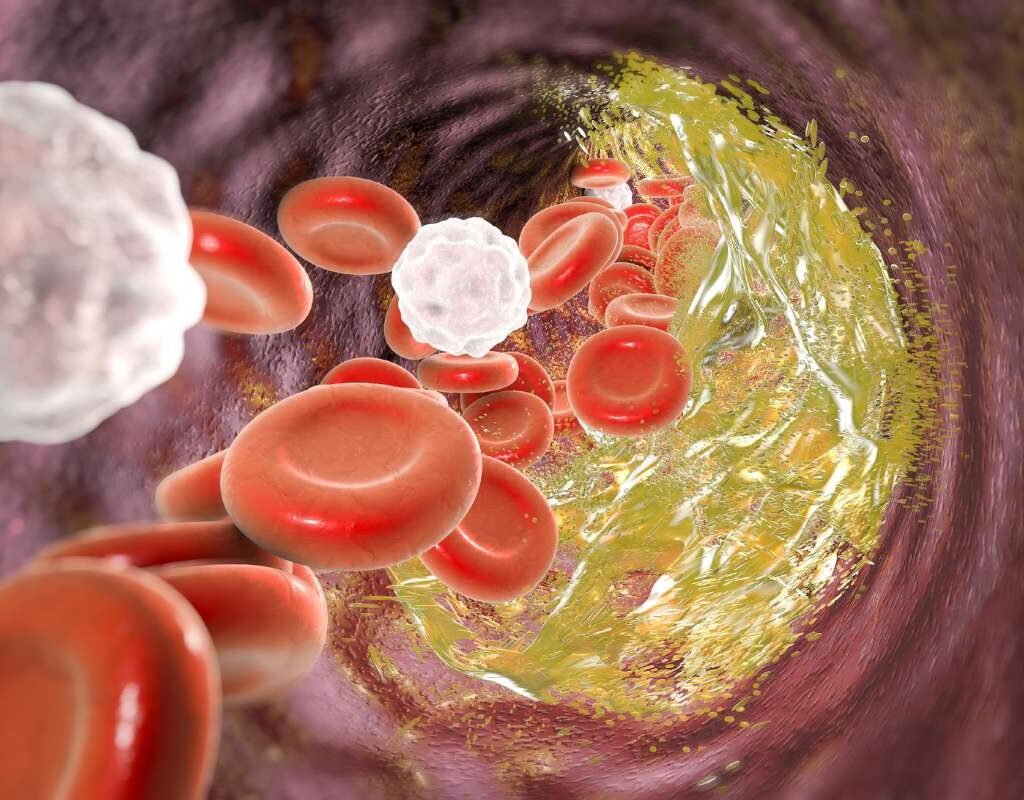
Coronary artery disease (CAD) is the most common form of heart disease, affecting over 18 million adults in the U.S. alone. It occurs when the coronary arteries, the vessels supplying blood to the heart muscle. It became narrowed or blocked due to atherosclerosis.
What it is
CAD happens when plaque builds up inside the coronary arteries, reducing blood flow to the heart. Without enough oxygen-rich blood, the heart can’t function properly, leading to chest pain, heart attacks, or heart failure.
How Atherosclerosis Develops
Atherosclerosis begins when the artery’s inner lining (endothelium) gets damaged from factors like high cholesterol, smoking, or high blood pressure. This injury triggers white blood cells to attach and transform into foam cells that collect cholesterol. Over the years, these cells accumulate into patchy plaques covered with fibrous caps. Calcium deposits harden the plaques, gradually narrowing the artery and restricting blood flow.
Risk Factors
Key risk factors include:
- Unchangeable: Age, family history of early heart disease (under 50)
- Lifestyle: Smoking, physical inactivity, unhealthy eating, overweight
- Medical conditions: High blood pressure, high LDL cholesterol, diabetes
- Other: Stress, which raises heart rate and damages artery walls
Early symptoms
Early CAD may cause angina, chest pain, or discomfort with pressure, squeezing, or tightness, especially during exercise or stress. Other signs include shortness of breath, fatigue, or unusual sweating.
Heart attack warning signs
When a plaque ruptures and blocks blood flow completely, a heart attack occurs:
- Crushing chest pain or pressure
- Pain spreading to arms, jaw, neck, back, or abdomen
- Shortness of breath, sweating, nausea, or vomiting
- Lightheadedness, anxiety, or coughing/wheezing
Why cad accounts for most heart disease cases
CAD represents the majority of heart disease because atherosclerosis is widespread. Nearly everyone develops some plaque buildup by middle age. Modern lifestyles (sedentary behavior, poor diet, and smoking) accelerate it, and conditions like diabetes and hypertension are increasingly common. CAD also leads to other heart problems: unstable angina, heart attacks, and heart failure make up most heart disease deaths.
Heart valve disease:
Heart valve disease occurs when one or more of the heart’s four valves don’t work properly, disrupting blood flow.
Four heart valves
| Valve | Location | Function |
| Aortic valve | Left ventricle → aorta | Sends oxygen-rich blood to the body |
| Mitral valve | Left atrium → left ventricle | Receives oxygen-rich blood from lungs |
| Pulmonary valve | Right ventricle → pulmonary artery | Sends blood to lungs for oxygen |
| Tricuspid valve | Right atrium → right ventricle | Receives oxygen-poor blood from |
Stenosis vs regurgitation
- Stenosis: Valve opening becomes narrow, restricting blood flow
- Regurgitation: Valve leaks because it doesn’t close properly, causing backward blood flow
Common symptoms
Most valve conditions cause:
- Chest pain or palpitations
- Shortness of breath, fatigue, weakness
- Lightheadedness or fainting
- Swollen ankles, feet, or abdomen
- Rapid or irregular heartbeat
Treatment options
- Medication – Manages symptoms but doesn’t fix the valve
- Surgical valve repair – Fixes the valve during surgery
- Surgical valve replacement – Opens chest to replace valve (SAVR or small-incision)
- Minimally invasive procedures – Transcatheter aortic valve replacement (TAVR), MitraClip for mitral valve
Most severe valve problems require surgery or replacement, not just medication.
How heart diseases are connected?
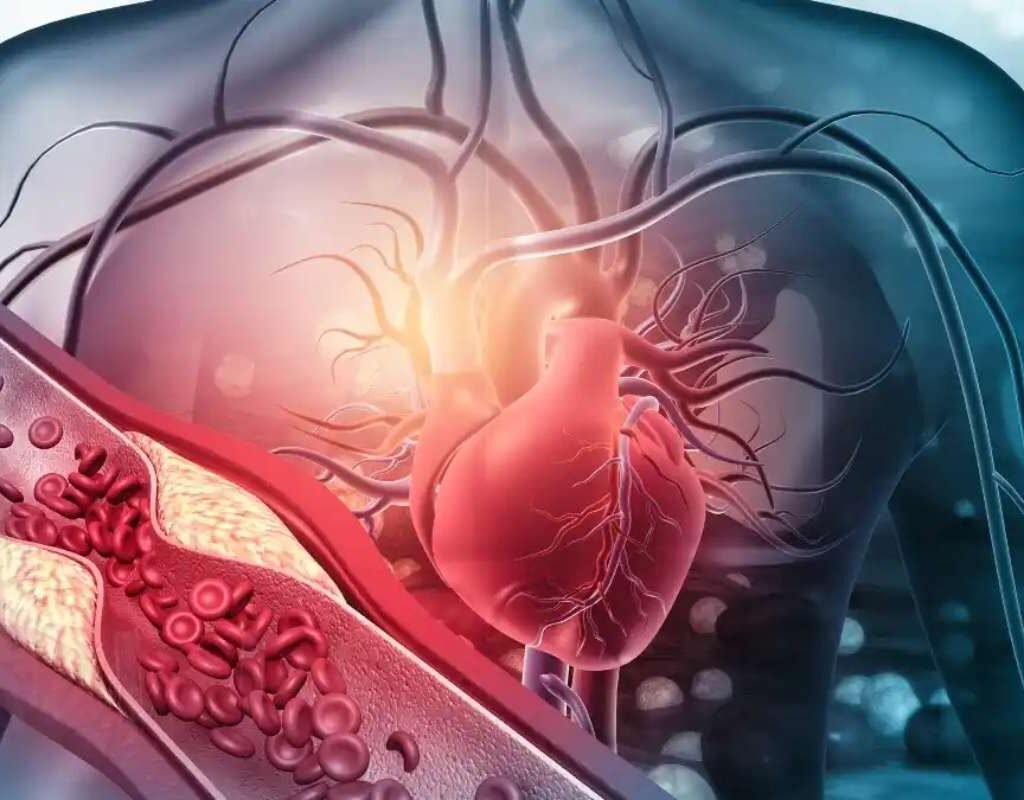
The progression chain:
High Blood Pressure ↓
The starting point. High blood pressure (hypertension) forces the heart to work harder, thickening the heart muscle and damaging artery walls.
Coronary Artery Disease ↓
Damaged artery walls become vulnerable to plaque buildup. High blood pressure accelerates atherosclerosis, narrowing the coronary arteries and reducing blood flow to the heart.
Heart Attack ↓
When CAD severely blocks blood flow or a plaque ruptures, a heart attack occurs. This kills heart muscle tissue, weakening the heart’s pumping ability.
Heart Failure ↓
After a heart attack (or from long-term high blood pressure), the damaged heart can’t pump enough blood. The heart enlarges and fails. This is heart failure.
Arrhythmias ↓
A weakened or enlarged heart muscle disrupts the electrical system. This causes irregular rhythms like atrial fibrillation. High blood pressure directly triggers arrhythmias, too.
Why This Matters
One condition fuels the next: hypertension → CAD → heart attack → heart failure → arrhythmias. Each step makes the heart more vulnerable. About 47% of Americans have at least one key risk factor (high blood pressure, high cholesterol, or smoking), making this progression common. Breaking the chain early. With blood pressure control, lifestyle changes, and medication, it prevents the cascade.
Heart disease vs cardiovascular disease:
Definitions
- Cardiovascular disease (CVD): The broad umbrella term for all diseases affecting the heart and blood vessels.
- Heart disease: A subset of CVD referring only to conditions affecting the heart’s structure and function
Key differences
| Aspect | Cardiovascular Disease | Heart Disease |
| Scope | Heart + blood vessels | Heart only |
| Relationship | Larger category | Type of CVD |
| Includes | Heart disease + vascular disease | Just heart conditions |
Examples
- CVD: Coronary artery disease, stroke, peripheral artery disease, atherosclerosis
- Heart disease: Coronary heart disease, arrhythmias, heart failure, valve disease, cardiomyopathy
Why the terms are confused
The terms sound similar and are often used interchangeably in everyday conversation. When people say “heart disease,” they usually mean coronary heart disease, the most common type of CVD. Additionally, all heart diseases are cardiovascular diseases, but not all cardiovascular diseases are heart diseases (e.g., stroke affects blood vessels, not the heart).
Warning signs that need immediate medical attention:

Different types of heart disease can cause emergency symptoms. Call 911 immediately if you experience:
Chest pain
- Pressure, squeezing, fullness, or pain in the center of the chest
- Pain lasting more than a few minutes or going away and then returning
- Discomfort spreading to arms, back, neck, jaw, or stomach
Shortness of breath
- Difficulty breathing with or without chest discomfort
- Breathing problems after a period of inactivity
Sudden dizziness
- Feeling lightheaded, dizzy, or weak
- Balance or coordination problems
Fainting
- Sudden collapse or loss of consciousness
- Unresponsiveness to touch or sound
- Dizziness or fainting (especially in women during a heart attack)
Stroke symptoms (B.E. F.A.S.T.)
- Balance loss: Sudden loss of balance or trouble walking
- Eye changes: Blurred vision, double vision, or vision loss
- Face drooping: One side numb or drooping
- Arm weakness: One arm is weak or drifting down
- Speech difficulty: Slurred or hard-to-understand speech
Call 911 immediately for any of these signs, even if they go away.
Can heart disease be prevented?
Yes, heart disease can largely be prevented by managing risk factors and making healthy lifestyle choices. While all types of heart disease share some risk factors, you can significantly reduce your chances of developing them.
Risk factor management
- Work with your doctor to keep blood pressure, cholesterol, and blood sugar at healthy levels.
- Get regular health check-ups
- Maintain a healthy weight
Diet
- Eat plenty of fruits, vegetables, whole grains, lean proteins, nuts, seeds, and vegetable oils.
- Follow a heart-healthy eating plan like the Mediterranean or DASH diet
- Keep saturated fat under 6% of daily calories
- Limit sodium and alcohol
Exercise
- Get at least 150 minutes of moderate-intensity aerobic activity per week (walking, swimming, biking)
- Do muscle-strengthening activities twice a week
- Combine aerobic exercise with resistance training for the best results
Blood pressure
- Stay active and maintain a healthy weight
- Follow a heart-healthy diet and manage stress
- Take prescribed medications if needed
Cholesterol
- Eat a healthy diet with low saturated fat
- Be more active, 150 minutes of cardio weekly helps lower cholesterol
- Lose 5–10% of excess weight to improve cholesterol numbers
- Take statins if lifestyle changes aren’t enough
Smoking cessation
- Quit smoking, it’s the most preventable risk factor
- Smokers have more than 2x the risk of cardiovascular disease
- Giving up reduces your risk of heart disease
Conclusion:
Knowing the different types of heart disease puts you in control of your heart health. Coronary artery disease, arrhythmias, or other heart conditions. Each affects the heart differently, but they all have common warning signs and risk factors. Symptoms can be detected early (chest pain, shortness of breath, or sudden dizziness), and risk factors can be managed (diet, exercise, and blood pressure control), which can prevent or slow the development of heart disease. Remember, heart disease is often preventable, and interrupting the chain of progression early saves lives. Act now.
Talk to your doctor about your risk. Schedule regular check-ups. Make heart-healthy choices today.
FAQ:
1. What are the four types of heart disease?
The four most common types of heart disease are coronary artery disease, heart arrhythmias, heart failure, and heart valve disease.
2. What are the seven most common heart diseases?
The seven most common types of heart diseases and cardiovascular conditions include coronary artery disease (the leading cause of heart attacks), heart failure, arrhythmias, heart valve disease, cardiomyopathy, congenital heart disease, and hypertension (high blood pressure).
3. What are the five most common heart diseases?
The five most common types of heart disease are coronary artery disease, high blood pressure (hypertension), heart failure, arrhythmias, and heart valve disease.
4. What are the big 4 of heart failure?
Known as the “four pillars” of heart failure therapy, these medications are beta blockers, angiotensin receptor-neprilysin inhibitors (ARNIs), mineralcorticoid receptor antagonists (MRAs), and sodium-glucose co-transporter 2 Inhibitors (SGLT2i).
5. What lifestyle triggers heart failure?
Lifestyle triggers for heart failure include behaviors that damage the heart muscle or overwork it over time. The most significant triggers are smoking, excessive alcohol and drug abuse, a sedentary lifestyle, and chronic poor diets high in sodium, trans fats, and processed sugars.
Link and Sources:
- https://www.apollohospitals.com/diseases-and-conditions/types-of-heart-diseases
- https://www.webmd.com/heart-disease/what-is-atherosclerosis
- https://www.woodlandsheartinstitute.com/blog/8-key-risk-factors-for-coronary-artery-disease
- https://www.nhs.uk/conditions/heart-attack
- https://www.ncbi.nlm.nih.gov/books/NBK539800
- https://www.heartandstroke.ca/heart-disease/emergency-signs/heart-attack-and-stroke