Key Takeaway:
- A 66-year-old New Hampshire man remains hospitalized after contracting the rare but potentially deadly Powassan virus from a tick bite.
- Powassan virus cases are increasing in the Northeast and Great Lakes regions; severe infections can cause brain inflammation, neurological damage, and death.
- Health officials urge prevention through tick avoidance, insect repellents, treated clothing, and thorough tick checks after outdoor activities.
A 66-year-old New Hampshire man remains hospitalized after contracting the rare Powassan virus from a tick bite, prompting renewed attention to the potentially deadly tick-borne disease as health officials urge residents to take preventive measures during peak tick season.
The man spent about two weeks at Concord Hospital before being transferred to Massachusetts General Hospital for more intensive treatment, according to reports by WMUR and the Concord Monitor. Sources close to the patient said he initially felt fatigued after a tick bite before his condition worsened.
USA TODAY reported that it has contacted the New Hampshire Department of Health and Human Services for comment on the case.
Doctors monitor severe complications
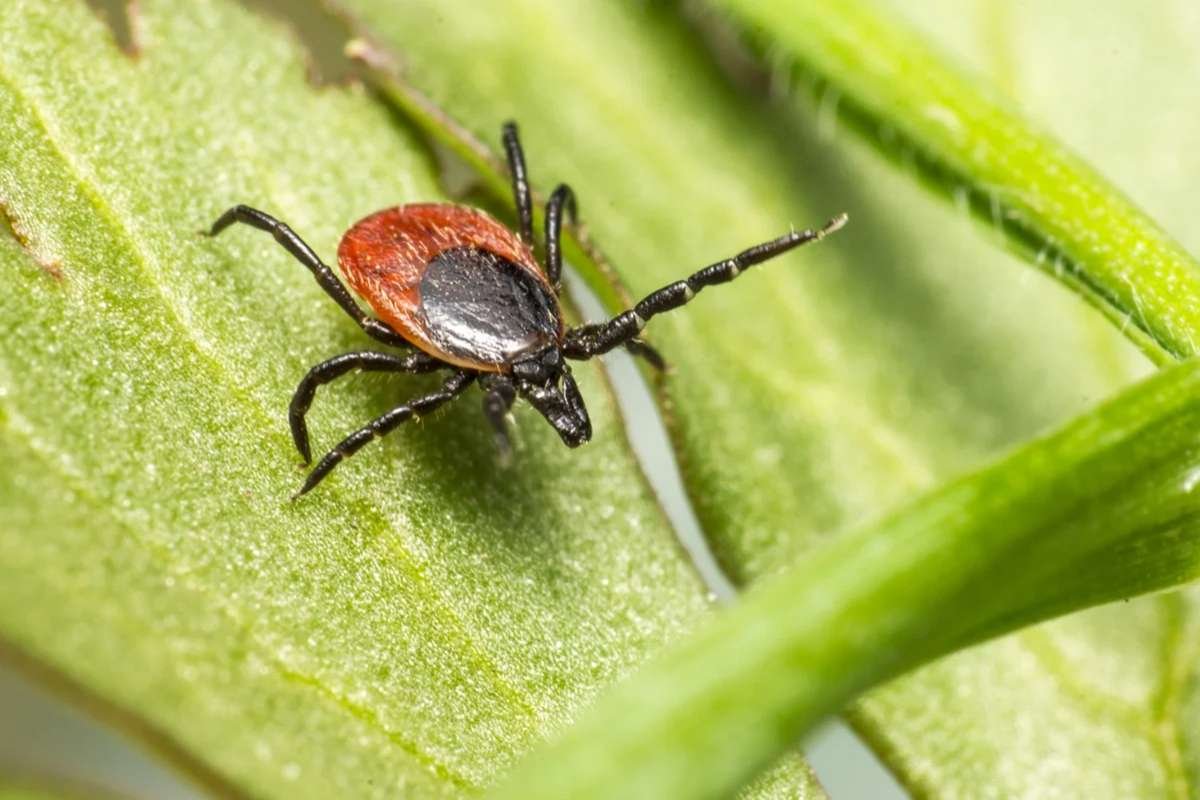
Powassan virus is a rare disease spread through the bite of infected ticks. While infections remain uncommon, the Centers for Disease Control and Prevention says reported cases have increased in recent years, particularly in the Northeast and Great Lakes regions.
Most infections occur between late spring and mid-fall when ticks are most active. The virus does not spread through casual contact such as coughing, sneezing, or touching. In rare cases, transmission has occurred through blood transfusions.
According to the CDC, many people infected with the Powassan virus do not develop symptoms. Those who do may experience fever, headache, vomiting, and weakness.
In severe cases, the virus can cause encephalitis, an inflammation of the brain, or meningitis, an infection affecting the membranes surrounding the brain and spinal cord.
Health experts highlight serious risks
People with severe illness may experience confusion, loss of coordination, difficulty speaking, and seizures, health experts say.
The CDC estimates that approximately one in 10 people who develop severe Powassan virus disease die from complications. About half of survivors with severe illness experience long-term neurological problems, including recurring headaches, muscle weakness, and memory difficulties.
“There are currently no vaccines available to prevent Powassan virus infection and no specific medications to treat it,” the CDC states. Medical care focuses on managing symptoms and supporting patients during recovery.
The virus takes its name from Powassan, Ontario, where it was first identified in 1958.
Officials promote tick safety measures
Public health officials continue to emphasize prevention as the most effective defense against infection.
Ticks are commonly found in grassy, brushy, and wooded areas and may also be present in residential yards. The CDC recommends avoiding areas with tall grass and leaf litter whenever possible and staying in the center of trails during outdoor activities.
Officials also advise treating clothing and outdoor gear with products containing 0.5% permethrin and using Environmental Protection Agency-registered insect repellents.
After spending time outdoors, people should check their clothing, pets, and their entire bodies for ticks. Health experts recommend paying close attention to areas under the arms, around the ears, inside the belly button, behind the knees, between the legs, around the waist, and within the hair.
The CDC also advises drying clothes on high heat for at least 10 minutes after coming indoors to help kill any ticks that may be present.
Health officials say prompt tick checks and preventive measures remain essential as warmer weather increases outdoor activity and exposure to tick habitats.