Key Takeaway:
- Cases slow: The Upper East Side Legionnaires’ outbreak has reached 60 cases, but new infections are declining, with no deaths reported so far.
- Inspections expand: Initial tests found Legionella bacteria in about 75 cooling towers, including the Metropolitan Museum of Art, prompting mandatory cleanups.
- Source still unknown: Health officials have inspected all cooling towers in the affected area and continue investigating the outbreak’s source while accelerating remediation efforts.
New York City health officials said Tuesday that the NYC Legionnaires outbreak on Manhattan’s Upper East Side has reached 60 cases, with new diagnoses slowing as investigators inspect cooling towers and order cleanups after positive bacteria tests at dozens of buildings, including the Metropolitan Museum of Art.
Health Commissioner Dr. Alister Martin said the declining pace of new cases is an encouraging sign, although officials have not yet identified the source of the outbreak.
The city has confirmed 60 cases since the outbreak was first detected on July 2. Forty-nine patients have been hospitalized, and 34 have since been discharged. No deaths have been reported.
City data show two new cases were diagnosed from samples collected Sunday and Monday, down from as many as 11 new cases per day from earlier samples.
“All of these things together paint an encouraging sign,” Martin said during a virtual news briefing.
Health officials report fewer new cases
The NYC Legionnaires outbreak affects residents in three Upper East Side ZIP codes, where investigators expanded their response after the first two cases were identified in proximity earlier this month.
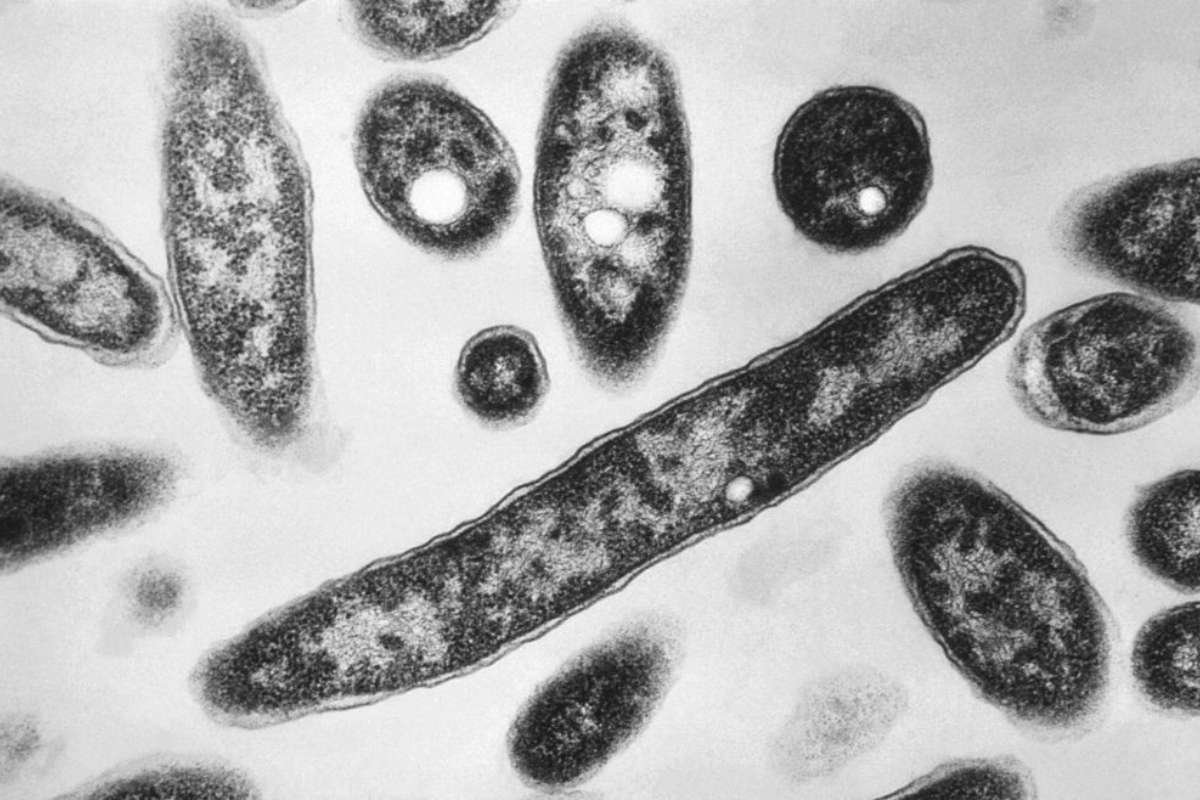
Legionnaires’ disease is a severe form of pneumonia caused by Legionella bacteria, which thrive in warm water systems such as cooling towers, hot tubs and plumbing. People become infected by inhaling contaminated water droplets. The disease does not spread from person to person.
According to the U.S. Centers for Disease Control and Prevention, the illness is treatable but can be fatal in about 10% of cases.
The current NYC Legionnaires’ outbreak follows a larger incident in Harlem last year that sickened more than 100 people and killed seven. Investigators later linked that outbreak to cooling towers at a city hospital and the city’s public health laboratory.
Cooling tower tests find bacteria in dozens of buildings
Health officials said they have inspected all 183 cooling towers within the affected area. Initial tests detected Legionella bacteria in about 75 towers, although those preliminary results do not distinguish between live and inactive bacteria.
Among the buildings with positive first-round test results is the Metropolitan Museum of Art. The museum said it is completing the required cleaning and follow-up testing. It also canceled its limited Wednesday activities while the work is underway.
The city previously announced positive test results at the Solomon R. Guggenheim Museum, private schools, and residential apartment buildings along Park and Fifth avenues.
Martin said most affected properties have already completed the required remediation by draining and disinfecting their cooling towers. The remaining cleanups are expected to be finished by Thursday. Communities managing outbreaks like this often benefit from the kind of coordinated response outlined in these infectious disease prevention strategies, which stress rapid surveillance and sanitation as key containment tools.
Investigators continue search for outbreak source
Martin said the city has changed its response protocol this year by ordering cleanups immediately after positive initial test results instead of waiting about two weeks for confirmatory tests that detect live bacteria.
Officials said the faster response is intended to reduce potential exposure while laboratory testing continues.
The update came one day after City Council Speaker Julie Menin criticized the Health Department, saying it had not provided sufficient public information about the outbreak. A request for comment was sent Tuesday to Menin’s office.
Despite progress in inspections and remediation, officials said they continue to investigate the source of the NYC Legionnaires outbreak and urged residents experiencing symptoms such as fever, cough, or difficulty breathing to seek medical care promptly.