Want to understand your real heart disease risk? This guide explains the most important Risk Factors for Heart Disease, including hidden threats often missed by standard health advice. Learn how multiple risk factors combine, why seemingly healthy people can still develop heart disease, how risks change with age, and which emerging markers doctors use to identify problems earlier. Understanding your risk profile today can help prevent serious cardiovascular events tomorrow.
Heart disease continues to be one of the leading causes of death worldwide, but many people don’t understand what their actual risk is. We know smoking, high blood pressure, and cholesterol are major players, but modern studies have shown that stress, sleep quality, metabolic health, and even prolonged sitting can be major contributors. Risk factors for heart disease: it’s not just one risk factor, but how several risk factors interact with each other, and ultimately the effect on your heart health over time.
Table of Contents
What are risk factors for heart disease?
A risk factor is something that increases your chance of getting a disease, while the disease itself is the actual medical condition. For example, high blood pressure is a risk factor. Heart disease is a condition that can lead to.
Relative risk compares how much more likely one group is to develop a condition compared to another (e.g., “smokers have 2× higher risk”). Absolute risk is your actual chance of having a heart event over a specific time, like “10% chance in 10 years”.
Understanding Risk Factors for Heart Disease before symptoms appear lets you take action. Like improving diet, exercising, or managing cholesterol, to lower your actual risk. Many factors (smoking, high blood pressure, diabetes, obesity, physical inactivity) are controllable.
Why some risk factors matter more than others?
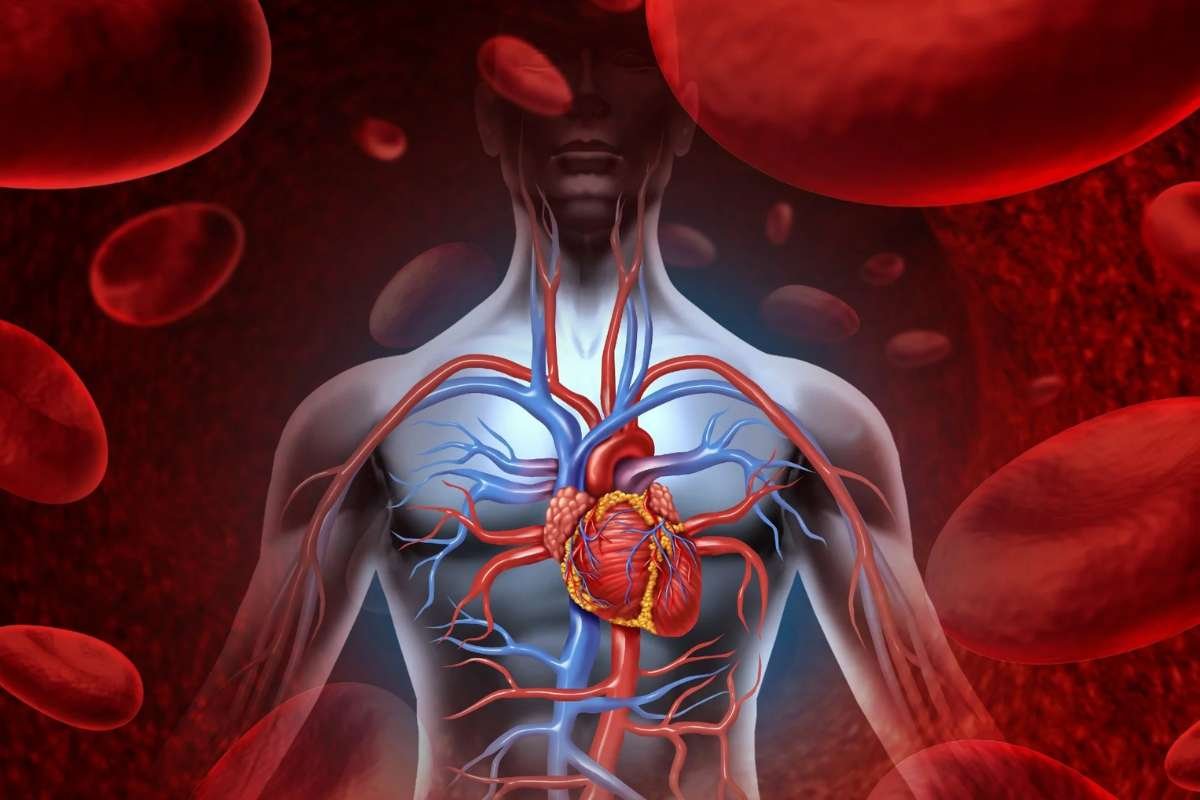
Not all Risk Factors for Heart Disease affect your risk equally. But what matters most is your total cardiovascular risk burden, the combined impact of all your risks together.
How risk stacking works
Risk factors don’t just add up; they multiply. When multiple risks are present, they accelerate arterial damage faster than any single factor alone. This is the risk multiplier concept: two or three elevated numbers stress your system. But together they stack and speed up damage dramatically.
Example Scenarios
| Scenario | Risk Profile | Actual Impact |
| A | One major risk (smoking only) | 2× higher risk |
| B | Three moderate risks (high BP + high cholesterol + sedentary) | 4–6× higher risk |
Multiple moderate risks can outweigh one major risk because they create synergistic damage; each factor worsens the others’ effects.
Why some matter more
The four most powerful stacking risks are: elevated blood pressure, high cholesterol, high blood sugar (diabetes), and smoking exposure. When these remain elevated together, they damage artery walls and dramatically increase plaque/clot risk.
The hidden risk factors many people overlook:
Beyond the classic risks like smoking and high blood pressure, several hidden Risk Factors for Heart Disease are often overlooked but significantly impact your heart health.
The hidden risks
| Risk Factor | Why It Matters |
| Poor sleep | Disrupts blood pressure regulation and increases inflammation |
| Sleep apnea | Paused breathing during sleep raises the risk of heart disease, high blood pressure, and stroke by 2–3× |
| Chronic stress | Increases heart rate and blood pressure, leading to heart attack and stroke over time |
| Sedentary behavior | Sitting 7+ hours/day increases cardiovascular mortality risk, even if you exercise. |
| Ultra-processed diets | High in sodium, sugar, and unhealthy fats that damage artery walls |
| Loneliness/social isolation | Linked to 29% higher risk of heart disease and 32% higher stroke risk |
Key insight:
These risks often work together. For example, sleep apnea worsens stress, poor sleep increases sedentary behavior, and loneliness can lead to unhealthy eating. When multiple hidden risks stack, they create a risk multiplier effect comparable to traditional major factors.
Why healthy-looking people still develop heart disease?
You can look fit and still develop heart disease because danger often hides beneath the surface. Many Risk Factors for Heart Disease don’t show up on your body or in basic checkups.
Key subtle causes:
| Subtle Cause | Why It’s Dangerous |
| Normal weight but unhealthy metabolism | 33% of normal-BMI people have high blood pressure, glucose, or cholesterol, especially South Asians and Hispanics |
| Lipoprotein(a) or Lp(a) | A genetic cholesterol particle that triples heart risk; not measured in standard lipid tests |
| Chronic inflammation | Damages artery walls and triggers plaque rupture, even with low LDL |
| Genetic predisposition | Family history can override lifestyle; South Asians have 2× higher risk at normal weight. |
| Silent plaque buildup | Unstable plaques with only 30–50% blockage can rupture suddenly, causing heart attacks. |
The “normal weight obesity” trap:
More than half of adults with normal BMI have high body fat percentages (>20% men, >30% women) and metabolic disturbances linked to heart disease. Belly fat (visceral fat) raises blood pressure, cholesterol, and inflammation regardless of overall weight.
Key insight
The biggest danger isn’t looking unhealthy. It’s having a condition you don’t know exists. Fitness can hide hidden threats like Lp(a), inflammation, and unstable plaque that standard tests miss.
Heart disease risks across different life stages:
Risk Factors for Heart Disease change as you age, with different dangers emerging in each life stage.
20s–30s
- Smoking – Tobacco damages artery walls immediately, raising blood pressure and reducing oxygen to your heart. Vaping and cigarettes both increase heart disease risk in young adults.
- Obesity – Excess weight worsens other risk factors like blood pressure and cholesterol. Nearly half of adults 20-44 now have at least one major cardiovascular risk factor.
- Sedentary habits – Prolonged sitting and screen time damage your heart even if you exercise later. Young adults who fail to keep heart-healthy practices can see their future heart disease risk skyrocket 10×.
40s–50s
- Hypertension – High blood pressure affects 63% of adults 60+ and is often first diagnosed in the 40s-50s. Blood pressure trends upward quietly, even if you feel well.
- Diabetes – Nearly one in three people 65+ has diabetes, which increases heart disease risk significantly. Metabolism slows in the 50s, and prediabetes is often first diagnosed.
- Cholesterol – High cholesterol increases atherosclerosis risk. Men see rising cholesterol in 40s-50s; women increase risk after menopause. This is when conditions first appear.
60+
- Arterial aging – Growing older increases the risk of damaged and narrowed arteries and weakened heart muscle. Arteries lose elasticity, making long-term lifestyle effects clearer.
- Existing cardiovascular conditions – Hypertension affects 63% of adults 60+, diabetes affects nearly one-third of 65+, and physical inactivity, excess weight, and unhealthy diets compound existing damage
Emerging heart health markers doctors are watching:

These emerging Risk Factors for Heart Disease offer deeper insights than standard cholesterol tests, helping identify hidden risks earlier.
ApoB (Apolipoprotein B)
What it is: ApoB is the main protein on LDL and other harmful cholesterol particles. It measures the actual number of artery-damaging particles, not just total cholesterol.
Who should discuss it: People with normal LDL but a family history of heart disease, those with diabetes or metabolic syndrome, and patients who haven’t improved despite standard treatment.
Lipoprotein(a) or Lp(a)
What it is: Lp(a) is a genetically inherited cholesterol particle with an extra protein that makes it “stickier” and more likely to cause blockages and blood clots. It deposits cholesterol in arteries just like LDL, but is 2–3× more dangerous.
Who should discuss it: People with heart disease despite normal cholesterol, those with a family history of early heart attacks, and anyone with LDL that won’t lower with medication.
hs-CRP (High-Sensitivity C-Reactive Protein)
What it is: hs-CRP measures inflammation in your blood. High levels indicate artery damage and predict heart attacks, even when cholesterol looks normal. Lower risk is <2.0 mg/L; higher risk is ≥2.0 mg/L.
Who should discuss it: People with multiple moderate risk factors, those with normal cholesterol but high stress/inflammation, and patients at intermediate risk, where doctors need more clarity.
Coronary artery calcium (CAC) scoring
What it is: A CT scan that detects actual calcium plaque in heart arteries. Zero score means low future risk; 100–300 = moderate plaque (high 3–5 year risk); >300 = extensive disease.
Who should discuss it: Adults 40–75 at intermediate risk (5–20% over 10 years), those with a family history wanting certainty, and people whose doctor needs to decide on medication intensity
Expert Insight: What Doctors Say
Dr. Paul Ridker, principal investigator of the landmark study and director of the Division of Cardiovascular Disease Prevention at Brigham and Women’s Hospital in Boston, emphasizes:
“We possess additional biomarkers that inform us about various biological issues that patients destined for cardiovascular disease are likely to face. All three represent different biological processes. They provide insights into why someone is genuinely at risk.”
Conclusion:
Heart disease doesn’t strike randomly. It builds silently over the years through layered risk factors. Understanding risk factors for heart disease isn’t just about knowing smoking or high blood pressure are dangerous; it’s about recognizing how hidden risks like poor sleep, stress, and sedentary behavior multiply your true risk. Whether you’re 25 or 75, the danger often lies beneath the surface, masked by normal weight or “good” standard test results. The good news? Most risks are controllable, and early detection saves lives.
Take action today: Talk to your doctor about your absolute risk and ask whether advanced markers like ApoB, Lp(a), or a coronary calcium scan could give you clearer answers.
FAQ:
1. What are the 5 major risk factors for heart disease?
Five major risk factors for heart disease include high blood pressure, smoking, high cholesterol, diabetes, and obesity. Many of these cardiovascular threats are interconnected and can be significantly mitigated through lifestyle changes and medical management.
2. What is the #1 worst habit for your heart?
The single worst habit for your heart is smoking or using tobacco. The chemicals in cigarette smoke damage blood vessels, restrict oxygen, and cause plaque to build up in your arteries.
3. What are the 5 warning signs of heart disease?
Key warning signs of heart disease include chest pain or pressure, unexplained shortness of breath, unusual fatigue, swelling in the legs or feet, and heart palpitations.
4. What are the first signs of a weak heart?
The first signs of a weak heart often appear subtly. The most common early indicators are unexplained fatigue and shortness of breath during routine tasks.
5. What are the three main risk factors?
Risk and its three constituent components: Hazard, exposure, and vulnerability.