Key Takeaway:
- H5N1 bird flu has been confirmed on Australia’s mainland for the first time after infected wild birds were found near Esperance, Western Australia.
- Ingham’s, Australia’s largest poultry producer, has locked down its WA operations and tightened biosecurity measures despite no infections in commercial poultry flocks.
- Australian authorities are increasing surveillance and preparedness efforts, with officials saying no cases have been detected in poultry or agricultural systems so far.
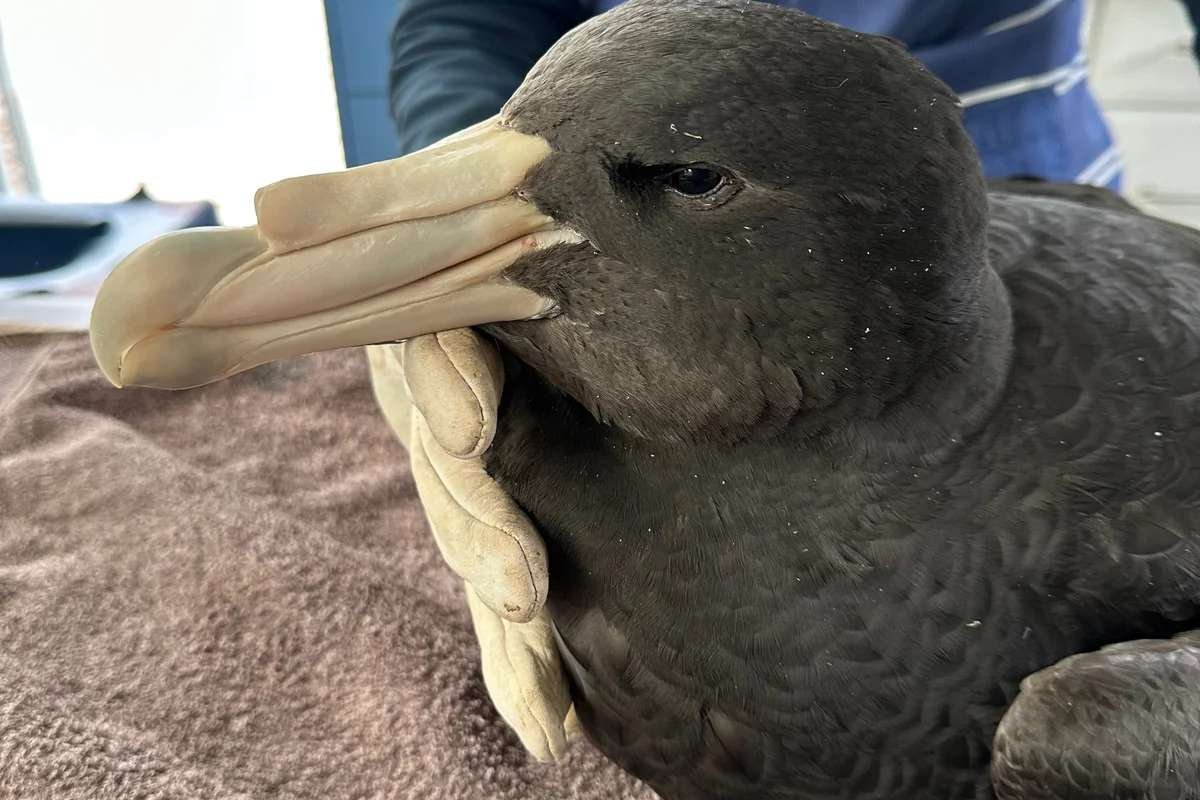
Western Australian poultry farms entered lockdown on Monday after authorities confirmed the highly pathogenic H5N1 bird flu virus in a wild brown skua near Esperance, marking the first mainland detection in the H5N1 bird flu Australia outbreak response.
Ingham’s tightens biosecurity after virus detection
Ingham’s Group, Australia’s largest poultry producer, announced a complete lockdown of its Western Australian operations despite no confirmed infections in commercial poultry flocks.
The company said it would restrict all nonessential access to its facilities and seek approval from the state government to temporarily keep free-range chickens indoors. The measures are aimed at reducing the risk of contact between domestic birds and potentially infected wildlife.
The move follows confirmation over the weekend that a brown skua found on a remote beach near Esperance tested positive for H5N1, intensifying concerns over the H5N1 bird flu Australia situation. A giant petrel discovered in the same area returned a preliminary positive test result and remains under investigation.
Authorities are also examining reports of more than a dozen sick or dead birds along the Western Australian coastline.
Officials monitor wildlife for signs of spread
Australia’s Chief Veterinary Officer Beth Cookson said the virus has not been detected in poultry, livestock, or agricultural systems.
“Our approach is to really learn from the overseas experience and look at the practical actions that can be put in place to mitigate the impacts as far as possible,” Cookson told ABC Radio National on Monday.
Officials are working to determine whether infected wild birds have transmitted the virus to other bird populations. Surveillance efforts have intensified in affected coastal areas as authorities seek to contain any potential spread.
Until now, Australia had been the only continent without confirmed H5N1 infections. The virus has spread widely across Europe, Asia, Africa, and the Americas since 2021, causing the deaths of millions of birds and thousands of marine mammals.
Government cites preparedness efforts
Federal Environment Minister Murray Watt said Cookson and Threatened Species Commissioner Dr. Fiona Fraser were scheduled to brief state and federal environment ministers on Monday about the evolving situation.
“We’ve been working very hard with states, industry, environmental groups, scientists over the last couple of years to make sure that we are as well prepared as we possibly could be,” Watt said.
The Australian government has invested A$113 million ($74 million) in preparedness measures, including A$11 million allocated in the latest federal budget, according to Watt.
“As a government, we’ve invested $113m, including $11m in the most recent budget in those preparedness efforts,” he said. “I feel confident that we’ve got the systems in place, and that we’re working cooperatively with states, territories, and others to make sure that we can manage this outbreak if it does get more serious.”
The developments also affected financial markets. Shares of Ingham’s fell as much as 14% Monday, according to Bloomberg. The poultry producer’s stock has declined for several months and is down more than 23% this year amid broader business challenges.
Authorities continue testing birds and monitoring wildlife populations as Australia responds to the arrival of the virus, with the H5N1 bird flu Australia outbreak prompting heightened biosecurity measures nationwide.