
Scrub commercial cold cuts, deep-fried items, canned sodium bombs, and sugary sodas from your kitchen to secure long-term arterial health. This clear, non-AI guide provides traceable statistics and expert medical opinions to optimize your grocery list. You will learn the exact biological mechanics behind vascular damage and unlock a safe, real-food replacement plan.
To protect your cardiovascular system from permanent damage, you must eliminate ultra-processed meats, industrial trans fats, excessive sodium, and refined sugars from your daily meals. These specific ingredients trigger severe arterial inflammation, skyrocket your low-density lipoprotein (LDL) cholesterol, and spike your blood pressure.
According to the American Heart Association (AHA) 2026 Heart Disease and Stroke Statistics Update, cardiovascular disease causes nearly 19.4 million deaths globally every year. In the United States, a heart attack strikes someone every 34 seconds. Changing your diet provides your single best defense against these dangerous trends.
When you identify the main foods to avoid for heart health, cardiologists place processed meats, trans fats, excessive sodium, and refined sugars at the very top. Removing these dangerous foods alters your internal vascular environment. This dietary shift protects your blood vessels from chronic plaque accumulation and keeps your blood flowing smoothly.
What is the comprehensive checklist of foods to avoid for heart health?
The modern food system relies heavily on chemical preservation, artificial engineering, and cheap fats. This industrial process turns common supermarket staples into serious cardiovascular hazards. Medical research singles out four distinct food categories that drive heart disease.
1. Which processed and industrial cold cuts clog arteries?
Sausage, bacon, hot dogs, and deli meats damage your endothelial lining. The endothelium acts like a smooth, protective Teflon coating inside your blood vessels to keep blood moving. Processed meats contain massive quantities of saturated fat and rely on harmful sodium nitrate preservatives.
A major meta-analysis shows that eating just 50 grams of processed meat daily increases your risk of coronary heart disease by 42%. Your body converts nitrates into highly inflammatory molecules that rapidly harden your blood vessels. This data classifies industrial deli options as primary foods to avoid for heart health.
Clean out these specific items from your refrigerator immediately:
- Packaged Pepperoni and Hard Salami: These items contain extreme amounts of saturated fat and sodium nitrates that stiffen arterial walls.
- Commercial Bacon Strips: This breakfast staple delivers high doses of advanced glycation end-products (AGEs) when cooked over high heat.
- Industrial Pork and Beef Sausages: Manufacturers pack these links with scrap meats, excess salt, and artery-clogging saturated fats.
- Standard Hot Dogs and Frankfurters: These highly processed tubes contain chemical binders, texturizers, and extreme sodium loads.
- Pre-Sliced Processed Deli Ham and Turkey Breast: Even lean-looking deli turkey contains heavy preservative salts to extend shelf life.
- Bologna and Liverwurst: These meat pastes rely on heavy saturated fat emulsions that drive up your bad cholesterol particles.
2. Which deep-fried items and commercial trans fats lower good cholesterol?
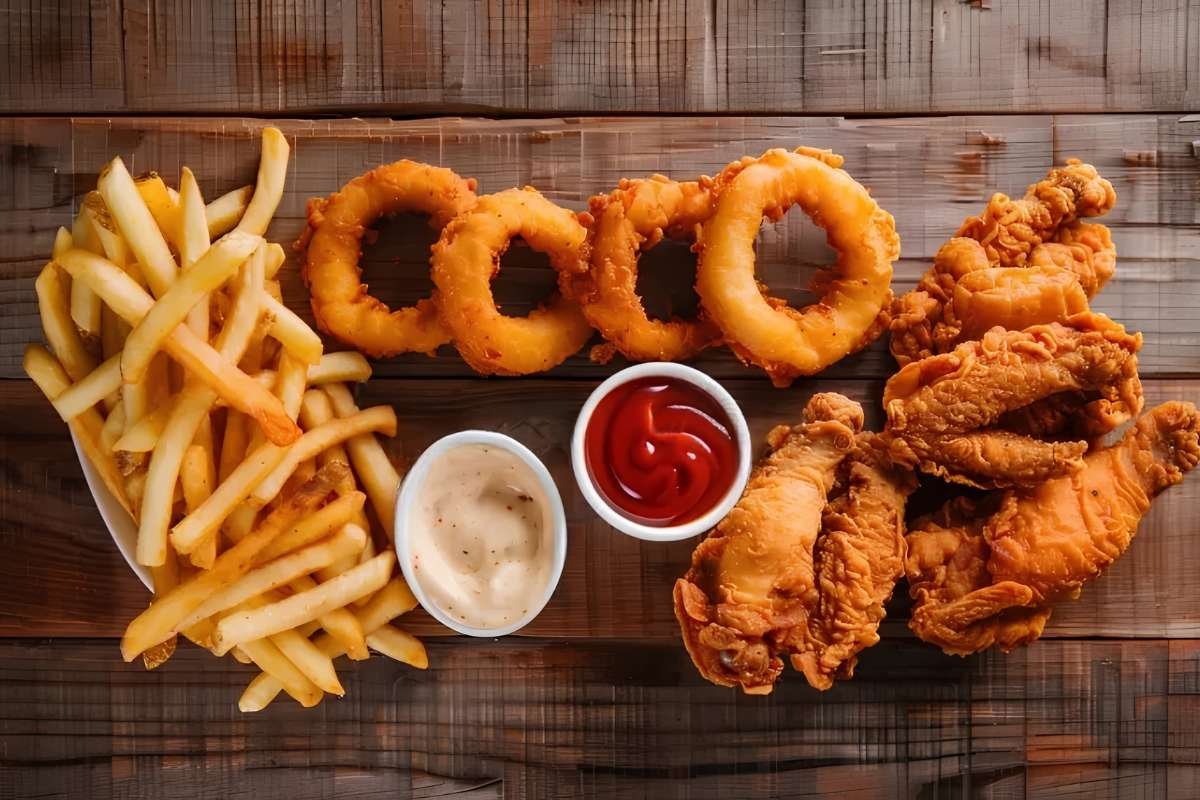
Unhealthy industrial oils clog your arteries and damage your lipid profile. French fries, fried chicken, commercial pie crusts, and packaged biscuits frequently contain partially hydrogenated oils.
Trans fats act as a direct metabolic toxin. They launch a dual attack on your blood chemistry: they lower your high-density lipoprotein (HDL or “good”) cholesterol and simultaneously raise your destructive LDL cholesterol. The World Health Organization (WHO) reports that trans fat consumption causes over 500,000 cardiovascular deaths globally each year. These toxic properties make fried options crucial foods to avoid for heart health.
Scrub these industrial trans fats and fried items from your pantry:
- Fast-Food French Fries and Onion Rings: Restaurants cook these items in commercial fryers using degraded, repeatedly heated vegetable oils.
- Commercial Glazed Donuts: These pastries combine refined flour, high-fructose corn syrup, and deep-frying trans fats.
- Packaged Pie Crusts and Baking Mixes: Industrial bakeries use shelf-stable shortening to create a flaky texture at the expense of your arteries.
- Hard Stick Margarine: Traditional stick margarines rely on hydrogenated oils to remain solid at room temperature.
- Vegetable Shortening Tubs: This pure industrial fat introduces dense concentrations of trans fatty acids into your homemade baked goods.
- Microwave Popcorn Bags with Artificial Butter: These convenient snacks often carry hidden trans fats and artificial chemical flavorings.
- Frozen Fried Chicken Patties and Fish Sticks: Manufacturers pre-fry these convenience foods before freezing them, locking in damaged fats.
3. Which industrial sodium bombs drive high blood pressure?
Excess sodium pulls water directly into your bloodstream. This reaction increases your total blood volume and places intense physical pressure on your blood vessel walls. Doctors identify heavy sodium sources as major foods to avoid for heart health because this pressure stresses your vascular wall. Packaged noodle bowls, frozen dinners, commercial pizza, and bottled salad dressings hide massive amounts of salt.
The WHO Global Sodium Reduction Report reveals that the average global adult consumes 4,278 mg of sodium per day. This amount doubles the safe medical limit. This constant pressure stretches and strains your left ventricle. The heart’s main pumping chamber, which eventually causes heart failure.
Eliminate these high-sodium grocery items to protect your blood pressure:
- Canned Instant Soups and Bouillon Cubes: A single can often delivers over 1,000 mg of sodium, instantly exhausting your daily limit.
- Frozen Microwave TV Dinners: Food processors flood these ready-to-eat meals with salt to preserve flavor during long months of freezing.
- Commercial Frozen Pizzas: The combination of processed cheese, cured meats, and preserved crust creates a massive sodium load.
- Jarred Marinara and Pasta Sauces: Manufacturers add heavy amounts of salt and sugar to mask low-quality industrial ingredients.
- Commercial Soy Sauce and Teriyaki Marinades: Traditional condiments deliver massive amounts of concentrated salt per tablespoon.
- Instant Ramen Noodle Packets: The flavor packets inside these cheap noodles rely almost entirely on monosodium glutamate (MSG) and salt.
- Bottled Ranch and Blue Cheese Dressings: These shelf-stable dressings combine high sodium with poor-quality soybean oils.
4. Which sugary beverages and refined carbohydrates spike blood sugar?
Refined sweets and simple grains cause sharp, sudden spikes in your blood glucose. This biological stress places soda, sweet tea, energy drinks, white bread, and sugary cereals among the top ingredients to monitor.
When you flood your system with sugar, your liver converts the excess into triglycerides, which are dangerous fats circulating in your blood. High sugar intake also causes insulin resistance, a state where your cells ignore the hormone insulin. This condition acts like fuel for inflammation. It accelerates the growth of soft, unstable plaques inside your coronary arteries. This chemical change places sweet products among the critical foods to avoid for heart health.
Ditch these liquid sugars and refined carbohydrates immediately:
- Regular Cola and Sweetened Sodas: High-fructose corn syrup floods your liver, driving instant fat production and arterial stress.
- Sweetened Energy Drinks: These beverages pair high caffeine with extreme sugar doses, stressing your heart rhythm.
- Pre-Bottled Sweet Tea and Coffee Drinks: Commercial coffee drinks often function as liquid milkshakes loaded with sugary syrups.
- White Sandwich Bread and Hamburger Buns: Refined white flour behaves exactly like pure sugar once it enters your digestive system.
- Frosted Breakfast Cereals: These highly processed grains strip away natural fiber and replace it with direct sugar coatings.
- Commercial Toaster Pastries and Snack Cakes: These shelf-stable sweets deliver a toxic mix of refined flour, high sodium, and trans fats.
- Store-Bought Fruit Packets in Heavy Syrup: Packing healthy fruit in dense sugar water destroys its nutritional value.
Why do processed items create oxidized LDL cholesterol?
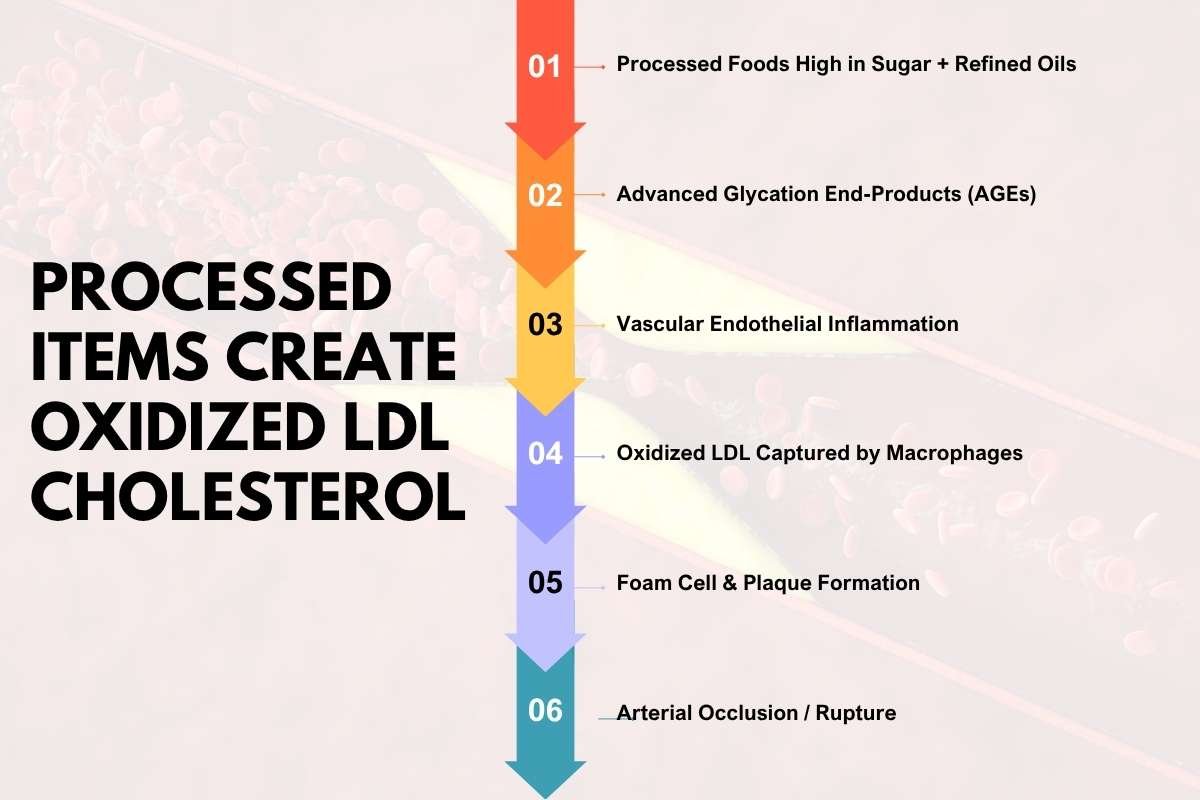
Most nutritional guides tell you what to drop, but they leave out the cellular mechanics. The primary danger of these ingredients centers on a destructive process called LDL oxidation.
Normal LDL cholesterol particles circulate through your body to deliver vital nutrients to cells. They do not cause heart attacks on their own. The real danger begins when unstable molecules called free radicals attack and damage these LDL particles. Ultra-processed foods combine high-fructose corn syrup with heated industrial seed oils. This biological process reveals why scientists target these ingredients as key foods to avoid for heart health.
When you eat high-fructose corn syrup alongside heated omega-6 vegetable oils (like corn, soy, or cottonseed oil), you create Advanced Glycation End-products (AGEs). These compounds act like microscopic sandpaper on your delicate blood vessel walls.
Your immune system views this damage as an emergency. It sends white blood cells called macrophages, which act like cellular clean-up crews, to repair the area. These cells swallow the damaged, oxidized LDL particles until they gorge themselves. They transform into fat-laden “foam cells.” These foam cells sink directly into your arterial walls, creating the foundation of dangerous atherosclerotic plaque.
What do the official international health guidelines mandate?
To keep your heart pumping efficiently, you must benchmark your daily grocery choices against precise medical targets. Understanding the foods to avoid for heart health and monitoring key nutritional limits can help reduce cardiovascular risk. The table below details the hard maximum limits set by the world’s leading public health institutions:
| Nutritional Component | Daily Maximum Safe Allowance | Primary Clinical Reason | Official Reference Data |
| Saturated Fat | Less than 6% of daily calories (~13g) | Lowers circulating ApoB particles and bad cholesterol | AHA 2026 Dietary Guidance |
| Industrial Trans Fats | 0 grams (Total Avoidance) | Prevents severe blood vessel lining dysfunction | World Health Organization |
| Added Sodium | 1,500 mg to 2,000 mg maximum | Controls fluid volume and protects blood pressure | WHO Sodium Guidelines |
| Added Sugars | 25g (6 tsp) for women / 36g (9 tsp) for men | Prevents fatty liver disease and high triglycerides | CDC Heart Health Metrics |
What can we learn from the pure clinical trial?
The Prospective Urban Rural Epidemiology (PURE) study tracked the eating habits of more than 135,000 people across five continents. The massive dataset yielded an invaluable conclusion for modern medicine.
Diets heavy in ultra-processed foods, refined carbohydrates, and chemical preservatives show a direct, linear correlation with higher cardiovascular mortality. These findings reinforce the importance of identifying the foods to avoid for heart health and limiting their presence in everyday diets.
Conversely, individuals who substituted refined carbohydrates with healthy, unrefined fats experienced a significant reduction in strokes and heart attacks. This groundbreaking clinical trial changed how cardiologists view nutrition. The data proved that industrial, highly processed carbohydrates and damaged fats pose a far greater threat than natural, whole-food fats.
What do frontline cardiologists say about daily food choices?

Dr. Latha Palaniappan, a professor of cardiovascular medicine at Stanford University and Chair of the AHA Statistics Committee, emphasizes that managing your daily habits acts as a shield for your vascular health.
“We know that as much as 80% of heart disease and stroke is preventable with lifestyle changes, and many chronic health conditions that contribute to poor cardiovascular health are manageable. Improving your cardiovascular health is possible. However, it will take a concerted effort.”
Cardiologists worldwide reinforce this rule. Understanding the foods to avoid for heart health is a critical part of that effort. When you remove highly processed options, your body preserves its natural production of nitric oxide. This crucial gas allows your blood vessels to relax, dilate, and maintain perfect, unobstructed blood flow.
Summary checklist for daily kitchen changes
The critical don’ts
- Do not buy “low-fat” packaged foods blindly: Manufacturers usually replace the missing fat with high amounts of sugar and sodium to maintain flavor.
- Do not cook with refined seed oils: Oils like corn, soybean, and canola oil oxidize rapidly when exposed to high heat, creating toxic compounds.
- Do not eat processed meats weekly: Treat deli meats, bacon, and sausages as rare exceptions, not daily sandwich staples.
The essential do’s
- Do read the nutrition facts label carefully: Check the sodium content per serving. A single frozen meal can contain your entire daily salt allowance.
- Do eat plenty of soluble fiber: Fiber acts like a natural sponge inside your digestive tract, binding to bad cholesterol and pulling it out of your body.
- Do switch to whole, single-ingredient options: Choose foods that do not require a complex ingredient label, such as fresh vegetables and raw nuts.
Action plan: real-food replacements for superior vascular health
Upgrading your cardiovascular defense does not mean starving. Once you understand the foods to avoid for heart health, replacing them becomes much easier. Use this direct, high-quality substitution plan to swap out dangerous items for clean fuels:
- Replace Pepperoni and Cold Cuts: Choose wild-caught salmon, pasture-raised chicken breast, or protein-rich black beans and lentils.
- Replace Margarine and Shortening: Use organic extra virgin olive oil or avocado oil to provide your body with clean, unoxidized monounsaturated fats.
- Replace Potato Chips and Crackers: Snack on raw, unsalted walnuts, almonds, or pumpkin seeds to supply your blood vessels with relaxing magnesium.
- Replace White Bread and Sugary Cereals: Eat 100% steel-cut oats, quinoa, or wild rice to get high amounts of cardioprotective fiber.
Frequently asked questions about heart-safe diets
1. Which common supermarket items represent the main foods to avoid for heart health?
Foods containing high concentrations of sodium, industrial trans fats, refined sugars, and chemical preservatives damage your heart. Key examples include commercial cold cuts, packaged baked goods, frozen pizzas, and fried foods. These items damage your blood vessel walls and speed up plaque buildup.
2. Is coffee bad for heart health?
No, clinical data show that moderate coffee consumption supports heart health. Pure black coffee contains high levels of beneficial polyphenols that reduce inflammation. However, you must avoid adding commercial creamers, sugary syrups, and artificial thickeners, as these ingredients introduce dangerous fats and sugars.
3. Why do processed meats pose such a high risk to my cardiovascular system?
Processed meats contain a dangerous combination of saturated fats, high sodium, and chemical nitrates. Sodium raises your blood volume and blood pressure. Nitrates trigger direct inflammation in your endothelial cells, which makes your arteries rigid and highly vulnerable to blockages.
4. Can I reverse arterial damage by changing my diet?
While you cannot entirely dissolve calcified, hard plaques through diet alone, adopting a clean eating plan stabilizes soft, volatile plaques. Removing highly processed foods prevents new plaque from forming. This shift drastically reduces your overall risk of a sudden plaque rupture or heart attack.
5. Are all fats dangerous for my heart?
No, your body requires healthy fats to operate. You must avoid trans fats and limit heavy saturated fats from industrial meats. However, monounsaturated and polyunsaturated fats from extra virgin olive oil, avocados, wild salmon, and walnuts actively protect your heart by improving your lipid panel.
By controlling your grocery cart, you take direct control of your cardiovascular future. Eliminate these toxic ingredients today to give your heart the clean environment it needs to thrive.
Source:
American Heart Association (AHA) 2026 Heart Disease and Stroke Statistics Update