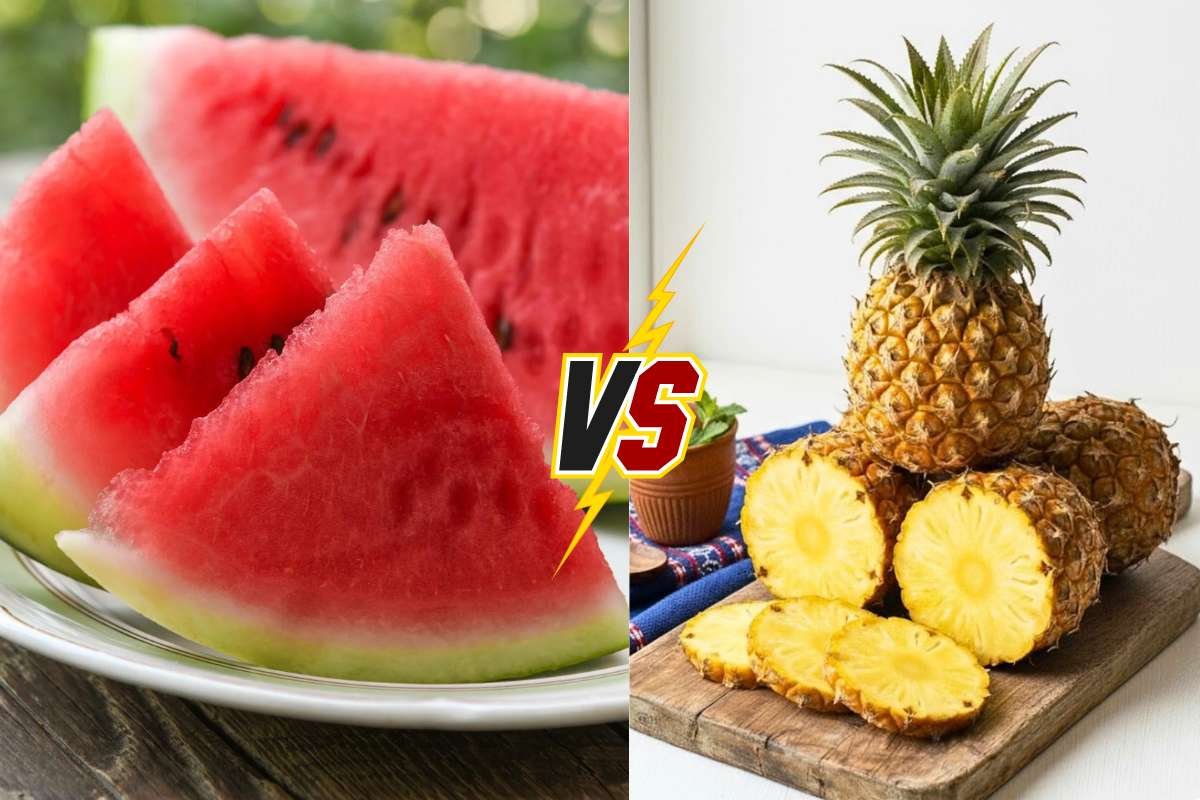
Do you know how a single grocery choice changes your entire fitness trajectory? You might think both options provide the same basic fruit advantages, but you are choosing between two completely different wellness tools. Making the wrong decision can quietly stall your fat loss or leave your hard-working muscles starving for recovery nutrients.
We analyze the ultimate Watermelon vs Pineapple breakdown to give your body a distinct operational advantage. You will learn the hidden health trade-offs, real fitness impacts, and specific metabolic wins of these top tropical food staples.
This deep dive separates marketing hype from raw dietary science. We use real data from global agricultural authorities and clinical research groups to help you build the ultimate wellness strategy. Let us look at the numbers to see which option deserves a permanent spot in your kitchen.
Watermelon vs pineapple: which wins the nutritional showdown?
Looking at the raw data reveals exactly how these items function in your body. We pulled the official macro metrics from the USDA FoodData Central system to show you the hard facts. The numbers below reflect a standard one-hundred-gram serving size for both fresh entries.
| Watermelon Baseline | Nutrient Metric | Pineapple Baseline |
| 30 kcal | Total Calories | 50 kcal |
| 91.4% | Water Percentage | 86.0% |
| 7.55 g | Carbohydrates | 13.1 g |
| 0.40 g | Dietary Fiber | 1.40 g |
| 6.20 g | Natural Sugars | 9.85 g |
| 8.10 mg | Vitamin C Content | 47.8 mg |
The baseline data confirms that watermelon operates as a low-calorie hydration powerhouse. It carries fewer total carbs and less sugar per bite. The golden tropical competitor packs a larger nutrient load but brings more metabolic fuel along with it.
Watermelon vs pineapple: how do they impact hydration?
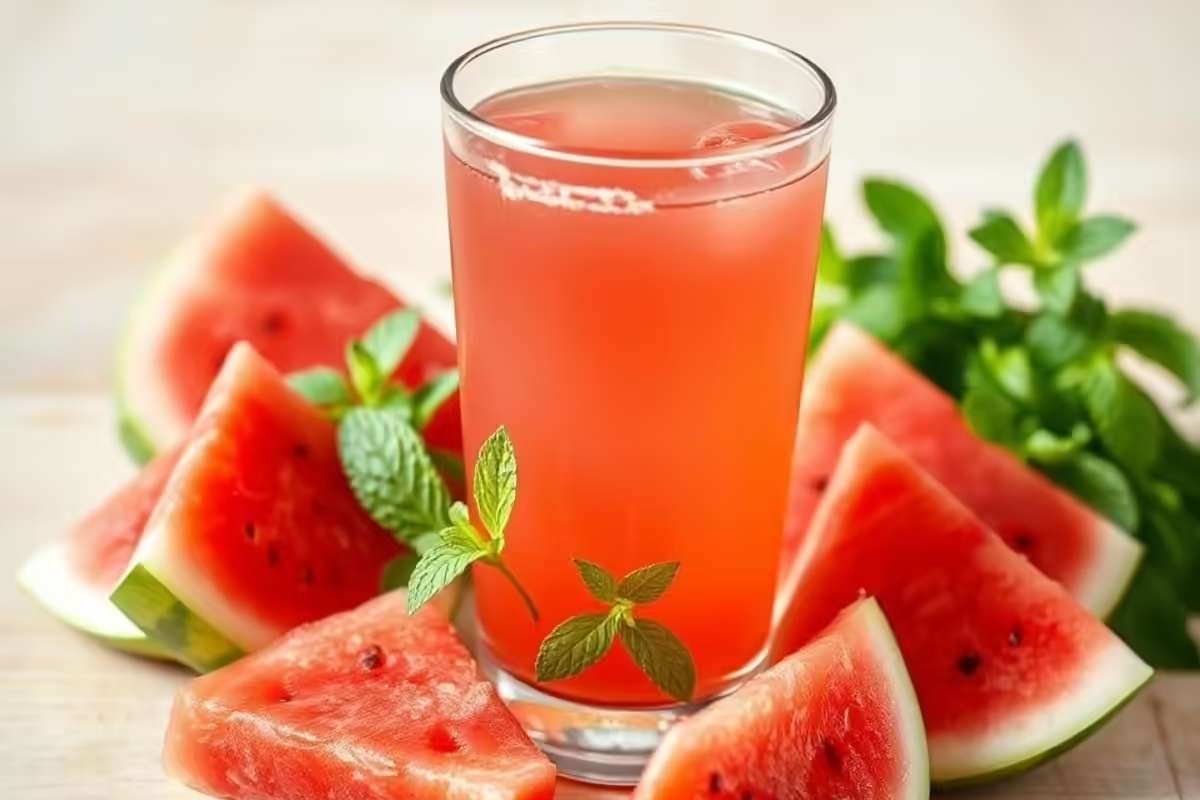
Watermelon dominates the hydration category by carrying a massive fluid percentage. Your body relies on steady hydration to maintain blood volume, regulate internal temperature, and lubricate working joints. The National Institutes of Health emphasizes that eating your fluids via water-rich foods improves cellular retention.
Pineapple still provides decent moisture but trails its red opponent significantly. The extra fiber in the golden fruit slows down fluid absorption in your digestive tract. Watermelon sends clean moisture into your bloodstream almost immediately after consumption.
If you struggle to drink enough fluids during hot summer afternoons, the red champion solves your problem easily. It delivers clean liquid refreshment alongside crucial electrolytes like potassium. Choose the hydration king to protect your kidneys and keep your physical performance high.
When evaluating Watermelon vs Pineapple purely for fluid delivery, the red melon leaves the tropical competition behind.
Is watermelon the ultimate weapon for rapid weight loss?
The red melon acts as a secret weapon for cutting fat because of its ultra-low caloric density. You can consume a massive physical volume of food without overloading your daily caloric budget. The Centers for Disease Control and Prevention supports high-volume, low-calorie foods as an excellent strategy to manage long-term satiety.
Pineapple requires stricter portion control because its calorie count climbs much faster. The dense carbohydrate structure means a small bowl packs a significant energy punch. It remains a fantastic food choice, but it can accidentally push you past your fat-loss boundaries if you graze carelessly.
- Calorie Shield: Watermelon allows you to eat three times the volume for the same energy cost.
- Craving Control: The high fluid volume physically fills your stomach lining to signal fullness to your brain.
- Sugar Management: It satisfies your natural sweet tooth while keeping your total glycemic load relatively low.
Does pineapple offer superior muscle recovery benefits?

The golden spiky contender takes the crown for athletic recovery and tissue repair. It contains a unique, active enzyme blend known as bromelain that fights systemic inflammation. Clinical data from the National Center for Complementary and Integrative Health shows bromelain actively reduces swelling and speeds up muscle healing after intense training sessions.
Watermelon offers its own athletic perk through a specialized amino acid called L-citrulline. This compound boosts nitric oxide production to enhance blood flow and reduce next-day muscle soreness. However, the golden option delivers a broader spectrum of tissue-healing vitamins and enzymes.
The massive dose of Vitamin C in the golden tropical choice also fuels collagen synthesis inside your tendons and joints. It provides the building blocks your body needs to bounce back from heavy lifting or long endurance runs. Serious athletes should lean toward the yellow power source to protect their structural framework.
How do they affect your blood sugar management?
The glycemic index measures how fast a food item spikes your circulating blood glucose. Watermelon carries a high glycemic index score of seventy-two, but its low-carb density protects your system. Medical experts at the American Diabetes Association use glycemic load to calculate the actual real-world impact on your body.
This glycemic variance is a crucial factor to consider when comparing Watermelon vs Pineapple for steady energy. Because watermelon consists mostly of water, its actual glycemic load sits at a very low score of five. Pineapple carries a medium glycemic index of fifty-six, but its higher carbohydrate density gives it a glycemic load of around seven. The golden slice causes a slower, more prolonged release of energy into your system.
People managing metabolic conditions must monitor their total intake portions for both items. Pairing either selection with a clean protein or healthy fat source slows down sugar absorption even further. This simple pairing strategy keeps your energy stable without sudden afternoon crashes.
Which choice provides the strongest digestive support?
If you pit Watermelon vs Pineapple against each other in a gut health contest, the spiky tropical entry takes the crown. Pineapple wins the digestion battle due to its robust fiber architecture and proteolytic enzymes. The natural bromelain content does not just heal muscles; it actively breaks down tough dietary proteins in your stomach. This enzymatic action prevents bloating and helps your gastrointestinal system absorb nutrients efficiently.
Watermelon passes through your digestive tract quickly because it lacks heavy structural fiber. While it keeps things moving, it does not do much heavy lifting for your gut microbiome. The yellow tropical option provides the prebiotic power needed to feed your beneficial gut bacteria.
If you regularly suffer from sluggish digestion or heavy bloating after large meals, make the golden choice your post-dinner snack. The active enzymes start working immediately to ease the burden on your stomach. It acts as a natural digestive aid that outclasses the watery melon.
Outro: Your Personalized Dietary Blueprint
Choosing between these two incredible superfoods comes down to your immediate physical targets. Watermelon serves as the ultimate tool for deep cellular hydration and strict low-calorie fat loss. Pineapple operates as an elite recovery fuel that optimizes your digestion and repairs stressed muscle tissue.
Implement this today by matching your fruit selection to your daily activity calendar. Eat crisp melon slices before outdoor cardio sessions to lock in hydration, and use fresh pineapple chunks after heavy gym workouts to trigger muscle repair. Optimize your nutrition strategy right now by calculating your personalized food group targets through the Official USDA MyPlate Plan Calculator.
FAQs
1. Watermelon vs Pineapple: Which option has more total sugar?
Pineapple contains more sugar, delivering nearly ten grams per serving compared to just six grams in watermelon.
2. Can I eat watermelon on a strict keto diet?
Watermelon can fit into a low-carbohydrate lifestyle if you strictly limit your portion size to under fifty grams.
3. Does pineapple burn body fat directly?
No fruit burns fat directly, but the bromelain enzyme in pineapple boosts digestion to support an active metabolism.
4. Is it better to eat these fruits before or after a hard workout?
Enjoy watermelon before your workout to boost hydration, and save pineapple for afterward to accelerate muscle tissue recovery.
References: