Key Takeaway:
- Cyclospora Cases Surge as nearly 18,000 infections and 423 hospitalizations are reported across 45 states, prompting a nationwide CDC and FDA investigation.
- Officials have linked a nine-state outbreak to recalled shredded iceberg lettuce, though investigators believe multiple contamination sources may be involved.
- Consumers should avoid recalled lettuce, follow food safety guidance, and seek medical care if they develop persistent diarrhea or other symptoms.
Nearly 18,000 confirmed or probable cases of cyclosporiasis have been reported across 45 states since May, with at least 423 hospitalizations and no deaths, as federal health officials investigate shredded iceberg lettuce as a possible source of a multistate outbreak amid the Cyclospora Cases Surge.
The Centers for Disease Control and Prevention and the U.S. Food and Drug Administration are investigating a record number of Cyclospora infections after cases began rising in May, far exceeding the nation’s typical annual total of about 3,000, as the Cyclospora Cases Surge continues. Officials say the outbreak has expanded to nine states, while additional investigations continue in other parts of the country, echoing a recent Salmonella outbreak linked to raw oysters.
Health officials trace outbreak to recalled lettuce
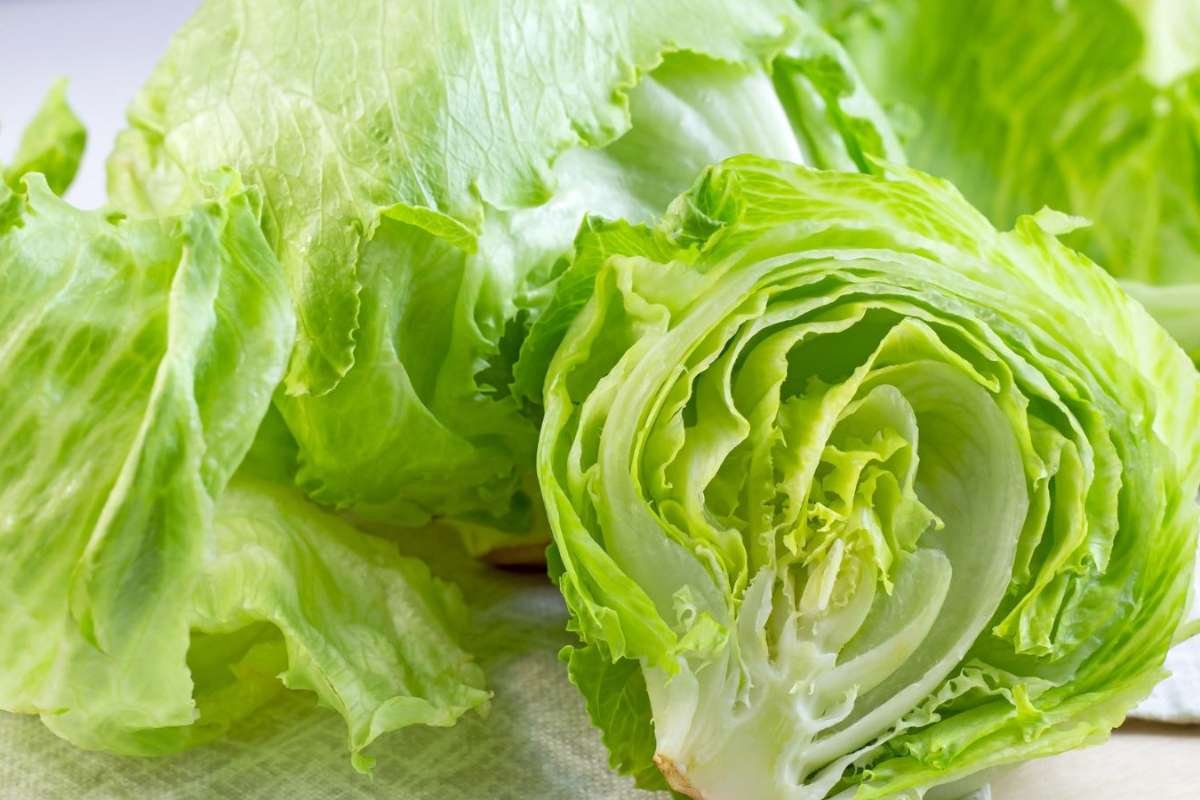
Federal investigators have identified shredded iceberg lettuce served at Taco Bell as a potential source of the nine-state outbreak after interviewing more than 1,900 people who became ill in June and July. Taco Bell has removed the affected lettuce from its supply chain.
Supplier Taylor Fresh Foods voluntarily recalled iceberg lettuce sourced from central Mexico and distributed to 27 states. The FDA advises consumers not to eat the recalled products and recommends asking restaurants about the source of their iceberg lettuce before ordering.
The CDC says additional brands, retailers, restaurants or distribution channels could be identified as investigations continue amid the Cyclospora Cases Surge.
“We anticipate continuing to see cases increase, possibly through the end of August,” said Gwen Biggerstaff, deputy director of the CDC’s Division of Foodborne, Waterborne and Environmental Diseases.
Michigan reports highest number of cases
The CDC has confirmed 6,707 cases and is investigating another 11,500 reported illnesses nationwide since May 1. Michigan has reported the highest case count, with 10,077 illnesses and 160 hospitalizations, according to the state’s health department, as the Cyclospora Cases Surge hits the Midwest hardest.
Ohio has reported more than 2,500 cases, while Indiana and Illinois are approaching 600 each. Missouri, New York and North Carolina have each reported more than 200 cases.
The Midwest outbreak now includes Indiana, Kentucky, Ohio, Michigan, West Virginia, Illinois, Kansas, Oklahoma and Pennsylvania. The FDA is also investigating five additional outbreaks elsewhere in the country.
“There may be multiple unrelated outbreaks going on at the same time,” said Donald Schaffner, a professor of food microbiology at Rutgers University.
Experts recommend recall awareness and safe food practices
Cyclosporiasis is caused by the microscopic parasite Cyclospora cayetanensis, which spreads through food or water contaminated with human feces. The illness commonly causes watery diarrhea, abdominal cramps, bloating, fatigue and loss of appetite. Although the infection can last for weeks if untreated, health experts say it is usually not life-threatening and can be treated with antibiotics.
Kali Kniel, a professor of microbial food safety at the University of Delaware, said people should seek medical care if symptoms develop because the illness is treatable and dehydration can become serious.
Health officials advise consumers to avoid recalled lettuce products, wash hands before handling produce, rinse fruits and vegetables under clean running water and cook foods when appropriate. They also note that washing produce alone may not eliminate the parasite.
Schaffner urged consumers not to avoid fresh produce altogether.
“Almost all servings of fresh fruits and vegetables that you can buy on the market today are not linked to this outbreak,” he said.
Federal investigators continue working to determine whether additional foods or water sources are contributing to the nationwide increase in cases, according to CDC’s cyclosporiasis surveillance data, updated weekly as the Cyclospora Cases Surge continues.