Key Takeaway:
- A Northern California resident was diagnosed with the rare tick-borne illness Rickettsia lanei, marking only the fourth confirmed case worldwide.
- The patient was hospitalized but has fully recovered; symptoms can include fever, headaches, rash, and serious complications if untreated.
- California health officials urge residents to use tick repellents and check for ticks regularly, especially during peak summer tick season.
A Northern California resident has recovered after being diagnosed in April with Rickettsia lanei, an extremely rare tick-borne bacterial illness confirmed in only four people worldwide, prompting California health officials to urge increased precautions against tick bites.
Health officials confirm fourth known global case
The California Department of Public Health, or CDPH, said the patient was hospitalised after contracting Rickettsia lanei, a bacterium linked to illnesses similar to Rocky Mountain spotted fever. The agency confirmed the diagnosis this month and said the individual has since recovered.
Officials did not disclose the patient’s home county, length of hospitalisation, or specific symptoms, citing privacy concerns. However, the agency confirmed the person lives and works in Northern California.
Health experts said Rickettsia lanei can cause fever, headaches, skin rashes commonly described as spots, and potentially severe complications if left untreated.
“This case highlights the importance of preventing tick bites and seeking medical attention if symptoms develop after a tick exposure,” state health officials said in a public advisory.
The illness remains one of the rarest tick-borne diseases identified in humans. According to CDPH, only four confirmed cases have been documented worldwide. Three of those cases occurred in California, including infections reported in 2004, 2023, and this year.
Experts urge residents to take tick precautions
Public health officials are encouraging Californians to take preventive measures, particularly during the summer when tick activity is at its highest.
Authorities recommend using tick repellents when spending time outdoors in wooded, grassy, or brush-covered areas. They also advise checking clothing, skin, and pets for ticks during outdoor activities and after returning indoors.
“Prevention remains the best defence against tick-borne illnesses,” health officials said. “People should remove ticks promptly and monitor for symptoms if they have been bitten.”
Experts noted that some tick species can transmit disease-causing bacteria shortly after attaching to a person or animal.
Also Read: New Hampshire Man’s Powassan Virus Case Raises Tick-Borne Disease Concerns
Multiple tick species can spread related diseases
Rickettsia lanei belongs to the spotted fever group of Rickettsia bacteria, which are spread through the bites of infected ticks.
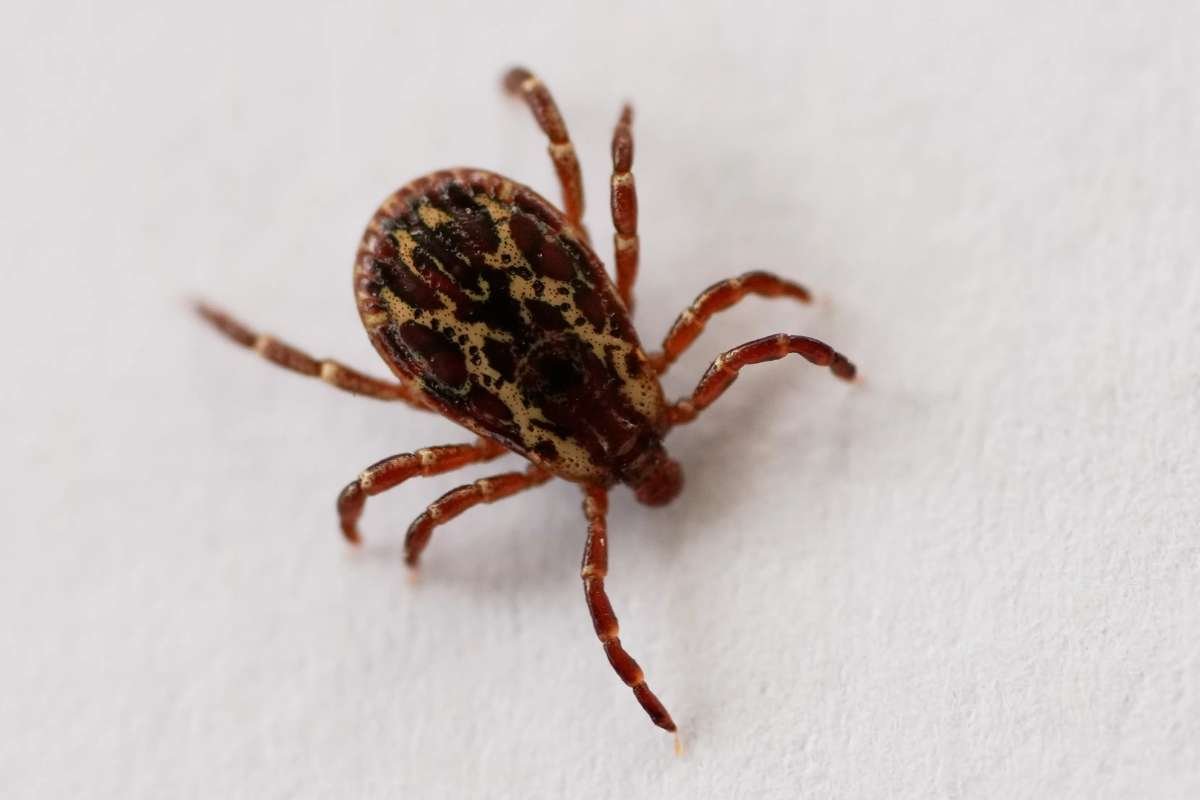
According to state health officials, three tick species in California can transmit bacteria that cause Rocky Mountain spotted fever in humans and dogs: the American dog tick, the Pacific Coast tick, and the brown dog tick.
The Pacific Coast tick is also responsible for transmitting Pacific Coast tick fever, another tick-borne illness found in the state.
Medical experts say awareness and early treatment are critical because symptoms of spotted fever-related illnesses can worsen if left untreated. While cases of Rickettsia lanei remain exceptionally rare, officials said the diagnosis serves as a reminder that tick-borne diseases continue to pose health risks in California.
State health authorities said they will continue monitoring tick-borne illnesses and educating residents about prevention measures as outdoor activity increases during warmer months.