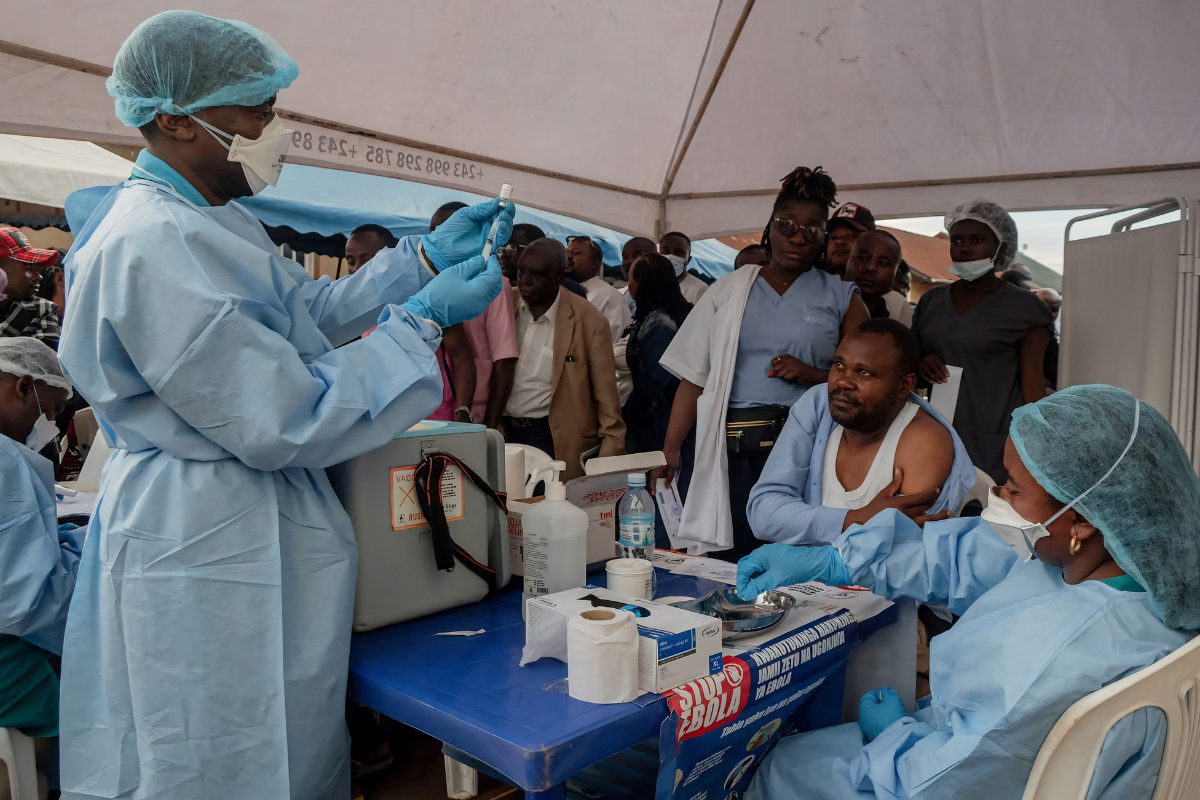
How to prevent heart disease starts with understanding your risk factors and taking action before symptoms appear. This guide explains how heart disease develops, the three levels of prevention, and the most important steps to protect your heart. You’ll learn how to assess your risk, track key health numbers, address overlooked factors like sleep and stress, and adapt prevention strategies at every stage of life.
Heart disease is still one of the leading causes of death worldwide, but many of its risk factors are preventable. The problem is that prevention starts long before symptoms appear. They can develop insidiously for decades: plaque buildup, high blood pressure, insulin resistance, and chronic inflammation.
Learning how to prevent heart disease is not about finding a magic food or exercise. It’s about evaluating your risk level today, focusing on the habits that matter most, and creating a plan you can follow to protect your heart for a lifetime.
Table of Contents
How to prevent heart disease: start by understanding your risk
To prevent heart disease, start by understanding your risk factors: family history, high blood pressure, abnormal cholesterol, diabetes, smoking, excess weight, low physical activity, and poor sleep.
The Heart Health Dashboard:
Track these five key numbers to know your heart status immediately:
| Number | What It Measures |
| Blood pressure | Heart strain & artery damage |
| LDL cholesterol | “Bad” cholesterol blocks the arteries. |
| HDL cholesterol | “Good” cholesterol-clearing fat |
| Blood sugar | Diabetes risk & artery inflammation |
| Waist circumference | Excess belly fat linked to heart risk |
Knowing these metrics helps you understand how to prevent heart disease by targeting what matters most. Ideal levels: blood pressure <120/80 mm Hg, LDL <100 mg/dL, HDL >40 mg/dL (men) or >50 mg/dL (women), blood sugar <100 mg/dL, and waist <40 inches (men) or <35 inches (women).
Why heart disease develop long before symptoms appear?

Heart disease starts quietly over decades, with atherosclerosis, or the buildup of fatty plaque in arteries, beginning long before symptoms appear. In layman’s terms, atherosclerosis is when your arteries get stiff and narrow from sticky cholesterol deposits.
How Plaque Forms and Arteries Narrow
- Plaque formation: Cholesterol (especially LDL) lodges in artery walls. Your body sends white blood cells to trap it, causing inflammation.
- Inflammation response: This triggers artery wall cells to multiply and form a fibrous cap over the cholesterol, creating hardened plaque.
- Artery narrowing: Over time, plaque builds up, making arteries narrower and less flexible, reducing oxygen-rich blood flow.
How Risk Factors Accelerate Damage
| Risk Factor | How It Damages Arteries |
| High blood pressure | Blood force damages artery walls, triggering inflammation and plaque buildup. |
| LDL cholesterol | Enters damaged artery walls, joins with other substances to form thick, hard deposits. |
| Smoking | Tobacco chemicals make artery walls sticky, accelerating plaque formation. |
| Diabetes | High blood sugar damages artery walls, worsening the entire process |
This slow process explains why prevention works: preventing risk factors early on prevents the original damage to the artery that starts plaque accumulation. You don’t see or feel atherosclerosis until it’s serious, but tracking your five key numbers lets you intervene before symptoms appear. The key to understanding how to prevent heart disease is these mechanisms.
The three levels of prevention explained:
Heart disease prevention happens in three distinct levels, each targeting a different stage of risk:
The Three Levels of Prevention
| Level | Goal | Key Examples |
| Primordial | Prevent risk factors from developing | Healthy childhood habits, lifelong physical activity |
| Primary | Prevent first heart attack or stroke | Blood pressure control, cholesterol management |
| Secondary | Prevent another cardiovascular event | Medication adherence, cardiac rehabilitation |
Primordial prevention starts early, preventing risk factors like smoking, high blood pressure, or obesity before they ever appear through healthy habits built in childhood.
Primary prevention targets people who have risk factors but haven’t had a heart event yet. Controlling blood pressure and managing cholesterol here stops the first heart attack or stroke.
Secondary prevention happens after someone already has heart disease. It focuses on preventing another event through strict medication adherence and cardiac rehabilitation programs.
Prevention by risk level: what matters most for you?
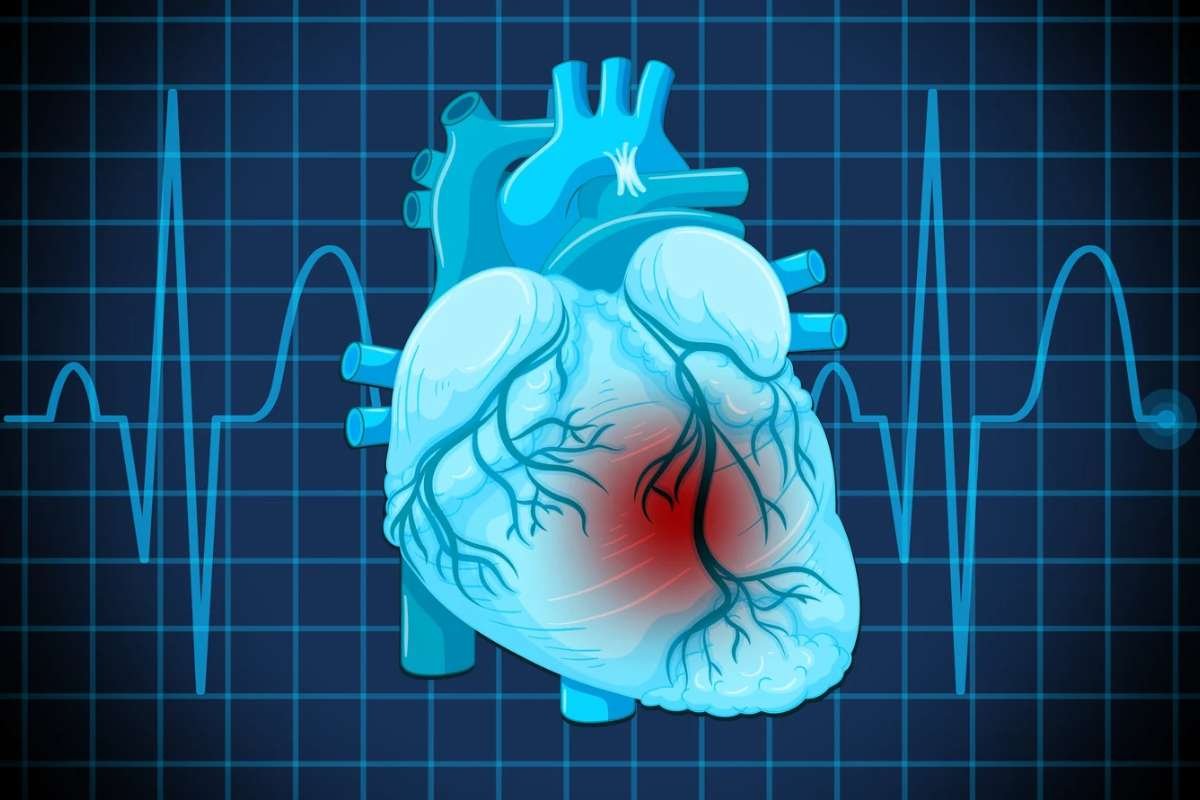
Your heart disease prevention strategy depends on your current risk level. Here’s what matters most for each profile:
Prevention by Risk Level
| Risk Level | Focus | Key Actions |
| Low Risk | Healthy habits + Regular screening | Eat a balanced diet, exercise 2.5 hrs/week, and check blood pressure/cholesterol every 4-6 years. |
| Moderate Risk | Weight management + Cholesterol monitoring | Maintain a healthy weight, limit saturated fats, and get cholesterol checked every 1-4 years. |
| High Risk | Aggressive risk reduction + Medical supervision | Control blood pressure (<135/85), manage diabetes, take prescribed medications, and see doctor regularly. |
| Existing Heart Disease | Secondary prevention | Adhere to medications, attend cardiac rehab, and prevent another event |
- Low Risk: You have no major risk factors. Focus on maintaining healthy habits like regular physical activity and a balanced diet, while screening periodically to catch issues early.
- Moderate Risk: You have 1-2 risk factors (elevated cholesterol, slightly high blood pressure). Weight management and cholesterol monitoring become priorities to prevent progression.
- High Risk: You have multiple risk factors or diabetes. Requires aggressive intervention, medical supervision, medication, and strict control of blood pressure and blood sugar.
- Existing Heart Disease: Prevention shifts to stopping another event. Medication adherence and cardiac rehabilitation are critical for secondary prevention.
Understanding your risk level personalizes how to prevent heart disease for your situation.
Beyond diet and exercise: overlooked factors that affect heart health
Beyond diet and exercise, several overlooked factors significantly impact heart health that most people ignore.
Sleep
The American Heart Association now includes sleep as a heart health essential. Getting 7-9 hours nightly reduces inflammation, while consistently sleeping less than 7 hours increases the risk of high cholesterol, high blood pressure, and diabetes. These are all major heart disease triggers. Poor sleep can cause these cardiovascular risk factors directly.
Chronic stress
Long-term stress increases heart rate and blood pressure, making your heart work harder. Stress hormones like cortisol damage arteries and can lead to heart attack, heart failure, and stroke. Stress also contributes to smoking, overeating, and lack of exercise. Prolonged stress exposure increases long-term risks of heart disease.
Oral health
Gum disease triggers cardiovascular problems; people with gum disease are 28% more likely to suffer a heart attack. Tooth decay and oral infections in childhood can contribute to atherosclerosis (clogged arteries) in adulthood. Poor oral health correlates with higher rates of heart attack and stroke.
Sedentary time
Even with exercise, sitting more than 10.6 hours daily increases heart failure risk by up to 60%. Being sedentary raises the risk of all four types of heart disease. A sedentary lifestyle is strongly associated with cardiovascular disease and premature mortality.
Social connection
Strong social bonds reduce heart disease risk while isolation increases it. Regular connection with others lowers stress and inflammation.
Prevention at every age:
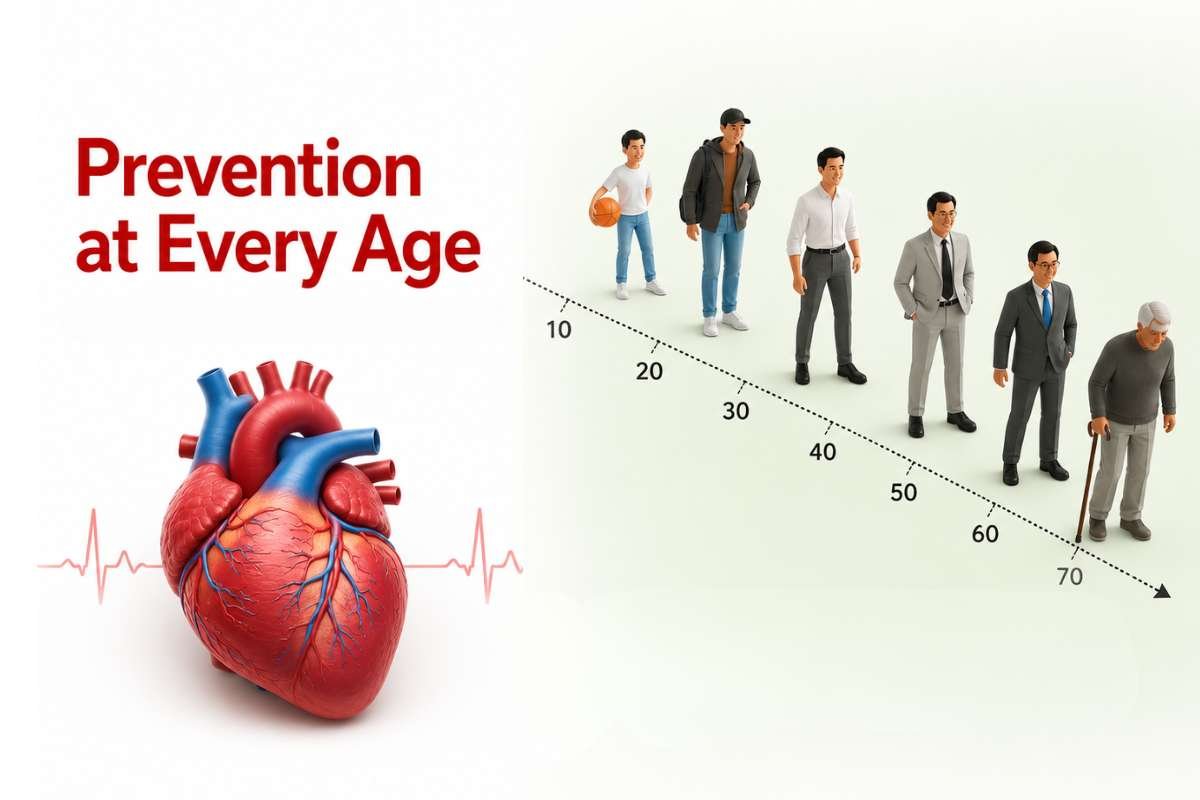
Heart disease prevention priorities shift as you age. Understanding these changes helps you focus on what matters most at each life stage.
1. In your 20s and 30s: build habits
This is when you lay the foundation. Focus on establishing lifelong healthy habits: eat a balanced diet, exercise regularly (at least 2.5 hours per week), avoid smoking, maintain a healthy weight, and get quality sleep. These early choices prevent risk factors from developing in the first place; this is primordial prevention. Building strong habits now is the most powerful way on how to prevent heart disease decades later.
2. In your 40s and 50s: monitor risk markers
Risk factors start appearing in midlife. Now you need to track your five key numbers: blood pressure, LDL cholesterol, HDL cholesterol, blood sugar, and waist circumference. Check blood pressure and cholesterol every 1-4 years, and screen for diabetes if you have risk factors. If markers are elevated, take action immediately through lifestyle changes or medications. This is primary prevention, stopping the first heart attack or stroke before it happens.
3. In your 60s and beyond: prevent complications and maintain function
Prevention shifts to managing existing conditions and maintaining quality of life. Control blood pressure, cholesterol, and diabetes aggressively. Take medications as prescribed, attend regular check-ups, stay physically active to maintain mobility, and prevent falls. If you already have heart disease, this is secondary prevention, preventing another cardiovascular event through cardiac rehabilitation and strict medication adherence. Focus on staying functional and independent while managing heart health.
Each age group has different priorities, but prevention works at every stage. Start early, monitor regularly, and adapt as you age.
Conclusion:
Heart disease prevention isn’t about perfection. It’s about starting today with what matters most for you. Whether you’re building habits in your 20s, monitoring risk markers in your 40s, or preventing complications in your 60s, the key is understanding your risk level and acting consistently. By tracking your five key numbers, managing overlooked factors like sleep and stress, and following the right prevention level for your situation. You create a plan that protects your heart for a lifetime. Learn how to prevent heart disease and take control of your heart health now.
Schedule a check-up this week to measure your blood pressure, cholesterol, and blood sugar, then create a simple action plan based on your results.
FAQ:
1. What are 5 ways to prevent heart disease?
Preventing heart disease requires building a few sustainable daily habits. The five most effective methods are eating a balanced diet, exercising regularly, maintaining a healthy weight, avoiding tobacco, and managing stress.
2. How can I make my heart strong again?
Making your heart stronger involves combining regular physical activity, a nutrient-rich diet, and targeted lifestyle adjustments.
3. Can heart disease be prevented?
Most instances of CVD can be prevented by addressing risk factors before they create health problems.
3. What foods prevent heart disease?
To prevent heart disease, focus on an overall dietary pattern rich in whole foods. Prioritize vegetables, fruits, whole grains, and lean proteins like fish and legumes.
4. Why do the Japanese have less heart disease?
The Japanese population enjoys significantly lower rates of heart disease primarily due to their traditional diet rich in omega-3 fatty acids from fish, antioxidants from green tea, and soy.
Links and Sources:
- https://www.heart.org/en/health-topics/heart-attack/life-after-a-heart-attack/lifestyle-changes-for-heart-attack-prevention
- https://pmc.ncbi.nlm.nih.gov/articles/PMC7700832
- https://www.uclahealth.org/news/article/why-sleep-good-your-heart
- https://www.cdc.gov/heart-disease/prevention/index.html
- https://www.iwh.on.ca/what-researchers-mean-by/primary-secondary-and-tertiary-prevention
- https://www.nhlbi.nih.gov/health/atherosclerosis
- https://www.heart.org/en/health-topics/reduce-your-risk
- https://www.bhf.org.uk/informationsupport/heart-matters-magazine/medical/blocked-arteries