Healthy Heart means more than avoiding heart disease. It involves daily habits that support blood flow, blood pressure, cholesterol, sleep, and overall wellness. This guide explains how the heart works, the best foods and exercises for heart health, major risk factors, warning signs, medications, supplements, and simple lifestyle changes that may help protect the heart at every age.
Table of Contents
A healthy heart helps your whole body work the way it should. Your heart moves blood, oxygen, and nutrients every second of the day. When the heart stays strong, you may feel more active, sleep better, and lower your risk of serious health problems later in life.
Many people think heart problems only affect older adults. That is not true. Poor food choices, stress, smoking, lack of exercise, and poor sleep can affect heart health at any age. The good news is that small daily habits can make a big difference over time.
This guide explains how the heart works, what foods support heart health, how exercise helps, warning signs to watch for, and simple ways to lower the risk of heart disease.
What does “Heart health” actually mean?
It refers to the heart that can pump blood through the body the right way. Blood carries oxygen and nutrients to your brain, muscles, and organs every second of the day.
Good heart health supports normal blood pressure, healthy circulation, and balanced cholesterol levels. When arteries stay clear, blood can move easily through the body. Poor heart health can increase the risk of heart attack, stroke, and other serious problems.
Heart disease often develops slowly. Many people do not notice symptoms for years because damage can happen silently over time. That is why daily habits like healthy eating, exercise, sleep, and regular checkups matter.
What is a healthy heart?
A heart that pumps blood properly, keeps oxygen moving through the body, and supports normal blood pressure and circulation is considered healthy.
Here are the five pillars of a healthy heart lifestyle
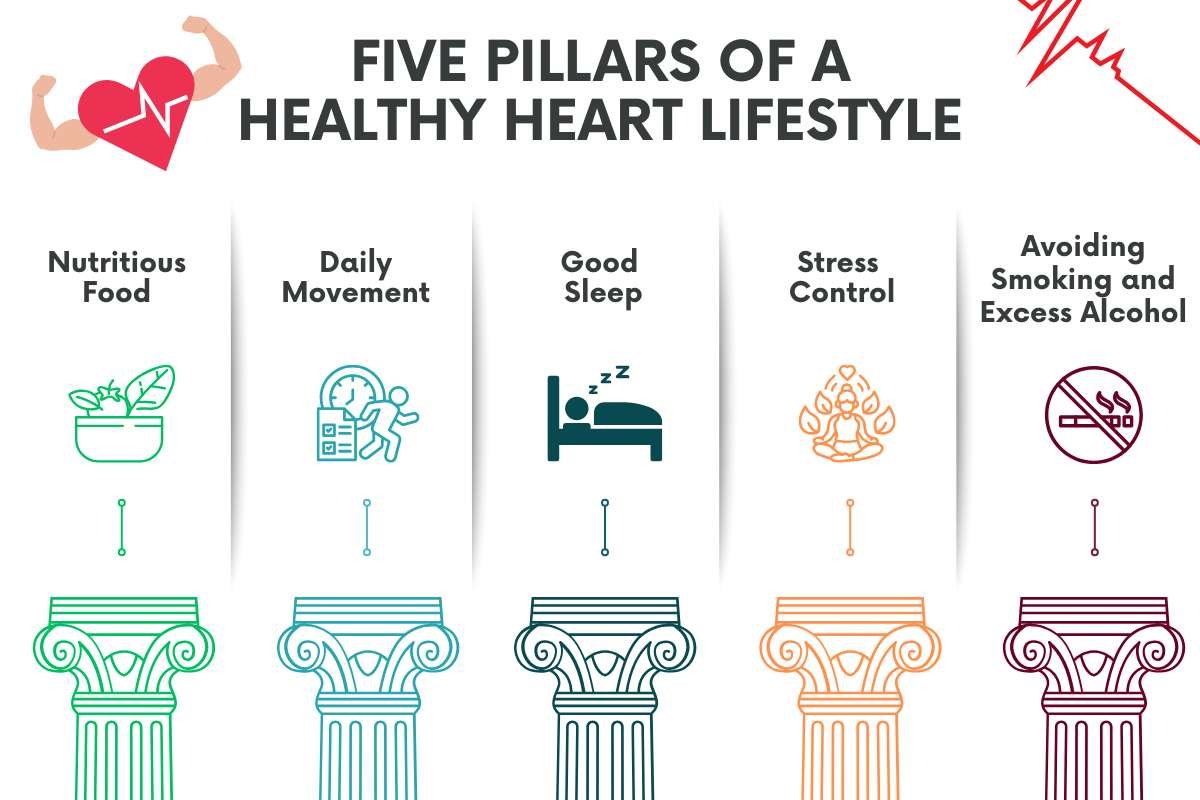
Simple daily habits play a major role in long-term heart health. Small choices each day can help protect the heart, improve circulation, and lower the risk of disease over time.
1. Nutritious Food: Foods like fruits, vegetables, whole grains, beans, nuts, and fish help support heart health. Try to limit fried foods, sugary drinks, and heavily processed snacks. A balanced diet may also help control cholesterol, blood pressure, and body weight.
2. Daily Movement: Regular movement helps blood flow better and supports healthy blood pressure. Walking, cycling, swimming, and light exercise all help. Staying active may also improve energy levels and support better circulation over time.
3. Good Sleep: Sleep gives the body time to recover. Poor sleep may raise stress levels and affect blood pressure. Getting enough rest may also help support mood, focus, and overall heart health.
4. Stress Control: Long-term stress can put extra strain on the heart. Deep breathing, exercise, hobbies, and rest may help. Managing stress may also support healthier sleep, blood pressure levels, and a healthy heart over time.
5. Avoiding Smoking and Excess Alcohol: Smoking damages blood vessels. Too much alcohol may also increase blood pressure and risk of heart disease. Avoiding these habits may help protect circulation and lower strain on the heart.
Small habits matter
Heart health is not only about major lifestyle changes. Small daily habits can also support blood pressure, circulation, and healthier eating patterns over time.
- Walk after meals
- Cook more meals at home
- Check blood pressure once a year
These small actions may seem simple, but doing them consistently over time can help support better heart health and lower disease risk.
| Healthy Habit | How Does it Help the Heart? |
| Walking daily | Improves circulation |
| Eating vegetables | Supports blood vessels |
| Sleeping well | Helps blood pressure |
| Drinking less soda | Reduces sugar intake |
| Managing stress | Lowers strain on the heart |
How does diet affect heart health?
Good nutrition plays a major role in heart health. The foods you eat can affect blood pressure, cholesterol, blood sugar, and body weight over time.
Foods rich in fiber may help lower bad cholesterol levels. Healthy fats from fish, nuts, seeds, and olive oil can support the heart. Unhealthy fats from fried and heavily processed foods may raise heart disease risk. The World Health Organization says trans fat intake is linked to more than 500,000 premature deaths from coronary heart disease each year worldwide.
Too much salt may increase blood pressure. Too much added sugar may raise the risk of obesity, diabetes, and heart problems. Drinking enough water also helps the body work properly and supports a healthy heart.
Foods to include
Some foods give the heart important nutrients that support healthy blood flow, cholesterol levels, and blood pressure. Try to add more of these foods to your daily meals:
- Fruits
- Vegetables
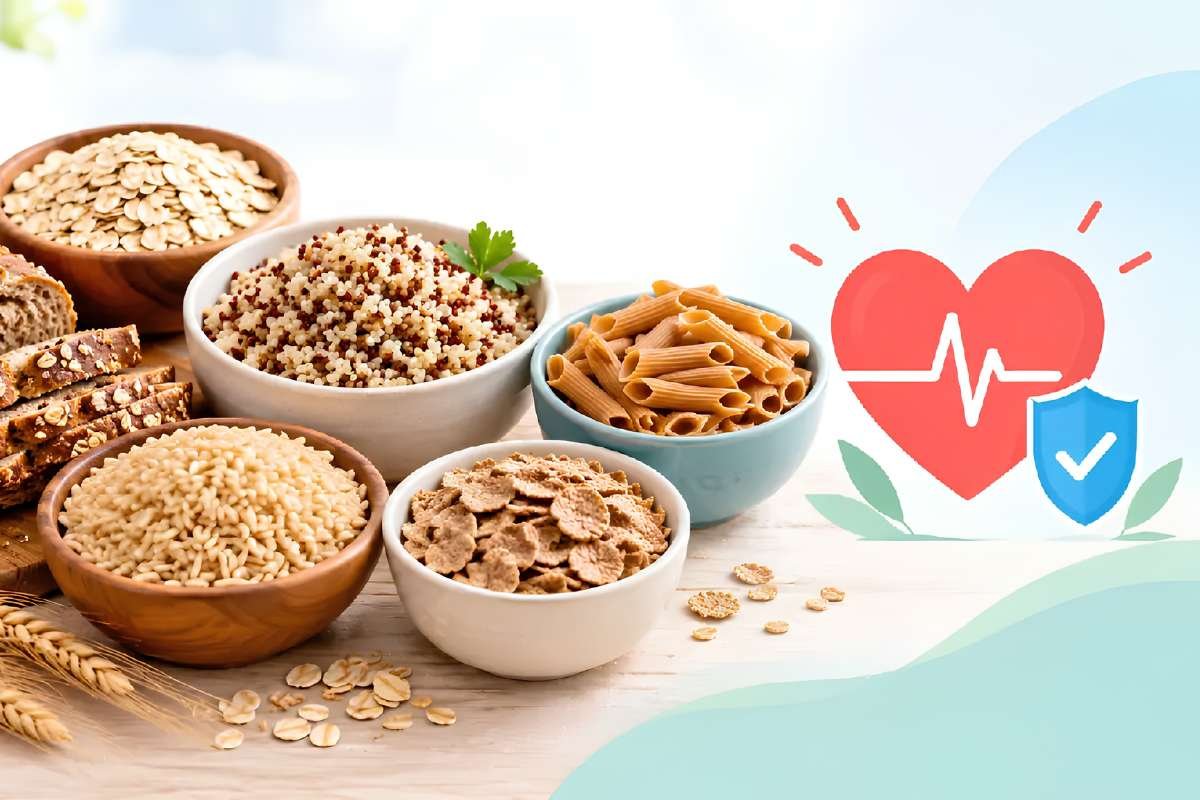
- Whole grains
- Beans
- Nuts
- Fish
- Olive oil
Eating a mix of these foods regularly may help support long-term heart health and lower the risk of heart disease.
Foods to limit
Some foods contain high amounts of unhealthy fats, salt, or added sugar. Eating them too often may increase the risk of high blood pressure, high cholesterol, and weight gain.
- Processed meat
- Fried foods
- Sugary drinks
- Packaged snacks
- Excess salt
You do not need to avoid these foods completely, but limiting them can help protect the heart over time.
Replacements for Unhealthy Food
Making small food swaps can help lower salt, added sugar, and unhealthy fat intake without completely changing the way you eat. Over time, these simple replacements may support better cholesterol levels, blood pressure, and overall heart health.
| Replaceable Food | Better for the Heart | Why It May Help You? |
| White bread | Whole-grain bread | Adds more fiber and nutrients |
| Chips | Unsalted nuts | Provides healthier fats and less salt |
| Soda | Water | Reduces added sugar intake |
| Fried chicken | Grilled chicken | Contains less unhealthy fat |
| Processed meat | Fresh lean meat or beans | May contain less sodium and saturated fat |
| Sugary cereal | Oatmeal | Helps support healthy cholesterol levels |
| Ice cream | Plain yogurt with fruit | Often lower in added sugar |
| Butter | Olive oil | Contains healthier fats for the heart |
What foods help a healthy heart?
Foods with fiber, healthy fats, vitamins, and minerals can help support heart health. Good choices include fruits, vegetables, whole grains, beans, nuts, fish, and olive oil.
These foods may help control cholesterol, support healthy blood pressure, and improve blood flow. Drinking water instead of sugary drinks may also help protect the heart over time.
How to keep your heart strong with exercise?
A healthy heart gets stronger when the body stays active. Regular movement helps improve blood flow, supports healthy blood pressure, and may lower the risk of heart disease.
Cardio exercises make the heart work harder in a healthy way. These activities include walking, cycling, swimming, and dancing. They help improve circulation and support heart and lung health.
Strength training also helps the body. Building muscle may support metabolism, balance, and healthy weight management. Stretching and flexibility exercises can improve movement and reduce stiffness.
Beginner activities for heart health
If you are starting slowly, these activities are good options:
- Walking
- Cycling
- Swimming
- Dancing
- Light strength exercises
Adults should aim for at least 150 minutes of moderate physical activity each week. Even short daily walks can help over time.
Sitting too long can still affect the heart
Exercise is important, but sitting for long periods may still affect circulation and overall health. Try to stand up, stretch, or walk around during the day, especially if you sit extensively during work or school.
What is the best exercise for heart health?
Walking, cycling, swimming, and other regular aerobic exercises help strengthen the heart, improve circulation, and support a healthy heart over time.
What can you do to prevent heart disease?
A heart is easier to protect than to repair later. Many cases of heart disease are linked to daily habits, which means small lifestyle changes can make a big difference over time.
Preventive care starts with regular health checks. Blood pressure and cholesterol tests can help find problems early, often before symptoms appear. Managing diabetes is also important because high blood sugar can damage blood vessels and the heart. Keeping a healthy weight may help lower strain on the body as well.
Smoking is one of the biggest risks for heart disease. It damages blood vessels, affects circulation, and raises the risk of heart attack and stroke even in a healthy heart.
Health factors linked to heart disease
Keeping track of important health factors can help you understand your heart health and spot problems early. Blood pressure, cholesterol, blood sugar, and waist size all play a role in heart disease risk.
According to the World Health Organization, high blood pressure affects an estimated 1.4 billion adults worldwide and is one of the leading causes of heart disease and stroke. High cholesterol and blood sugar may also damage blood vessels over time, while a larger waist size is linked with a higher risk of heart problems.
Daily habits that help prevent heart disease
Simple habits can protect the heart over time and lower the risk of serious health problems.
| Habit | How Does It Help the Heart? |
| Stop smoking | Protects blood vessels and circulation |
| Move daily | Supports blood flow and blood pressure |
| Eat less processed food | May help control cholesterol and weight |
| Sleep enough | Helps the body recover and manage stress |
| Reduce stress | Lowers strain on the heart |
| Visit a doctor regularly | Helps find problems early |
Types of heart disease and cardiovascular conditions
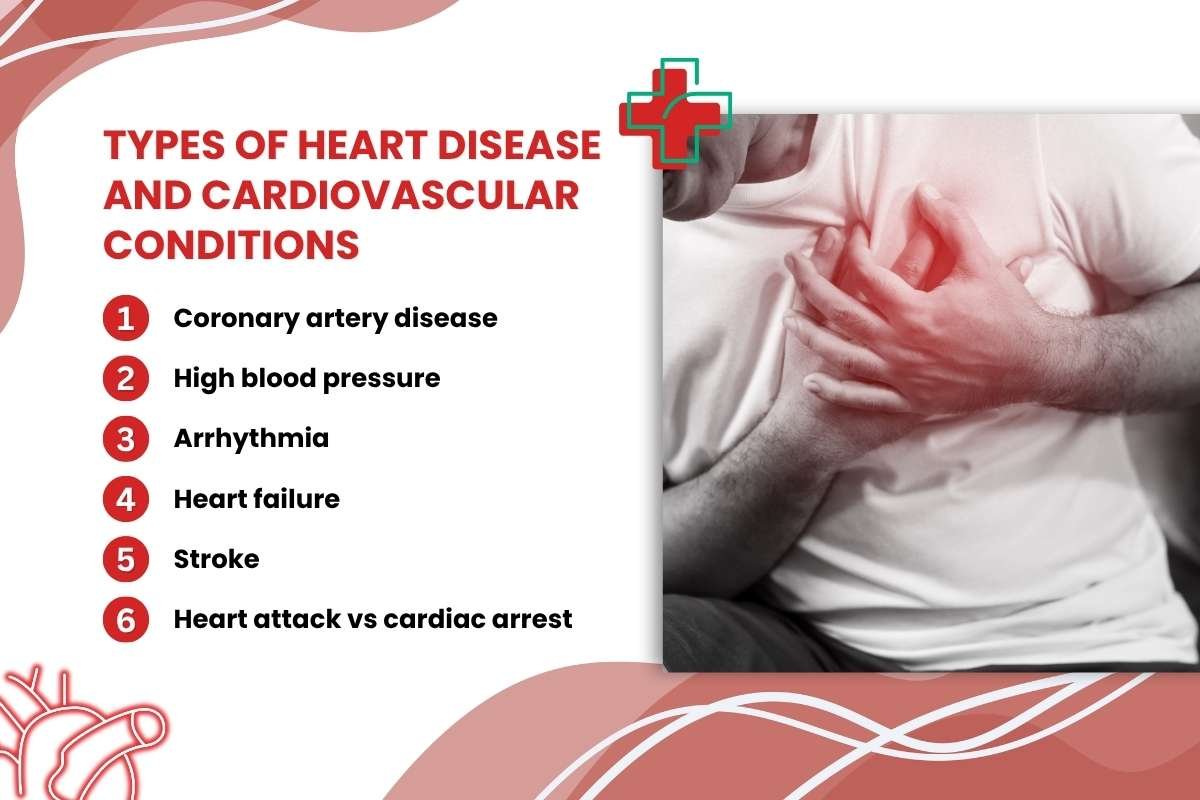
A healthy heart can be affected by different diseases and circulation problems. Some conditions develop slowly over time, while others can happen suddenly and need emergency care.
| Condition | What Happens |
| Heart attack | Blood flow to part of the heart becomes blocked |
| Heart failure | The heart becomes too weak to pump blood well |
| Arrhythmia | The heart beats too fast, too slow, or unevenly |
| Stroke | Blood supply to part of the brain gets blocked or reduced |
- Coronary artery disease: Plaque builds up inside the arteries and makes it harder for blood and oxygen to reach the heart. This may cause chest pain or heart attacks.
- High blood pressure: Blood pushes too hard against artery walls for a long time, which can damage the heart and blood vessels.
- Arrhythmia: The heart beats too fast, too slow, or unevenly, which may affect how well blood moves through the body.
- Heart failure: The heart becomes weaker over time and cannot pump enough blood to meet the body’s needs.
- Stroke: Blood supply to part of the brain gets blocked or reduced, which can damage brain cells within minutes.
- Heart attack vs cardiac arrest: A heart attack happens when blood flow to the heart is blocked. Cardiac arrest happens when the heart suddenly stops beating properly and needs emergency help right away.
The connection between sleep and heart disease
A healthy heart depends on good sleep just as much as healthy food and exercise. Sleep helps the body recover, manage stress hormones, and support healthy blood pressure levels.
Poor sleep over time may increase the risk of high blood pressure, weight gain, and heart disease. Sleep problems can also affect energy, mood, and concentration during the day.
Sleep apnea and heart disease
Sleep apnea is a sleep disorder where breathing repeatedly stops and starts during the night. These pauses can lower oxygen levels and force the heart to work harder than normal. Over time, untreated sleep apnea may increase the risk of high blood pressure, irregular heartbeat, heart disease, and stroke. Many people may not realize they have it because it happens during sleep.
Common warning signs include:
- Loud snoring
- Daytime tiredness
- Pauses in breathing during sleep
Simple Sleep Habits That Help
Small daily habits may improve sleep quality and support better heart health over time.
- Keep a regular sleep schedule
- Reduce screen time before bed
- Avoid heavy meals late at night
These habits may help the body rest properly, manage stress hormones, and support healthy blood pressure levels.
Here are the risk factors for heart disease
Heart disease risk factors come from both lifestyle habits and personal health history. Some risks are linked to smoking, poor diet, stress, or lack of exercise, while others are connected to age, family history, or certain medical conditions.
1. Risk factors you can control
Smoking damages blood vessels and reduces oxygen flow in the body. A poor diet high in salt, sugar, and unhealthy fats may raise cholesterol and blood pressure over time. Lack of exercise may weaken the heart and affect circulation, while obesity can increase strain on the heart and raise the risk of diabetes and high blood pressure. Long-term stress and uncontrolled high blood pressure may also damage the heart and arteries.
2. Risk factors you cannot control
Even people who try to maintain a healthy heart may still face some risks they cannot control. Age is one factor because heart disease risk often increases over time. Family history also matters, especially if close relatives have had heart problems. Certain medical conditions, including diabetes and kidney disease, may raise the risk as well.
3. Hidden risks people often ignore
Poor sleep, chronic stress, and sitting all day are common risks people often overlook. Over time, these habits may affect circulation, blood pressure, and overall heart health.
4. What increases the risk of heart disease?
Smoking, high blood pressure, diabetes, obesity, poor diet, and lack of exercise are major risk factors for heart disease.
Heart health through every stage of life
Heart health is important during childhood, adulthood, and older age. Many heart problems develop slowly over time, so daily habits like eating well, staying active, and sleeping enough may help protect a healthy heart later in life.
| Age Group | Heart Health Focus |
| Children and Teens | Physical activity and less sugary food |
| Adults | Stress management and regular checkups |
| Older Adults | Monitoring blood pressure and staying active safely |
Children and teens
Physical activity helps support heart health, healthy growth, and good circulation in young people. Eating less sugary food and drinking fewer sugary drinks may also help lower the risk of obesity and future heart problems.
Adults
Busy schedules, stress, poor sleep, and unhealthy eating habits may affect heart health during adulthood. Managing stress, staying active, and getting regular health checkups can help find problems early and lower long-term risk.
Older adults
As people age, the risk of heart disease often increases. Monitoring blood pressure, taking medications correctly, and staying active safely may help support better heart health and daily movement.
What to know about heart health supplements?

Certain supplements may help support cholesterol levels, blood flow, and overall heart health, especially when a person does not get enough nutrients from food through their regular diet. Some people use supplements to support specific health needs, but they should still be combined with healthy eating, exercise, good sleep, and regular medical care.
- Omega-3 fatty acids: May support heart and blood vessel health by helping reduce inflammation and supporting healthy triglyceride levels.
- Fiber supplements: May help lower bad cholesterol levels and support better digestion.
- Plant sterols: Often used to help reduce the amount of cholesterol the body absorbs.
- Magnesium: Helps support normal muscle and nerve function, including healthy heartbeat regulation.
Important things to know
Supplements are not replacements for healthy food, exercise, sleep, or medical care. Some supplements may also interact with blood thinners, blood pressure medicine, or other medications. It is important to speak with a doctor before starting any supplement.
“Natural” does not always mean safe
Many people assume natural products are always harmless, but that is not always true. Some supplements may cause side effects, affect medications, or be unsafe in large amounts.
Medications for the heart
Some people may need heart medications along with healthy lifestyle habits to help control blood pressure, lower cholesterol, improve blood flow, or reduce the risk of heart attack and stroke.
Blood pressure medicines help reduce strain on the heart and arteries. Cholesterol medicines may lower bad cholesterol levels and help prevent plaque buildup inside blood vessels. Blood thinners are used to reduce the risk of dangerous blood clots in some people with heart disease or circulation problems.
It is important to take heart medication exactly as prescribed. Missing doses or taking the wrong amount may increase health risks and make it harder to maintain a healthy heart over time.
Never stop medication without medical advice
Some heart medicines must be reduced slowly or replaced carefully. Stopping medication suddenly may lead to serious problems like high blood pressure, chest pain, or a heart attack. Always speak with a doctor before making changes.
Even with medication, healthy habits still matter. Exercise, healthy eating, good sleep, stress control, and avoiding smoking can help medications work better and support long-term heart health.
When to see a cardiologist?
A healthy heart should not be ignored when warning signs appear. Some symptoms may point to heart or circulation problems and should be checked by a doctor. In many cases, early treatment may help prevent more serious health issues later. People with ongoing symptoms or major heart disease risk factors may also benefit from regular heart checkups and testing.
You should consider seeing a cardiologist if you notice:
- Chest pain
- Shortness of breath
- Dizziness
- Fast or irregular heartbeat
- Swelling in the legs
- Extreme fatigue
People with high blood pressure, diabetes, high cholesterol, or a family history of heart disease may also benefit from regular heart checkups.
Do not ignore these emergency signs
Some heart and circulation symptoms may need immediate medical help because they can point to a heart attack or stroke. Getting treatment quickly may lower the risk of serious damage.
Watch for these warning signs:
- Chest pressure, tightness, or pain that does not go away
- Pain spreading to the arm, back, neck, shoulder, or jaw
- Sudden trouble speaking or understanding words
- Sudden weakness, numbness, or trouble moving one side of the body
- Severe shortness of breath or sudden dizziness
If these symptoms appear suddenly or feel severe, seek emergency medical care right away.
When should you see a heart doctor?
You should see a cardiologist if you have symptoms such as chest pain, shortness of breath, dizziness, leg swelling, or a fast or irregular heartbeat. People with high blood pressure, diabetes, high cholesterol, smoking habits, or a family history of heart disease may also need regular heart checkups to help find problems early.
Your personal heart health action plan

A healthy heart is not built from one perfect workout or one healthy meal. It comes from everyday choices that slowly add up over time. These habits can make a real difference when done consistently.
A 7-step heart health plan for you
| Step | Daily Action | How It Helps the Heart |
| 1 | Walk for 30 minutes daily | Supports circulation and heart strength |
| 2 | Eat vegetables with every meal | Provides fiber, vitamins, and minerals |
| 3 | Sleep 7–9 hours each night | Helps with blood pressure and recovery |
| 4 | Drink more water | Supports overall body function and circulation |
| 5 | Stop smoking | Protects blood vessels and oxygen flow |
| 6 | Check blood pressure regularly | Helps detect problems early |
| 7 | Schedule yearly health exams | Supports early diagnosis and prevention |
Start small and stay consistent
Many people try extreme diets or fitness plans that only last a few days. In most cases, one small habit done daily works better than major changes that quickly stop. Even simple actions like walking more, drinking less soda, or sleeping earlier may help support heart health over time.
A healthy heart is built through daily choices, not quick fixes. These small habits repeated over time can protect the heart, improve energy, and lower the risk of serious disease.
Frequently asked questions
1. Does drinking water help the heart?
Water helps the body maintain healthy blood flow and circulation, which are important for a healthy heart. Not drinking enough water may make the heart work harder, especially during hot weather or physical activity.
2. Can young adults get heart disease?
Yes. Heart disease can start developing early in life due to smoking, poor diet, lack of exercise, obesity, or untreated high blood pressure. Many risk factors build slowly over time.
3. Can you improve heart health after years of unhealthy habits?
Yes. It is possible to support a healthy heart by making better lifestyle choices over time. Quitting smoking, eating healthier foods, staying active, managing stress, and getting regular checkups may help lower heart disease risk, even if unhealthy habits started years earlier