Key Takeaway:
- U.S. measles cases have reached a 35-year high, driven largely by declining vaccination rates and sustained domestic outbreaks.
- Utah’s outbreak has lasted more than one year, putting the U.S. at risk of losing its measles elimination status for the first time in about 25 years.
- Doctors and health experts urge vaccination as measles hospitalizations, deaths and serious complications continue to rise.
The United States has recorded its highest measles case count in 35 years as a prolonged outbreak in Utah threatens the nation’s measles elimination status, prompting health officials and pediatricians to warn that declining vaccination rates are driving sustained transmission.
The United States is on track to lose its measles elimination status as U.S. measles cases climb, after a Utah outbreak continued for more than one year, a key threshold used to determine whether the disease remains eliminated as a public health threat.
Health officials report that confirmed U.S. measles cases have reached a 35-year high by July, surpassing levels not seen since the early 1990s. Combined case totals from 2025 and 2026 now exceed the total reported during the previous 25 years, with most infections linked to domestic outbreaks in communities with lower vaccination coverage.
Nearly 400 people have been hospitalized with measles across the two-year period. Three people have died, and at least three others developed brain swelling that resulted in lingering health effects, according to available public health data.
Utah outbreak extends beyond one-year threshold
The Utah outbreak began in June 2025 and has continued beyond one year, making it the first outbreak in about 25 years to jeopardize the country’s elimination designation. Under international standards, countries maintain elimination status when sustained local transmission does not continue for 12 months or longer.
A Centers for Disease Control and Prevention scientist familiar with the agency’s ongoing measles review said continuous transmission has likely occurred during the past year.
“I don’t think we could say with a straight face that there hasn’t been transmission over the past 12 months,” the scientist said. The researcher requested anonymity because of concerns about retaliation.
The CDC is expected to complete a nationwide review this month covering U.S. measles cases collected between January 2025 and June 2026. The findings will be reviewed by a national committee of measles specialists before being submitted to the Pan American Health Organization, which evaluates measles elimination status across the Americas.
Pediatricians report rising fear among families
Pediatricians treating patients in Utah say they are seeing the effects of growing vaccine hesitancy as preventable illnesses return.
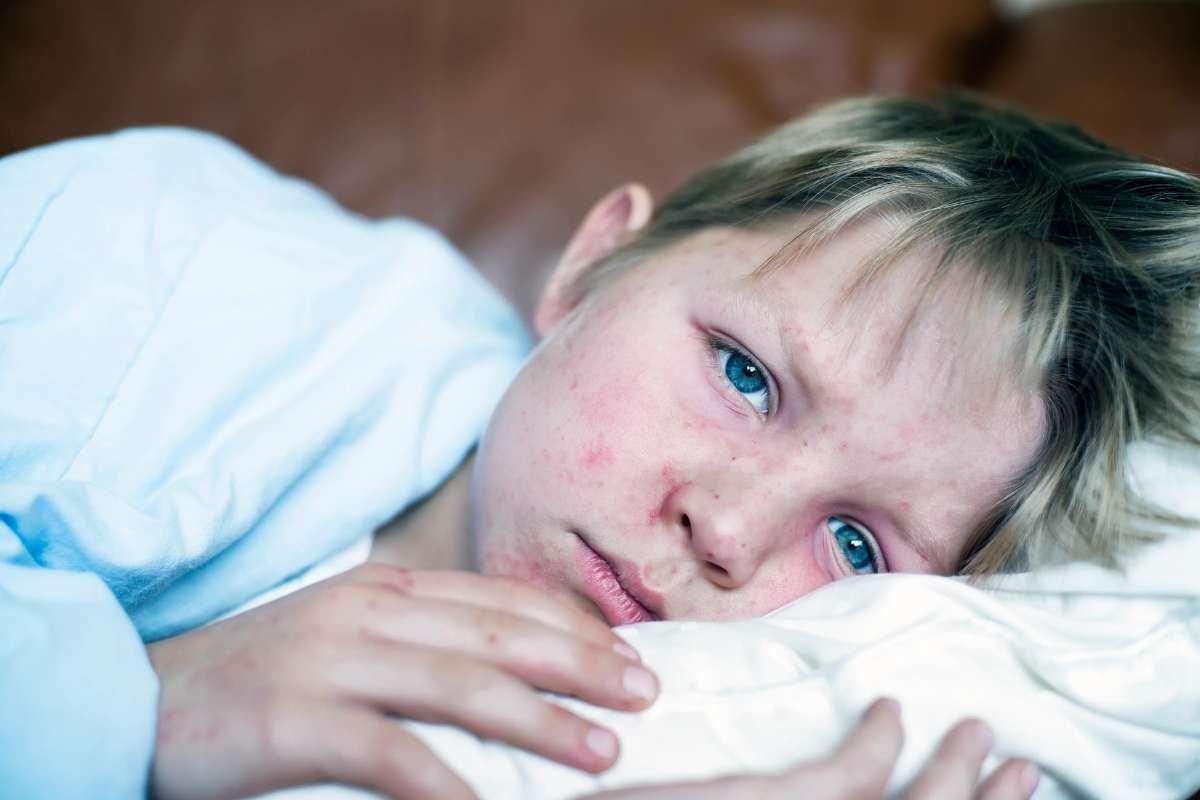
Doctors interviewed from the outbreak area described caring for frightened children and families while urging eligible people to receive recommended vaccinations. They said measles can spread rapidly and may lead to severe complications, particularly among infants and people with weakened immune systems.
Anne Schuchat, former director of the CDC’s immunization and respiratory disease programs, said the country’s current situation reflects a broader public health challenge.
“It’s just so sad, because some people will get brutally ill,” Schuchat said. “This is a wake-up call.”
Health officials stress vaccination remains key protection
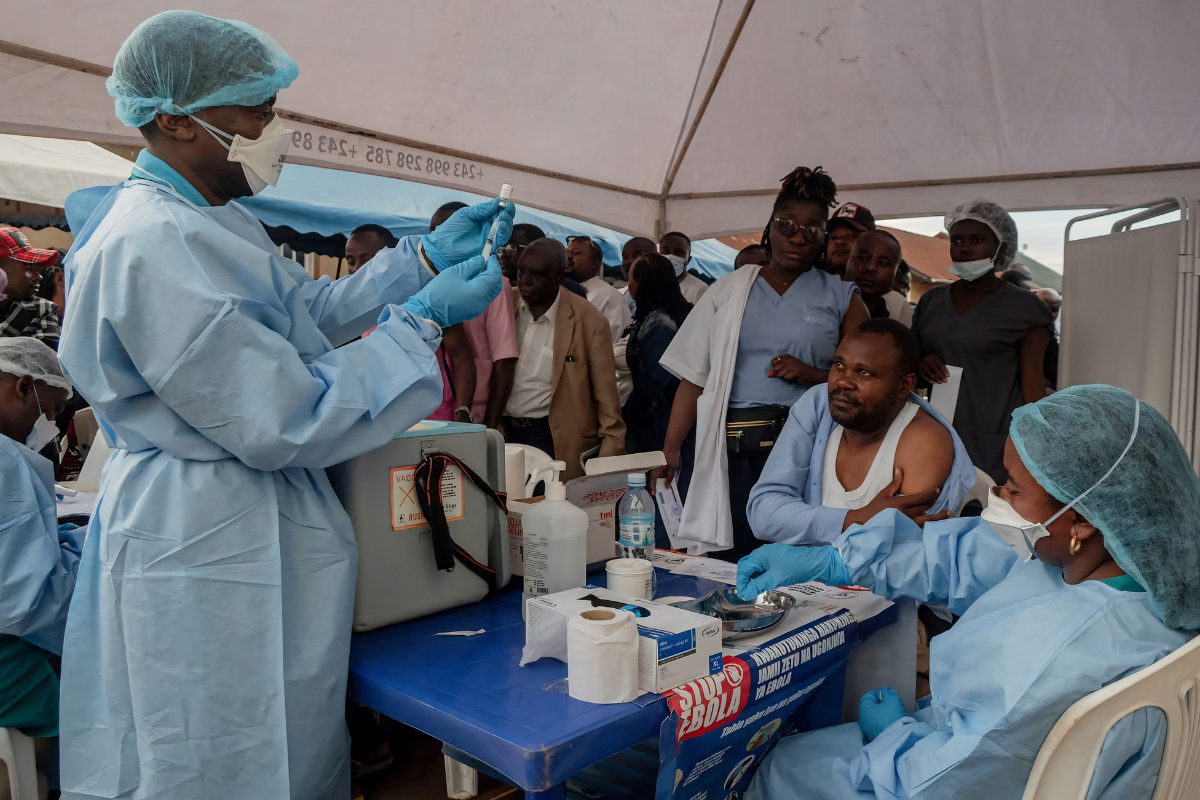
Public health experts continue to identify vaccination as the most effective way to prevent measles outbreaks and reduce severe illness. They say maintaining high community vaccination rates limits transmission and protects people who cannot be vaccinated because of age or medical conditions.
Scientists expect the Pan American Health Organization to consider the United States’ measles elimination status during its annual meeting this fall. While the formal assessment is scheduled for November, experts say the prolonged Utah outbreak has already raised significant concerns about whether the country still meets the international standard.
Health officials continue monitoring U.S. measles cases and outbreaks, drawing on CDC surveillance data, while encouraging routine childhood immunizations and rapid public health responses to new cases.