You get into bed after a long day, ready to sleep. But your eyes stay open, and your mind keeps racing. You check the clock again, hoping sleep will come soon.
Many people deal with nights like this. That is why so many turn to melatonin for better sleep, and wonder can melatonin really help sleep better.
The honest answer is yes, for some people. It may help when your body clock is off, like after travel or late sleep habits.
It may not help much if stress, pain, worry, or poor sleep habits are the real cause.
What Is Melatonin?
You may have noticed that sleep feels easier on some nights and harder on others. A big reason is melatonin.
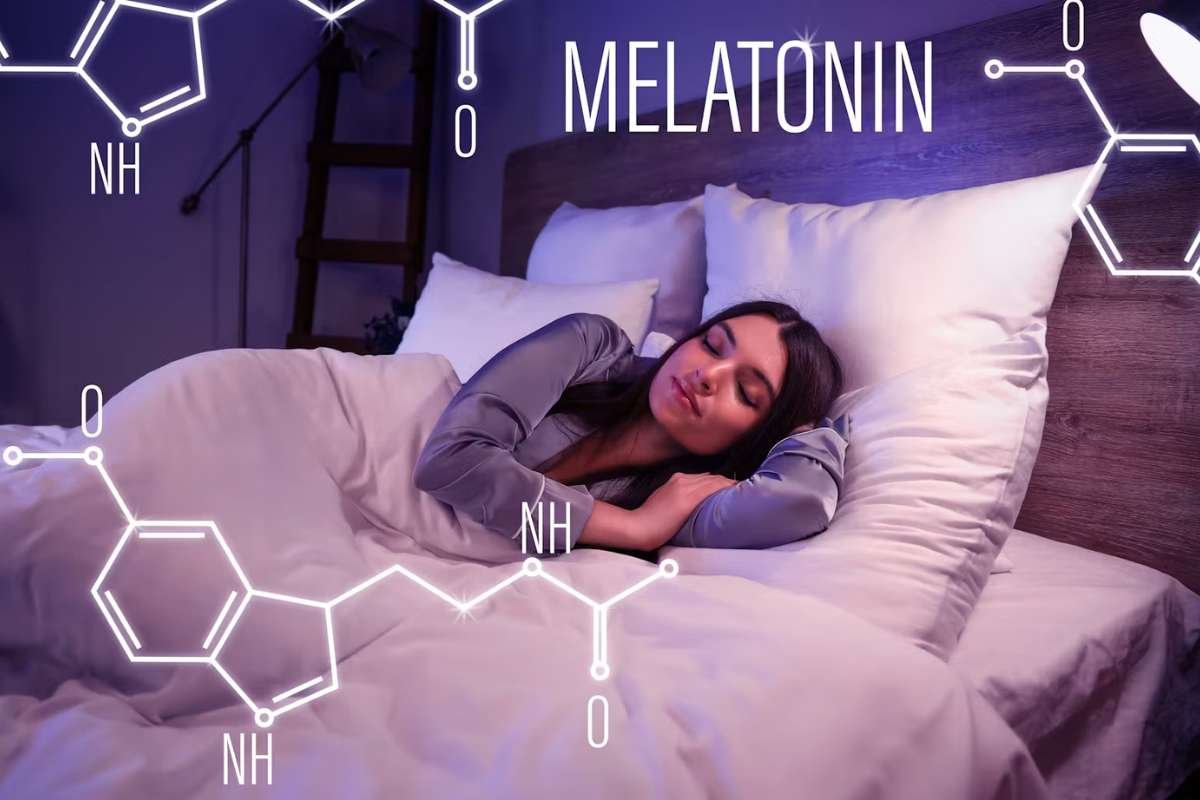
Melatonin is a natural hormone made by your brain when it gets dark. It helps tell your body that the day is ending and sleep time is near.
Light can slow this process. Darkness helps it rise. That is why bright phone or TV screens late at night can make it harder to fall asleep.
Melatonin supplements try to copy this natural signal. They do not force sleep like sleeping pills. Instead, they help guide your body clock toward rest.
Can Melatonin Really Help Sleep Better?

Yes, but it depends on why you cannot sleep in the first place.
Studies show melatonin may help some people fall asleep faster and improve sleep timing. It often works best when the problem is linked to the body clock, not deeper sleep issues.
| Melatonin May Help With | Melatonin May Help Less With |
| Jet lag after travel | Stress-based insomnia |
| Shift work sleep trouble | Anxiety at bedtime |
| Sleeping too late and waking too late | Poor sleep habits over time |
| Mild trouble falling asleep | Frequent waking during the night |
| Older adults with lower natural levels | Long-term chronic insomnia |
Experts say results for long-term insomnia are mixed.
When Melatonin Works Best
Many people think melatonin is only about the dose. In truth, timing often matters more.
If you take it too late, it may not help much. If you take it too early, it may push your sleep schedule the wrong way. Most people use melatonin about 30 minutes to 2 hours before bed, based on the product and their sleep goal.
| Sleep Problem | Likely Benefit |
| Jet lag | High |
| Shift work sleep trouble | Moderate to High |
| Trouble falling asleep | Moderate |
| Waking often at night | Low to Moderate |
| Long-term insomnia | Mixed |
Melatonin for better sleep often works best when paired with a steady bedtime, dim lights at night, and less screen time before sleep, which helps explain Can Melatonin Really Help Sleep Better for some people.
How Much Melatonin Should You Take and Is It Safe?

Many people take more melatonin than they need. In many cases, a low dose works just as well as a high one.
Experts often suggest starting small. For many adults, 0.5 mg to 3 mg may be enough. Higher doses do not always work better and may raise the chance of side effects.
It is best to start with the lowest helpful dose and only increase if needed.
Smart tips for safer use
- Start low
- Use it for short-term sleep trouble first
- Avoid random high-dose gummies
- Choose trusted brands with clear labels
- Ask a doctor if you are unsure
Melatonin is often seen as harmless, but it can still cause problems for some people using melatonin for better sleep. Some may feel morning grogginess, headache, dizziness, nausea, or vivid dreams after taking it.
It may also interact with medicines for blood pressure, blood thinning, seizures, diabetes, and mood disorders.
Pregnant people, children, and people with health conditions should speak with a doctor first. Short-term use looks fairly safe for many adults, but long-term research is still limited, which is important to know when asking, Can Melatonin Really Help Sleep Better.
Why Melatonin Fails for Many People
Some people say melatonin does nothing for them. Often, there is a clear reason why.
Melatonin works best when used the right way. If timing, habits, or expectations are off, it may seem useless. Avoiding melatonin for better sleep would be preferable in this case.
Common mistakes
- Taking it right at bedtime when earlier timing may work better
- Using very high doses
- Scrolling on bright screens after taking it
- Drinking caffeine late in the day
- Using it for stress when stress is the real issue
- Expecting instant knockout effects
Remember, melatonin is a signal to your body, not a strong sleeping pill.
Better Ways to Boost Sleep Naturally

Even the best supplement cannot beat poor daily habits. If your routine works against sleep, melatonin may only do so much.
Try these simple steps first:
- Sleep and wake at the same time each day
- Keep your bedroom cool, quiet, and dark
- Stop caffeine later in the day
- Reduce phone and screen light before bed
- Get sunlight in the morning
- Exercise on most days
- Calm your mind before bedtime with quiet time or reading
These habits often work better than pills when followed over time.
Who Should See a Doctor Instead?
Melatonin may help with mild sleep trouble, but some sleep problems need more than a supplement. If you snore loudly, stop breathing during sleep, or feel very tired during the day, it is best to see a doctor soon. This is important to understand when asking, Can Melatonin Really Help Sleep Better.
You should also seek help if you have anxiety, depression, restless legs, or pain that often wakes you at night. Severe insomnia that lasts for weeks should not be ignored either.
These signs can point to sleep apnea, stress disorders, nerve issues, or other health problems that need proper testing and treatment.
Final Verdict
So, can melatonin really help sleep better? Yes, but only in the right situation.
It works best when your body clock is off, such as after jet lag, shift work, or late sleep timing. It is less reliable for long-term insomnia caused by stress, anxiety, pain, or poor habits.
Melatonin should be seen as a tool, not a cure. It can support sleep, but it cannot replace a healthy routine.
The best results usually come from simple habits like regular sleep times, less screen light, and a calm bedtime routine. Smart supplement use should always come second.