Scientists at the University of Edinburgh have engineered bacteria to convert plastic bottle waste into levodopa, a key Parkinson’s drug, offering a sustainable method to tackle pollution and produce essential medicine, marking a breakthrough in Plastic Waste to Parkinson’s Drug innovation.
Scientists Convert Plastic Waste Into Life-Saving Drug
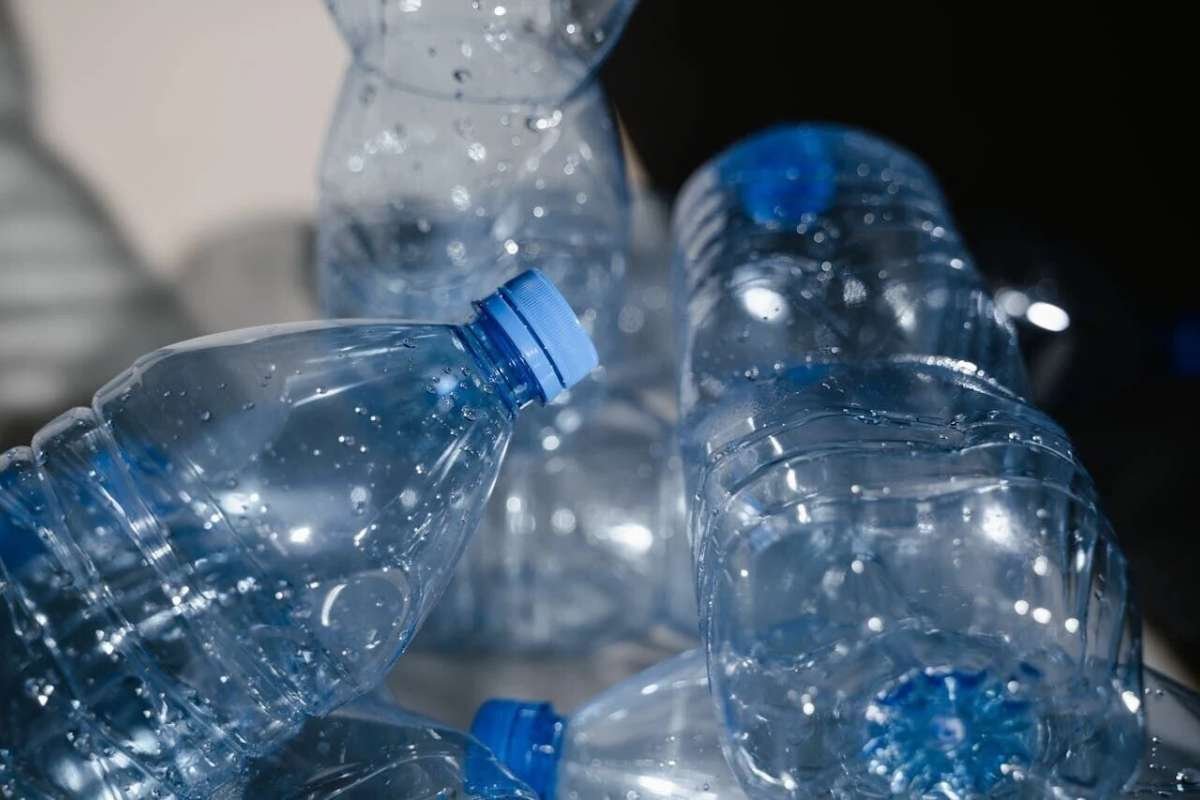
Researchers have developed a biological process that transforms polyethylene terephthalate, or PET, commonly used in plastic bottles, into levodopa, also known as L-DOPA, a frontline treatment for Parkinson’s disease.
The breakthrough marks the first time a natural biological system has been engineered to convert plastic waste into a therapeutic drug for neurological disease.
The process begins by breaking down PET into terephthalic acid, which is then processed using an engineered strain of the bacterium E. coli. The bacteria carry out a series of chemical reactions that ultimately produce L-DOPA.
“This project highlights the potential of biology to reshape the way we think about waste,” said Dr. Liz Fletcher, director of impact and deputy CEO at the Industrial Biotechnology Innovation Centre, which co-funded the research.
Engineered Bacteria Drive Sustainable Drug Production
The researchers say the new method could reduce reliance on fossil fuels, typically used in pharmaceutical production. It also offers a productive use for plastic waste, with an estimated 50 million tonnes of PET produced each year globally, advancing Plastic Waste to Parkinson’s Drug innovation.
Parkinson’s disease is a progressive neurological disorder that affects movement, causing tremors, stiffness, and difficulty with coordination. L-DOPA remains one of the most widely used treatments across all stages of the condition.
Traditionally, L-DOPA is derived from tyrosine, an amino acid found in foods such as beans and tomatoes. The new method replaces that pathway with a recycling-based approach that uses waste material as a raw input.
“By demonstrating that a harmful material can be converted into something that improves human health, the team is proving that sustainable, high-value applications of biology are both practical and effective,” Fletcher said.
Breakthrough Signals Future Of Waste-To-Medicine Innovation
Lead researcher Professor Stephen Wallace of the University of Edinburgh said the findings could open new possibilities for turning waste into valuable products.
“If we can create medicines for neurological disease from plastic waste to parkinson’s drug, it’s exciting to imagine what else this technology could achieve,” Wallace said.
He added that plastic waste, often viewed solely as an environmental threat, could serve as a significant carbon source for future biotechnological applications.
“By engineering biology to transform plastic into an essential medicine, we show how waste materials can be reimagined as valuable resources that support human health,” Wallace said.
The study is published in the journal Nature Sustainability. Researchers say further work is needed before the method can be scaled for industrial use.