Statins side effects are rarely experienced, as these are highly tolerated medications, with true biological adverse reactions like muscle damage impacting less than 1% of users. This article analyzes the scientific data behind common warnings on cholesterol medications and the psychological nocebo effect. By reading, you will gain a clear, clinical blueprint to optimize your cardiovascular health safely without unneeded fear.
A man sits under a buzzing neon light, nursing a knee that throbs like an ungreased engine. The doctor with an expensive suit and clean fingernails handed him a plastic bottle of statins. A chemical shield to save a stubborn heart from its own thick, sluggish blood.
Then the man looked online. The internet forums screamed. They claimed the tiny capsules would rot his muscles, cloud his brain, and turn his liver to ash. He stared at the white pill on his grease-stained table. Instantly, every normal, age-related ache in his spine felt like biological poison. He almost threw the bottle into the alley trash.
But panic is a cheap trick, and facts don’t care about ghost stories. When you strip away the digital hysteria and look at the raw clinical data, you discover a jarring truth. The terror surrounding statins side effects is mostly a creation of the human mind, not the medicine itself.
What are the real risks of statins side effects based on clinical data?
The bottom-line clinical reality: Double-blind, randomized controlled trials prove that the vast majority of patients tolerate statins exceptionally well. In fact, a landmark meta-analysis covering 123,940 participants found that statins do not cause 62 of the 66 potential symptoms listed on product packaging. True biological risks exist for only a tiny fraction of users, specifically involving modest blood sugar increases and rare, reversible liver enzyme spikes. For over 99% of people, the life-saving cardiovascular protection vastly outweighs any actual chemical harm.
| Potential Medical Concern | Placed On Product Warning Label? | Verified Primary Source |
| Severe Muscle Breakdown | Yes | Oxford Population Health |
| Mild Muscle Pain & Aches | Yes | British Heart Foundation |
| Blood Sugar Elevation | Yes | FDA Safety Administration |
| Reversible Liver Enzyme Spikes | Yes | Harvard Health Publications |
| Memory Loss & Cognitive Fog | Yes | Oxford Population Health |
| Erectile Dysfunction & Insomnia | Yes | The BMJ Research |
Look closely at the diagram above. Notice how low-density lipoprotein (LDL), or “bad” cholesterol, deposits fatty plaque directly inside your artery walls. This buildup restricts blood flow and sparks heart attacks. The liver generates most of this circulating cholesterol. Statins block a specific enzyme in your liver called HMG-CoA reductase. By halting this enzyme, statins compel your liver cells to pull excess LDL out of your bloodstream, cleaning your vessels. Understanding this vital biological shield helps clarify why doctors accept the vanishingly small odds of medication discomfort to prevent catastrophic arterial blockages.
Why do medication leaflets include dozens of unverified statin side effects?
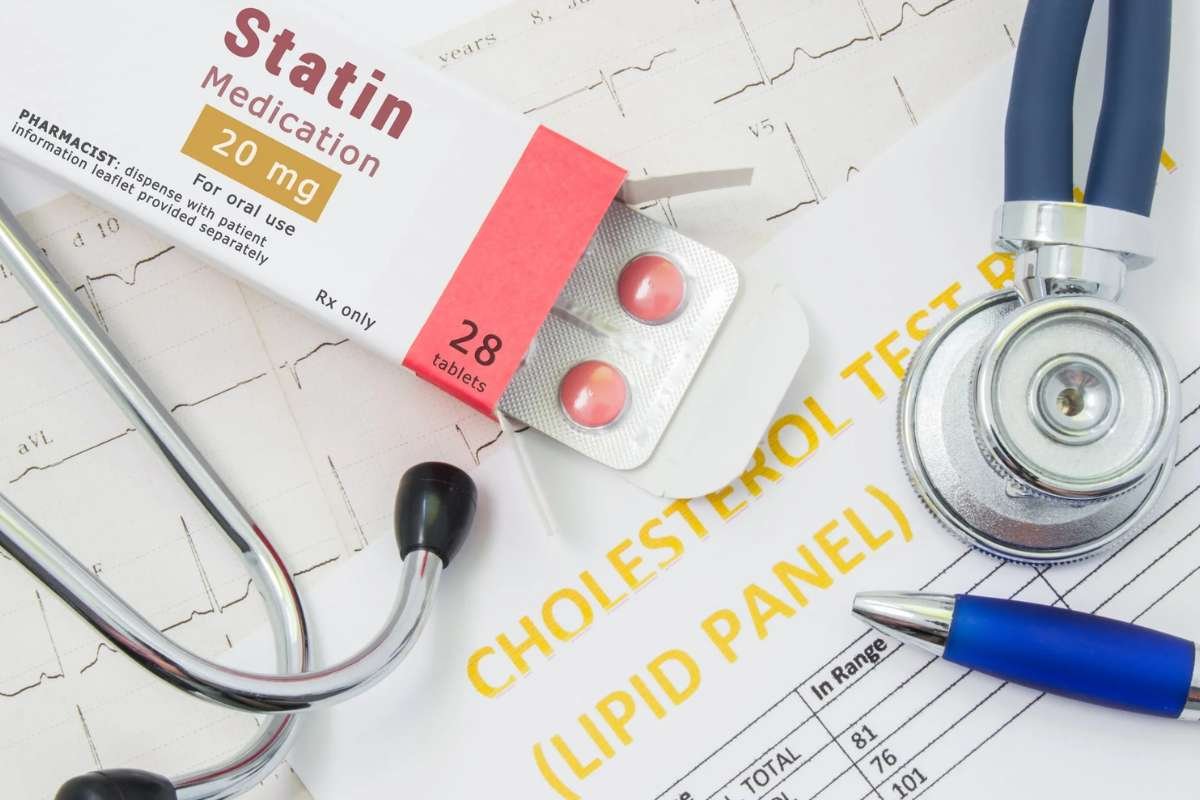
Regulators populate drug safety leaflets using non-randomized observational data and post-marketing surveillance reports. When a patient takes a new pill and experiences a common age-related symptom, such as a headache, sleep disruption, or joint stiffness, they report it to an adverse event database. Regulatory bodies then mandate that manufacturers list every reported event on the warning label to minimize legal liability, regardless of whether the chemical actually caused the symptom.
This creates a massive reporting bias. The comprehensive clinical data from Oxford Population Health exposes this flaw by showing that patients taking an inert sugar pill (placebo) report memory lapses, fatigue, and muscle twinges at the exact same statistical rate as patients taking an active statin.
Do statins side effects threaten your muscle health?
Many patients fear statin-associated muscle symptoms, ranging from simple soreness to structural weakness. Clinicians separate these muscle complaints into three distinct medical categories based on clear biochemical markers:
- Myalgia: Mild muscle discomfort or tenderness without an elevation in creatine kinase (a vital muscle enzyme).
- Myopathy: Clear muscle weakness accompanied by a notable rise in blood creatine kinase levels.
- Rhabdomyolysis: A severe, acute breakdown of muscle fibers that releases proteins into the bloodstream, threatening kidney function.
While internet forums claim that muscle weakness impacts a third of all users, rigorous data from the Cholesterol Treatment Trialists’ Collaboration paints a completely different picture. Their comprehensive trial analysis in The BMJ confirms that statin therapy causes true muscle symptoms in only 1% of patients during the first year of treatment. After twelve months of continuous use, the excess risk completely disappears. Furthermore, severe muscle destruction like rhabdomyolysis occurs in less than 1 in 10,000 cases.
Can statins side effects induce type 2 diabetes?
Large-scale clinical trials establish a minor, real biological connection between statins and blood sugar elevation. Data show that statins can cause a mild 6% to 13% increase in blood glucose and glycosylated hemoglobin (HbA1c) levels. According to official FDA Safety Guidelines, this biochemical shift primarily occurs in individuals who already possess pre-diabetic markers or high metabolic risks.
Doctors evaluate this risk through a balance of overall health outcomes. While a statin may cause a vulnerable patient to cross the diagnostic threshold for Type 2 diabetes slightly sooner, the drug simultaneously shields that exact same patient from a fatal cardiovascular event. The cardiovascular benefit remains absolute. For every single case of newly diagnosed diabetes, statins prevent multiple strokes and heart attacks.
Why did regulatory agencies stop mandating routine liver tests for statins side effects?
When healthline.com first introduced statins in the late 1980s, standard guidelines required regular blood monitoring to check for liver toxicity. However, decades of clinical usage and millions of patient tracking years revealed that severe liver injury remains an exceptionally rare anomaly.
Consequently, the FDA changed its official guidelines to drop routine, ongoing liver enzyme monitoring. The agency now recommends a baseline liver transaminase blood test before you swallow your first dose and advises targeted testing only if you show physical symptoms of liver distress. These symptoms include dark urine, yellowing of the eyes, or right-sided abdominal pain. A tiny fraction of users (around 0.1% annually) experience a temporary, harmless rise in liver enzymes that settles without any long-term consequences or structural liver disease.
Do statins side effects cloud your memory and brain power?
Some patients describe a sensation of mental fog, forgetfulness, or temporary confusion after initiating cholesterol-lowering therapy. The FDA mandates a warning label noting these subjective experiences, yet large-scale clinical trials fail to support a causal relationship.
In fact, extensive data from Oxford Population Health shows that annual reports of cognitive or memory impairment hover at exactly 0.2% for statin users and 0.2% for placebo users. Because memory changes happen naturally as people grow older, patients often misattribute normal cognitive variance to their new pill. Long-term neurological studies suggest that statins actually protect brain health over time by preventing micro-strokes and reducing the risk of vascular dementia.
How does the nocebo effect generate false symptoms of statins side effects?
If statins do not biologically cause these issues, why do so many real people experience genuine physical pain? The answer lies in a powerful psychological phenomenon known as the nocebo effect. The nocebo effect occurs when negative expectations or prior warnings cause an entirely harmless substance to produce real, felt physical distress.
To isolate this phenomenon, researchers designed the groundbreaking SAMSON trial, which the British Heart Foundation funded. The trial followed patients who had previously abandoned statins due to intolerable symptoms. For one year, these patients cycled through months of taking a real statin, months of taking an identical dummy pill (placebo), and months of taking nothing at all, while logging daily pain scores on a smartphone app.
The results completely revolutionized cardiology. The SAMSON data proved that patients experienced 90% of their symptom burden during the placebo months as well. Patients felt physical pain simply because they knew they were swallowing a pill. This confirms that public anxiety and negative media coverage drive the vast majority of patient complaints.
What steps should you follow to safely manage statins side effects?
If you experience persistent bodily discomfort while taking your cholesterol medication, never stop therapy cold turkey. Abruptly halting your prescription instantly exposes your arteries to soaring LDL levels and elevates your immediate risk of a heart attack. Instead, follow this structured, evidence-based strategy with your healthcare team:
1. Consult your physician and test your blood:
Schedule an appointment with your healthcare provider before modifying your routine. Request a simple blood test to check your creatine kinase and liver enzyme levels to rule out true biological inflammation.
2. Evaluate your background lifestyle triggers:
Assess your daily habits. Vitamin D deficiencies, severe thyroid imbalances, intense unaccustomed workouts, and new concurrent prescriptions frequently trigger muscle aches that mimic medication issues.
3. Adjust your dosage or switch the specific statin molecule:
Work with your doctor to explore a different chemical formulation. Hydrophilic statins (like rosuvastatin or pravastatin) dissolve easily in water and do not penetrate muscle tissue as deeply as lipophilic options (like atorvastatin or simvastatin), frequently eliminating mild aches.
4. Consider alternative non-statin lipid-lowering therapies:
If verified muscle or liver sensitivity prevents standard dosing, ask your physician about advanced alternative non-statin medications. Options like ezetimibe or injectable PCSK9 inhibitors effectively lower bad cholesterol through entirely different biological pathways.
Answering your frequently asked search queries about statins side effects
Search engines frequently display specific inquiries from individuals searching for clear answers regarding cholesterol management. Here are the precise, evidence-based answers to those exact questions.
1. Do certain foods or juices worsen your risk of medication pain?
Yes. Drinking large quantities of grapefruit juice can significantly increase the concentration of specific statins in your bloodstream. Grapefruit contains natural compounds that temporarily block the CYP3A4 enzyme in your gut. Because your body relies on this enzyme to break down medications like atorvastatin, simvastatin, and lovastatin, blocking it allows the drug to accumulate to toxic levels, increasing your risk of severe muscle damage. Switch to orange or lime juice to completely bypass this specific interaction.
2. Are older adults more susceptible to medication-induced aches?
Yes, older age increases vulnerability to muscle symptoms. Individuals over the age of 75, people with smaller body frames, and those suffering from chronic kidney disease face higher odds of experiencing mild discomfort. Doctors typically prescribe lower initial doses or select highly targeted, low-intensity options for these specific demographics to maximize safety.
What is the final verdict on statins side effects?
Decades of robust, gold-standard clinical trials confirm that the biological risks of cholesterol therapy remain incredibly low. Media sensationalism and internet rumors amplify a false narrative, creating a psychological barrier that prevents millions of high-risk individuals from protecting their hearts.
Review the final balance of evidence below before making crucial decisions about your long-term health:
- True biological side effects are rare: Only 1 in 100 users experience genuine, drug-induced muscle aches in the first year, and severe liver injury remains a statistical anomaly.
- The mind creates real physical discomfort: The nocebo effect drives 90% of reported symptoms, meaning public anxiety, rather than the chemical pill, causes most pain.
- The benefits protect your life: Lowering your LDL cholesterol with a statin dramatically cuts your risk of a sudden stroke or heart attack.
Always partner with your doctor to make data-driven choices based on clinical truth rather than unverified online forums.