Ever stare at your dinner plate and wonder if you ate enough greens? You are not alone. Only about 10 percent of U.S. adults meet the vegetable guidelines, according to CDC researchers.
Part of the problem is the math. One group says cups, another says servings, and a third says “a handful.” Nobody agrees on servings of vegetables per day.
Here is the good news. The real target is simple, and you probably hit half of it already. Below, you will find your number, a quick way to size each serving, and easy swaps that skip the daily salad.
How Many Servings of Vegetables Per Day Do You Really Need?
Here is the short answer. The USDA recommends 2 to 3 cups of vegetables daily for most adults, and the CDC repeats that range in its reports. Your exact number depends on age, sex, and activity level.
Cups and servings are not the same thing, and that trips people up. 2 to 3 cups usually works out to about 4 to 6 servings. So the servings of vegetables per day you need land near five for most people.
Other countries set the bar in a similar place. The Australian Dietary Guidelines suggest 5 to 6 serves for most adults, and a serve is slightly smaller there.
The takeaway is simple. Aim for about five servings, and you will sit comfortably inside every range above.
What Counts as One Serving of Vegetables?
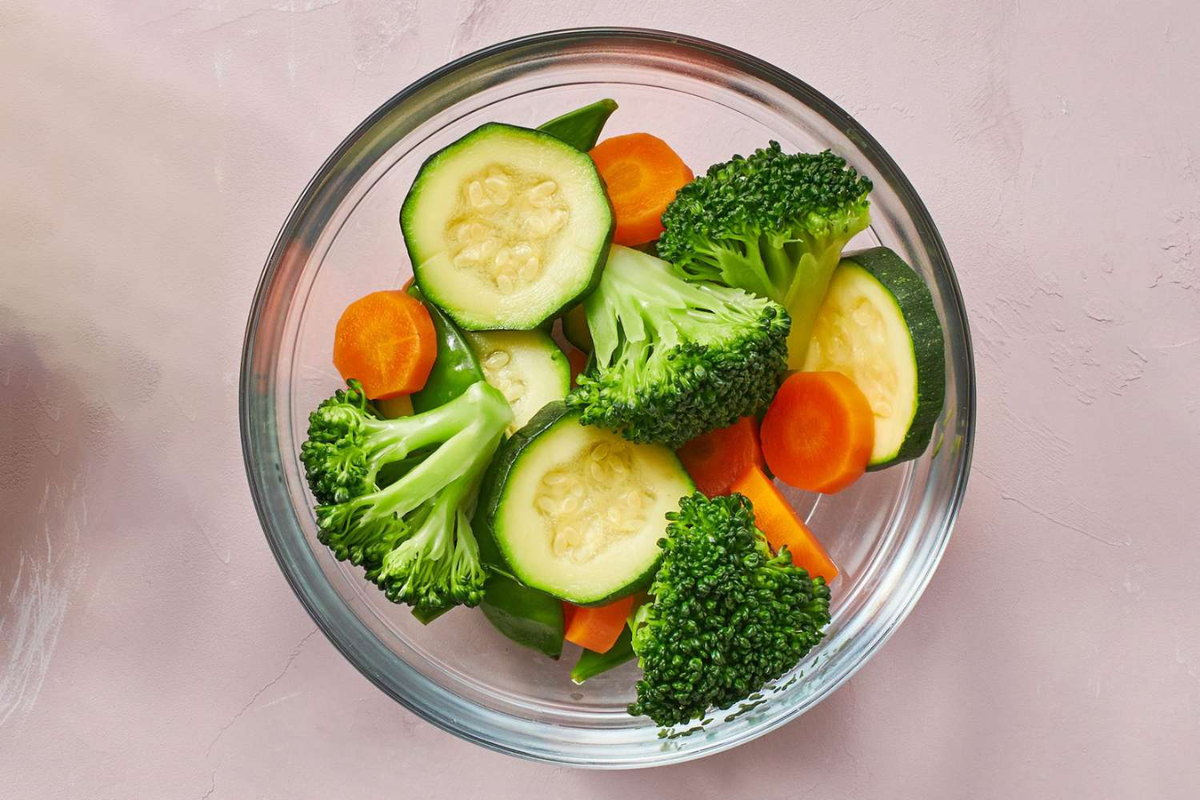
A serving depends on how you prepare the food. MD Anderson dietitian Lisa Rosemond says one cup of raw vegetables counts as a serving. Cooked or juiced vegetables count as half a cup.
Why the difference? Vegetables hold a lot of water, so they shrink when you cook them. A huge pile of raw spinach cooks down to a few spoonfuls.
This quick guide helps you picture each serving.
| Vegetable | One Serving Looks Like |
| Raw salad greens | 1 cup |
| Chopped raw vegetables | 1 cup |
| Cooked broccoli or carrots | ½ cup |
| Cooked green beans | ½ cup |
| Potato or other starchy vegetable | ½ medium potato |
You do not need a measuring cup at every meal. Use your fist as a rough guide. One fist of raw veggies or half a fist of cooked ones keeps you close enough.
Do Starchy Vegetables and Juice Count Toward Your Total?
Yes, but with a catch. Potatoes, corn, and peas count as vegetables. They also pack more carbohydrates than leafy greens, so they work best as one part of a mix.
Healthylife lists half a medium potato as one standard serving. That means a big baked potato can cover two servings by itself. Still, it should not be your only vegetable all day.
Juice is trickier. Vegetable juice counts as half a cup per serving, but it loses much of the fiber you get from whole vegetables. Treat juice as a backup plan, not your main strategy.
Here is a good rule of thumb. Fill most of your plate with non-starchy options like leafy greens, peppers, and cauliflower. Add starchy picks for variety. That balance helps you reach your servings of vegetables per day without overloading on carbs.
Why Does Variety Matter More Than Volume?
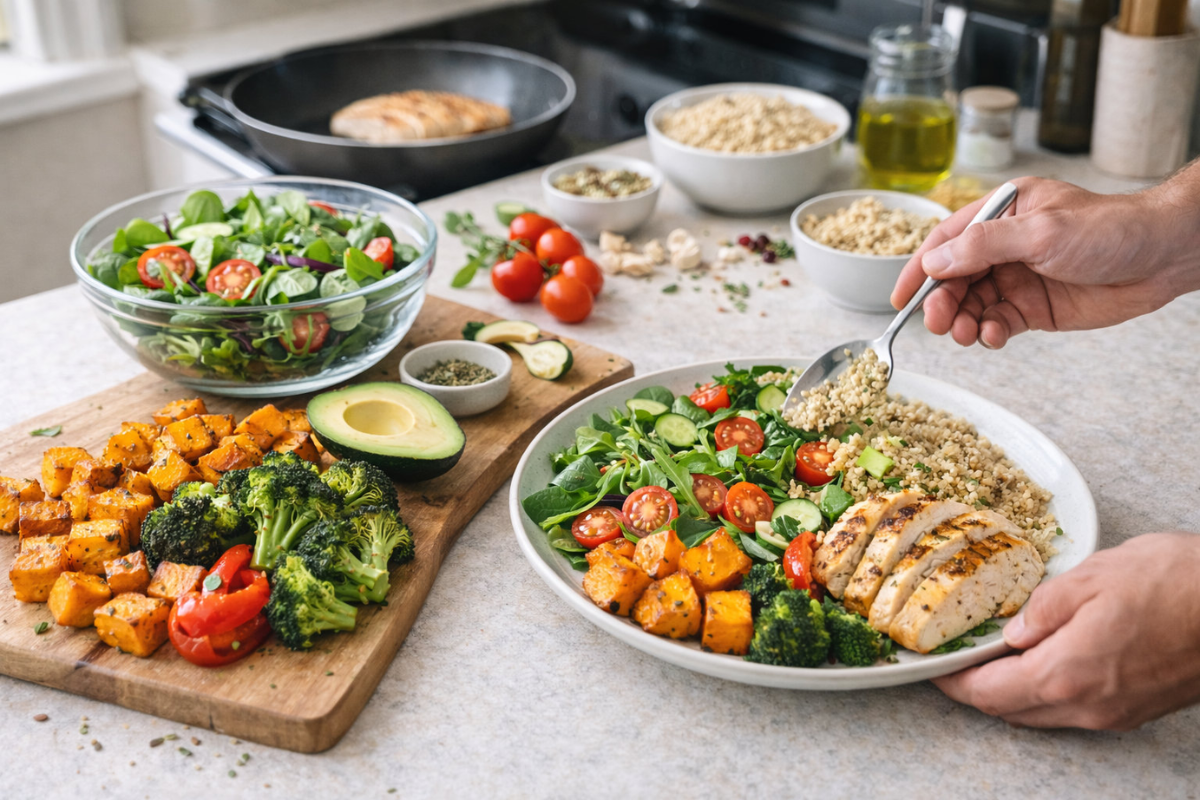
You can eat five servings of carrots and still miss out. Each color brings different nutrients to the table. Rosemond points out that red vegetables like tomatoes contain lycopene. Orange vegetables like carrots deliver beta-carotene.
Green vegetables bring their own strengths, including folate and vitamin K. Purple and white vegetables add even more variety. A mixed plate covers more nutritional ground than a bigger pile of one thing.
Cooking style matters too. MD Anderson recommends eating both raw and cooked vegetables to get the full range of benefits. Some nutrients hold up better when cooked, while others do best raw.
Fresh is not your only option. Frozen and canned vegetables offer many of the same benefits as fresh ones. They cost less, last longer, and save prep time. If fresh produce keeps rotting in your fridge, switch to frozen and stop feeling guilty.
Are You Actually Falling Short?
Probably, and you have lots of company. Australians buy only about half the recommended vegetables. Buying less means eating less.
Here is a quick self-check. Count what you ate yesterday. One side salad is one serving. A handful of cooked spinach in eggs is one. A bowl of vegetable soup might be two.
Most people land at two or three. That means you probably need only two more. Two extra servings per day is a small change with a real payoff.
How Can You Hit Your Target Servings of Vegetables Per Day Easily?

Start with the meals you already eat. Add vegetables to those instead of building new meals from scratch. Small upgrades add up faster than big resolutions.
Try these easy moves.
- Toss a handful of spinach into your morning eggs or smoothie.
- Snack on sliced carrots, peppers, or celery with hummus.
- Stir extra vegetables into soups, sauces, and burgers.
- Keep frozen vegetables ready to steam in three minutes.
- Fill half your dinner plate with vegetables before adding anything else.
Rosemond also likes dipping sliced vegetables in hummus, because dips make raw veggies far more fun. Roasting works wonders too. High heat brings out natural sweetness, and it can turn a bitter vegetable into a favorite.
Plan around meals instead of the clock. Aim for one or two servings at breakfast or lunch and two at dinner. Spreading them out makes the goal feel light. Reaching your servings of vegetables per day gets easy once each meal carries its share.
What Should You Do Next?
Pick one meal tomorrow and add one serving. Then add a second serving at dinner the next day. In a week, you will hit five without thinking about it.
Remember the big idea. Aim for about five servings, mix your colors, and use whatever form of vegetable you will actually eat. Frozen beats forgotten every time.
Ready to take the first step? Write down your next three meals and mark where a vegetable can slip in. That simple plan will carry you toward the right servings of vegetables per day, and your body will thank you.
FAQs
1. How many servings of vegetables per day do kids need?
It rises with age. Toddlers often need 2 to 3 servings, reaching 5 by age 11.
2. Can you eat too many vegetables?
Rarely. A sudden jump can cause bloating, so add them gradually and drink water.
3. Is a smoothie a good way to get vegetables?
Yes, if you blend whole vegetables. Greens like spinach blend well and hide easily.
4. Do breastfeeding mothers need extra vegetables?
Australian guidance says up to 7½ serves daily. Ask your doctor for personal advice.