Key Takeaway:
- Measles cases may be undercounted: Pennsylvania has reported about 1,300 cases since April, but the actual outbreak could be larger.
- Unvaccinated people face greater risks: Low vaccination rates have left adults, infants, and some communities vulnerable to severe illness.
- Death counts remain disputed: Pennsylvania and the CDC report different totals as investigators review measles-related fatalities.
Pennsylvania measles outbreak has caused five reported deaths, with a sixth under review, and about 1,300 reported cases since April, prompting federal investigators to assess potential undercounting and gaps in vaccination coverage.
Officials Investigate a Potential Undercount
Pennsylvania is experiencing the largest and deadliest U.S. measles outbreak in more than 30 years, according to reporting published Oct. 21. Experts say the official tally may not reflect the full scale because some infected people never seek medical care or receive a confirmed diagnosis.
Historical estimates suggest one to three deaths for every 1,000 unvaccinated people who contract measles. Pennsylvania’s reported fatalities indicate a higher death rate, although uncertainty about the total number of infections makes precise comparisons difficult.
Dr. Matthew Ferrari, director of the Center for Infectious Disease Dynamics at Penn State University, said the outbreak reflects a change in how measles is affecting the population.
“There clearly is a shift — not in the biology but a shift in the epidemiology that we’re seeing here in Pennsylvania,” Ferrari.
The Centers for Disease Control and Prevention has sent an epidemiologist through its Epi-Aid program to help investigate the outbreak, assess its trajectory and evaluate vaccination efforts. The work aims to clarify infections and transmission in affected communities.
Low Vaccination Rates Leave Adults and Infants Vulnerable
About two-thirds of Pennsylvania’s reported measles cases involve adults, and nearly all cases have occurred among people who are not fully vaccinated. Nationally, children and teenagers account for a larger share of cases, according to CDC data.
The outbreak has particularly affected Amish and other Plain communities, where vaccination coverage is low in some areas. Experts say limited immunity, combined with little exposure to measles over several decades, has left some residents vulnerable to infection.
Ferrari said unvaccinated adults may face more severe complications than unvaccinated children. Low immunity among women of reproductive age may also leave infants with fewer protective antibodies passed on during pregnancy.
Two infants infected with measles have died in Pennsylvania this year, both too young to receive the measles, mumps and rubella vaccine. The state health department has also warned about infections during pregnancy and the possibility of congenital measles, in which a baby is infected before birth.
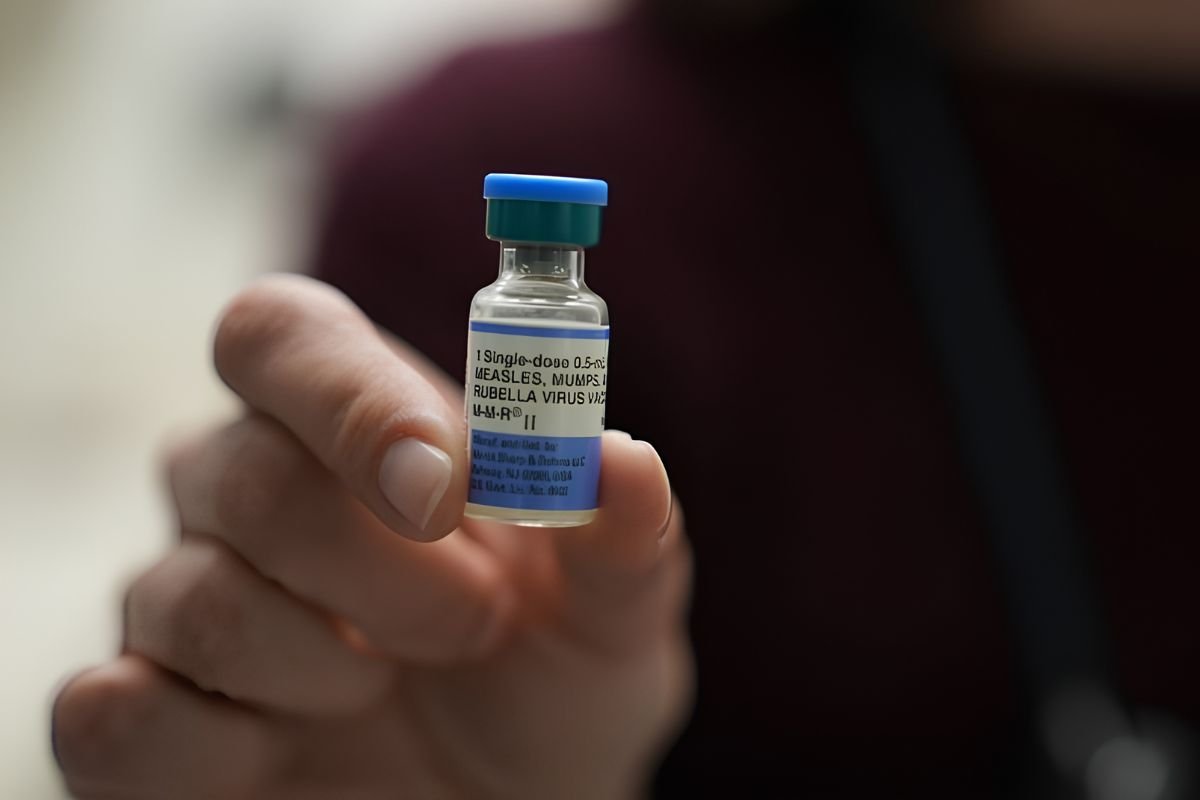
The MMR vaccine remains the primary tool for preventing measles. One dose is about 93% effective against the disease, while two doses provide about 97% protection, according to public health authorities.
State and Federal Officials Dispute Death Counts
The outbreak has also exposed disagreements between Pennsylvania and federal health officials over how measles-associated deaths should be counted. The state has reported five deaths, while the CDC’s public dashboard lists three, noting that the total may change as reviews continue.
The CDC has said it is developing a standardized definition for deaths caused by measles. Pennsylvania officials have argued that excluding deaths reported by the state understates the outbreak’s severity and could undermine public trust.
Dr. Remy Pasco, a research associate at the University of Colorado Boulder who studies disease outbreaks, told that limited historical data makes estimates less reliable.
“It’s not endemic, so we don’t have as much data on it,” Pasco said, explaining that estimates must be treated cautiously.
Measles was declared eliminated in the United States in 2000, meaning sustained transmission had been interrupted, though imported cases could still occur. Its resurgence has made historical comparisons and projections more difficult.
Investigators will examine local transmission, vaccination coverage and health care records to better estimate the outbreak’s size. Public health experts say accurate reporting and vaccination remain essential to containing the spread and protecting people at greatest risk of severe illness.