Key Takeaway:
- Pennsylvania Measles Outbreak 2026: The CDC is sending an epidemiologist to investigate an outbreak that has surpassed 1,200 reported cases statewide
- Death Reporting Dispute Continues: State and federal officials disagree over how measles-related deaths should be documented and reported.
- Vaccination Efforts Intensify: Pennsylvania is expanding outbreak investigations and vaccination efforts as demand for measles vaccines rises.
The Pennsylvania Measles Outbreak 2026 has sickened 1,222 people statewide, prompting the U.S. Centers for Disease Control and Prevention to send an epidemiologist to investigate.
CDC responds to the Pennsylvania measles outbreak 2026
The CDC will assist with its Epi-Aid program, which deploys public health specialists to help state and local authorities investigate urgent health threats. The deployment follows Pennsylvania’s formal request for federal support as the Pennsylvania Measles Outbreak 2026 continues to grow.
A U.S. Department of Health and Human Services official said the federal agency plans to send a “disease detective” to the state later this week. Epi-Aid teams typically work with state officials for one to three weeks, offering technical expertise to investigate outbreaks and guide public health responses.
Pennsylvania reported 157 new measles cases in the week leading up to its latest update on Oct. 14. The outbreak, the state’s largest in more than three decades, is centered in Lancaster County and has spread to communities across Pennsylvania, including Chester County in the Philadelphia suburbs.
Lancaster County has reported 443 cases this year, while Mifflin County has recorded 183 and Chester County has reported 90. About one in five people with reported measles infections statewide have required hospitalization, according to state figures.
Federal health officials have also provided nearly $4 million in one-time funding to support Pennsylvania’s measles response operations through most of 2027, an HHS official said.
State and federal officials dispute death reporting
The CDC’s assistance comes amid a dispute between Pennsylvania officials and the Trump administration over how measles-related deaths should be reported nationally.
Pennsylvania has confirmed five measles-associated deaths in 2026. A sixth death, reported by a Franklin County coroner on Oct. 12, remains under investigation by state health officials.
The CDC’s national measles dashboard listed two deaths as of Oct. 14 without identifying the states involved. The agency says it is working to establish a standard definition for measles deaths and will report cases in which the National Center for Health Statistics identifies measles as the underlying cause, based on death records submitted by states.
Health and Human Services Secretary Robert F. Kennedy Jr. and Pennsylvania Gov. Josh Shapiro have traded accusations over the handling of the outbreak and the reporting of deaths. Shapiro has criticized Kennedy’s public statements about vaccination, while Kennedy and federal officials have questioned Pennsylvania’s approach to death reporting and cooperation with the CDC.
Pennsylvania initially expressed reservations about accepting Epi-Aid assistance unless the federal agency acknowledged the deaths reported by the state. Health officials formally submitted their request on Oct. 7 after weeks of discussions with CDC staff.
“We continue to seek information from the CDC about their process for reporting deaths before finalizing acceptance of Epi-Aid support,” Pennsylvania Department of Health spokesperson Neil Ruhland said in a statement.
Officials expand vaccination and prevention efforts
State officials say the federal investigation will complement existing efforts to track the Pennsylvania Measles Outbreak 2026, assess its scale, and understand how vaccination affects transmission.
Ruhland said about 300 state health department staff members are working directly with communities. The state is also seeking a clearer estimate of the outbreak’s true size because not every infection is reported.
The CDC and state officials continue to recommend vaccination as the most effective way to prevent measles. The highly contagious virus can cause serious complications, particularly among unvaccinated people.
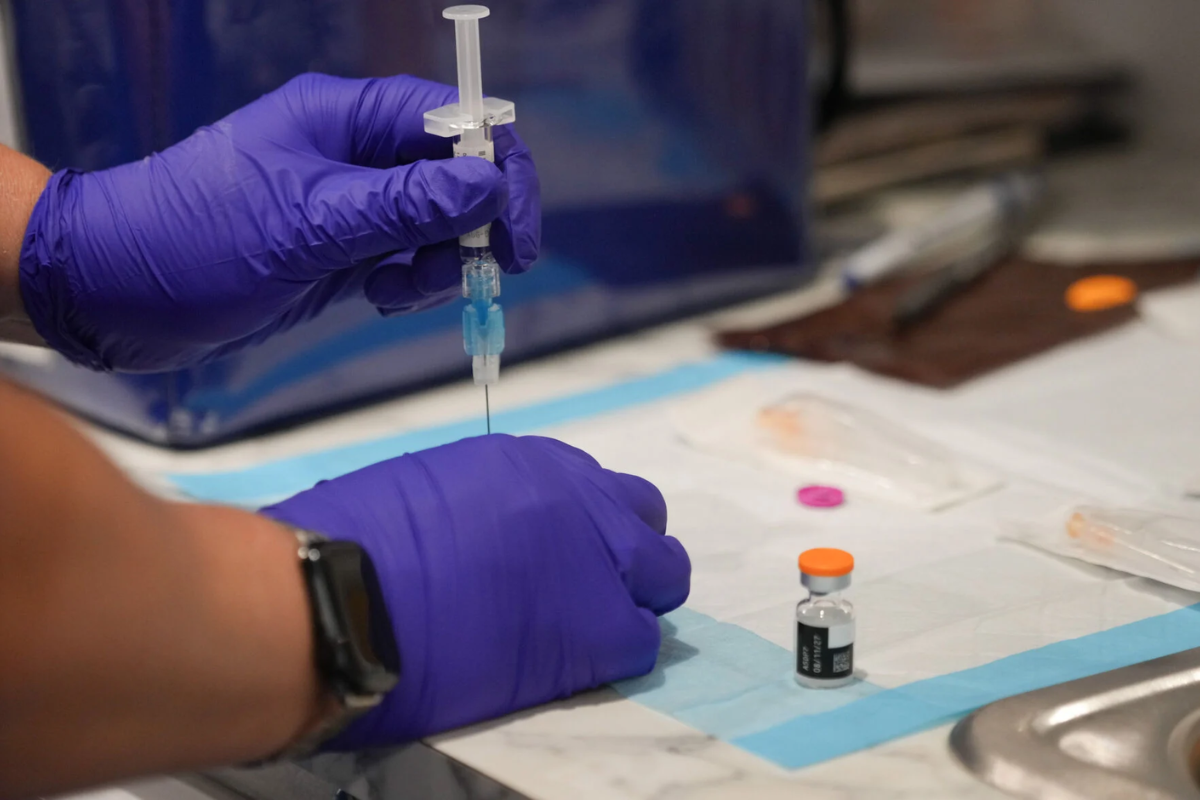
Pennsylvania has seen increased demand for measles, mumps, and rubella vaccines as the outbreak worsens. Health care providers administered more than 56,000 doses in September, more than twice the number given in a typical month, according to state figures. Providers administered more than 23,000 additional doses during the first two weeks of October.
The investigation is expected to help officials better understand the outbreak’s trajectory and inform decisions about containment, vaccination and public health resources.