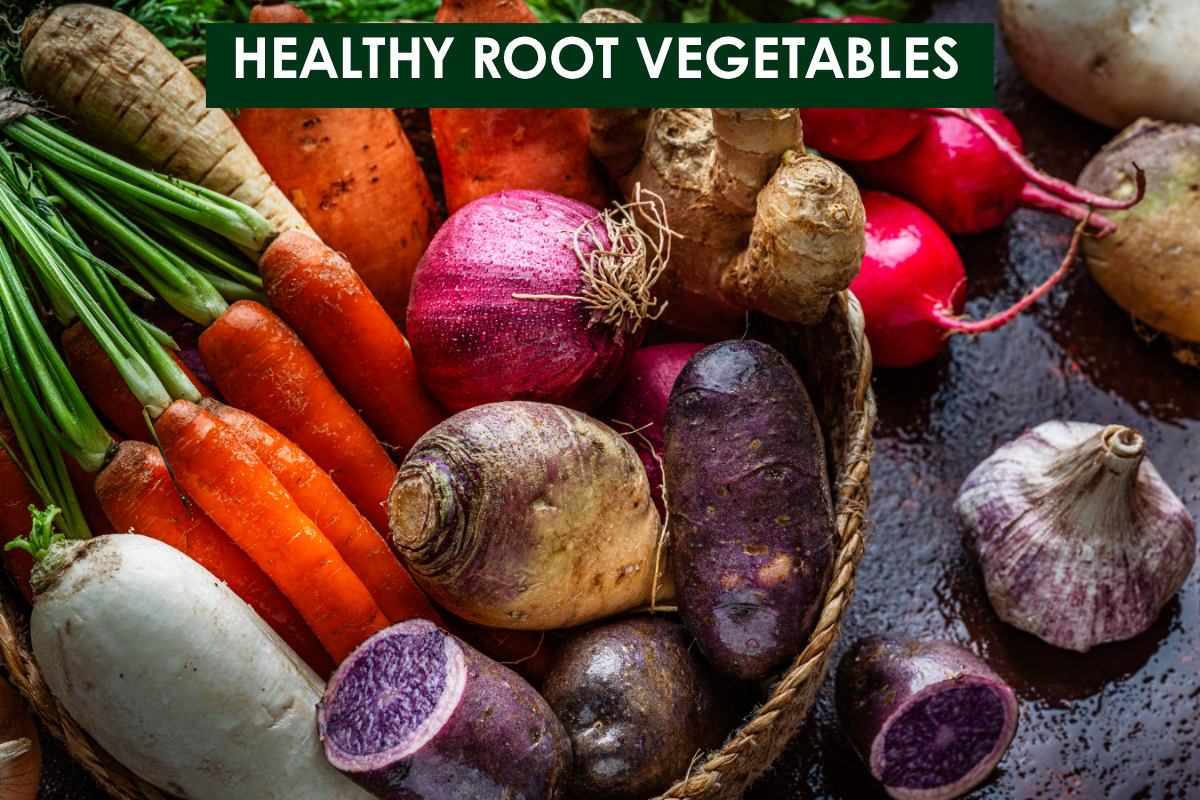
Root vegetables grow below the soil. They include carrots, beets, turnips, radishes, and sweet potatoes. Many are rich in fiber, vitamins, minerals, and plant compounds that support good health. They are also easy to cook and fit into many meals.
The best healthy root vegetables offer different benefits. Some provide vitamin A, while others supply folate, vitamin C, or potassium. Here are 10 nutritious choices, what makes each one useful, and simple ways to add them to your plate.
10 Healthy Root Vegetables and Their Benefits
Healthy root vegetables can add color, flavor, and key nutrients to your daily meals. Each type has its own strengths, so eating a mix is a good way to get more variety.
1. Carrots
Carrots are rich in beta-carotene, which the body turns into vitamin A. This vitamin helps support normal vision, skin, and immune function. Carrots also provide fiber.
Easy way to eat them: Roast with olive oil, add to soups, or grate into salads.
2. Beets
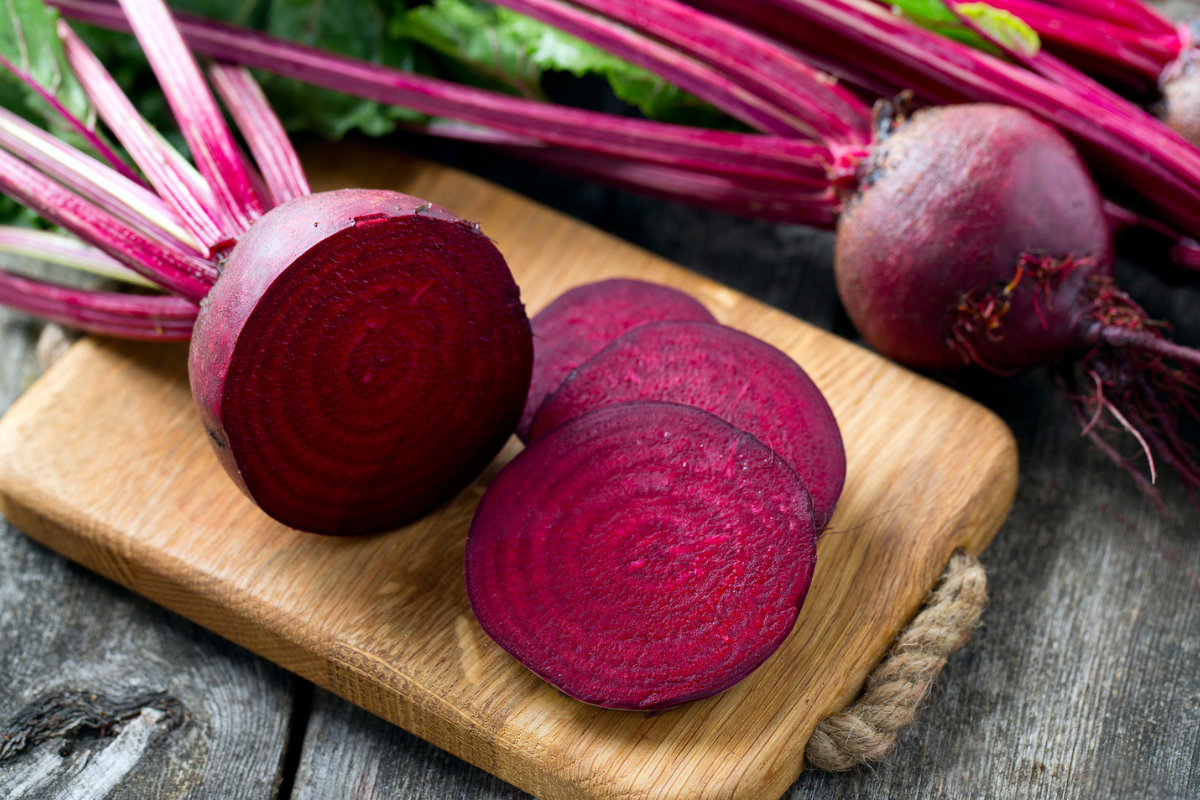
Beets contain folate, fiber, and natural plant compounds called betalains. They also provide nitrates, which the body can turn into nitric oxide. This helps blood vessels relax and may support healthy blood flow.
Easy way to eat them: Roast, steam, or grate into a salad.
3. Sweet Potatoes
Sweet potatoes provide beta-carotene, fiber, and potassium. Their natural sweetness makes them a useful choice for both savory and sweet dishes.
Easy way to eat them: Bake whole, mash with a little olive oil, or cut into wedges and roast.
4. Turnips
Turnips provide vitamin C, fiber, and other nutrients. They belong to the same plant family as cabbage and broccoli. Their mild, slightly peppery taste works well in warm meals.
Easy way to eat them: Add to stews, mash them, or roast with herbs.
5. Radishes
Radishes are low in calories and provide vitamin C and fiber. Their crisp texture and sharp taste can add freshness to meals without heavy sauces.
Easy way to eat them: Slice into salads, add to sandwiches, or roast to soften their peppery flavor.
6. Daikon
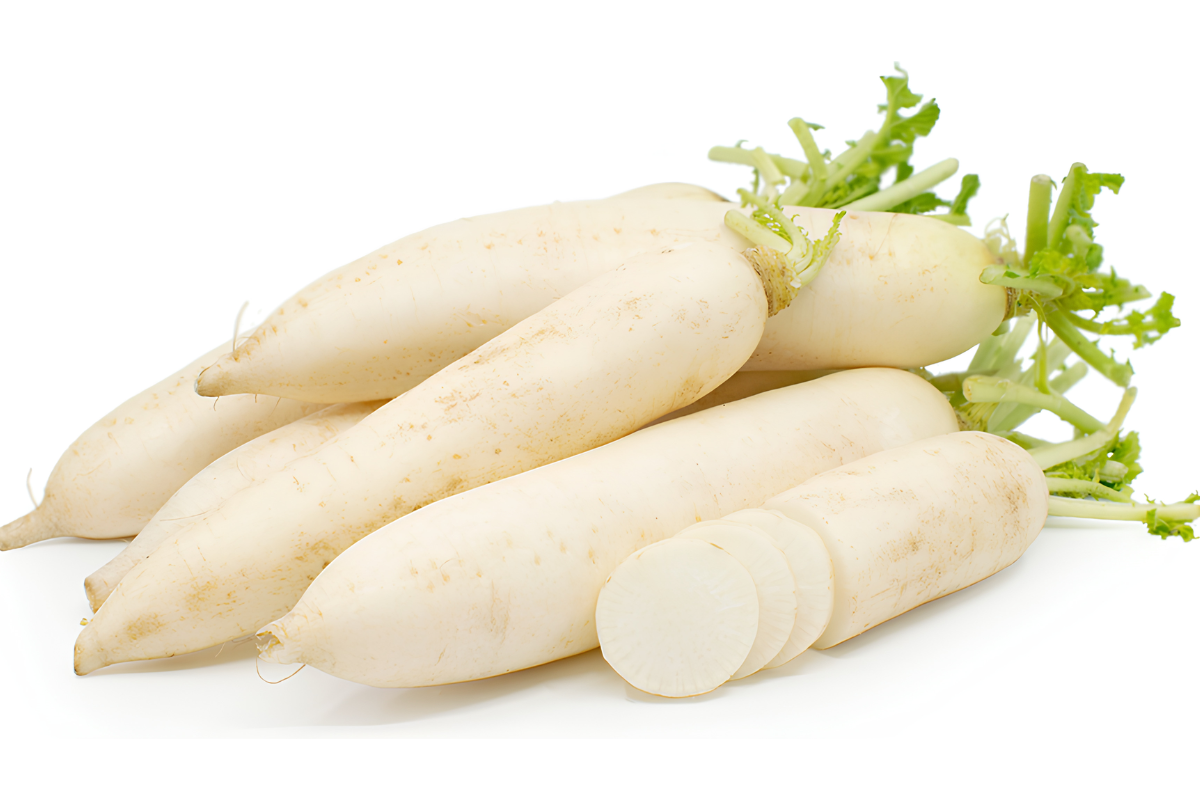
Daikon is a large white radish often used in Asian cooking. It provides vitamin C and some fiber, with a mild taste that absorbs flavors well.
Easy way to eat it: Add to soups, stir-fries, or lightly pickled dishes.
7. Potatoes
Potatoes provide potassium, vitamin C, and vitamin B6. They can fit into a balanced diet, especially when baked, boiled, or roasted with modest amounts of oil.
Easy way to eat them: Bake with the skin on or boil and toss with herbs.
8. Parsnips
Parsnips have a sweet, earthy taste. They provide fiber, folate, and potassium. Their texture becomes soft and tender when cooked.
Easy way to eat them: Roast with carrots or add to a vegetable soup.
9. Celeriac
Also called celery root, celeriac has a mild, celery-like flavor. It supplies fiber, vitamin C, and potassium, making it a useful change from more common roots.
Easy way to eat it: Roast cubes, add to soups, or mash with potatoes.
10. Ginger
Ginger is a root-like underground stem called a rhizome. It contains gingerols, plant compounds studied for their effects on nausea and inflammation. It is usually eaten in small amounts, so it is not a major source of daily nutrients.
Easy way to eat it: Grate into soups, curries, stir-fries, or tea.
Are Root Vegetables Good for Everyday Health?
Yes. Healthy root vegetables provide fiber, vitamins, minerals, and plant compounds. Eating different types helps you get a wider range of nutrients. However, many root vegetables also contain starch, so portion size and meal balance matter.
Here are three simple ways to enjoy them:
- For more fiber: Add carrots, radishes, or turnips to salads and soups.
- For a filling meal: Pair potatoes or sweet potatoes with beans, eggs, or lentils.
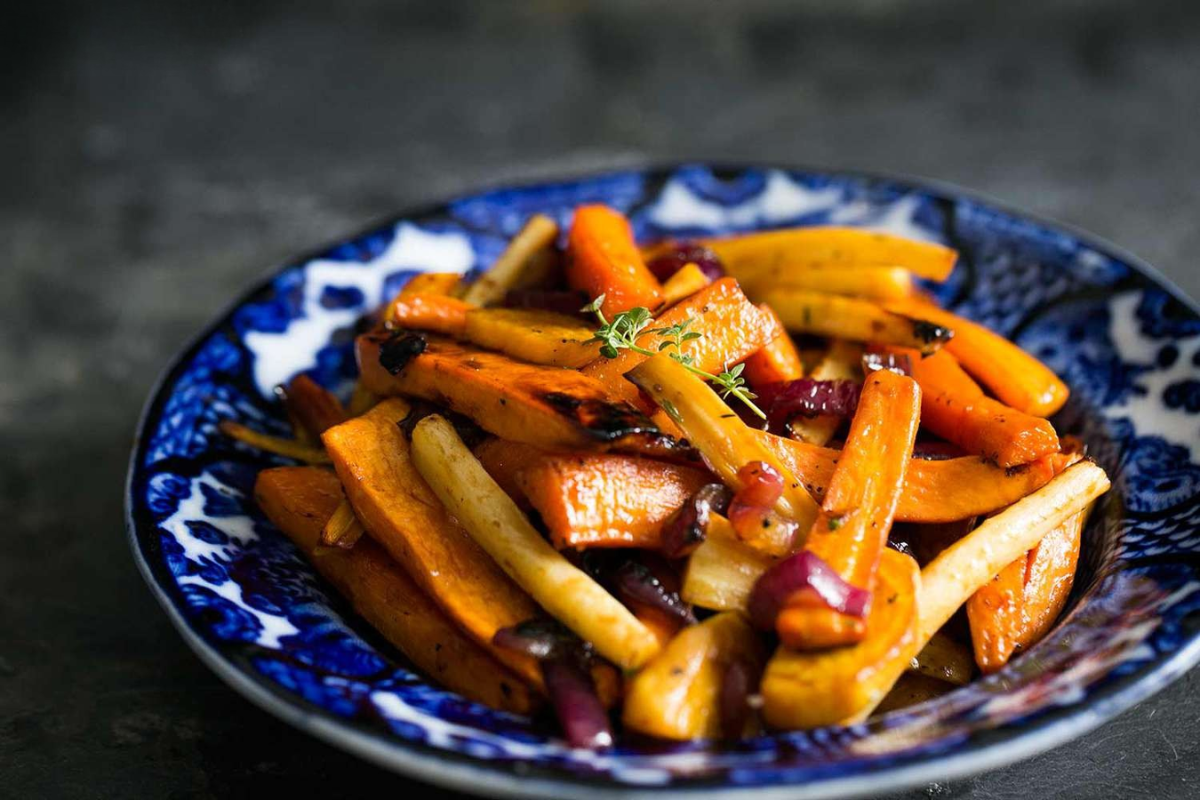
- For more variety: Mix beets, parsnips, and carrots on one roasting tray.
Healthy root vegetables can fit into most balanced diets. The key is to vary your choices and watch how much oil, salt, and sugar you add during cooking.
How to Choose and Cook Root Vegetables
Choose firm vegetables with smooth skin and no soft, wet spots. Avoid roots that smell bad or show signs of rot.
To prepare them safely:
- Wash well under running water before cutting.
- Scrub the skin to remove dirt.
- Cut into similar-sized pieces so they cook evenly.
- Roast, steam, boil, or bake with a little oil and herbs.
You can also use carrot tops and beet greens if they are fresh and safe to eat. This helps reduce food waste.
When planning meals, remember that potatoes and sweet potatoes are starchy. Pair them with other vegetables and a protein source rather than serving several large portions of starch at once.
Frequently Asked Questions
1. Which root vegetable is the healthiest?
There is no single winner. Carrots offer beta-carotene, beets provide folate, and potatoes supply potassium. Eating a mix of healthy root vegetables gives you more variety.
2. Are root vegetables good for weight management?
They can fit into a balanced diet. Fiber may help you feel full, but cooking methods and portion sizes also matter.
3. Can you eat root vegetables every day?
Yes, most people can enjoy them often. Rotate different types and balance starchy roots with other vegetables, whole grains, and protein foods.