In the US, some medications cost more than $4.25 million per treatment. This is more than the cost for all luxurious homes put together. The list of the most expensive drugs in the US has risen to previously unheard-of levels. As medical research moves into the field of one-time “miracle” gene therapies. It is frequently leaving patients and insurers struggling to pay for these life-saving discoveries.
A new class of “silent” multimillion-dollar treatments. With price tags that defy traditional economic reasoning. It is emerging behind the closed doors of pharmaceutical innovation. In the sections that follow, we peel back the layers of this high-stakes industry. And show which particular names currently command the highest price for health.
We also examine the complex forces that keep these costs among the most costly and best-kept secrets in the world. Spanning from shifting policy shadows to breakthroughs in rare diseases.
Why Are Drugs So Expensive in the US?
Drug prices in the US are nearly 2.8 times higher than in other developed nations. Majorly because the US lacks the centralized price controls found in Europe or Japan. While pharmaceutical giants cite the $2.6 billion average cost. This is to develop a single drug as a primary driver. Several systemic factors keep the most expensive drugs in the US at record-breaking levels.
- Patent Monopoly: Exclusive rights prevent cheaper generics from entering the market for years.
- PBM Middlemen: Pharmacy Benefit Managers often favor high-list-price drugs to maximize their own rebates, inflating costs before they reach the patient.
- Limited Negotiation: Unlike other nations, the US government only recently began negotiating prices for a select few Medicare drugs.
Recent data shows median launch prices for new treatments surged by 51% between 2022 and 2024. With specialized gene therapies now routinely exceeding seven figures.
Here are Some Record-Breaking, Most Expensive Drugs in the US:
The following list identifies the most expensive drugs in the US. They are verified by pharmaceutical pricing data and clinical FDA approval records.
| Rank | Drug Name | Manufacturer | Medical Condition | Estimated Cost |
| 1 | Lenmeldy | Kyowa Kirin | Metachromatic Leukodystrophy (MLD) | $4,250,000 |
| 2 | Kebilidi | PTC Therapeutics | AADC Deficiency | $3,950,000 |
| 3 | Hemgenix | CSL Behring | Hemophilia B | $3,500,000 |
| 4 | Beqvez | Pfizer | Hemophilia B | $3,500,000 |
| 5 | Elevidys | Sarepta | Duchenne Muscular Dystrophy | $3,200,000 |
| 6 | Lyfgenia | Bluebird Bio | Sickle Cell Disease | $3,100,000 |
| 7 | Skysona | Bluebird Bio | Cerebral Adrenoleukodystrophy | $3,000,000 |
| 8 | Zynteglo | Bluebird Bio | Beta-Thalassemia | $2,800,000 |
| 9 | Casgevy | Vertex/CRISPR | Sickle Cell Disease | $2,200,000 |
| 10 | Zolgensma | Novartis | Spinal Muscular Atrophy (SMA) | $2,125,000 |
| 11 | Zokinvy | Eiger Bio. | Progeria (Premature Aging) | $1,073,760 |
| 12 | Danyelza | Y-mAbs | Neuroblastoma (Bone Cancer) | $1,011,882 |
| 13 | Kimmtrak | Immunocore | Uveal Melanoma (Eye Cancer) | $975,520 |
| 14 | Myalept | Amryt Pharma | Leptin Deficiency | $930,000 |
| 15 | Luxturna | Spark/Pfizer | Inherited Retinal Disease | $850,000 |
1. Lenmeldy (atidarsagene autotemcel)

- What it treats: Metachromatic leukodystrophy (MLD), a rare and fatal genetic disorder that destroys the protective layer of nerve cells in children.
- Why the price is high: It is a one-time gene therapy targeting an ultra-rare population (approx. 1 in 40,000). The $4.25 million tag reflects its “societal value” in preventing early death and lifelong intensive care.
- Availability: Restricted to a few specialized Qualified Treatment Centers (QTCs) across the US due to the complexity of the stem cell transplant process.
Lenmeldy is a groundbreaking gene therapy used to treat children with Metachromatic Leukodystrophy (MLD), a devastating genetic condition that destroys the protective coating of nerve cells. Without treatment, children lose the ability to move, speak, and swallow. The price is currently the highest among the most expensive drugs in the US because it provides a life-saving alternative to an otherwise terminal disease. It is only available at select specialized hospitals capable of performing complex stem cell transplants.
2. Kebilidi (eladocagene exuparvovec)

- What it treats: Aromatic L-amino acid decarboxylase (AADC) deficiency, which causes severe developmental delays and motor dysfunction.
- Why the price is high: This is the first and only gene therapy for AADC. The $3.95 million price stems from the precision neurosurgery required for administration and the small number of eligible patients.
- Availability: Administered only at designated pediatric neurosurgery centers (e.g., Boston Children’s and Texas Children’s Hospital).
Approved for AADC deficiency, this drug treats a rare condition where children lack a specific enzyme needed to make dopamine and serotonin. This causes severe developmental delays. The high cost reflects the precision surgery required to inject the therapy directly into the brain. While it is one of the most expensive drugs in the US, it offers these children their first chance at achieving motor milestones like sitting or walking.
3. Hemgenix (etranacogene dezaparvovec)

- What it treats: Hemophilia B in adults.
- Why the price is high: It replaces the need for frequent, lifelong infusions of Factor IX, which can cost $300,000+ annually. The $3.5 million price is essentially a “pre-payment” for years of avoided treatment.
- Availability: Commercially available through specialized hematology centers.
Hemgenix treats Hemophilia B, a blood-clotting disorder. Patients traditionally require lifelong, expensive infusions to prevent bleeding. Because this gene therapy allows the body to produce its own clotting factor for years, its multi-million dollar price is actually viewed as “cost-saving” over a patient’s lifetime. It remains a top contender among the most expensive drugs in the US for hematology.
4. Beqvez (fidanacogene elaparvovec)

- What it treats: Moderate to severe Hemophilia B.
- Why the price is high: Competitively priced at $3.5 million to match Hemgenix. Pfizer offers a “warranty” to insurers, providing partial refunds if the drug fails to maintain its efficacy.
- Availability: Available at major US hemophilia treatment centers.
Pfizer’s Beqvez is a direct competitor to Hemgenix for Hemophilia B. It works by delivering a functional gene to the liver so the body can clot blood naturally. The price matches its competitor exactly, showcasing how the market for the most expensive drugs in the US is beginning to see some internal competition between pharmaceutical giants.
5. Elevidys (delandistrogene moxeparvovec)

- What it treats: Duchenne muscular dystrophy (DMD).
- Why the price is high: DMD is a progressive, fatal disease. The $3.2 million price targets the underlying genetic cause rather than just managing symptoms.
- Availability: Widely monitored; recently expanded to include a broader age range, though its use in non-ambulatory patients has faced recent regulatory pauses.
Used for Duchenne Muscular Dystrophy (DMD), Elevidys aims to slow down the rapid muscle wasting that usually leaves boys in wheelchairs by their early teens. The $3.2 million price tag covers the high-tech viral “shuttle” used to deliver a shortened version of the missing dystrophin gene into the muscles.
6. Lyfgenia (lovotibeglogene autotemcel)

- What it treats: Sickle cell disease (SCD).
- Why the price is high: At $3.1 million, it uses a lentiviral vector to add functional genes to a patient’s stem cells, aiming to stop the “pain crises” common in SCD.
- Availability: Available at authorized treatment centers; requires a long-term bone marrow transplant process.
Lyfgenia treats Sickle Cell Disease by modifying the patient’s own blood cells to produce healthy hemoglobin. This prevents the excruciating “pain crises” that hospitalize patients. Because the treatment involves a long bone marrow transplant process, the logistics add to its status as one of the most expensive drugs in the US.
7. Skysona (elivaldogene tavalent-l)

- What it treats: Cerebral adrenoleukodystrophy (CALD), a rare, fatal brain disease in boys.
- Why the price is high: $3 million for a one-time infusion that can halt permanent neurological decline if administered early.
- Availability: Limited to specialized centers; doctors must monitor for a rare risk of blood cancer post-treatment.
Skysona is a gene therapy for Cerebral Adrenoleukodystrophy (CALD), a rare brain disease in young boys. It is designed to stop the rapid neurological decline that usually leads to death within years of diagnosis. Its small patient pool and specialized manufacturing contribute to its $3 million cost.
8. Zynteglo (betibeglogene autotemcel)

- What it treats: Beta-thalassemia, a blood disorder requiring regular transfusions.
- Why the price is high: $2.8 million. It offers transfusion independence, potentially saving the healthcare system millions in long-term blood costs and iron-overload treatments.
- Availability: Available at selected medical centers with expertise in stem cell transplants.
This therapy is for patients with Beta-Thalassemia who otherwise need blood transfusions every few weeks for their entire lives. By enabling the body to make healthy red blood cells, Zynteglo eliminates the need for those transfusions, making it a high-value cure despite the upfront cost.
9. Casgevy (exagamglogene autotemcel)

- What it treats: Sickle cell disease and Beta-thalassemia.
- Why the price is high: $2.2 million. It is the first FDA-approved therapy using CRISPR/Cas9 gene-editing technology.
- Availability: Rollout is ongoing through Vertex’s network of authorized treatment centers.
Casgevy made history as the first FDA-approved treatment using CRISPR gene editing. It treats Sickle Cell Disease and Beta-Thalassemia. While “cheaper” than some competitors at $2.2 million, it is still among the most expensive drugs in the US due to the precision-editing technology involved.
10. Zolgensma (onasemnogene abeparvovec)

- What it treats: Spinal muscular atrophy (SMA) in children under age 2.
- Why the price is high: $2.125 million. It replaces the missing SMN1 gene. When it launched, it was the world’s most expensive drug.
- Availability: Widely available at major pediatric hospitals; frequently covered by insurance due to its life-saving impact.
Zolgensma treats Spinal Muscular Atrophy (SMA) in infants. It was the first gene therapy to cross the $2 million mark. It works by replacing a missing gene to prevent fatal muscle weakness. It is widely available at major pediatric centers across America.
11. Zokinvy (lonafarnib)

- What it treats: Progeria (premature aging syndrome).
- Why the price is high: Approx. $1.07 million per year. It is a chronic medication (not a one-time cure) for an ultra-rare disease affecting only about 400 children worldwide.
- Availability: Distributed through specialty pharmacies.
Unlike the cures above, Zokinvy is a chronic medication taken daily for Progeria, a rare disease causing rapid aging in children. Because only a few hundred children worldwide have this condition, the per-patient cost to recover research expenses is over $1 million per year.
12. Danyelza (naxitamab-gqgk)
- What it treats: High-risk neuroblastoma in the bone or bone marrow.
- Why the price is high: Approx. $1.01 million per year. This monoclonal antibody is highly specialized for relapsed cases that don’t respond to standard chemo.
- Availability: Used in oncology hospitals for pediatric and adult patients.
Danyelza is a specialized antibody for Neuroblastoma, a type of bone cancer in children. It is used when other treatments fail. The high price reflects the intense research into “relapsed” cancer cases that have no other options.
13. Kimmtrak (tebentafusp-tebn)
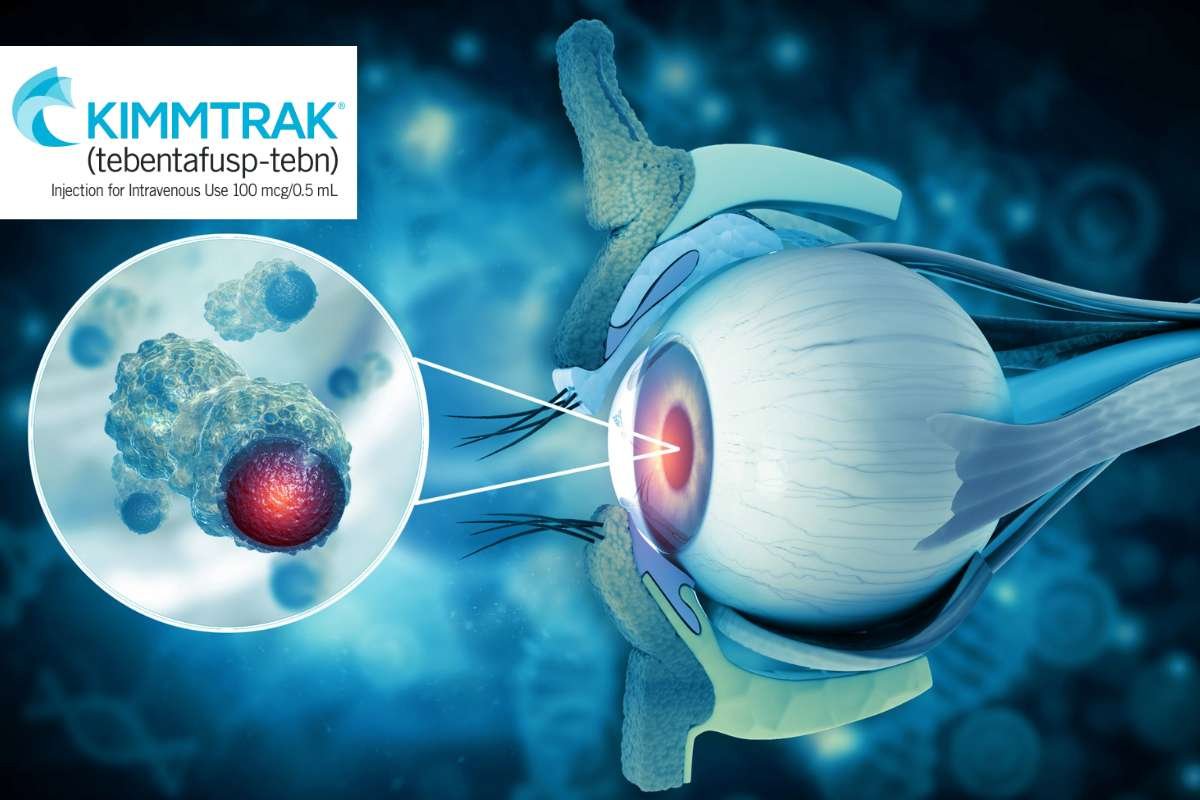
- What it treats: Uveal melanoma (a rare eye cancer).
- Why the price is high: Approx. $975,000 per year. It is the first therapy shown to improve survival in patients with this specific, metastatic cancer.
- Availability: Administered as a weekly intravenous infusion in clinical settings.
This drug treats a rare type of eye cancer called Uveal Melanoma. It is the first treatment to show it can actually extend the life of patients with this specific cancer, justifying its near-million-dollar annual list price in the oncology market.
14. Myalept (metreleptin)
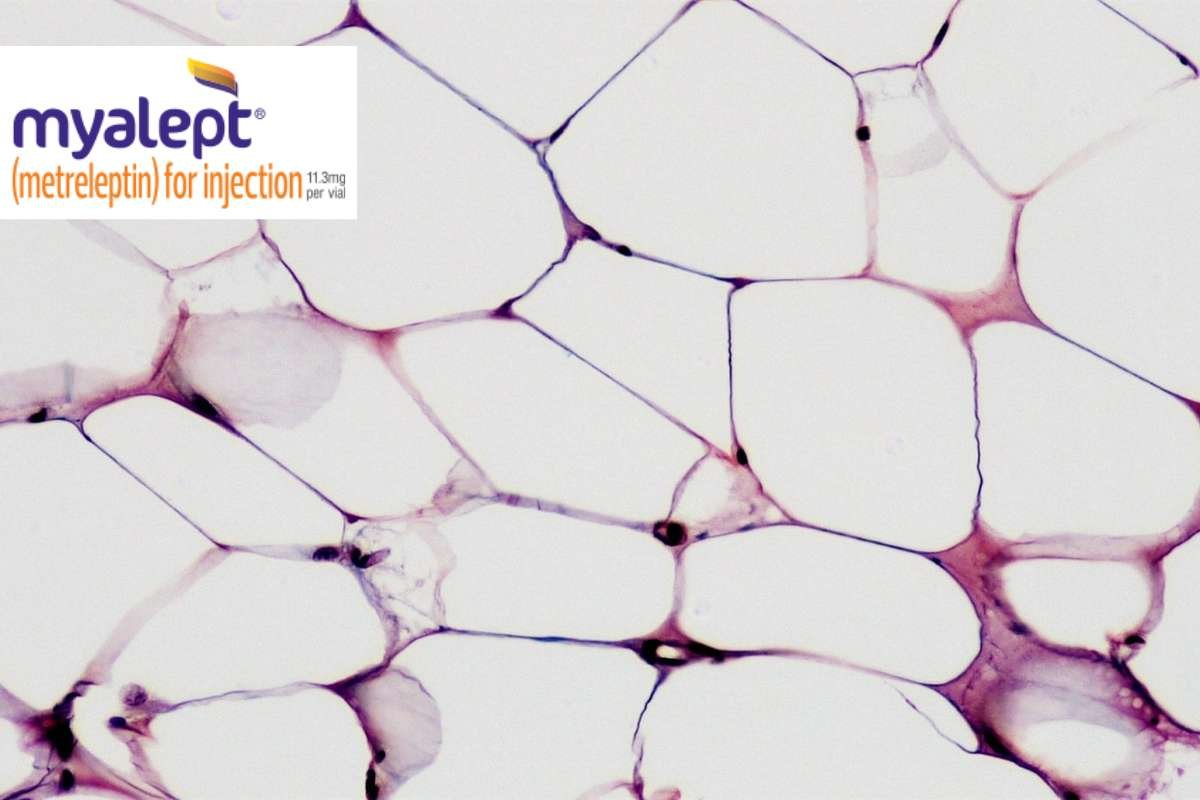
- What it treats: Leptin deficiency in patients with generalized lipodystrophy.
- Why the price is high: Approx. $930,000 per year. It is a daily self-injection for a very small patient population.
- Availability: Available only through a restricted REMS (Risk Evaluation and Mitigation Strategy) program.
Myalept treats Leptin Deficiency, a rare condition that causes severe metabolic issues and organ damage. It is a daily injection. Its price is high because the patient population is extremely small, often counted in the hundreds.
15. Luxturna (voretigene neparvovec)
- What it treats: Inherited retinal disease that leads to blindness.
- Why the price is high: $850,000 ($425,000 per eye). It was the first gene therapy for an inherited disease in the US.
- Availability: Administered by specialized ophthalmic surgeons at select eye centers.
Luxturna treats a specific type of inherited blindness. While it is the “least expensive” on this list, it was the pioneer for gene therapy in the US. It is injected into each eye to restore vision, literally giving sight back to those who were once legally blind.
Read Next:
- Why These Are the Most Expensive Drugs in the World and What Makes Them Worth It?
- The 10 Largest-Selling Pharmaceutical Products You Need to Know
Patient Impact & Accessibility
While the clinical potential of the most expensive drugs in the US is amazing. The human cost is often equally profound. For many, a “miracle cure” remains out of reach. Due to a fragmented insurance system that struggles with “one-and-done” payment models.
The Access Gap
Even with insurance, patients can face “catastrophic” out-of-pocket burdens. While Medicaid often covers these therapies with minimal copays, commercial plans may impose high coinsurance or strict prior authorizations that delay treatment during critical windows.
Insurance Mismatch: Most insurers operate on annual cycles. This makes them hesitant to pay $3 million today for a benefit that saves money ten years later. Especially if the patient switches plans.
The “Lottery” Effect: Accessibility often depends on whether an employer’s “stop-loss” insurance can absorb a multi-million dollar shock.
Real-World Impact
Terence Blue (Hemophilia B)
Terence Blue, the first New England patient to receive Hemgenix. He transitioned from decades of painful, thrice-weekly needles to being “needle-free.” And healing faster than ever before. While life-changing, the $3.5 million price tag required months of rigorous insurance coordination and clinical screening. This is to ensure access to this one-time cure.
Maria S., Parent of an SMA Patient (Zolgensma)
Maria S.’s son was diagnosed with Spinal Muscular Atrophy (SMA) at four months old. Zolgensma offered a one-time genetic cure. But its $2.1 million cost meant uncertain insurance approval. After weeks of review, coverage was granted. And today, her son is reaching motor milestones once thought impossible.
Policy Landscape & Future Outlook
Entering 2026, the policy landscape has shifted significantly. As of January 1, the first ten negotiated Medicare prices have officially taken effect. It is slashing out-of-pocket costs for millions. Simultaneously, the new GLOBE and GUARD pilot programs. They are testing “Most-Favored-Nation” benchmarks to align US costs with global prices.
“One-time gene therapies challenge traditional insurance models. Paying millions upfront for benefits realized over decades requires new risk-sharing agreements and long-term outcome tracking.” Senior Medical Director, U.S. National Health Insurer.
Legislative pressure continues to mount with the PBM Transparency Act. This targets middlemen to lower the cost of the most expensive drugs in the US. While the industry faces record inflation caps. The direct-to-patient (DTP) agreements are emerging as a new standard for affordability.
Conclusion
In terms of healthcare, the pharmaceutical industry in 2026 marks a historic turning point. A new era of accountability can be seen by the introduction of Medicare price negotiations and improved PBM transparency. Even though the most expensive drugs in the US still have startling multi-million dollar price tags. These treatments provide remedies where there was previously only chronic suffering. They are the height of human ingenuity. The emphasis is still on making sure that these medical advancements are scientific achievements and reachable realities. Especially for every patient in need. We strike a balance between the cost of innovation and the need for access.
FAQ:
1. Why are drugs in the US more expensive than in other countries?
The US lacks government-controlled drug price negotiations. Unlike many developed countries. Pharmaceutical companies can set higher prices. Due to patent protections, minimal competition, and high R&D costs. Along with complex insurance systems. All of this contributes to inflated drug pricing.
2. Are the most expensive drugs in the US one-time treatments or lifelong therapies?
Many of the most expensive drugs in the US are one-time gene therapies. They are designed to correct genetic disorders permanently. While the upfront cost is extremely high. These treatments may eliminate the need for lifelong medical care. The companies use this to justify pricing.
3. Do insurance companies cover the most expensive drugs in the US?
Insurance coverage varies. Some private insurers and government programs may cover these drugs. But patients often face strict eligibility criteria, prior authorization, and high cost-sharing. In many cases, treatment access depends on the patient’s insurance plan. Along with the treatment center availability.
Informational Disclaimer
This article is solely intended for educational and informational purposes. It does not represent financial advice, diagnosis, treatment recommendations, or medical advice. Patients, providers, and geographical areas may have different drug availability, costs, and insurance coverage. Before deciding on a course of treatment, always seek advice from licensed medical professionals and insurance companies.