
Mental health is the emotional, psychological, and social well-being that shapes how we think, feel, and cope with stress. It spans everyday well-being to disorders such as depression and anxiety.
More than 1.1 billion people live with a mental disorder, according to the WHO, and depression and anxiety alone cost the global economy roughly US$1 trillion a year in lost productivity.
This guide brings brain science, clinical innovation, drug development, and policy together, so you can see what drives mental illness, what works today, and where the next breakthroughs are coming from. Use it as a map: each section links to a deep-dive on the conditions, treatments, and technologies that matter most to you.
Table of Contents
Why Mental Health Remains One of Modern Medicine’s Largest Unmet Needs
Mental health conditions are common and can be disabling, yet many people who need care do not receive it in time, or at all. This is the paradox behind one of modern medicine’s largest unmet needs: effective treatments exist, but access, quality, and real-world outcomes remain uneven.
Scope: well-being vs disorders
Mental well-being includes emotional health, coping, relationships, and productivity. It is broader than mental disorders, which are clinically recognizable conditions such as depression, anxiety disorders, psychosis, and bipolar disorder. These may require assessment and treatment. Not everyone with distress has a disorder, and not every person with a condition needs the same level of care..
Why the need is unmet
The treatment gap is wide worldwide. The World Health Organization estimates that only about 40% of people with psychosis receive mental health services. In the United States, 50.6% of adults with any mental illness received treatment in 2022, meaning nearly half did not.
Barriers include delayed diagnosis, shortages of trained specialists, stigma, fragmented services, affordability, and weak follow-up.
The opportunity ahead
Progress will require more than new drugs. Neuroscience, biomarkers, digital tools, better-trained primary-care teams, and health-system reform can help identify needs earlier, expand access, and improve follow-up.
The Mental Health Burden: Vast, Costly, And Untreated
The burden of mental disorders is vast, costly, and still largely untreated. Median government expenditure on mental health globally remains stuck at roughly 2% of total health budgets. It is a rate that has remained unchanged since 2017.
Scale and cost
Mental conditions create direct healthcare costs and much larger indirect losses through reduced productivity, absenteeism, disability, and strain on families and caregivers. Clinical Depression and anxiety alone cost the global economy an estimated US$1 trillion annually, largely through lost productivity, and account for about 12 billion lost working days each year.
Treatment and inequality
| Indicator | Figure | Geography/year |
| People with mental disorders | More than 1.1 billion (13.6%) | Global, 2021 |
| Depression treatment coverage | About one-third receive care | High-income countries |
| Economic cost of depression and anxiety | US$1 trillion per year | Global, current WHO estimate |
| Adolescent prevalence | 1 in 7 people aged 10–19 (14.3%) | Global |
| Care in low-income countries | Fewer than 10% of affected people receive care | Low-income countries, 2025 WHO data |
The burden is unequal. Young people are especially affected: one in seven adolescents aged 10–19 experiences a mental disorder. And most do not receive care, signaling a widening mental health crisis among youth. Poverty, conflict, weak infrastructure, and limited specialist capacity further widen gaps between need and treatment.
Early life and physical health
Difficulties in childhood and adolescence can disrupt schooling, development, relationships, and future physical health. Mental disorders also commonly co-occur with chronic conditions such as diabetes and cardiovascular disease. The relationship is bidirectional rather than having one simple cause.
Inside the Brain: Circuits and Chemistry Behind Mental Illness
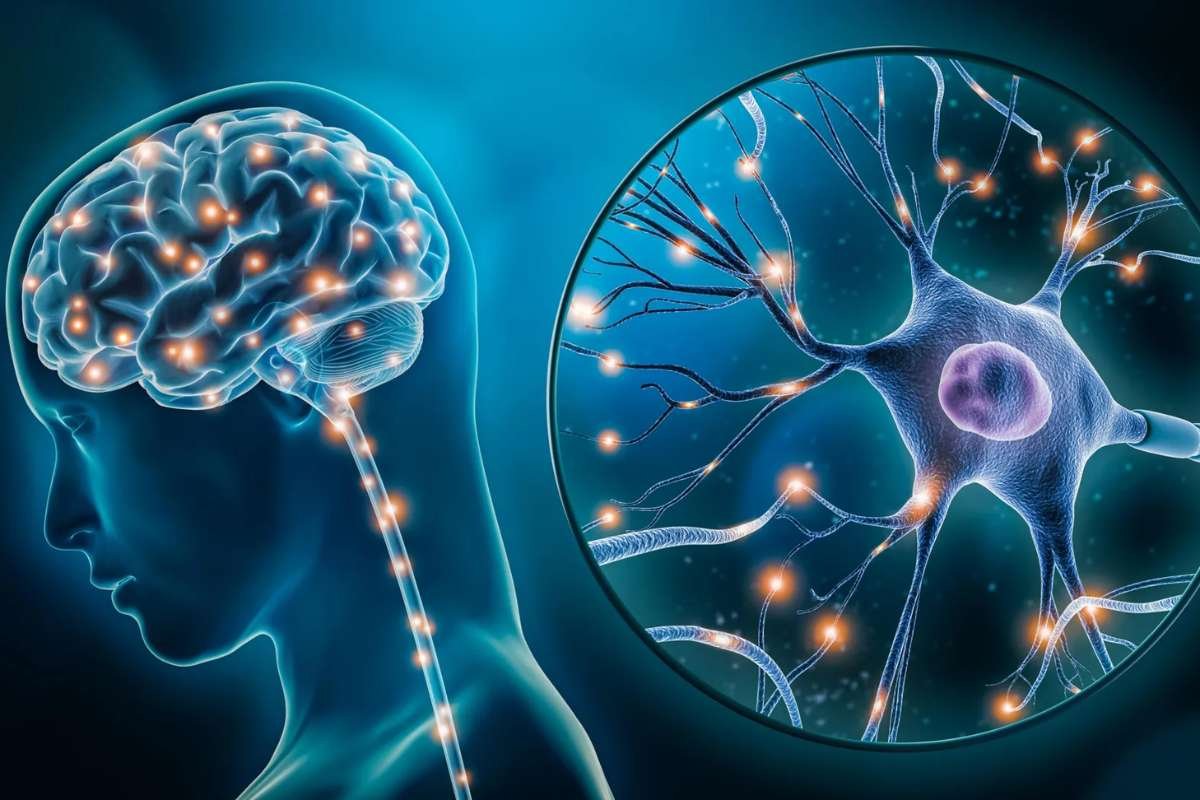
Mental illness is not located in one “broken” brain region. It involves interconnected circuits that regulate emotion, reward, attention, memory, and threat responses. Your mental health depends on how these networks function together.
Circuits and chemistry
Brain networks linking the prefrontal cortex, amygdala, hippocampus, and reward system help shape mood, motivation, learning, and fear. Neurotransmitters such as serotonin, dopamine, glutamate, and GABA influence signaling within these circuits, but depression or anxiety cannot be reduced to a single “chemical imbalance.”
Stress, genes, and experience
Prolonged stress activates the hypothalamic-pituitary-adrenal (HPA) axis, changing how the body and brain respond to threat. Genetic susceptibility is polygenic and interacts with environment, development, and life experiences. It influences risk but does not determine an individual’s outcome.
Plasticity and treatment
The brain changes with experience, a property called neuroplasticity. Researchers study whether therapies can strengthen healthier circuit patterns in depression and other conditions. Transcranial magnetic stimulation (TMS), for example, targets neural circuits and has FDA approval for depression and obsessive-compulsive disorder.
Seven Conditions, One Clinical Map:
Seven major conditions can share symptoms, but they differ in patterns, duration, and treatment. Mental Health assessment therefore depends on a clinician’s full history, not on one symptom alone.
| Condition | Defining features | Diagnostic considerations | Broad treatments |
| Clinical depression | Persistent low mood or loss of interest | Duration, severity, recurrence, medical causes | Therapy, antidepressants, support |
| Anxiety disorders | Excessive fear, worry, avoidance | Persistence and daily-life impairment | CBT, SSRIs, coping support |
| Bipolar disorder | Depression plus mania or hypomania | Episode history, energy, sleep, impulsivity | Mood stabilizers, therapy |
| PTSD | Re-experiencing, avoidance, hyperarousal | Trauma exposure and symptom clusters | Trauma-focused therapy, medication |
| Eating disorders | Disordered eating and body-image concerns | Eating patterns, nutrition, medical risk | Nutrition care, psychotherapy |
| Schizophrenia and psychosis | Hallucinations, delusions, altered thinking | Duration, functioning, rule-outs | Antipsychotics, coordinated care |
| ADHD | Inattention, impulsivity, hyperactivity | Childhood onset, symptoms across settings | Behavioral support, medication |
Overlap, not sameness
Depression can accompany anxiety, bipolar disorder, PTSD, and eating disorders. Poor sleep, poor concentration, and distress are common across categories. Overlapping symptoms do not establish the same diagnosis, which is why clinicians assess timing, triggers, family history, functioning, and physical health.
Misconceptions to correct
Bipolar disorder is not simply “mood swings,” and schizophrenia is not dissociative identity disorder. ADHD is also not a lack of discipline. It is a neurodevelopmental condition with individual variation in symptoms and support needs.
What Works Today, and Where It Fails
Effective Mental Health care exists, but no treatment works equally well for everyone. The right plan depends on the condition, severity, preferences, medical history, and access to follow-up.
Therapy and medication
CBT helps people identify and change unhelpful thoughts and behaviors; exposure-based CBT is commonly used for anxiety disorders. Other evidence-supported approaches include interpersonal therapy and trauma-focused therapies, selected according to the clinical context.
Medication categories include antidepressants (such as SSRIs and SNRIs), anti-anxiety medicines, mood stabilizers, antipsychotics, and stimulants. They may reduce symptoms and support functioning, but can cause side effects and require monitoring for tolerability, interactions, and adherence.
Combined and condition-specific care
Psychotherapy and medication are often combined for moderate-to-severe depression, some anxiety disorders, and complex presentations. Mild depression may begin with therapy alone, while medication is commonly included early in moderate or severe cases.
Treatments should not be generalized automatically. An approach supported for depression may not be the best choice for others. Each condition needs its own evidence base and clinical assessment.
When treatment seems to fail
Before calling a treatment-resistant, clinicians review the diagnosis, treatment duration, dose where relevant, adherence, comorbidities, and side effects. Inadequate response can reflect an incomplete trial, an untreated co-occurring condition, or a plan that does not fit the person.
Relapse prevention requires follow-up, maintenance treatment when appropriate, and careful planning before stopping medication. Trial results describe average responses; individual outcomes also depend on social circumstances, access, preferences, and real-world support.
The Frontier: Psychedelics, Digital, Next-Gen Drugs
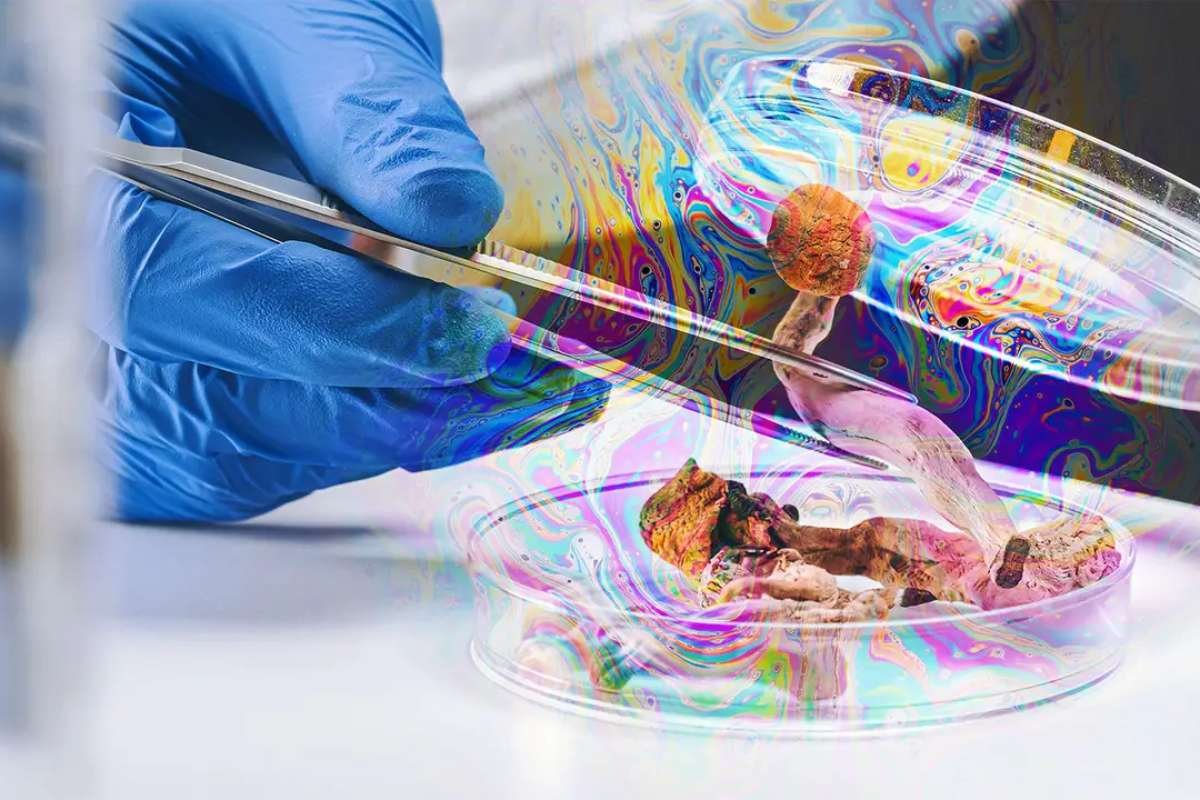
The frontier of Mental Health care includes promising innovations, but their evidence maturity varies widely. Promising early results do not equal approved, affordable, or routinely available treatment.
| Category | Status |
| Established clinical use | Psychotherapy, antidepressants, antipsychotics, mood stabilizers, and stimulants |
| Emerging clinical evidence | Psilocybin for depression and MDMA-assisted therapy for PTSD; both remain investigational in the U.S. |
| Experimental research | Next-generation drugs, AI-enabled tools, and many digital interventions |
Psychedelics and rapid treatments
Psilocybin and MDMA-assisted interventions combine a supervised drug session with structured psychological support, screening, and follow-up. Trials suggest potential benefit, but limitations include small samples, difficulty blinding, variable therapy protocols, safety monitoring needs, and differing rules across countries. In the U.S., neither psilocybin nor MDMA is FDA-approved as a prescription treatment; both remain Schedule I controlled substances.
Rapid-acting treatments, including ketamine-related approaches, may reduce symptoms quickly, but faster relief does not necessarily mean durable recovery.
Digital tools and validation
Telepsychiatry, therapist-supported apps, remote monitoring, and some AI tools can expand access, but they require controlled trials, independent replication, meaningful outcomes, and appropriate comparators. AI tools also raise concerns about privacy, informed consent, algorithmic bias, and clinical accountability.
Regulatory approval, clinical guidelines, insurance coverage, and routine availability require separate steps after promising trial findings.
How Strong Is the Evidence Behind New Mental Health Treatments?
Not every promising mental health innovation is ready for routine care. The key distinction is whether a treatment has demonstrated reliable benefits, for whom it works, and whether those benefits outweigh its risks in real-world settings.
| Evidence level | Examples | What the evidence means | Implications for care |
| Established clinical care | Evidence-based psychotherapy, antidepressants, antipsychotics, mood stabilizers, and condition-specific treatments | These approaches have established roles for particular conditions, although effectiveness, side effects, and suitability vary between individuals. | Clinicians can select treatments based on diagnosis, severity, patient preferences, medical history, and monitoring needs. |
| Emerging clinical evidence | Psilocybin-assisted therapy, MDMA-assisted therapy for PTSD, and selected digital mental health interventions. | Clinical studies may show potential benefits, but findings can be limited by study size, trial design, inconsistent protocols, or insufficient long-term data. Regulatory status also varies by treatment and country. | Patients should distinguish research participation from routine care and check local approval, safety requirements, and clinical guidance before considering an intervention. |
| Experimental research | Investigational psychiatric drugs, unvalidated treatment-response biomarkers, and early-stage AI prediction systems | Early findings may identify promising mechanisms or patterns without proving that an intervention improves patient outcomes or generalizes across populations. | Researchers need independent replication, representative clinical trials, and evidence of meaningful benefit before widespread implementation. |
What Should Count as a Breakthrough?
A promising result is only the first step. Before a new treatment or technology becomes standard practice, decision-makers need to ask four questions:
- Does it work? Do well-designed studies show meaningful benefits compared with an appropriate control or existing treatment?
- Is it safe? Are adverse effects, contraindications, interactions, and longer-term risks adequately understood?
- Who benefits? Do results apply across different ages, clinical presentations, cultural groups, and levels of disease severity?
- Can people access it? Is the intervention affordable, practical to deliver, supported by trained professionals, and available beyond specialist research centers?
Closing the Care Gap:
Closing the care gap requires more than new treatments. Task-sharing models, including WHO’s mhGAP, can help trained primary-care teams deliver mental health support with appropriate specialist supervision.
Workforce and primary care
Shortages of psychiatrists, psychologists, psychiatric nurses, social workers, and community workers limit access, especially in low- and middle-income countries. WHO projects a global shortfall of 10 million health workers by 2030, concentrated in lower-income settings.
Integrating care into primary care can help. Trained primary-care teams can identify concerns, provide basic treatment, support families, and refer to complex cases.
Access, stigma, and affordability
Community-based services provide local, continuous support and reduce reliance on scarce specialists. Telepsychiatry and digital tools can extend reach, but connectivity, privacy, accessibility, and care quality remain barriers.
Cost is another barrier: medicines, therapy, insurance gaps, and out-of-pocket expenses can delay or prevent treatment. Stigma, discrimination, cultural beliefs, and low mental health literacy also discourage help-seeking.
Policy and equity
Sustainable progress needs funding, workforce training, essential medicines, referral pathways, and monitoring of care quality. New therapies and digital tools must be designed to reach underserved groups, or they risk widening existing disparities.
Care pathway: identification → assessment → treatment → follow-up → referral, with barriers possible at every stage.
Precision Psychiatry: The End of Trial and Error?

Precision psychiatry asks whether clinical history, symptoms, genetics, biomarkers, imaging, and digital data can improve treatment decisions. It is a promising research agenda, not yet a proven replacement for careful clinical assessment.
Why selection is difficult
Mental Health disorders often overlap in symptoms, respond differently across patients, and lack a single biological test for diagnosis or treatment choice. NIMH notes that no validated biological, physiological, or behavioral test currently guides treatment selection in depression.
Biomarkers, genes, and AI
Candidate biomarkers may indicate diagnosis, prognosis, or likely treatment response, but a biological association is not the same as validated prediction or clinical utility. Pharmacogenomics can inform selected medication decisions, such as metabolism or drug-interaction risk, but it does not identify one universally effective psychiatric drug for each person.
AI and multimodal data may detect patterns across clinical, behavioral, sensor, imaging, and genomic information. Their value depends on validation in real-world settings, subgroup performance, bias reduction, privacy safeguards, and human oversight.
What counts as progress?
A predictor must improve decisions or outcomes beyond standard assessment to justify routine use. Progress requires prospective trials, independent validation, reproducible results, meaningful patient outcomes, and cost-effectiveness.
Implementation also faces barriers: cost, data quality, specialist training, regulation, and unequal access. Until those hurdles are met, precision psychiatry remains an evolving complement to, not a replacement for, good clinical care.
Conclusion:
Mental health care has never had more scientific momentum. Yet the gap between what we know and what patients receive remains wide. Advances in neuroscience, psychedelic trials, digital tools, and precision psychiatry are promising. But none matter until they are validated, affordable, and within reach of the people who need them. Closing that gap will take better treatments, trained workforces, and sound policy working together.
Whether you work in research, clinical practice, or health policy, the next step is to go deeper. Explore the linked articles throughout this guide to see where the evidence is strongest and where the biggest opportunities lie.
FAQ:
1. What is mental health, and why does it matter?
Mental health influences how we think, feel, cope with stress, build relationships, and navigate daily life. It also affects decision-making, daily functioning, and our ability to manage challenges, while mental disorders may require professional assessment and treatment.
2. What are the most common types of mental health disorders?
Common mental health disorders include anxiety disorders, depression, bipolar disorder, PTSD, eating disorders, and schizophrenia. Although symptoms can overlap, each condition has distinct diagnostic features and may require a different combination of therapies, medications, and support.
3. What is the difference between stress and an anxiety disorder?
Stress is often a response to a specific pressure, whereas anxiety disorders involve persistent or excessive fear or anxiety that can disrupt daily life. If these feelings continue, become difficult to manage, or interfere with sleep, work, relationships, or everyday activities, a qualified healthcare professional can help assess what is happening.
4. How do psychotherapy and medication differ in treating depression?
Psychotherapy addresses thoughts, emotions, and behaviors, while medication targets biological processes involved in symptoms, and both may be used together. The most suitable approach depends on symptom severity, personal preferences, medical history, previous treatment response, and the need for ongoing monitoring.
5. How are digital technologies changing mental health care?
Telepsychiatry, digital therapy tools, and remote monitoring can expand access to care, although their effectiveness and suitability vary. Before relying on an app or AI-based tool, consider the strength of its clinical evidence, privacy protections, and whether professional support is available when needed.
Links and Sources:
- https://www.who.int/health-topics/mental-health/scaling-up-mental-health-care#tab=tab_1
- https://iris.who.int/bitstream/handle/10665/382343/9789240113817-eng.pdf
- https://www.bmj.com/content/390/bmj.r1860
- https://www.who.int/news-room/fact-sheets/detail/adolescent-mental-health
- https://www.nimh.nih.gov/about/director/messages/2024/decoding-the-mind-basic-science-revolutionizes-treatment-of-mental-illnesses
- https://pmc.ncbi.nlm.nih.gov/articles/PMC12352260