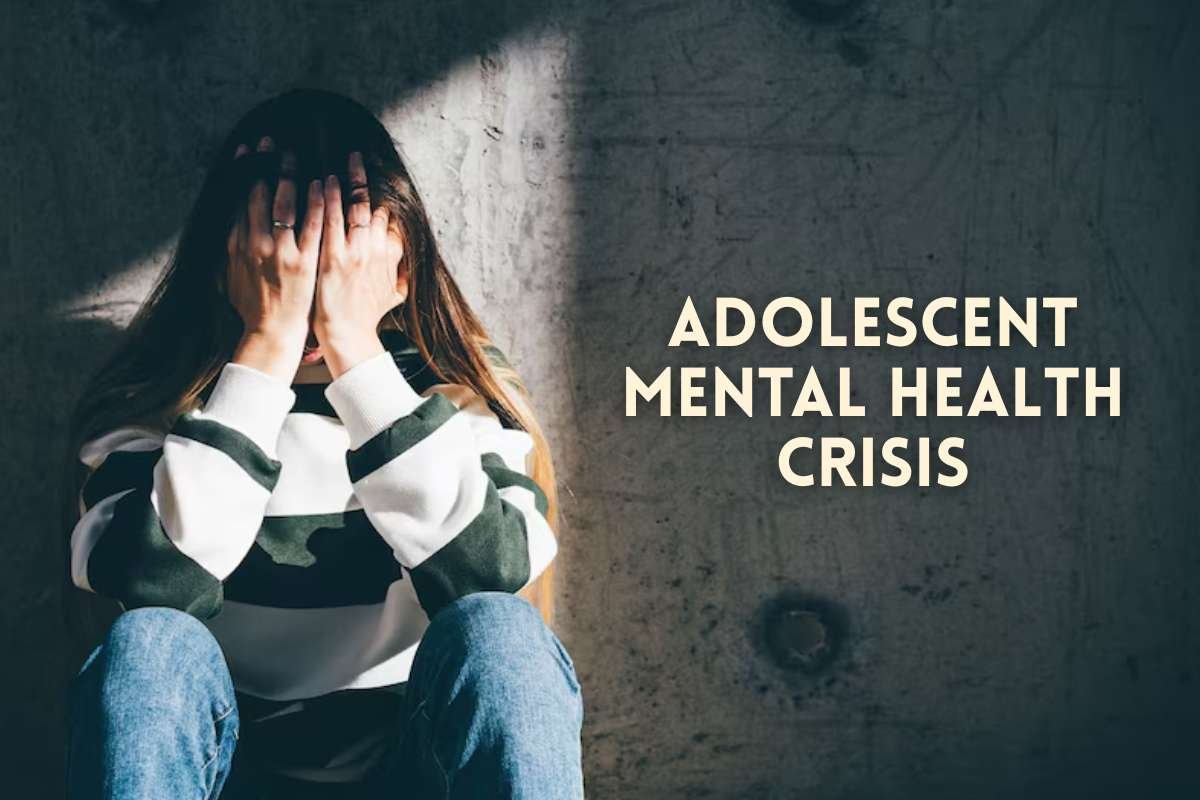
In 2023, 40% of U.S. high schoolers reported persistent sadness or hopelessness, up from 30% in 2013 (though down from 42% in 2021), according to the CDC’s 2024 report. That climb began long before COVID-19. Why are more young people distressed, and what does evidence support? The adolescent mental health crisis unfolds during a period of shifting emotion regulation, relationships, identity, and reward processing, inside worlds shaped by screens, academic pressure, family strain, economic insecurity, and unequal care access.
This article separates population trends from individual diagnoses, examines the social media debate without oversimplifying it, and assesses how clinical care and public policy can respond.
Table of Contents
What Is the Adolescent Mental Health Crisis, And How Serious Is It?
The adolescent mental health crisis refers to a sustained rise in young people’s reported psychological distress, suicidal thoughts, and need for support. It is not simply normal teenage mood changes. Ordinary developmental stress is temporary and manageable. But persistent distress interferes with daily life. A diagnosable condition requires clinically defined symptoms, duration, and impairment.
Scale of the problem
Globally, the WHO estimates that one in seven adolescents aged 10–19 (14.3%) lives with a mental health condition, and many cases go unrecognized or untreated. In the United States, the CDC’s 2023 Youth Risk Behavior Survey found that 40% of high school students reported persistent sadness or hopelessness, 20% seriously considered suicide, and 9% attempted suicide during the prior year.
| Measure | Population | Year | Finding | What it shows, and does not |
| Mental disorder prevalence | Adolescents 10–19, global | 2021 estimate | 14.3% have a mental health condition | Establishes likely clinical burden. Cannot identify specific causes. |
| Persistent sadness/hopelessness | U.S. high-school students | 2023 | 40% | Measures self-reported distress, not diagnosed depression. |
| Anxiety symptoms | U.S. adolescents 12–17 | 2021–2023 | 20% reported symptoms in the past two weeks | Captures recent symptoms, not a formal diagnosis. |
| Depression symptoms | U.S. adolescents 12–17 | 2021–2023 | 18% reported symptoms in the past two weeks | Same limitation: screening symptoms, not clinical diagnosis. |
| Serious suicide consideration | U.S. high-school students | 2023 | 20% | A serious risk indicator, not proof that all respondents will attempt suicide. |
| Suicide attempt | U.S. high-school students | 2023 | 9% | Measures reported behavior. Survey data can undercount or overcount depending on disclosure. |
Who faces higher risk
CDC data show girls, LGBTQ+ students, and some racial and ethnic groups report higher levels of distress or suicide risk. Socioeconomic disadvantage, violence, bullying, and lack of support also elevate risk.
Why Is Adolescent Mental Health Deteriorating? The Science Behind Teen Vulnerability

Adolescence is not inherently a mental disorder. It is a period of rapid change in brain systems that regulate planning, impulse control, emotion, and reward. These changes can make environmental stressors more consequential.
How vulnerability develops
The prefrontal cortex, which supports self-control and emotional regulation, matures gradually. Reward- and emotion-related systems are highly active. This can increase sensitivity to peer approval, social comparison, rejection, and immediate rewards. Supportive relationships, adequate sleep, and skills for managing stress can buffer these pressures. Repeated adversity, poor sleep, bullying, family conflict, and social exclusion can compound them.
| Developmental process | Environmental trigger | Potential effect | Evidence strength |
| Developing impulse and emotion control | Bullying, conflict, academic pressure | Stronger emotional reactions or impulsive coping | Strong for development; weak for explaining population trends. |
| Heightened reward sensitivity | Social media, peer status, risky opportunities | Greater pursuit of approval or novelty | Plausible, but causal link to rising rates is unproven. |
| Rejection and identity sensitivity | Exclusion, discrimination, unstable relationships | Anxiety, low mood, or withdrawal | Observational evidence. Context-dependent. |
| Stress-response regulation | Repeated adversity, poor sleep, unsafe settings | Lower coping capacity and daily functioning | Adversity raises risk, but not every stressed teen develops a disorder. |
Individual susceptibility differs with genetics, developmental history, prior adversity, and access to supportive adults. These mechanisms explain vulnerability. They do not, by themselves, prove why adolescent mental health problems have risen across generations.
Social Media and Teen Mental Health: What Does the Evidence Actually Show?
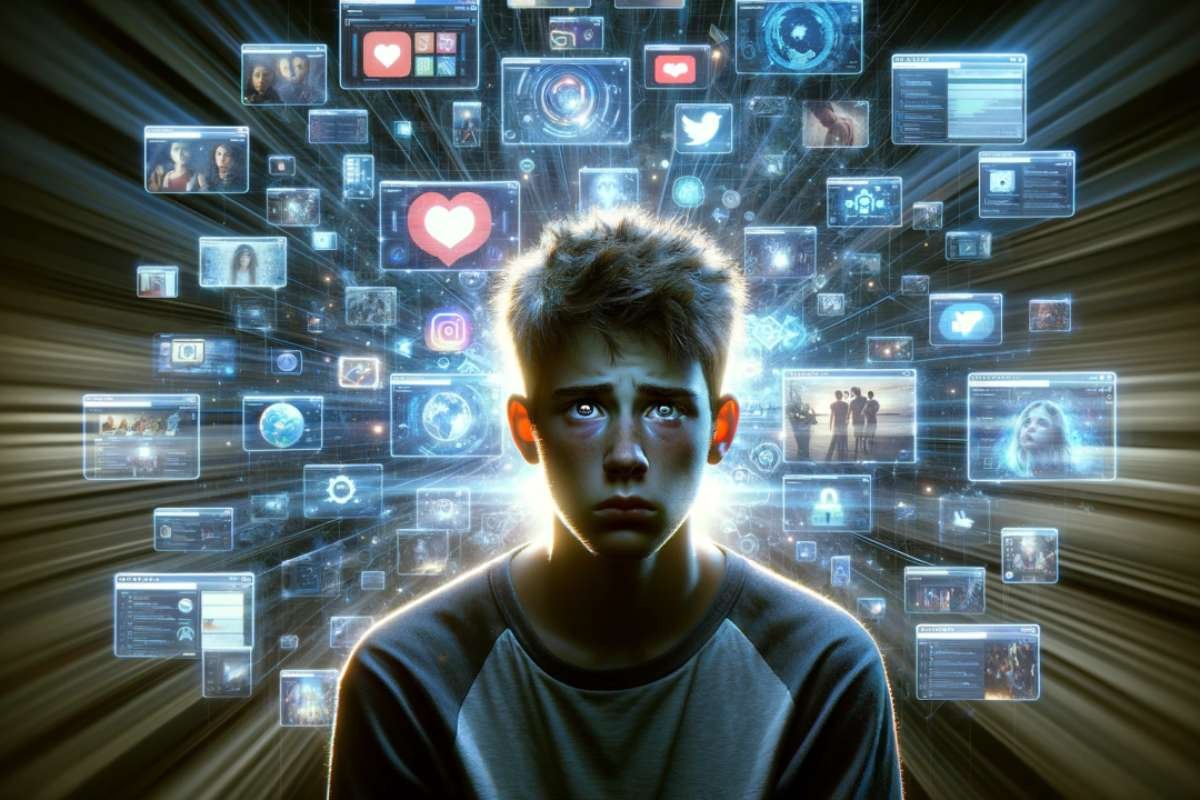
Social media is neither universally harmful nor harmless for teenagers. Evidence suggests patterns of use, not total screen time alone, matter most for anxiety, depressive symptoms, sleep disruption, and body-image concerns.
What the evidence shows
Problematic use, meaning use that disrupts sleep, school, relationships, or routines, is associated with lower well-being and more depression, anxiety, and stress symptoms. Nighttime use, passive scrolling, appearance-focused content, cyberbullying, and fear of missing out are plausible pathways, but causation remains unresolved.
The National Academies concludes that current research does not establish that social media causes population-level changes in adolescent health. Observational studies struggle to separate its effects from pre-existing distress, family circumstances, offline bullying, and sleep problems. Reverse causality is possible: anxious teens may withdraw offline, seek reassurance online, or use platforms more at night.
Beyond Screens: The Social, Economic, and Environmental Pressures on Teens
The adolescent mental health crisis cannot be explained by screens alone. Academic pressure, family instability, bullying, discrimination, poverty, and uncertainty about the future can accumulate and interact, while supportive relationships can reduce their impact.
Risk and protection
| Level | Risks | Protections |
| Individual | Poor sleep, inactivity, substance use, low coping skills | Emotional skills, healthy routines, help-seeking. |
| Family | Conflict, neglect, abuse, parental distress | Stable, caring relationships and parental support. |
| School | Exam pressure, bullying, exclusion | School connectedness, safe climate, teacher support. |
| Community and structure | Poverty, housing or food insecurity, discrimination, limited care | Safe neighborhoods, quality education, accessible services. |
Climate anxiety and future uncertainty may cause real distress for some adolescents, but evidence does not yet show they are a single population-level driver of worsening mental health.
Warning Signs and Consequences: When Adolescent Distress Needs Professional Support
Amid the adolescent mental health crisis, distress needs attention when it persists, intensifies, or disrupts school, friendships, sleep, eating, or daily functioning, not merely because a teen has a difficult week.
- Observe: Watch for lasting sadness, irritability, anxiety, withdrawal, lost interest, sleep or appetite changes, falling grades, missed school, or shifts in relationships. Note whether the change is new, escalating, or follows a recent event.
- Talk: Listen calmly and without judgment. Ask directly, “Are you feeling safe?” and “Have you thought about hurting yourself?” Don’t promise secrecy if safety is at risk.
- Seek assessment: Contact a pediatrician, school counselor, psychologist, or other qualified professional if symptoms last over two weeks, worsen, or disrupt daily life.
- Act urgently: If there are suicidal thoughts, a plan, self-harm, or immediate danger, stay with the adolescent, remove access to means if possible, and call local emergency or crisis services right away
Distress can look different across teens: some withdraw, others become angry, risky, or perfectionistic. Behavioral changes should be interpreted in context, not used for self-diagnosis.
What Works? Clinical Treatments, Early Intervention, and Digital Mental Health

In responding to the adolescent mental health crisis, effective care combines evidence-based therapy, family and school support, early intervention, and, when clinically appropriate, medication. Digital tools can extend access, but should supplement rather than replace professional care.
- CBT and other psychotherapies: Build coping skills and treat anxiety and depression. Well established, but need trained providers and time. Assess persistent or impairing symptoms.
- Family and school support: Improve communication, safety, and belonging. Supports care but doesn’t replace treatment. Assess when distress affects functioning.
- Medication: For moderate-to-severe conditions, often with therapy. Involves side effects and monitoring. Requires professional prescribing and follow-up.
- Early-intervention models: Connect youth to care before symptoms worsen. Promising, but access and capacity vary. Assess emerging or recurrent symptoms.
- Telepsychiatry and digital tools: Widen access to screening, therapy, and follow-up. Useful adjuncts, but quality and privacy vary. Assess for diagnosis and crisis risk.
- Biomarkers and precision psychiatry: Aim to personalize future care. Early-stage research and not a replacement for clinical evaluation, so professional assessment is always required.
Clinical-trial effectiveness does not guarantee real-world access: cost, workforce shortages, stigma, language, transport, and fragmented services can limit population-scale impact.
Conclusion:
The adolescent mental health crisis is real, but no single cause or number explains it. The evidence points to a mix of developmental vulnerability, patterns of social media use, and pressures at home, at school, and in the wider community. Survey data show high distress, yet they cannot separate rising need from greater awareness and better screening. What helps is clearer: early attention, supportive relationships, evidence-based therapy, and accessible care.
If a teenager in your life seems persistently low, anxious, or withdrawn, don’t wait. Start a calm conversation today, and contact a pediatrician, school counselor, or other qualified professional if symptoms last more than two weeks.
FAQ:
1. What is causing the adolescent mental health crisis?
The crisis reflects a complex mix of developmental changes, social media experiences, academic pressure, family stress, socioeconomic conditions, and barriers to mental health care.
2. Why is adolescent mental health getting worse?
Rising distress may reflect interacting social, environmental, and individual factors, although their relative contributions remain uncertain.
3. How does brain development affect the adolescent mental health crisis?
Ongoing brain development can influence emotional regulation, reward sensitivity, and responses to social stress, but it does not inevitably lead to mental illness.
Links and Sources:
- https://www.who.int/news-room/fact-sheets/detail/adolescent-mental-health%E2%81%A0
- https://www.cdc.gov/healthy-youth/mental-health/index.html
- https://pmc.ncbi.nlm.nih.gov/articles/PMC3982854
- https://www.ncbi.nlm.nih.gov/books/NBK525269
- https://www.apa.org/topics/social-media-internet/health-advisory-adolescent-social-media-use
- https://iris.who.int/server/api/core/bitstreams/d2fc6b00-08d3-4fcb-8d69-63b9d99e739d/content
- https://archive.cdc.gov/www_cdc_gov/healthyschools/school_connectedness.htm