
Want to know how to reduce risk of heart attack before symptoms appear? The most effective approach is controlling high blood pressure, cholesterol, diabetes, smoking, inactivity, and other hidden risk factors before they cause lasting damage. This guide explains why heart attacks often develop silently, which risks matter most, the lifestyle changes with the greatest impact, and a practical 30-day plan to protect your heart and lower your long-term risk.
One of the most important health questions for adults is how to reduce risk of heart attack. Most heart attacks happen without warning signs, usually following years of silent damage from high blood pressure, high cholesterol, smoking, diabetes, poor diet, chronic stress, and inactivity.
The good news is that most heart attack risk factors can be diagnosed and treated long before symptoms develop. Understanding what matters most, and what actions deliver the most health benefits. It can help you make smarter decisions today. This guide explains the science behind preventing heart attacks and provides a practical roadmap to reduce your risk at any age.
Table of Contents
How to reduce risk of heart attack? Start with the risks that matter most
A heart attack occurs when blood flow to part of the heart is blocked, usually by a blood clot, which can quickly damage the heart muscle. How to Reduce Risk of Heart Attack starts with controlling the biggest risks before symptoms appear: high blood pressure, high LDL cholesterol, smoking, diabetes, obesity, and physical inactivity.
Risk factors vs triggers
Risk factors are the long-term problems that raise your chance of a heart attack. While triggers are events that can set one off when the disease is already present. Think of risk factors as the fuel and triggers as the spark.
The biggest contributors
- High blood pressure can damage arteries and is often silent, so it may go unnoticed.
- High LDL cholesterol can build plaque in arteries and reduce blood flow.
- Smoking damages blood vessels and raises heart attack risk.
- Diabetes increases heart attack risk even when blood sugar is partly controlled.
- Obesity is linked with higher blood pressure, diabetes, and unhealthy cholesterol levels.
- Physical inactivity increases risk and makes it harder to control weight, blood pressure, and cholesterol.
Why prevention works best early
Prevention is most effective before symptoms appear because many major risks have no warning signs. Especially high blood pressure and high cholesterol. The CDC and American Heart Association both emphasize that changing what you can control lowers risk. That means checking your numbers, quitting tobacco, moving more, eating well, and managing diabetes early.
Why heart attacks often develop without symptoms?
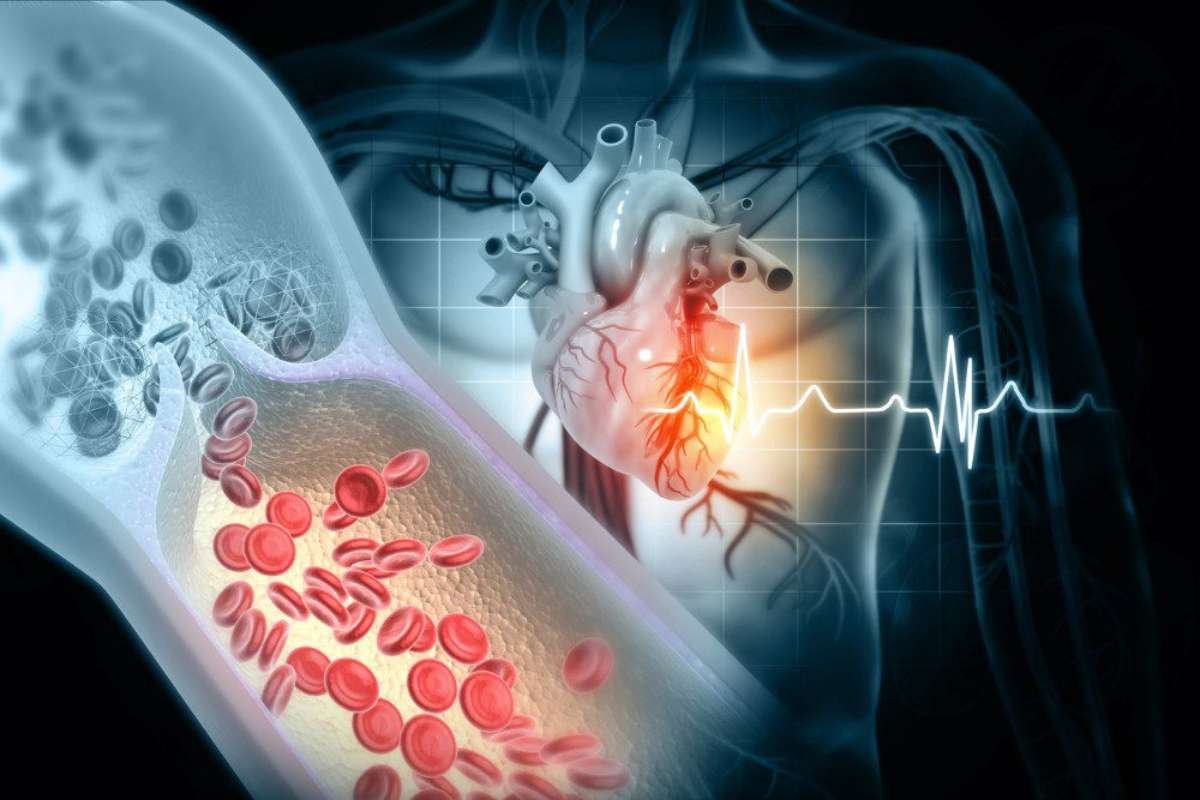
Heart attacks often develop quietly. Because plaque can build up in the arteries over time without causing obvious symptoms. Even when an artery is narrowing, blood flow may still be enough for everyday activity. So many people feel normal until a plaque suddenly ruptures and blocks the artery.
Why symptoms may be absent
Silent plaque buildup usually happens gradually, and the heart can adapt for a while. That is why someone may not notice anything. Until the blockage becomes severe or a clot forms, an emergency starts.
Early warning signs
Do not ignore chest pressure, shortness of breath, pain spreading to the arm, neck, or jaw, sweating, nausea, or indigestion-like discomfort. These symptoms can be mild, come and go, or feel different from what people expect. Especially in women and older adults.
Why this matters
The danger is that “feeling fine” does not always mean the arteries are healthy. If warning signs appear, treat them as urgent, because fast action can limit heart damage.
The biggest risk factors you can control:
The biggest controllable heart risks are blood pressure, cholesterol, blood sugar, smoking, excess body weight, physical inactivity, and alcohol use. How to reduce risk of heart attack starts by managing these basics consistently. Because they affect how hard the heart and arteries have to work.
1. Blood pressure
High blood pressure is one of the most modifiable risks, and it often has no symptoms. Keeping it in a healthy range lowers strain on the heart and blood vessels.
3. Cholesterol
High LDL cholesterol can build plaque in arteries and raise heart attack risk. Lowering it with diet, exercise, and treatment when needed helps prevent blockage over time.
4. Blood sugar and diabetes
Diabetes raises heart risk, and the risk is even higher when blood pressure or cholesterol is also high. Good glucose control matters because high blood sugar damages blood vessels gradually.
5. Smoking and tobacco
Tobacco is one of the most avoidable heart risk factors. Quitting smoking is one of the fastest ways to lower future risk.
6. Weight and activity
Excess body weight can worsen blood pressure, cholesterol, and diabetes risk. Regular physical activity helps control weight and improve heart health; the American Heart Association recommends 150 minutes of moderate activity each week.
7. Alcohol
Alcohol can add to heart risk when intake is high. Keeping it modest, or avoiding it if your clinician advises, is a simple way to reduce strain on the heart.
The hidden risk multipliers most people overlook:

Poor sleep, chronic stress, ultra-processed foods, long sitting, family history, and poor metabolic health can each raise heart risk, and they often stack rather than act alone. How to Reduce Risk of Heart Attack is easier when you focus on the whole pattern, because one problem can worsen another, such as stress raising blood pressure, and poor sleep making glucose control harder.
How the risks combine
These risks do not work in isolation. Poor sleep and chronic stress can increase blood pressure and inflammation, while ultra-processed foods can push weight, cholesterol, and metabolic risk in the wrong direction. Long hours of sitting can add another layer by reducing activity and worsening blood sugar control.
Hidden multipliers
- Poor sleep can raise stress hormones and blood pressure.
- Chronic stress can keep heart rate and blood pressure elevated.
- Ultra-processed foods are linked with higher cardiovascular risk and more metabolic problems.
- Sitting for long hours reduces daily movement and can worsen overall heart risk.
- Family history and genetics can raise baseline risk, so lifestyle matters even more.
- Inflammation and poor metabolic health often travel together with obesity, diabetes, and high blood pressure.
Why this matters
A person may look “low risk” on one factor but still be vulnerable if several smaller risks pile up. That is why the best prevention approach is to improve sleep, stress, food quality, movement, and metabolic numbers together.
Which lifestyle changes deliver the greatest risk reduction?
The changes that usually deliver the biggest risk reduction are the ones that affect several systems at once: quit smoking, lower blood pressure, improve fitness, eat better, maintain a healthy weight, sleep well, and keep doing them consistently. How to Reduce Risk of Heart Attack works best when you start with the highest-impact habits first and keep the plan simple.
Highest impact vs lowest effort
| Change | Highest Impact | Lowest Effort |
| Quit smoking first | Very high | Medium |
| Lower blood pressure | Very high | Medium |
| Improve cardiorespiratory fitness | High | Medium |
| Follow a heart-healthy eating pattern. | High | Medium |
| Maintain a healthy weight. | High | Low to medium |
| Improve sleep quality | Moderate | Low |
| Build consistency, not perfection. | High over time | Very low |
Quitting smoking is often the single biggest win because it removes a major direct cause of artery damage. Lowering blood pressure and improving fitness also pay off quickly because they improve how hard the heart has to work.
A heart-healthy eating pattern, like more fruits, vegetables, whole grains, and less saturated fat, helps blood pressure, cholesterol, and weight. Sleep matters too, because poor sleep can make it harder to control stress, blood pressure, and appetite.
How to reduce risk of heart attack comes down to building these healthy habits and sticking with them over time. The best approach is not perfection. Small daily actions done consistently usually beat short bursts of extreme effort.
Simple order to start
- Stop smoking.
- Check and control blood pressure.
- Walk or move most days.
- Improve meals one step at a time.
- Aim for steady sleep.
A practical 30-day heart attack prevention plan:

Here is a simple 30-day heart attack prevention plan you can start now. It focuses on the habits that matter most and keeps the changes realistic and sustainable. How to Reduce Risk of Heart Attack is easier when you build one week at a time.
Week 1: Assess your current risk
Check your blood pressure, weight, sleep, smoking status, and family history. If you have diabetes, high cholesterol, or a past heart issue, note that too. This gives you a clear starting point.
Week 2: Improve nutrition
Make one change per meal: more vegetables, fruit, whole grains, beans, nuts, and fish; less salt, sugary drinks, and fried or processed foods. Aim for smaller portions and more home-prepared meals when possible.
Week 3: Increase daily movement
Walk every day, even if it is only 10 to 15 minutes at first. Try to build toward regular moderate activity across the week, because movement helps blood pressure, blood sugar, weight, and mood.
Week 4: Strengthen long-term habits
Set a sleep routine, choose a quit-smoking plan if needed, and decide how you will track progress. Pick one follow-up action, such as a clinic visit or preventive screening, so your plan becomes ongoing rather than temporary.
Quick checklist:
- Stop smoking.
- Walk daily.
- Monitor blood pressure.
- Improve sleep.
- Schedule preventive screening.
The goal is not perfection. The goal is consistency because small actions repeated daily reduce risk better than short bursts of effort.
When to talk to a doctor about your risk?
Talk to a doctor if you have a family history of early heart disease, chest discomfort, high cholesterol, diabetes, or several risk factors at once. You should also ask about screening if you are not sure which tests you need or how often to repeat them.
When to get checked
Family history matters most when a close relative had heart disease early in life. Chest discomfort, shortness of breath, pain in the arm, jaw, or back, dizziness, or unusual fatigue should be taken seriously and discussed promptly. If you have high blood pressure, high LDL cholesterol, diabetes, smoking exposure, obesity, or inactivity, it is smart to review your risk even if you feel fine.
Screening tests
Common screening includes blood pressure, cholesterol, and blood glucose tests. The American Heart Association notes that blood pressure is usually checked at regular visits, cholesterol every 4 to 6 years for normal-risk adults, and blood glucose at least every 3 years, with more frequent testing if your risk is higher. Your doctor may suggest additional tests based on symptoms and overall risk.
Why this matters
Risk can build silently for years, so waiting for symptoms can miss the best window for prevention. A simple risk review now can help catch problems early and guide treatment before a heart attack happens.
Conclusion:
Preventing a heart attack is not one big fix. It is steady, day-to-day choices. By focusing on the biggest risks, acting early, and building simple habits you can stick with. You can decrease your risk at any age. How to reduce risk of heart attack takes consistency. Track your numbers. Move more. Eat better. Sleep well. Get checked when warning signs or family history raise concern. The best plan is one that you can live with for life, not just a few days. Start small today, and take each healthy step to the next.
FAQ:
What is the 7-second trick to prevent a heart attack?
There is no medically proven “7-second trick” to instantly stop or prevent a heart attack.
At what age does heart failure start?
Heart failure can happen at any age, but it most commonly develops in adults over 65.
How do you prevent a heart attack if you feel it coming?
If you feel a heart attack coming on, your only goal is to minimize damage to your heart muscle by seeking emergency medical care immediately.
What are the 7 warning signs before a heart attack?
A heart attack is often preceded by warning signs that can appear hours, days, or even weeks in advance. Recognizing these symptoms early. Such as chest discomfort, unusual fatigue, and radiating pain, it is crucial.
What are the four signs your heart is quietly failing?
Heart failure means the heart struggles to pump blood efficiently, and symptoms often sneak up quietly over time. The four primary warning signs are persistent fatigue, shortness of breath, lower-body swelling, and a chronic cough.
Link and Sources:
- https://www.secondscount.org/condition/heart-attack/causes
- https://www.heart.org/en/health-topics/heart-attack/warning-signs-of-a-heart-attack
- https://www.hopkinsmedicine.org/health/wellness-and-prevention/abcs-of-knowing-your-heart-risk
- https://www.nhlbi.nih.gov/news/2025/spotlight-upfs-nih-explores-link-between-ultra-processed-foods-and-heart-disease