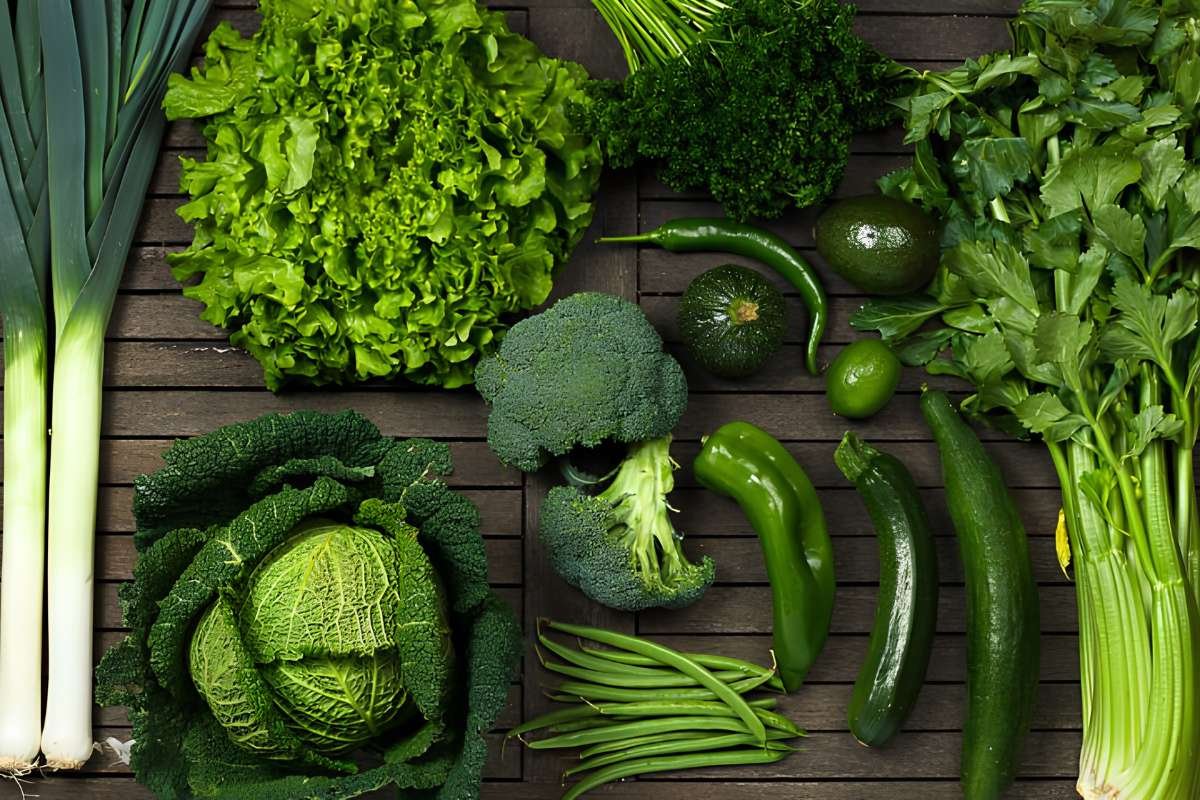
Leafy greens are packed with vitamins, minerals, fiber, and antioxidants that support overall health. This guide covers the healthiest leafy green vegetables, including spinach, kale, watercress, and bok choy, along with their benefits and simple ways to enjoy them. Eating a variety of greens each week helps you get a wider range of nutrients for better long-term health.
Healthiest Leafy Green Vegetables: 10 Nutritious Greens to Add to Your Plate
Leafy greens have earned their place on healthy plates for a good reason. They are full of vitamins, minerals, fiber, and plant nutrients that help your body work well every day. They are also easy to add to meals, whether you enjoy them in salads, soups, smoothies, or cooked dishes.
The best part is that you do not have to eat just one type. Every green brings something different to the table. Some are rich in iron, while others are packed with calcium or vitamin C. Learning about the healthiest leafy green vegetables can help you choose a better mix instead of eating the same greens every week.
In this guide, you will discover the top leafy greens, what makes each one special, and simple ways to enjoy them more often.
Why Leafy Green Vegetables Matter for Your Health
The healthiest leafy green vegetables are packed with nutrients your body needs every day. They give you vitamins A, C, and K, along with folate, iron, calcium, and fiber. Since they are low in calories, they help you stay full without adding much to your meals.
These nutrients work together to support your immune system, keep your bones strong, help your heart, and improve digestion. Fiber also feeds the healthy bacteria in your gut, which plays an important role in your overall health.
One interesting fact many people do not know is that darker green leaves often contain more helpful plant compounds than lighter ones. Because they receive more sunlight while growing, they usually produce higher amounts of natural antioxidants that protect the plant and can also benefit your body.
According to the U.S. Centers for Disease Control and Prevention (CDC), vegetables such as watercress, spinach, Swiss chard, beet greens, and romaine lettuce rank among the most nutrient-dense foods you can eat.
10 Healthiest Leafy Green Vegetables You Should Eat
Adding different greens to your meals is one of the easiest ways to get a wider range of nutrients. Instead of choosing only one favorite, rotate these healthiest leafy green vegetables throughout the week to enjoy more health benefits and more variety on your plate.
1. Spinach
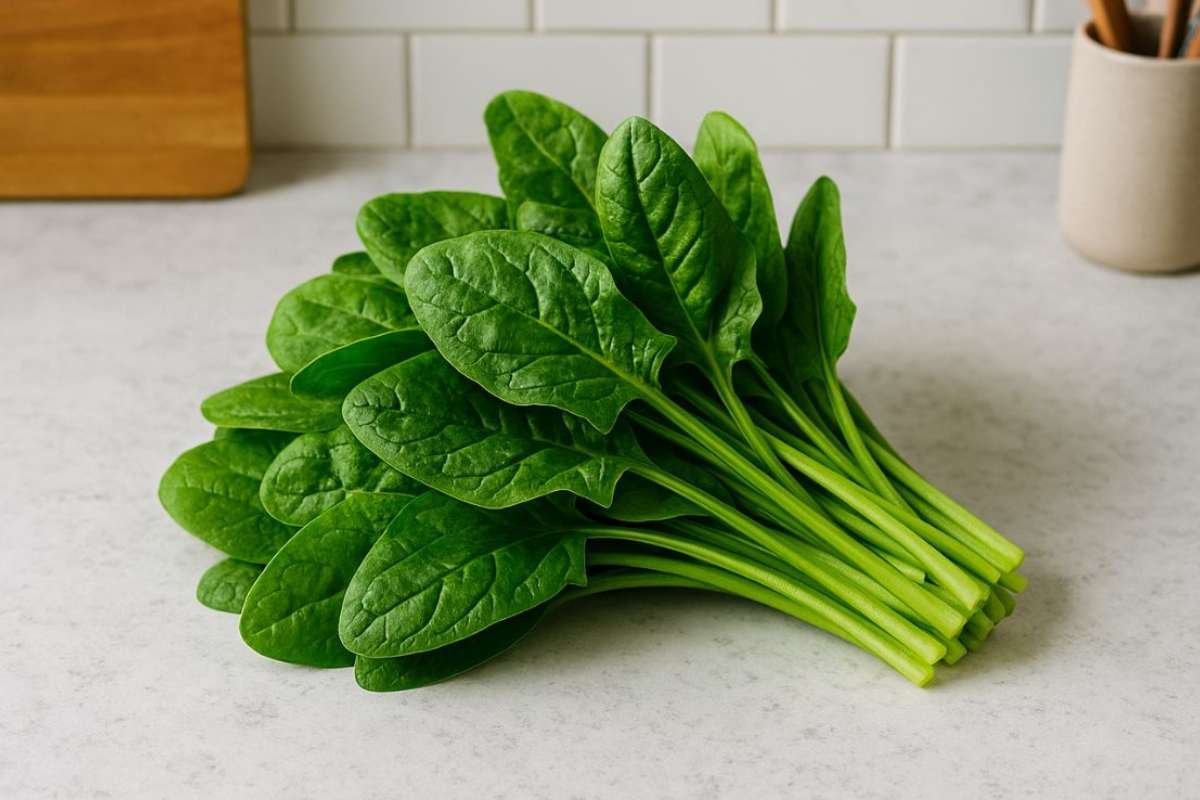
Spinach is one of the easiest greens to enjoy. It is rich in iron, folate, vitamin K, and lutein, which supports healthy eyes. Fresh spinach works well in salads, while lightly cooking it helps shrink the leaves without losing much nutrition.
2. Kale
Kale is known for its high amounts of vitamins A, C, and K. It also provides fiber and antioxidants that help protect your cells. Massaging raw kale with a little olive oil softens the leaves and makes them easier to eat.
3. Swiss Chard
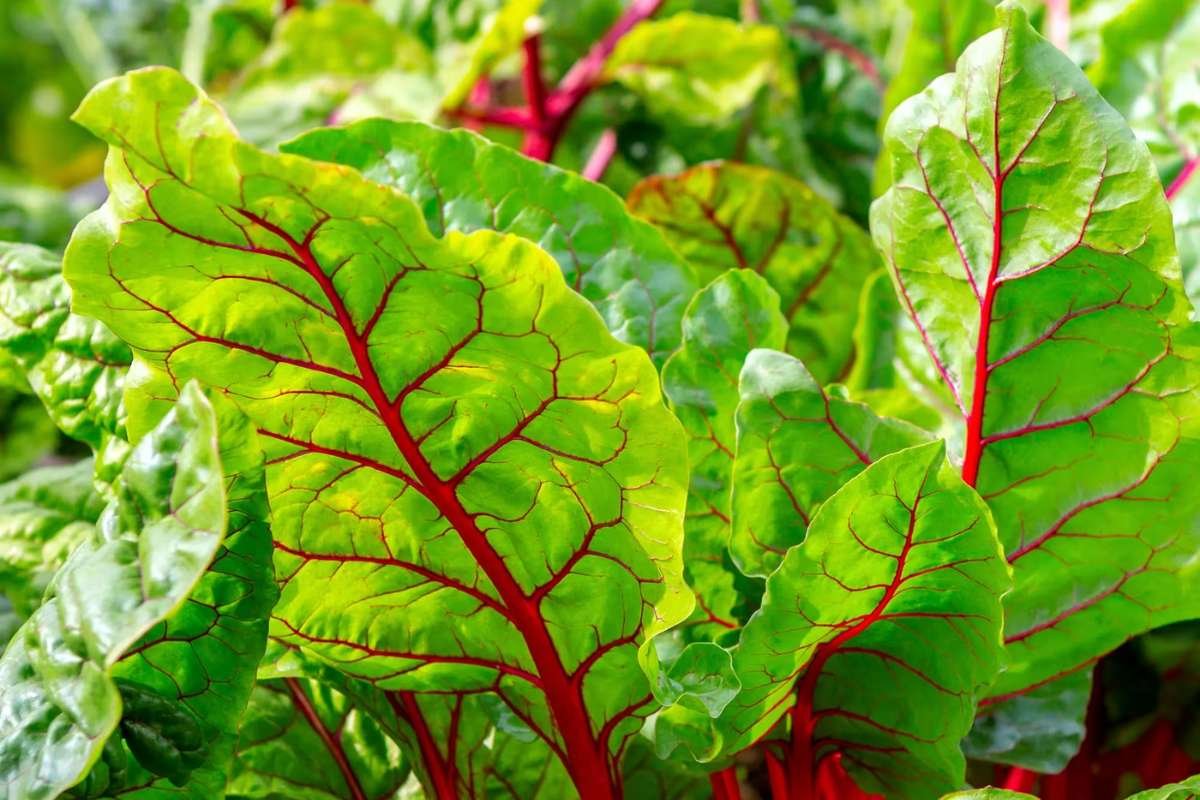
Swiss chard is packed with magnesium, potassium, and vitamin K. These nutrients help support healthy muscles, nerves, and bones. Lightly sautéing the leaves keeps their flavor mild while helping them stay tender.
4. Collard Greens
Collard greens are an excellent source of calcium and vitamin K, making them a smart choice for bone health. Cooking them slowly with garlic and a little olive oil helps reduce their natural bitterness while keeping them flavorful.
5. Watercress
Watercress is one of the most nutrient-dense vegetables available. It contains vitamins A, C, and K along with natural antioxidants. Its peppery taste adds freshness to salads, sandwiches, and soups without needing much preparation.
6. Romaine Lettuce
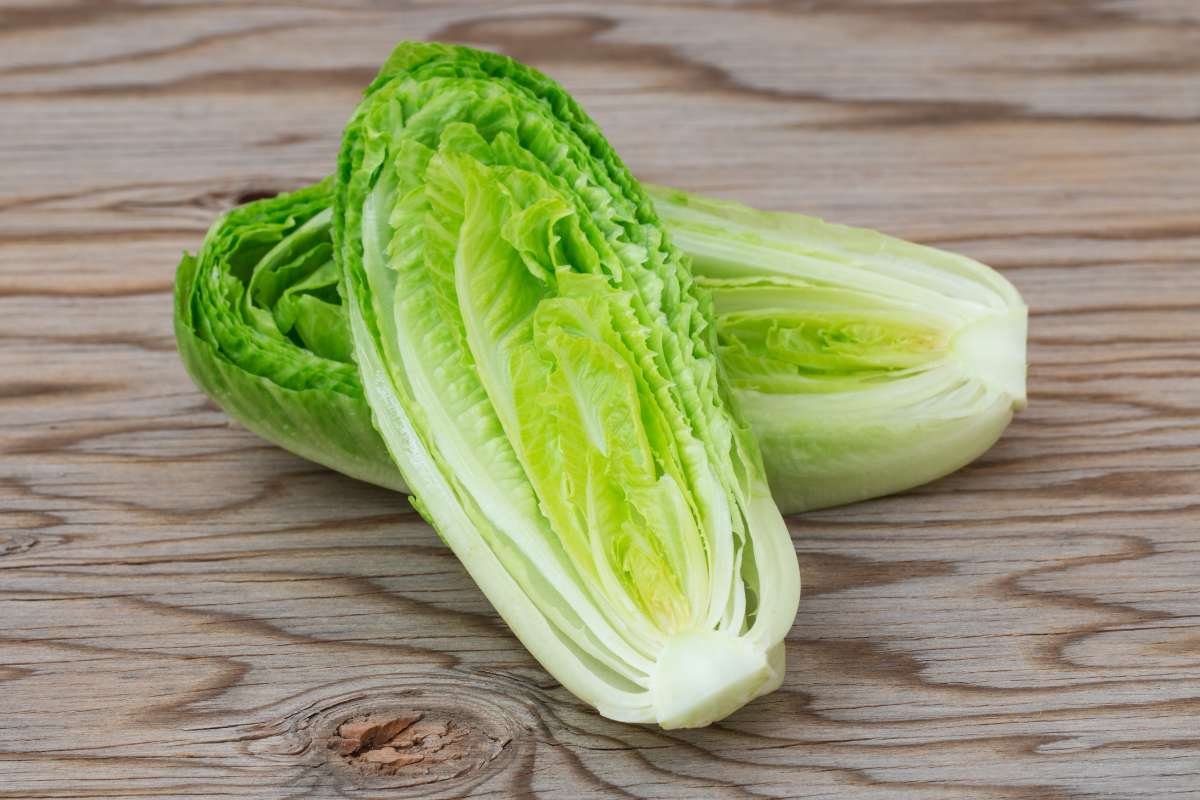
Romaine lettuce offers much more nutrition than many people expect. It provides vitamins A and K while adding plenty of water to your meals. Use it as the base for salads or as a crunchy wrap instead of bread.
7. Arugula
Arugula has a bold, peppery flavor that stands out in salads and sandwiches. It contains natural nitrates that may help support healthy blood flow. Mixing it with milder greens creates a balanced flavor that many people enjoy.
8. Beet Greens
Many people throw away beet greens without knowing how nutritious they are. They are rich in vitamins A and K, along with potassium and fiber. Cook them just like spinach for a simple and tasty side dish.
9. Bok Choy
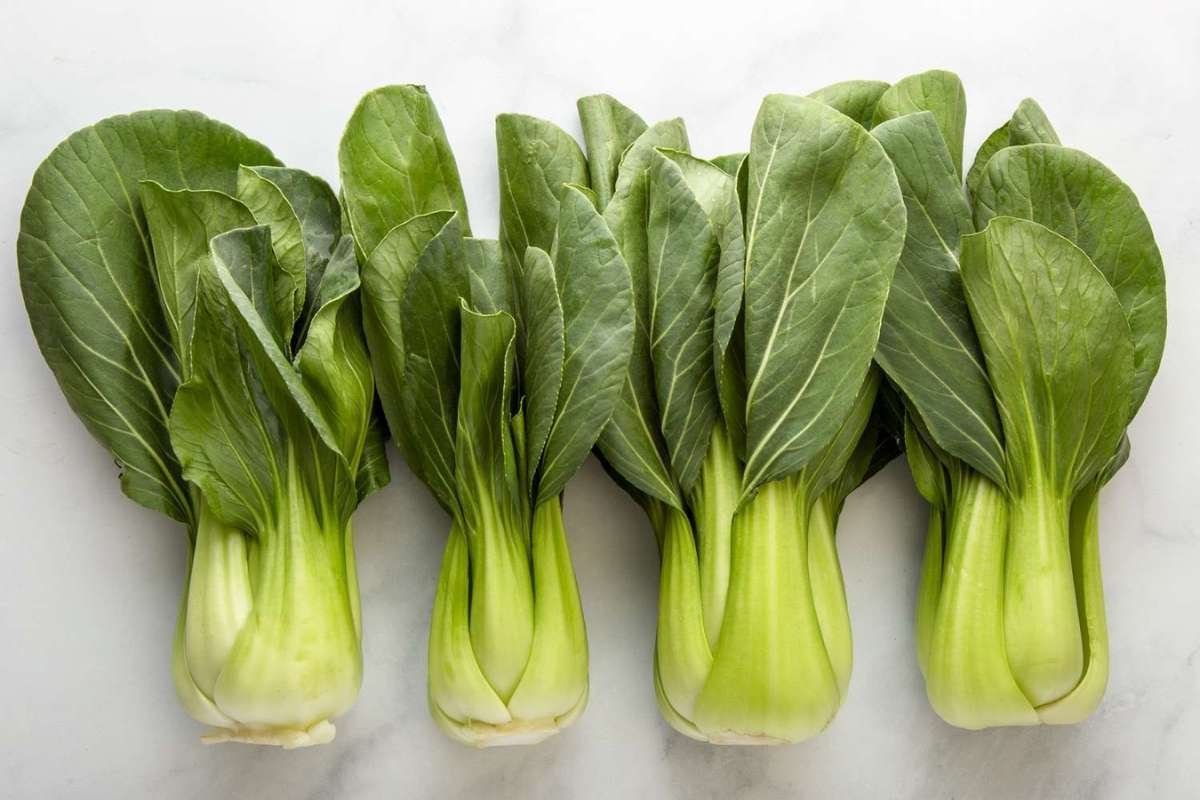
Bok choy is a favorite in many Asian dishes. It provides vitamin C, calcium, and fiber while staying crisp after cooking. A quick stir-fry or light steam helps keep both its texture and nutrients.
10. Mustard Greens
Mustard greens have a stronger flavor than many other leafy vegetables. They are packed with vitamins A, C, and K, along with antioxidants. Cooking them briefly softens their spicy taste while keeping them bright and fresh.
Which Leafy Green Gives the Most Nutrition?
There is no single leafy green that beats every other one. Each offers its own mix of nutrients, so the best choice depends on what your body needs. That is why eating a variety of greens is a smarter approach than sticking to just one. Near the top of the list are watercress, spinach, kale, Swiss chard, and bok choy. Together, they provide a wide range of vitamins and minerals. Over time, rotating the healthiest leafy green vegetables can help you enjoy more balanced nutrition than eating the same green every day.
| Vegetable | Best For |
| Watercress | Overall nutrient density |
| Spinach | Iron and folate |
| Kale | Vitamins A, C, and K |
| Swiss Chard | Magnesium and potassium |
| Bok Choy | Calcium and vitamin C |
Tips to Get More Leafy Greens Into Everyday Meals

Eating more greens does not have to mean making big changes. Small habits can help you enjoy the healthiest leafy green vegetables without much effort.
Blend a handful of spinach into a fruit smoothie for a quick breakfast. Add kale or Swiss chard to soups during the last few minutes of cooking. Stir chopped greens into scrambled eggs or omelets for extra nutrition. Toss arugula into pasta after cooking so the leaves soften from the heat. Romaine leaves also work well as wraps for chicken, tuna, or vegetables.
To keep greens fresh longer, wash and dry them well, then place them in a sealed container lined with a paper towel. The towel absorbs extra moisture, helping many leafy greens stay crisp for several more days.
Read More: 8 Unique and Healthy Vegetables You Should Add to Your Plate for Better Nutrition
Conclusion
Leafy greens are some of the best foods you can add to your meals. They are rich in vitamins, minerals, fiber, and natural plant compounds that support your health in many ways. Each green brings something different, so there is no need to choose only one. Mixing spinach, kale, watercress, bok choy, and other greens throughout the week gives your body a wider range of nutrients. Fresh, frozen, raw, or lightly cooked greens can all be part of a healthy diet. Making room for the healthiest leafy green vegetables each day is a simple step that can benefit your health for years to come.
Frequently Asked Questions
1. What is the healthiest leafy green vegetable?
Watercress ranks as one of the most nutrient-dense vegetables, according to the CDC. However, spinach, kale, Swiss chard, and bok choy are also excellent choices because each offers different nutrients.
2. Can you eat leafy green vegetables every day?
Yes. Most healthy adults can enjoy leafy greens every day as part of a balanced diet. Eating different types during the week helps you get a wider range of nutrients.
3. Are frozen leafy greens still healthy?
Yes. Frozen leafy greens keep most of their vitamins and minerals because they are usually frozen soon after harvesting. They are a good option when fresh greens are not available.
4. Which leafy greens have the most iron?
Spinach, beet greens, and Swiss chard are among the best leafy greens for iron. Pairing them with foods rich in vitamin C, such as tomatoes or oranges, can help your body absorb more iron.
5. Is it better to eat leafy greens raw or cooked?
Both have benefits. Raw greens keep more vitamin C, while light cooking can help your body absorb nutrients like beta carotene from spinach. Eating a mix of raw and cooked greens is a good approach.
Source
- U.S. Centers for Disease Control and Prevention (CDC). Defining Powerhouse Fruits and Vegetables. https://www.cdc.gov/pcd/issues/2014/13_0390.htm
- U.S. Department of Agriculture (USDA). FoodData Central. https://fdc.nal.usda.gov/
- Harvard T.H. Chan School of Public Health. The Nutrition Source: Vegetables and Fruits. https://nutritionsource.hsph.harvard.edu/what-should-you-eat/vegetables-and-fruits/