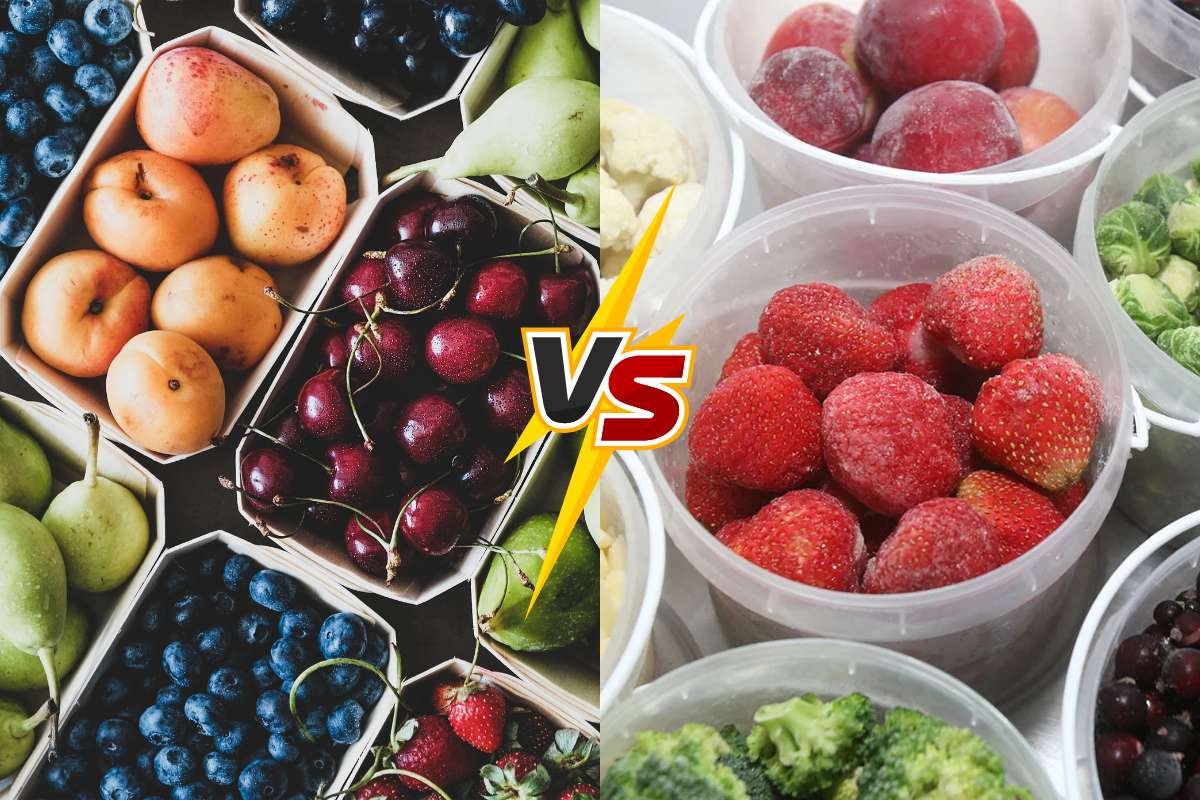
Fresh vs frozen fruit, both are healthy choices. Frozen fruit is picked at peak ripeness and often keeps its nutrients well. Fresh fruit offers better texture and can be easier to enjoy as a snack. The best choice depends on your budget, storage space, recipes, and lifestyle. For most people, using both is the smartest approach.
Fruit is an important part of a healthy diet. It provides vitamins, minerals, fiber, and antioxidants that support overall health. When shopping for fruit, many people wonder whether fresh fruit is a better choice than frozen fruit. Fresh produce is often linked with quality and taste, but frozen fruit has become a popular option because it is convenient, affordable, and available year-round.
The good news is that both fresh and frozen fruit choices can be healthy. Some fruits are best enjoyed fresh for their texture and flavor, while others work just as well from the freezer. Understanding the differences in fresh vs frozen fruits can help you make smarter choices, reduce food waste, save money, and enjoy fruit more often as part of a balanced diet.
Why people compare fresh fruit and frozen fruit
Many shoppers compare Fresh vs Frozen Fruit because both options are easy to find and can fit different lifestyles. Fresh fruit is often seen as the more natural choice, while frozen fruit has become more popular thanks to its convenience and longer shelf life. Busy families and meal planners often keep frozen fruit on hand because it is ready to use and lasts for months.
Cost is another reason for the comparison. As grocery prices rise, people want the best value for their money. Nutrition also plays a big role. Many believe frozen fruit is less healthy, but that is not always true. In fact, frozen fruit is often frozen within hours of harvest, which helps preserve many of its nutrients.
How fresh and frozen fruit reach your kitchen

When comparing fresh vs frozen fruit options, it helps to understand the journey they take before reaching your home. Fresh fruit is harvested from farms, packed for transport, and shipped to stores. It may spend days or even weeks moving through warehouses, trucks, and supermarket displays before being purchased.
Frozen fruit follows a different path. It is usually picked when fully ripe, then washed, cut if needed, and frozen shortly after harvest. This process helps lock in quality and allows the fruit to be stored for much longer.
Travel and storage time can affect freshness and nutrient levels. The longer the fruit sits after harvest, the more changes can occur in its texture, flavor, and certain vitamins.
What is flash freezing?
Flash freezing is a process that rapidly freezes fruit at very low temperatures. This helps preserve its color, flavor, texture, and many nutrients. It is commonly used for berries, mangoes, peaches, and mixed fruit blends sold in grocery stores.
Nutrition comparison between fresh and frozen fruit
One of the biggest questions people have when comparing fresh vs frozen fruit is whether one is more nutritious than the other. The good news is that both can be excellent sources of vitamins, minerals, fiber, and antioxidants.
Fresh fruit is often at its nutritional best right after harvest. However, nutrient levels naturally begin to change over time. Factors such as transportation, storage, and shelf display can affect certain nutrients, especially vitamin C. This does not make fresh fruit unhealthy, but it does mean that freshness matters.
Frozen fruit is typically picked when ripe and frozen soon after harvest. Because of this, many nutrients are preserved during the freezing process. Fiber remains largely unchanged, and antioxidant levels are often similar to those found in fresh fruit.
Many people assume frozen fruit is far less nutritious, but research shows the differences are often much smaller than expected. In some cases, storage time may have a greater impact on fresh fruit than freezing has on frozen fruit.
Nutrient factors at a glance
| Factor | Fresh Fruit | Frozen Fruit |
| Fiber | High | High |
| Vitamin C | Can decline during storage | Often well preserved |
| Antioxidants | High when recently harvested | Often comparable |
| Added Sugar | Usually none | Check label |
| Shelf Life | Short | Long |
For the healthiest choice, look for frozen fruit with no added sugar and enjoy a mix of both options throughout the week.
Fresh vs frozen fruit for taste and texture
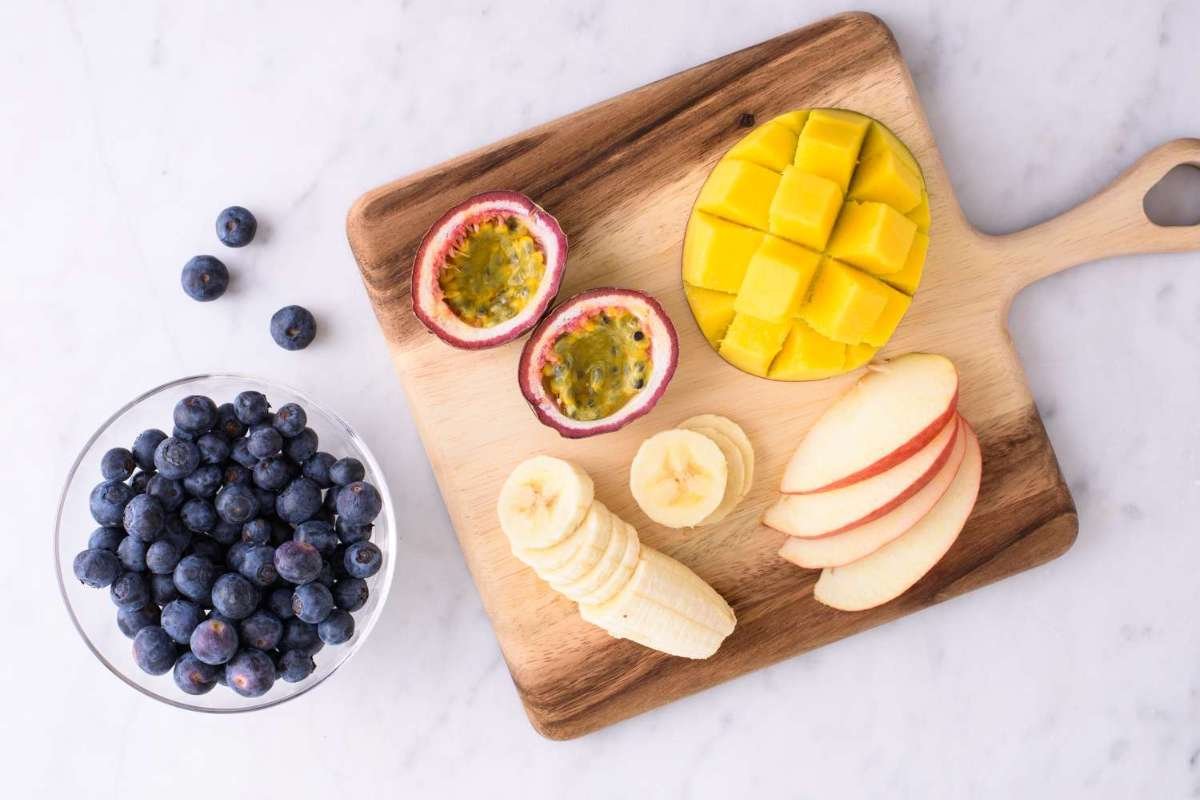
Taste and texture are often where people notice the biggest differences. Fresh fruit usually has a firmer texture because its cells remain intact. This creates the crisp bite people enjoy in many fruits. Frozen fruit, on the other hand, goes through a freezing process that causes water inside the fruit to expand. As the fruit thaws, the cell structure softens, making it less firm than fresh fruit.
Even so, many fruits remain flavorful and enjoyable after freezing. In fact, frozen fruit can be a great choice when texture is not the main priority.
1. When fresh wins
Fresh fruit is often preferred for snacking because of its crisp texture. Apples, pears, grapes, and citrus fruits are good examples that are usually best enjoyed fresh.
2. When frozen works best
Frozen fruit shines in smoothies, oatmeal, yogurt bowls, and baked goods. Since texture is less important in these foods, the fruit blends in easily while still providing great flavor and nutrition.
Cost, convenience, and food waste
For many shoppers, cost and convenience are just as important as nutrition. Fresh fruit prices often change throughout the year based on growing seasons, weather conditions, and supply. When a fruit is out of season, it can become more expensive and harder to find. Frozen fruit offers a different advantage because it is available year-round, and prices tend to stay more consistent.
Frozen fruit can also help with portion control. You can use only what you need and keep the rest stored for later. This reduces the chance of food going to waste.
One drawback of fresh fruit is its shorter shelf life. If it is not eaten in time, it can spoil and end up in the trash. In many households, spoiled produce is a common source of food waste. So while comparing fresh vs frozen fruit, frozen fruit lasts much longer, helping families waste less while still enjoying nutritious fruit.
Quick comparison
| Category | Fresh | Frozen |
| Upfront Cost | Varies by season | Often stable |
| Storage Time | Days to weeks | Months |
| Waste Risk | Higher | Lower |
| Availability | Seasonal | Year-round |
Which option is better for different needs?
The right choice between fresh vs frozen fruit depends on how you plan to use your fruit. While both fresh and frozen options provide important nutrients, one may be more practical depending on your goals, lifestyle, and budget.
| Need | Best Choice | Why |
| Weight Management | Both | Both are nutritious and filling. Just watch for frozen products with added sugar. |
| Families | Frozen | Convenient, easy to store, and helps reduce food waste. |
| Athletes | Frozen | Great for smoothies and available year-round. |
| Budget Shoppers | Frozen | Often provides better value when fresh fruit is out of season. |
| Kids | Both | Different textures and serving options can encourage fruit intake. |
In many cases, there is no need to choose one over the other. Keeping both fresh and frozen fruit at home can give you more flexibility while making it easier to meet your daily fruit intake goals.
Tips for choosing the best fruit at the store
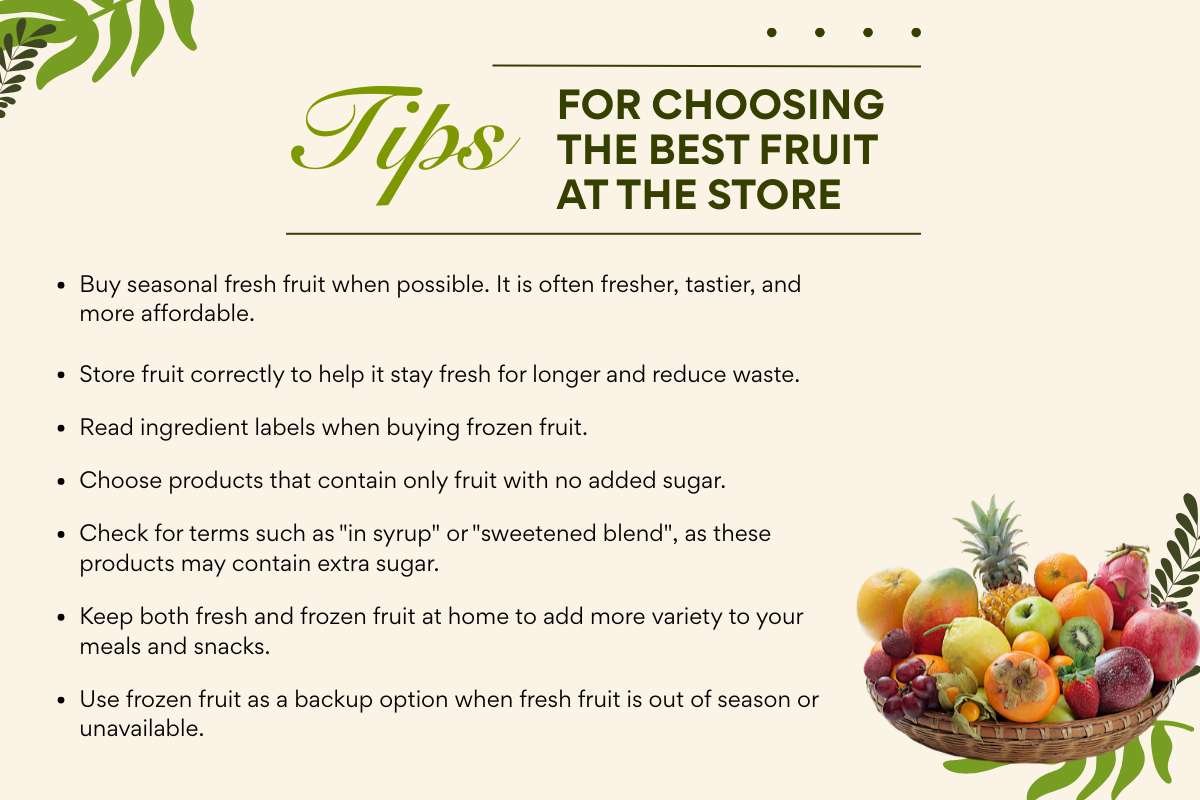
Choosing quality fruit does not have to be complicated. A few simple habits can help you get the best value, flavor, and nutrition from both fresh and frozen options.
- Buy seasonal fresh fruit when possible. It is often fresher, tastier, and more affordable.
- Store fruit correctly to help it stay fresh for longer and reduce waste.
- Read ingredient labels when buying frozen fruit.
- Choose products that contain only fruit with no added sugar.
- Check for terms such as “in syrup” or “sweetened blend”, as these products may contain extra sugar.
- Keep both fresh and frozen fruit at home to add more variety to your meals and snacks.
- Use frozen fruit as a backup option when fresh fruit is out of season or unavailable.
A mix of fresh and frozen fruit can make it easier to enjoy fruit throughout the week without worrying about spoilage or limited seasonal choices.
The best choice may be both
When it comes to choosing fresh vs frozen fruit, there is no single winner. Both options offer valuable nutrients, and the differences in nutrition are often smaller than many people expect.
Fresh fruit is hard to beat when it comes to texture, crunch, and enjoying fruit straight from the bowl. Frozen fruit, however, offers convenience, a longer shelf life, and less food waste. It can also make it easier to keep fruit available throughout the year.
Rather than choosing one over the other, consider using both. Fresh fruit works well for snacks and lunches, while frozen fruit is perfect for smoothies, oatmeal, yogurt bowls, and baking. Keeping a mix of both can help you eat more fruit, save money, and reduce waste at the same time.
FAQs
1. In the Fresh vs Frozen Fruit debate, which is healthier?
Both are healthy choices and provide similar amounts of fiber, vitamins, and antioxidants.
2. Does freezing fruit remove nutrients?
No. Freezing helps preserve many nutrients, though small changes can occur over time.
3. Is frozen fruit good for smoothies?
Yes. It creates a thicker texture and can be used straight from the freezer.
4. Which fruits are best for Fresh vs Frozen Fruit comparisons?
Berries, mangoes, peaches, cherries, and mixed fruit blends are excellent frozen options.
5. Should I buy fresh or frozen fruit?
Choose based on how you plan to use it. Many people benefit from keeping both available.