As we age, we also see changes in digestion, including decreased enzyme production, lower stomach acid, and slower gut motility. This is tied to foods hard to digest as you get older. In this blog, I explain why foods like dairy, fatty foods, red meats, and even “healthy” raw vegetables suddenly feel heavier as we age. It also reveals hidden modern triggers, symptom-based food mapping, and practical strategies to enhance digestion through smarter food choices, cooking methods, and eating habits rather than strict restrictions.
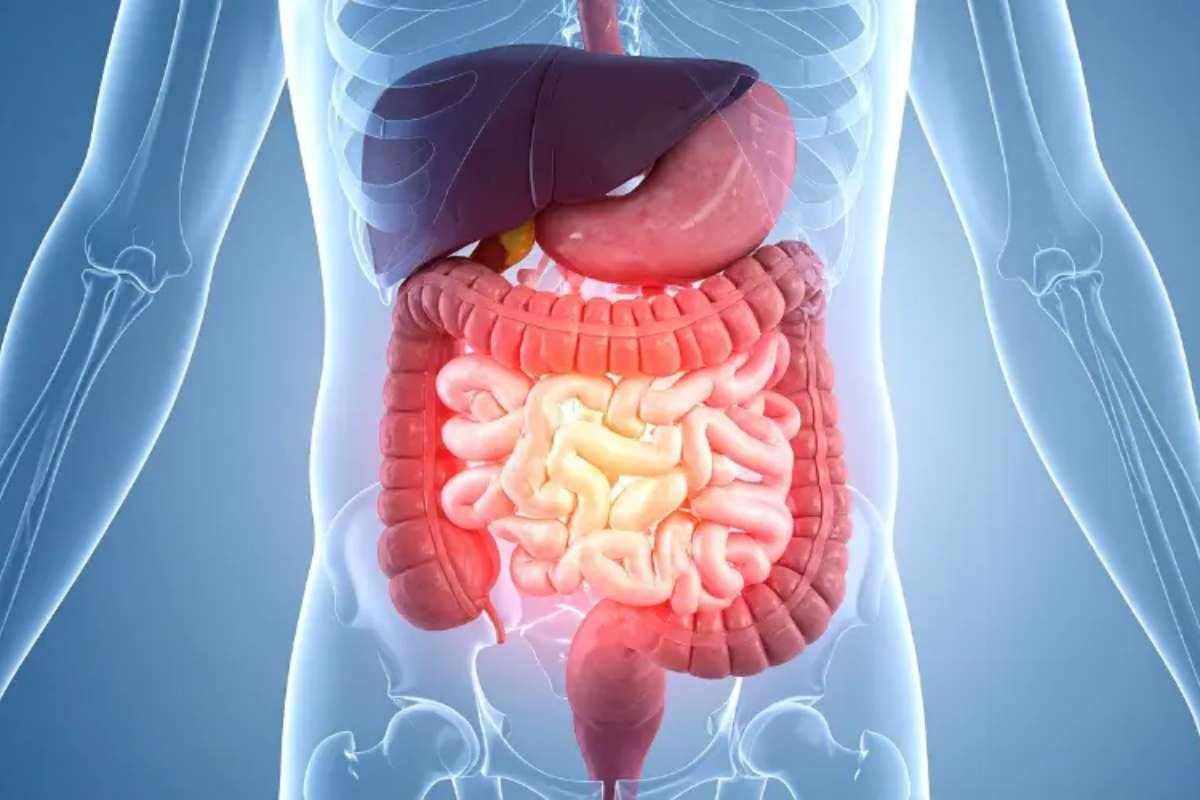
Foods hard to digest as you get older are not just a diet issue. They are a biological shift in how your gut processes food. Enzyme production declines after age 40, especially after 60. Stomach acid production declines, and digestion slows down. This changes the way your body responds to normal meals like protein-rich foods, dairy, fats, and even healthy vegetables.
But most guides only list “what to avoid.” They miss the deeper question: why do certain foods suddenly feel heavier, cause bloating, or trigger discomfort when they didn’t before? In this article, we’ll explain the full digestive aging mechanism and give you a practical framework to identify and manage your personal trigger foods.
Table of Contents
Why digestion change with age?
Ever wonder why a late-night pizza slice now feels like a brick in your stomach? It’s not just in your head, and it’s not that you suddenly have a “weak stomach.” Your body has simply shifted from a high-speed engine to a slower, more deliberate biochemical processor.
Here is what is happening under the hood:
- The Enzyme Drop: Your pancreas produces fewer enzymes to break down fats, carbs, and proteins, expanding the list of foods hard to digest as you get older (like heavy meats or rich dairy).
- The Acid Slowdown: Decreased stomach acid weakens protein breakdown and hinders vital Vitamin B12 absorption.
- The Traffic Jam: Slower gastric emptying means food sits in your stomach longer, causing that lingering, overly full feeling.
- The Microbiome Shift: A drop in gut bacteria diversity spikes your digestive sensitivity, turning old favorites into new triggers.
Ultimately, your digestion hasn’t broken down. It has just shifted to a slower biochemical pace.
The 3-stage digestive aging timeline:
Digestion doesn’t break suddenly. It slows in three predictable phases. Here’s the 3‑Stage Digestive Aging Timeline:
Stage 1: 30–40 (early decline begins)
Mild enzyme reduction appears, greasy or spicy foods trigger early sensitivity, and occasional bloating becomes common.
Stage 2: 40–60 (functional slowdown)
Fat digestion issues become noticeable, dairy intolerance increases due to lower lactase, and acid reflux (heartburn) grows more frequent.
Stage 3: 60+ (system sensitivity phase)
Constipation dominates as gut motility slows, protein-heavy meals are harder to process because of reduced stomach acid and enzymes, and gut bacteria diversity drops significantly.
Foods that become harder to digest:
As your digestive system transitions to a slower biochemical pace, certain items on your menu can start to feel like an uphill battle for your stomach. If you have noticed recent discomfort after your favorite meals, it is usually tied to specific biological shifts.
Here are the primary foods hard to digest as you get older, and the science behind why they push your system to its limits:
1. High-fat foods (fried foods, creamy meals):
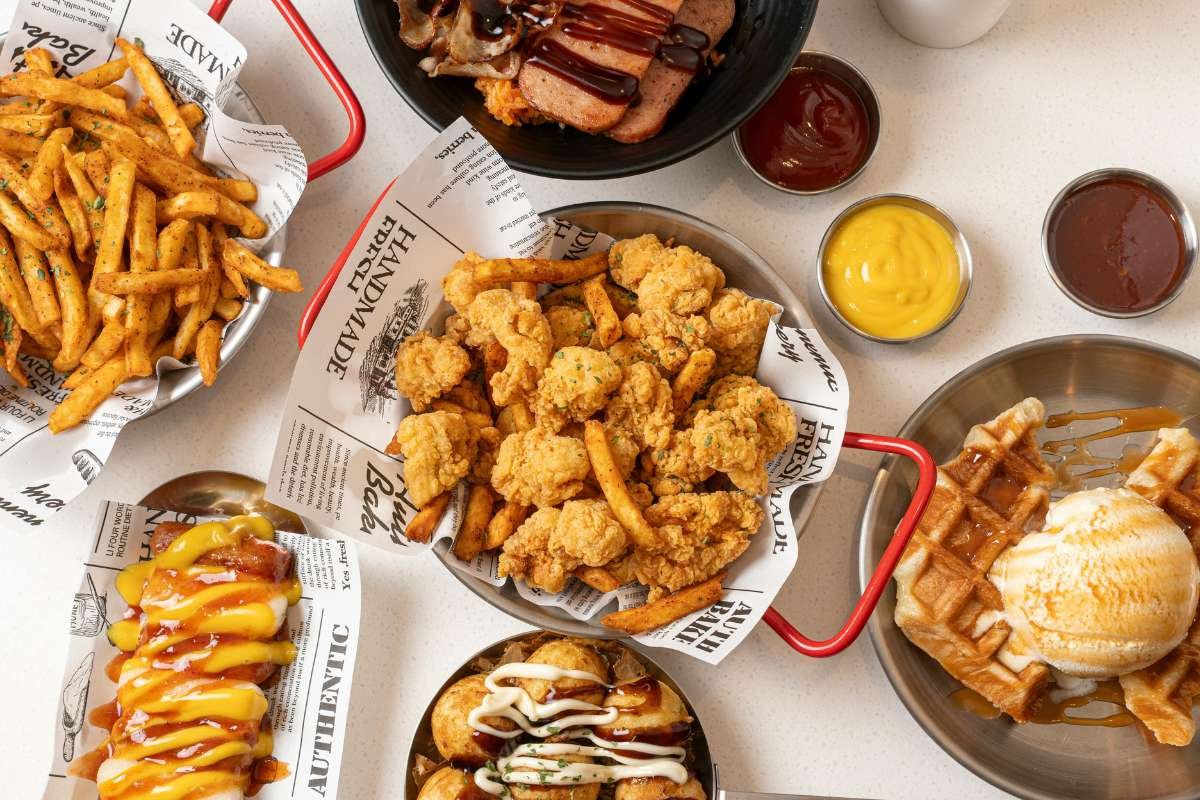
Rich foods require a heavy dose of enzymes and bile to break down. Because aging slows down gastric emptying and reduces enzyme production, high-fat meals trigger an immediate processing overload, leaving you feeling bloated and sluggish.
2. Dairy products:
Over time, many adults experience a steady decline in the production of lactase, the specific enzyme required to break down milk sugars. Without enough lactase, dairy easily leads to gas, cramps, and sudden bloating.
3. Red meat & dense protein meals:
Steak and heavy meats demand robust stomach acid and strong protein-digesting enzymes (like pepsin) to unravel. As both of these secretions naturally decrease with age, dense proteins sit heavily in the gut, taking much longer to process.
4. Spicy & acidic foods:
Aging can weaken the muscular valve at the top of your stomach and thin the protective lining of your esophagus. This reduced protection makes you far more vulnerable to acid reflux and sensitivity to hot spices or citrus.
5. Raw high-fiber vegetables:
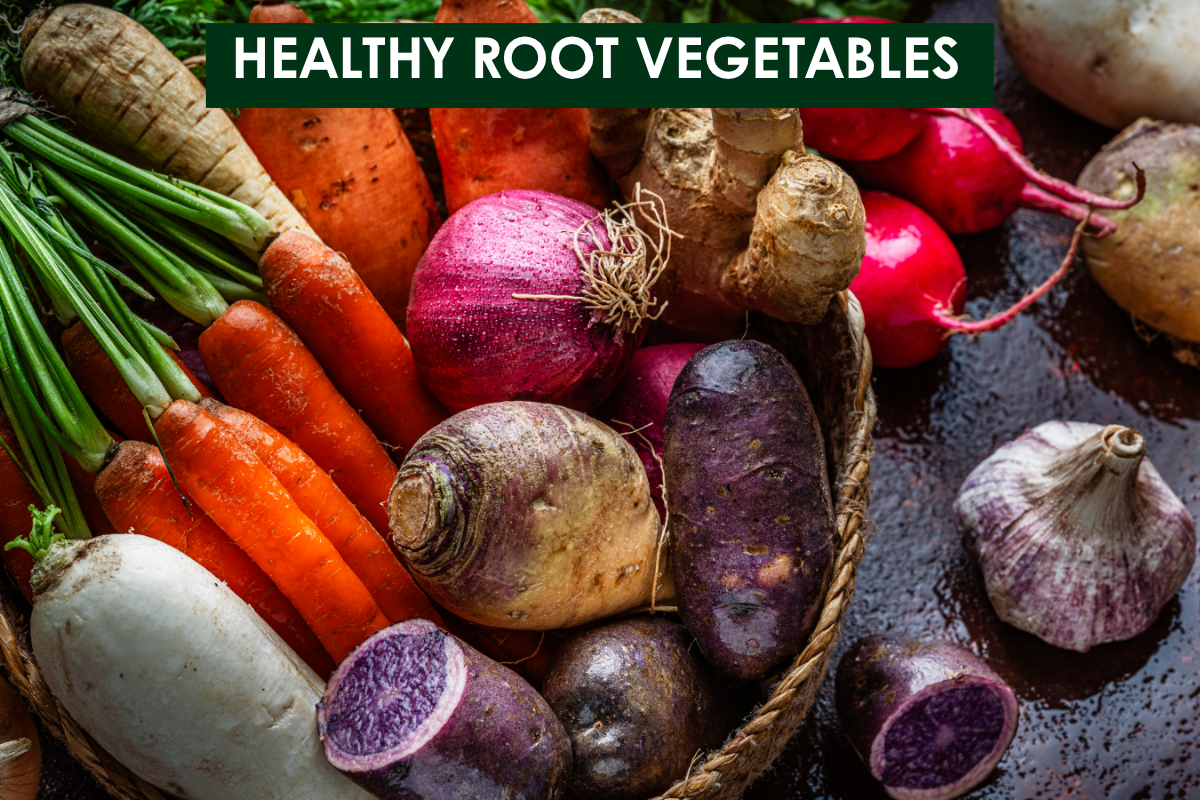
While fiber is essential, raw veggies like broccoli or kale require vigorous gut motility and a diverse microbiome to ferment properly. Slower intestinal movement means these tough fibers can stall in your tract, causing uncomfortable gas.
Understanding these shifts allows you to adapt your cooking methods, like steaming veggies or choosing leaner proteins. So you can support your body’s changing pace.
Hidden modern foods that worsen digestion:
Modern diets pack new digestion challenges that aging guts aren’t built to handle. It’s not just traditional heavy foods. Foods hard to digest as you get older now include modern shortcuts that overload slower enzymes and irritated linings:
- Protein bars & shakes: Dense + thickeners/sugar alcohols cause bloating.
- Ultra-processed “healthy snacks”: Additives and refined oils disrupt gut bacteria.
- Artificial sweeteners (sucralose, sorbitol): Irritate the lining, trigger cramping/diarrhea.
- High-protein diets: Overload declining enzymes, causing undigested protein buildup.
- Coffee on an empty stomach: Spikes acid, worsening reflux, and nausea.
Aging guts need fewer irritants, not just smaller portions.
Symptom-based food trigger map:

When your digestion shifts to a slower biochemical pace, it signals distress through specific symptoms. Instead of tracking endless food diaries, you can map your discomfort directly to the most likely culprits.
Here is how to decode your body’s signals:
- Bloating: Usually triggered by high-fat meals (which stall gastric emptying), carbonated drinks (trapping excess air), or sugar alcohols like xylitol and sorbitol found in sugar-free snacks.
- Constipation: Typically caused by a combination of low fiber intake and a diet heavy in highly processed foods, which lack the bulk needed to stimulate a slower-moving intestinal tract.
- Acid Reflux: Driven by spicy items, acidic foods (citrus, tomatoes), and late meals eaten within three hours of bedtime, which easily bypass a weakened esophageal valve.
- Excessive Gas: Frequently points to dairy (due to declining lactase), legumes (which require heavy microbial fermentation), and artificial sweeteners.
Targeting these specific combinations makes it much easier to manage the foods hard to digest as you get older, allowing you to swap out the precise trigger behind your discomfort.
How to make “Hard foods” easier to digest?
To make foods hard to digest as you get older, easier on your system, focus on these practical, biology-backed tweaks:
- Cooking methods: Steam, braise, or slow-cook vegetables and meats instead of eating them raw. Heat breaks down tough fibers and denatures proteins, reducing the enzyme load your gut must handle.
- Meal timing: Eat dinner earlier (at least 3 hours before bed). Gastric emptying slows at night, and late meals increase reflux risk.
- Portion splitting: Divide large meals into 4–5 smaller ones. Smaller volumes empty faster and prevent enzyme overload.
- Food pairing rules: Balance fat with fiber. Don’t eat a high-fat meal with massive raw fiber. Pair lean protein with cooked, soluble fiber (like oats or carrots) to speed breakdown.
- Walking after meals: A 10–15 minute gentle walk boosts gut motility, helping food move through the stomach faster and reducing bloating
These small shifts work with your aging biochemistry instead of fighting it.
Gut-friendly eating strategy for aging digestive systems:

To support a slower biochemical pace, implement a structured 70/20/10 nutritional framework designed to manage foods hard to digest as you get older.
The 70/20/10 nutritional framework
- 70% Easy-Digest Base: Lean proteins (fish, chicken), cooked or steamed vegetables, and easily absorbable grains like white rice or oats.
- 20% Modified Hard Foods: Difficult items prepared for easier breakdown. Examples: blending raw greens into smoothies, slow-cooking dense red meats, or using sprouted legumes.
- 10% Indulgence Tolerance: A small buffer for personal favorites that may trigger mild symptoms, allowing you to enjoy meals without total restriction.
Essential System Habits
- Hydration Timing: Drink water between meals rather than during them to avoid diluting your already declining stomach acid and digestive enzymes.
- Gradual Fiber Step-Up: Slowly increase fiber intake by a few grams a week rather than all at once, allowing a slower gut motility time to adapt without causing a traffic jam.
- Probiotic Food Rotation: Cycle through small daily servings of fermented foods (kefir, sauerkraut, miso) to constantly reseed and diversify your aging gut microbiome.
Conclusion:
Your digestive system doesn’t fail you as you age; it just recalibrates. Foods hard to digest as you get older just hit a slower, more sensitive biochemical system. Don’t eliminate blindly, make smarter choices: cooked rather than raw, time and split meals, and walk after eating. Pair fats with easy fiber, avoid contemporary troublemakers like protein bars and artificial sweeteners, and build a gut-friendly plate using the 70/20/10 model. By working with your digestive aging timeline, you get comfort back without losing the joy of eating.
FAQ:
1. What is the hardest food for the body to digest?
Foods highest in fat, such as deep-fried items, fatty cuts of red meat, and heavy cream. They are the hardest to digest. Because fat breaks down much more slowly than carbohydrates or proteins, these foods linger in your stomach significantly longer, commonly causing bloating, heartburn, or general indigestion.
2. How can I improve my digestion in old age?
Improving digestion in older age comes down to counteracting the natural slowdown of metabolism and gut motility. You can manage and alleviate digestive issues by making a few targeted adjustments to your daily lifestyle.
3. What three foods should seniors stay away from?
As we age, choosing healthier foods and beverages is even more important for our health. Unpasteurized milk and dairy products, fried foods, high-sodium foods, and certain raw produce are among the foods to avoid or limit at any age.
4. What drink heals your gut?
Gut-healing drinks support a healthy microbiome through live probiotics, prebiotic fibers, and anti-inflammatory nutrients. Top dietitian-recommended options include fermented beverages like Kefir and Kombucha, as well as herbal teas and fiber-rich tonics.
5. What deficiency causes poor digestion?
Digestive problems are commonly caused by deficiencies in digestive enzymes (such as lactase or pancreatic enzymes) and stomach acid (hypochlorhydria), as well as nutritional deficiencies like vitamin B12, vitamin D, and iron
Links and Sources:
https://newsroom.clevelandclinic.org/2024/12/27/how-your-digestion-changes-with-age