Waking up tired even after a full night in bed can feel frustrating. Many people with sleep apnea deal with loud snoring, poor sleep, and low energy every day without knowing the cause.
Along with treatment and healthy habits, the right foods for obstructive sleep apnea may also help support better sleep and weight control. Some foods may help lower inflammation and improve overall health, while others can make symptoms worse.
This guide explains what to eat, what to limit, and simple food habits that may help you sleep better.
How Diet Affects Sleep Apnea
Body weight plays a big role in sleep apnea. When a person gains extra weight, fat can build up around the neck and upper airway. This can make it harder to breathe during sleep and may worsen snoring and sleep apnea symptoms.
Food choices also affect inflammation and overall health. Diets high in sugar, fried foods, and processed snacks may increase inflammation in the body. This can affect sleep quality over time.
On the other hand, healthy eating patterns may help support better sleep and weight control.
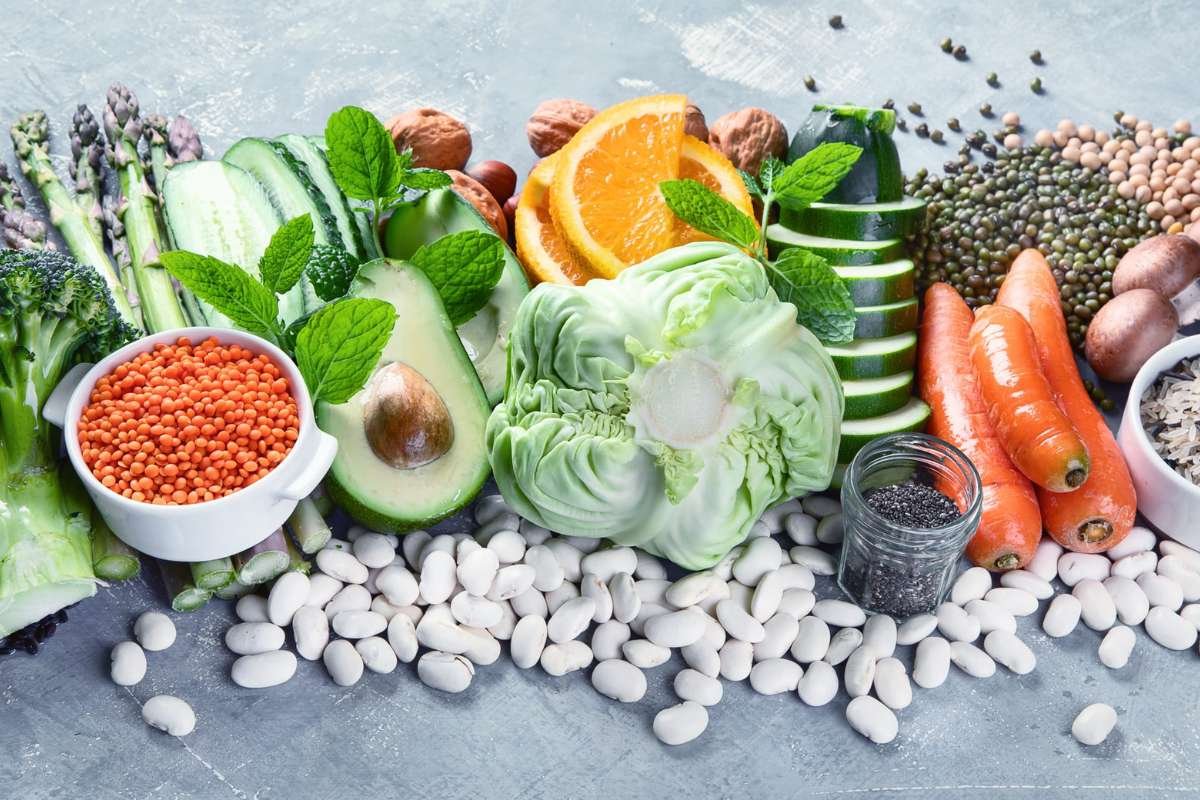
Many experts recommend a Mediterranean-style diet. It focuses on simple foods like vegetables, fruits, fish, beans, nuts, olive oil, and whole grains instead of highly processed foods.
Small food changes done daily can support better sleep and overall health in the long run.
Best Foods for Obstructive Sleep Apnea
1. Leafy Green Vegetables
Spinach, kale, lettuce, and broccoli are low in calories and full of nutrients. They contain fiber, magnesium, and antioxidants that may support better sleep and overall health.
These vegetables may also help with weight control, which is important for people with sleep apnea. Try adding greens to salads, soups, sandwiches, or smoothies.
2. Fatty Fish
Salmon, sardines, trout, and mackerel are rich in omega-3 fats. These healthy fats may help lower inflammation and support heart health.
Fish is also a healthier protein choice than fried foods or processed meats like sausages and bacon. Grilled or baked fish can be a simple dinner option a few times a week.
3. Whole Grains
Whole grains give the body steady energy and help people stay full longer. They also contain fiber, which may support healthy weight management.
Good choices include:
- Oats
- Brown rice
- Whole wheat bread
- Quinoa
Swapping refined grains for whole grains is a simple change that can support better health over time.
4. Nuts and Seeds
Almonds, walnuts, chia seeds, and flaxseeds contain healthy fats, protein, and magnesium. A small handful can make a filling snack without added sugar or heavily processed ingredients.
Walnuts and flaxseeds also contain omega-3 fats that may support heart and sleep health.
5. Berries and Fruits
Blueberries, strawberries, apples, and pears are rich in fiber and antioxidants. These nutrients may help support better sleep and overall health in people looking for helpful foods for obstructive sleep apnea.
Fresh fruit is also a healthier choice than sugary desserts and packaged snacks. Eating fruit regularly may help with weight control and steady energy levels during the day.
6. Beans and Lentils
Beans and lentils are filling, affordable, and easy to add to meals. They contain plant protein and fiber, which may help people stay full longer.
They may support:
- Healthy digestion
- Steady energy levels
- Better weight control
Beans and lentils also fit well into healthy eating plans linked with better sleep and heart health.
7. Lean Protein
Chicken, turkey, eggs, tofu, and Greek yogurt can help build balanced meals. Protein may help reduce hunger and keep people full for longer periods.
Some protein foods also contain tryptophan, a nutrient that helps the body produce sleep-related hormones. Choosing lean protein instead of fried or processed meat may support better overall health.
Foods and Drinks That May Worsen Symptoms
Some foods and drinks may make symptoms worse for people searching for the right foods for obstructive sleep apnea, especially before bedtime. They can affect breathing, sleep quality, body weight, or throat muscles during sleep.
| Food or Drink | Why It May Be a Problem |
| Alcohol | Can relax throat muscles and worsen breathing problems |
| Sugary foods | May lead to weight gain and poor sleep |
| Fried foods | Heavy meals may make sleep less comfortable |
| Processed meat | Often high in salt and unhealthy fats |
| Large late-night meals | May cause reflux and discomfort during sleep |
| Too much caffeine late in the day | Can make it harder to fall asleep |
Smoking and some sedative medicines may also worsen airway blockage during sleep. Limiting these habits may help support better breathing and sleep quality.
Simple Eating Habits That Can Help
Eat Earlier at Night
Try to finish dinner at least 2 to 3 hours before bedtime. Eating heavy meals late at night may
lead to reflux, bloating, and poor sleep.
Focus on Whole Foods
Meals made with vegetables, fruits, lean protein, healthy fats, and whole grains are often more
balanced and filling. They may also support healthy weight goals over time.
Watch Portion Sizes
Even healthy foods can lead to weight gain when portions are too large. Small changes with
Portion control can make a big difference over time.
Stay Consistent
Healthy eating works best when it becomes part of daily life. Strict diets are often hard to follow
for long periods. Simple habits done every day are easier to maintain and may support better
sleep in the long run.
Can Diet Cure Sleep Apnea?
Diet alone usually cannot cure sleep apnea. But healthy eating may still help improve symptoms and support better overall health.
Healthy food habits may support people looking for the right foods for Obstructive Sleep Apnea by:
- Support weight loss
- Lower inflammation
- Improve sleep quality
- Help CPAP treatment work better
- Reduce heart and blood sugar risks
For some people with mild sleep apnea, weight loss and lifestyle changes may lead to major improvement over time.
Still, sleep apnea should not be ignored. Anyone with symptoms like loud snoring, choking during sleep, morning headaches, or daytime tiredness should speak with a doctor for proper care and treatment.
Final Thoughts
Small food choices can make a real difference for people looking for helpful foods for obstructive sleep apnea. Eating more vegetables, whole grains, fish, nuts, beans, fruits, and lean protein may help support better sleep and healthy weight management.
At the same time, cutting back on alcohol, fried foods, sugary snacks, and heavy late-night meals may help reduce sleep apnea symptoms for some people.
There is no single food that can cure sleep apnea. The goal is to build simple eating habits that support better sleep, lower inflammation, and long-term health.
Small, steady changes are often easier to follow and more helpful than strict diets that do not last.