A botanist once told me that if humans lived like certain plants, we would spend ninety years preparing for one conversation and let that moment define our entire existence.
I didn’t understand it then. Not until I stood on a wind-scoured mountainside, staring at a towering stalk of flowers rising out of what had looked like lifeless ground for decades. There were no signs, no warnings, no gradual reveal. Just an eruption. And a quiet certainty that this was the beginning of the end.
In the natural world, patience can be fatal or transcendent.
Some plants follow a radical biological contract. They grow slowly, almost invisibly, across years, sometimes decades. They store sunlight, minerals, water, and resilience with obsessive discipline. Then, once—only once—they bloom. Not timidly. Not partially. They unleash everything they have in a single, irreversible act. When the flowers fade, the plant dies.
These are the flowers that bloom only once in a lifetime, and their existence challenges how we think about survival, success, and legacy.
This article is not a list of curiosities. It is a study of evolutionary risk-taking. Drawing from field research, botanical data, and conservation records, we explore twelve species that wager their entire lives on one moment of reproduction. Each one reveals a different answer to the same ancient question: Is it better to endure quietly—or to burn brilliantly, just once?
Why Do Some Plants Only Bloom Once? (The Science)
In biology, we distinguish between polycarpic plants (which flower many times) and monocarpic plants (which flower once and perish). Scientists often refer to this “one-and-done” reproductive strategy as semelparity.
Why would evolution favor a plant that dies immediately after reproducing? The “Big Bang” reproduction theory suggests that by concentrating all energy into a single, massive flowering event, the plant maximizes its chances of attracting pollinators and producing an overwhelming number of seeds. This “predator satiation” ensures that even if birds or insects eat thousands of seeds, thousands more will survive to sprout.
Research from BYJU’S Biology archives explains that these plants undergo a radical physiological shift. The plant redirects every bit of stored carbohydrate from the roots and leaves to the flowering stalk. This total resource depletion leaves the vegetative structure incapable of recovery. It is a calculated sacrifice for genetic immortality.
Key Stats: 5-10% flowering plants are monocarpic (Botanical Journal of Linnean Society). Triggers: Age, size, stress (drought, fire). Pollinators target huge displays; seeds ensure legacy.
Polycarpic plants (roses, apples) flower repeatedly. Table compares:
| Trait | Monocarpic (Once) | Polycarpic (Multiple) |
| Energy Use | All-in-one burst | Spread over years |
| Lifespan Pre-Bloom | 10-100 years | Perennial |
| Examples | Agave, Century Plant | Rose, Tomato |
| Survival Strategy | Flood of seeds | Steady reproduction |
Top 12 Spectacular Flowers That Bloom Only Once in a Lifetime
We have curated this list by cross-referencing global botanical databases with recent field reports from the IUCN and various national park archives. Our ranking follows a hierarchy of rarity and “botanical drama,” beginning with the legendary “centenarians” of the high altitudes and moving toward those with unique cultural or ecological impacts. Each entry represents a verified case of monocarpic sacrifice.
1. Puya raimondii (Queen of the Andes)
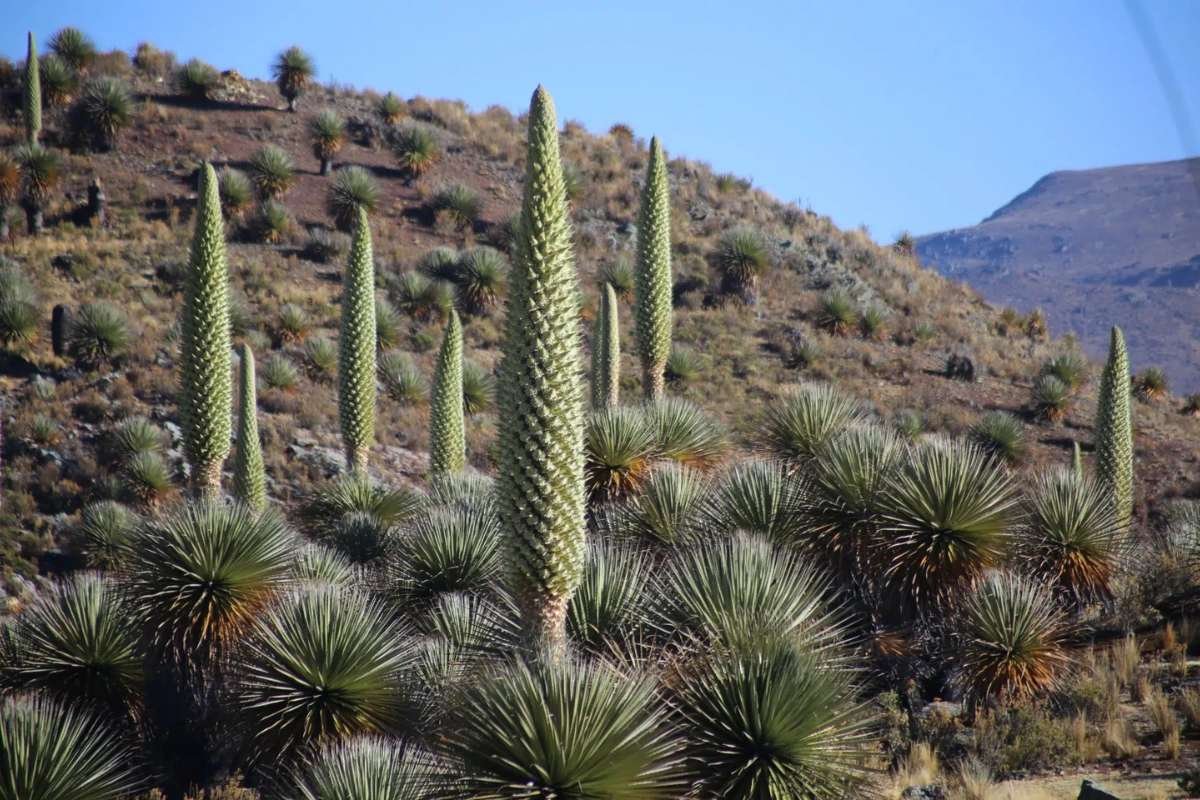
The undisputed monarch of the high altitudes, this bromeliad is a testament to patience. It grows in the harsh Puna grasslands of Peru and Bolivia. This botanical giant anchors itself in the thin, oxygen-poor air of the Andes, thriving where most life fails. It hoards sunlight for eighty years, slowly assembling a massive vertical pillar of life.
When it finally decides to reproduce, it produces one of the most magnificent spectacles in the natural world. This terminal event drains the plant entirely, leaving behind a dry, golden skeleton that feeds the mountain soil for years to come.
- Bloom Cycle: 80–100 years.
- Biological Trigger: Internal age-related hormonal shifts.
- Pollinator Strategy: High-altitude hummingbirds and bats.
- Rarity Status: Endangered (IUCN).
- Fact: A single stalk can reach 30 feet in height and hold 8,000 creamy white flowers.
2. Corypha umbraculifera (Talipot Palm)
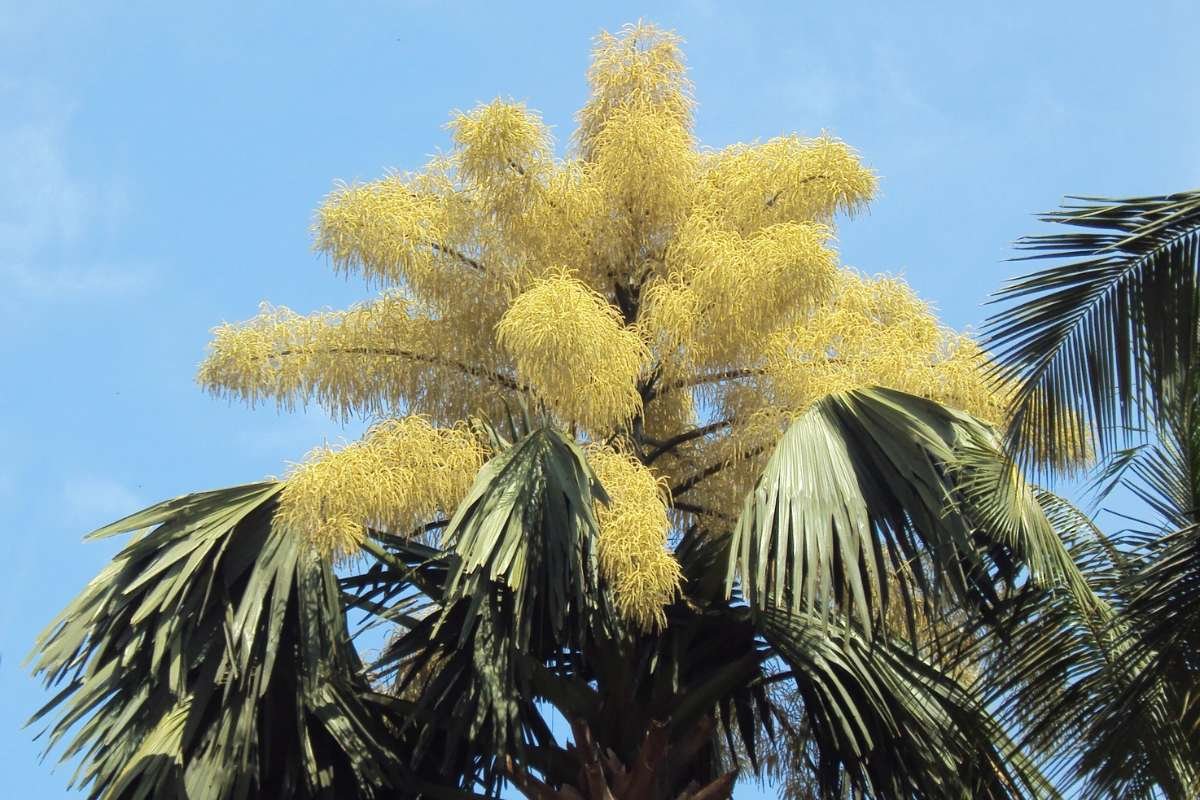
Native to India and Sri Lanka, this palm produces the largest inflorescence (flower cluster) in the world. Dominating the tropical landscapes of South Asia, the Talipot Palm represents the pinnacle of botanical endurance. It grows a thick, rugged trunk and expansive leaves for decades, quietly storing starches in its core.
When the final hour approaches, the tree erupts into a massive, fan-like crown of blossoms. This singular reproductive event is so intense that the palm essentially converts its entire body mass into seeds, collapsing under its own heavy legacy shortly after.
- Bloom Cycle: 30–80 years.
- Native Location: South Asia.
- Conservation Outlook: Cultivated, but rare in the wild.
- The Act: The palm grows a massive plume of millions of tiny yellow-white flowers.
3. Tahina spectabilis (The Suicide Palm)
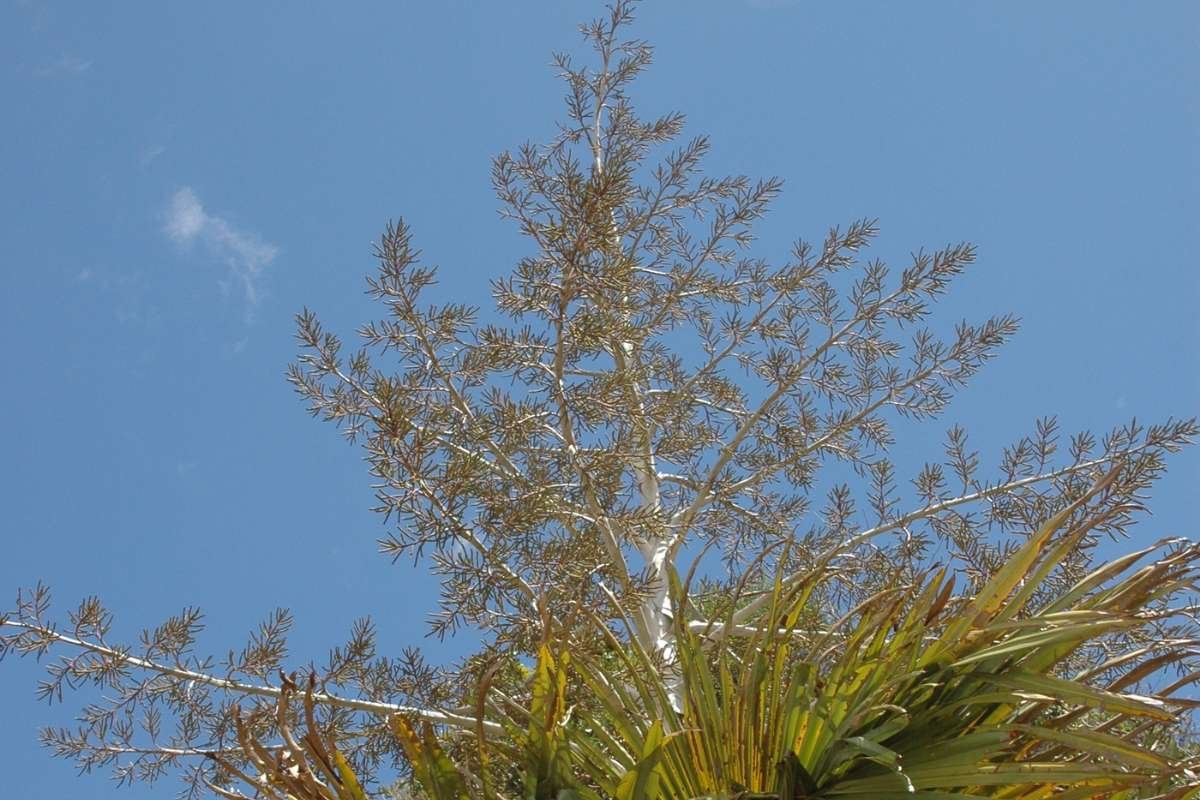
This species remained hidden from the scientific world until 2007. It is one of the most famous flowers that bloom only once in a lifetime due to its dramatic demise. Discovered by a French family on a casual stroll in Madagascar, this palm shocked the botanical world with its suicidal reproductive strategy. It remains one of the rarest specimens due to its extreme isolation and peculiar lifecycle.
The palm maintains a humble appearance for fifty years before growing a towering, branch-filled pyramid of flowers at its peak. This sudden energy expenditure completely bypasses the tree’s ability to sustain its roots, leading to a swift and inevitable death.
- Biological Trigger: Unknown environmental cues.
- Rarity Status: Critically Endangered; fewer than 100 exist in the wild.
- Case Study: Reuters recently documented a rare bloom in Rio de Janeiro’s botanical gardens, where a specimen planted decades ago finally reached its terminal flowering stage in 2025.
4. Agave Americana (Century Plant)
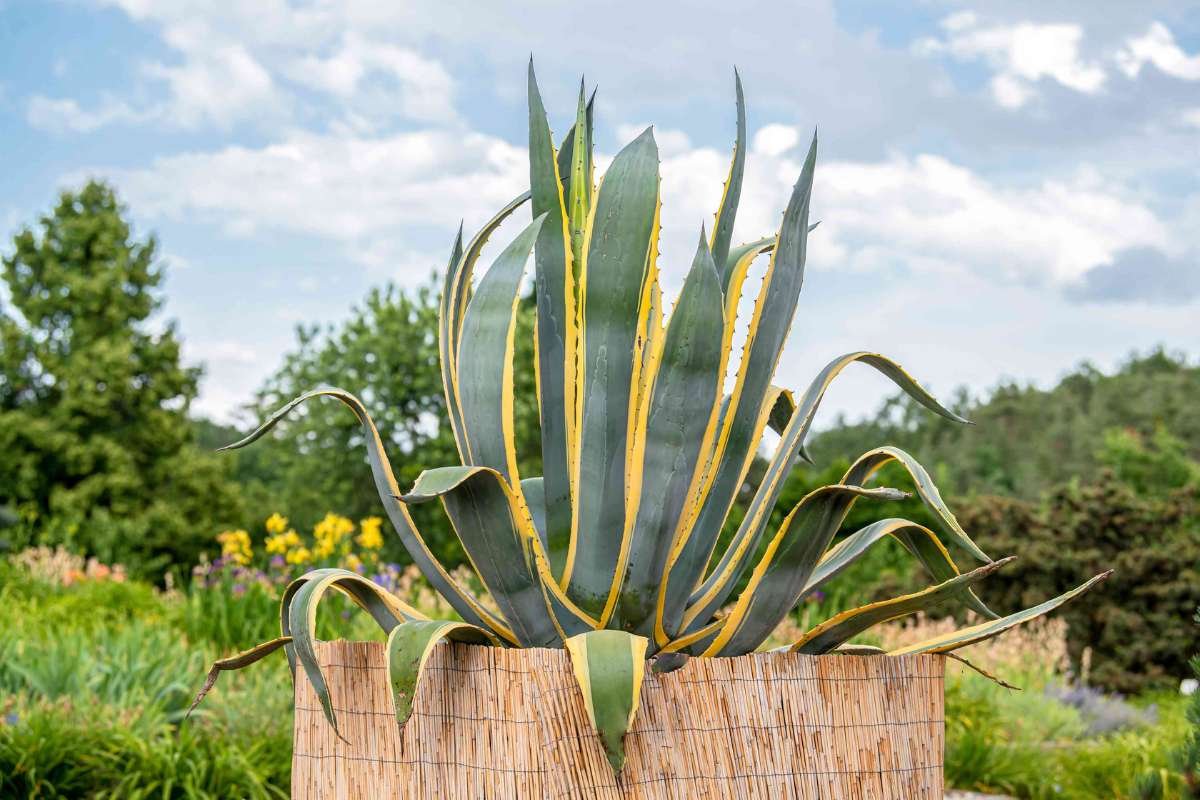
Despite its common name, the Century Plant typically lives 10 to 30 years before blooming. This desert dweller operates on a much faster clock than a century, yet its end remains equally final. It thrives in arid conditions by storing water in succulent, thorn-edged leaves that protect its core from parched environments.
The transition from a quiet rosette to a sky-high blooming mast happens with shocking speed. Once the stalk reaches its full height and the blossoms fade, the mother plant dies, shifting its remaining life force into small pups that cluster at the base.
- Pollinator Strategy: Nocturnal bats and long-tongued moths.
- Lifespan: 25 years on average.
- Innovation: It produces a “mast” or asparagus-like stalk that grows several inches per day, reaching up to 30 feet.
5. Strobilanthes kunthiana (Neelakurinji)
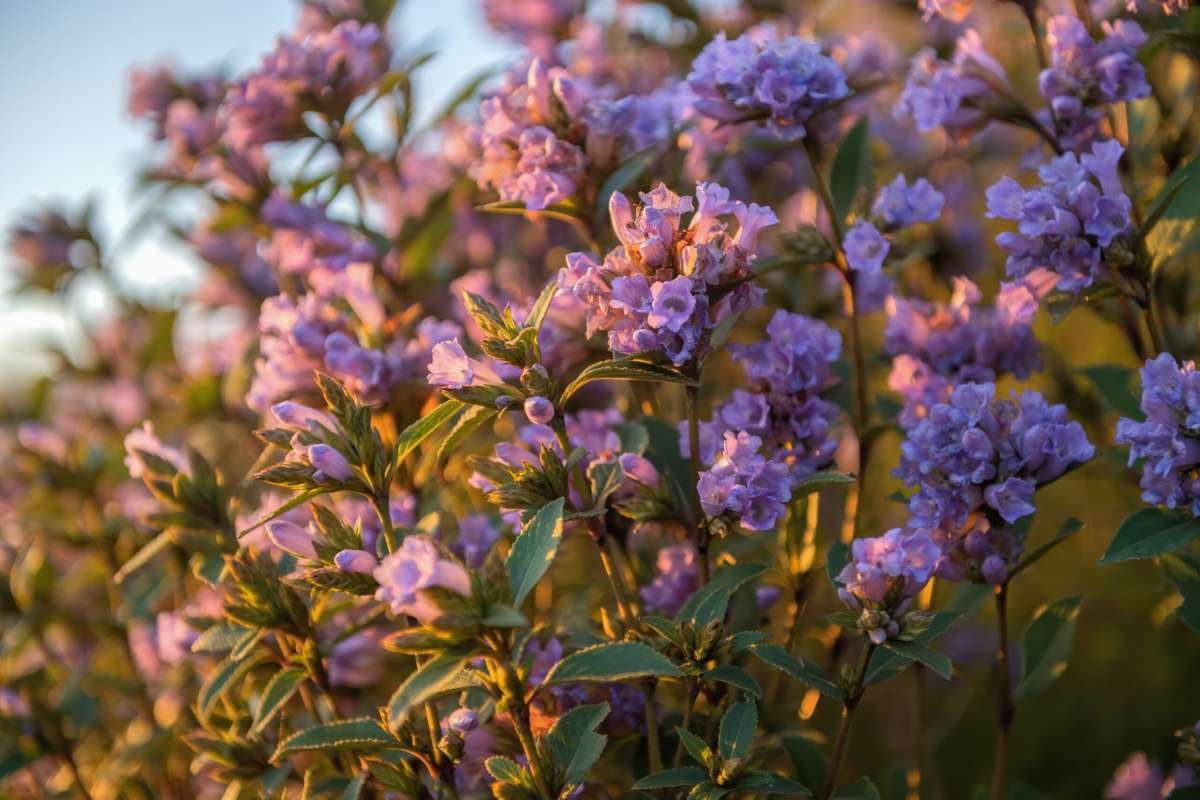
The hills of Munnar, India, turn a mystical blue every 12 years because of this plant. While it has a shorter lifespan than a palm, it remains a quintessential example of flowers that bloom only once in a lifetime for many travelers. This shrub turns the rolling hills of the Western Ghats into a sea of purplish-blue, attracting global attention with its synchronized masting. It follows a strict twelve-year internal clock, surviving as a simple green bush through various monsoon seasons.
When the cycle completes, millions of these plants bloom together, creating a nectar-rich paradise for honeybees. For local tribes, this event serves as a chronological marker, though modern climate shifts now threaten the predictability of this rare botanical phenomenon.
- Bloom Cycle: Exactly 12 years.
- Biological Trigger: An internal “masting” clock.
- Observation: The mass flowering draws millions of tourists, though habitat destruction threatens the 2030 bloom cycle.
6. Argyroxyphium sandwicense (Mauna Kea Silversword)
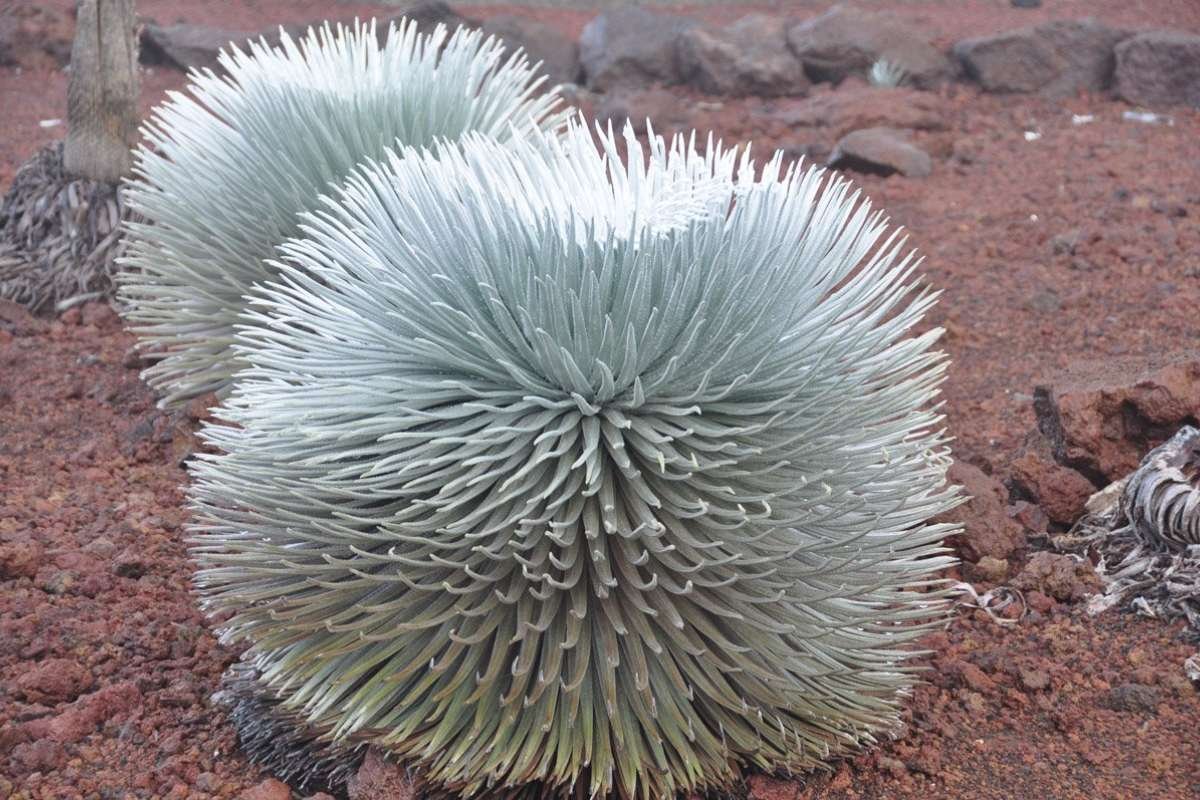
Found only on the volcanic slopes of Hawaii, this plant looks like a shimmering ball of silver needles before it transforms. Enduring the brutal sun and freezing nights of Mauna Kea’s volcanic peaks, the Silversword uses its metallic-looking hairs to reflect harsh ultraviolet radiation. This adaptation allows it to survive in barren, cinder-rich soil where other plants wither instantly.
After decades of solitary growth, the shimmering rosette sends up a tall, wine-colored flowering spike that contrasts sharply with the black volcanic rock. This spectacular finale marks the end of its decades-long struggle, leaving thousands of wind-dispersed seeds to settle in the volcanic dust.
- Bloom Cycle: 20–90 years.
- Native Location: Hawaii (Mauna Kea).
- Rarity Status: Threatened by climate change and invasive species.
- Tactics: It produces a spectacular maroon-colored flower stalk before the entire silver rosette withers.
7. Cardiocrinum giganteum (Giant Himalayan Lily)
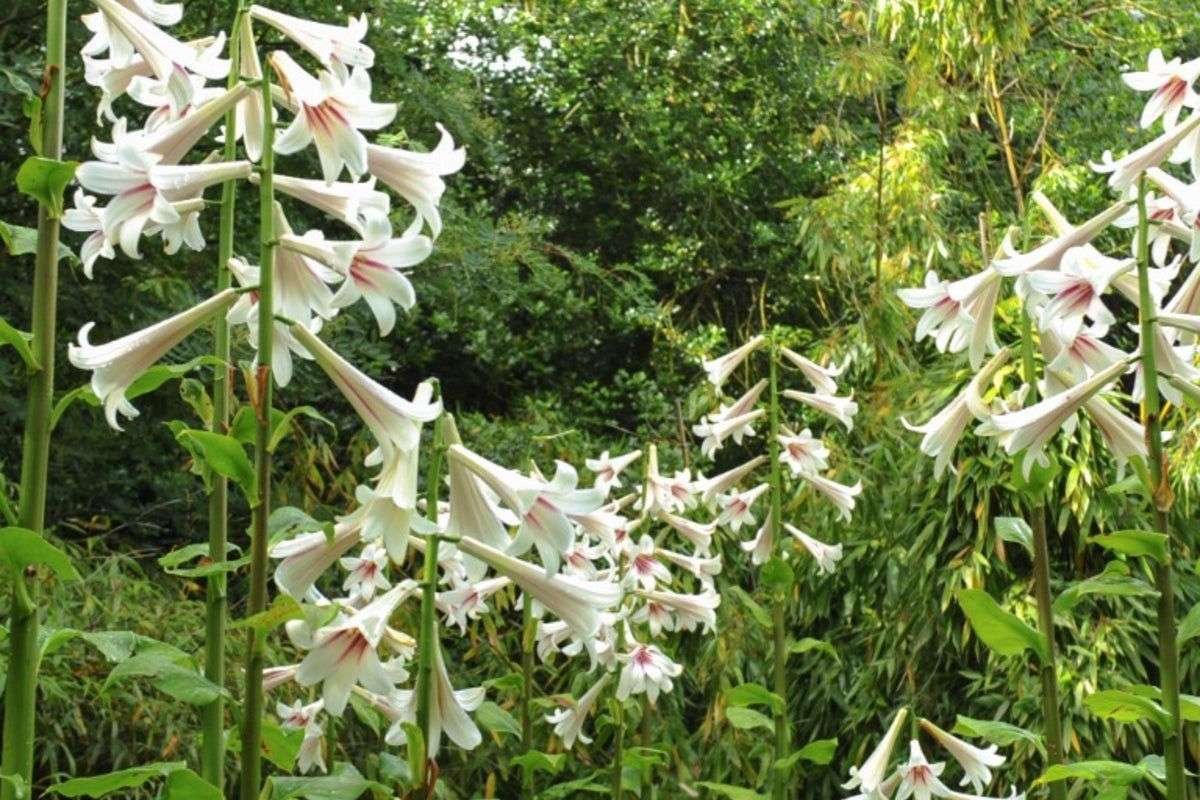
This towering lily represents the crown jewel of the Himalayan woodlands. It spends several years developing a massive subterranean bulb, drawing nutrients from damp, rich forest floors to fuel its eventual ascent.
Gardeners often consider it the “holy grail” of lilies due to its impressive height and the intoxicating, spicy scent it releases during its final week of life. The massive effort of producing such large, waxy flowers ultimately exhausts the mother bulb, causing it to disintegrate into the soil after the seeds disperse.
- Bloom Cycle: 5–7 years.
- Pollinator Strategy: Large bees and moths.
- Outcome: After the seeds disperse, the main bulb rots away, often leaving small “offset” bulbs to start the cycle again.
Read Next:
- The Moonlit Garden: You Won’t Believe These 10 Flowers That Bloom in the Dark
- Can You Guess the Top 30 Most Rare Flowers in the World? Most People Get It Wrong
8. Bambusa tulda (Indian Timber Bamboo)
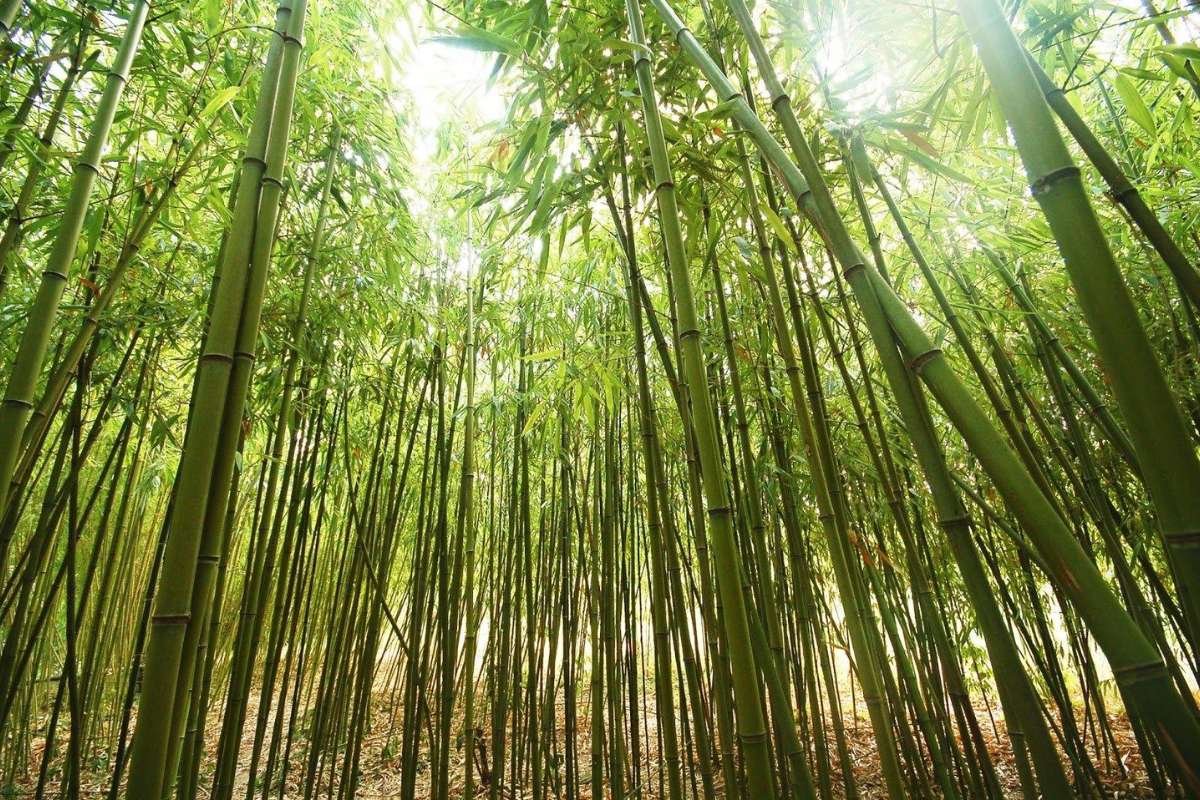
Indian Timber Bamboo acts as a biological time bomb for the ecosystems of Northeast India. It follows a mysterious internal clock that triggers every individual in the population to bloom simultaneously, regardless of their physical location across the globe. This “gregarious flowering” floods the landscape with protein-rich seeds, which triggers a massive surge in the local black rat population.
These rodents eventually destroy local grain stores and crops, creating a cycle of ecological and social upheaval that indigenous communities have tracked for centuries. These flowers that bloom only once in a lifetime change the very economy of the regions where they grow.
- Bloom Cycle: 48–60 years.
- The Danger: The massive seed production often leads to a spike in rodent populations, which can cause local famines. This makes these flowers a subject of both awe and fear in rural communities.
9. Wilkesia gymnoxiphium (Iliau)
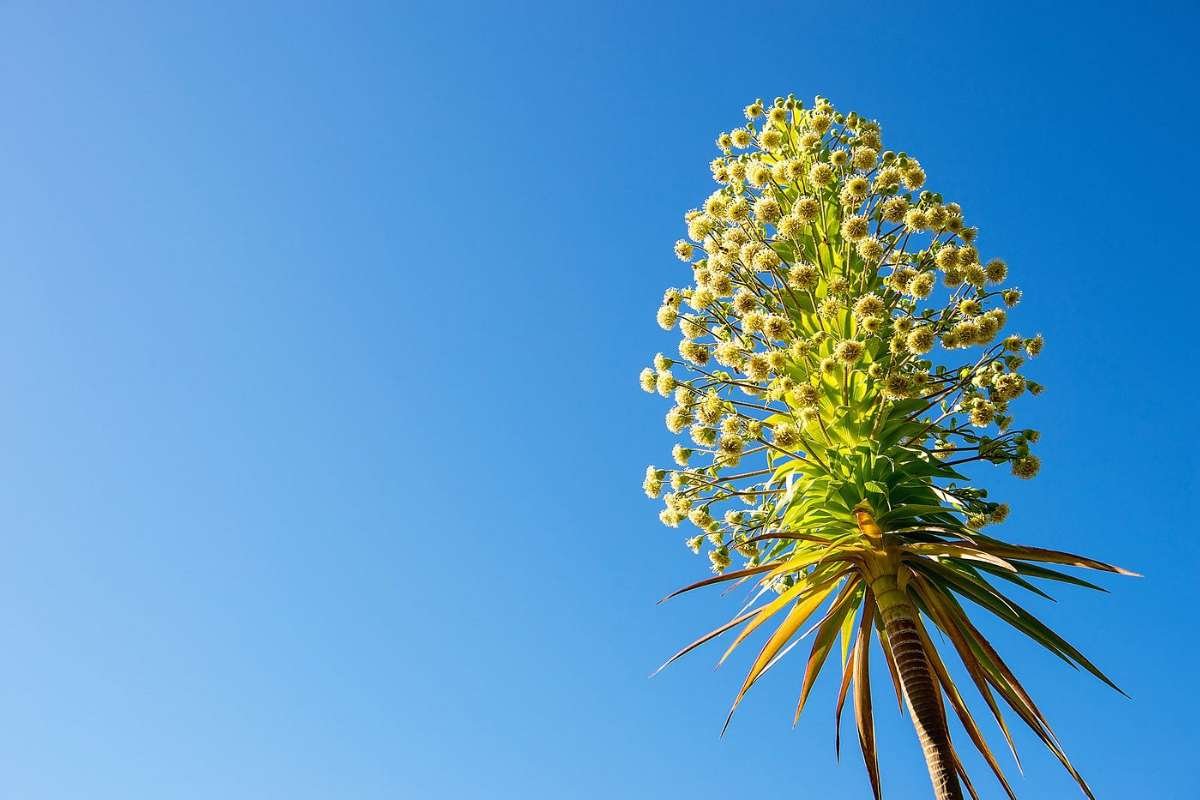
This rare gem from the Hawaiian island of Kauai showcases a unique evolutionary path. It spends its life as a tall, slender stalk topped with a tight cluster of leaves, resembling a primitive pom-pom. The Iliau thrives in the dry, sun-scorched environments of the Waimea Canyon, where other plants struggle to take root in the crumbly volcanic soil.
When it finally reaches maturity, it trades its structural integrity for a glorious explosion of yellow blossoms that signal the end of its decades-long journey. Its death is a vital part of the canyon’s nutrient cycle.
- Lifespan: 10–20 years.
- Visual: It resembles a pom-pom on a stick until it erupts into hundreds of yellow daisy-like heads.
- Biological Strategy: It thrives in dry, steep canyon walls where competition is low.
10. Furcraea foetida (Mauritius Hemp)
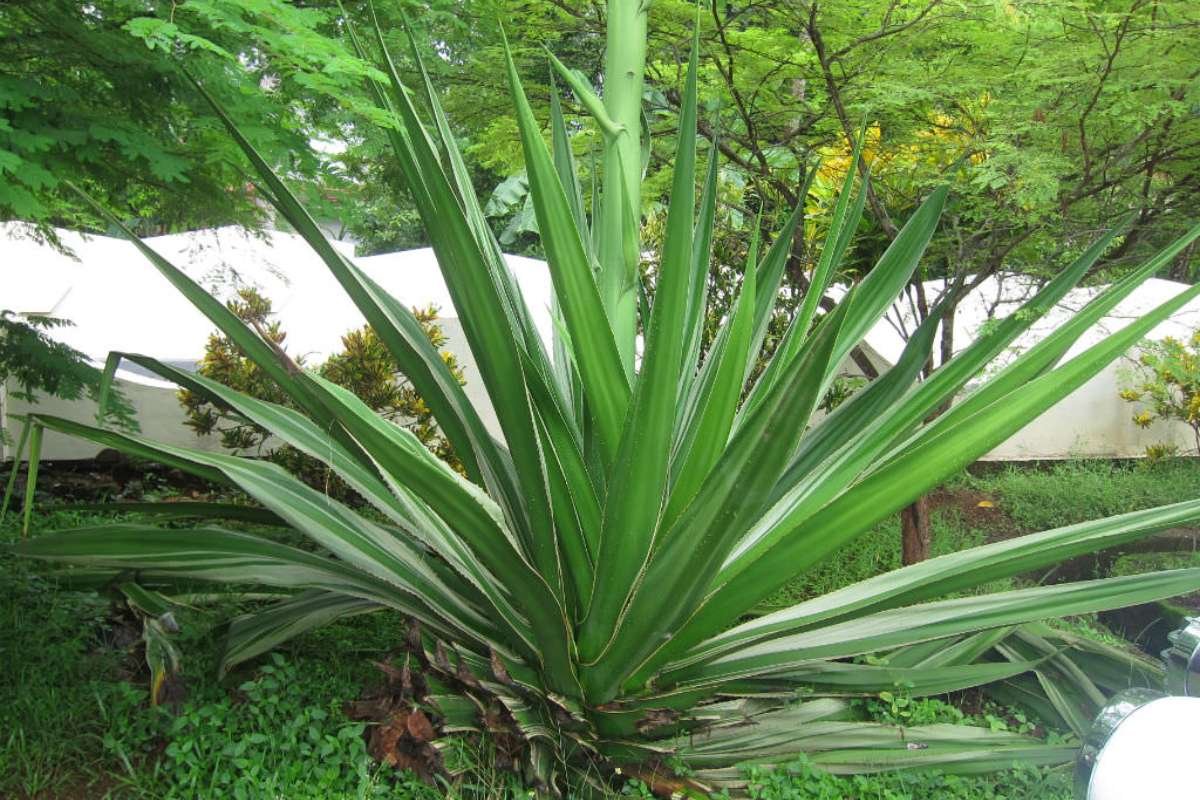
Often mistaken for its cousin, the Agave, the Mauritius Hemp displays a distinctive survivalist personality. It creates a striking architectural presence in tropical gardens before launching a massive, branched flower spike into the sky.
This species possesses a clever backup plan; instead of relying solely on seeds, it produces hundreds of miniature plant clones called bulbils directly on its flowering branches. These tiny “babies” fall to the ground as the parent plant dies, ensuring these flowers that bloom only once in a lifetime continue their lineage with high efficiency even in the absence of pollinators.
- Bloom Cycle: 10–15 years.
- Strategy: It often produces “bulbils” (tiny clones) on the flower stalk itself, ensuring survival even if seeds fail. This versatility keeps these flowers thriving in tropical climates.
11. Cerberiopsis candelabra (New Caledonia Candelabra)
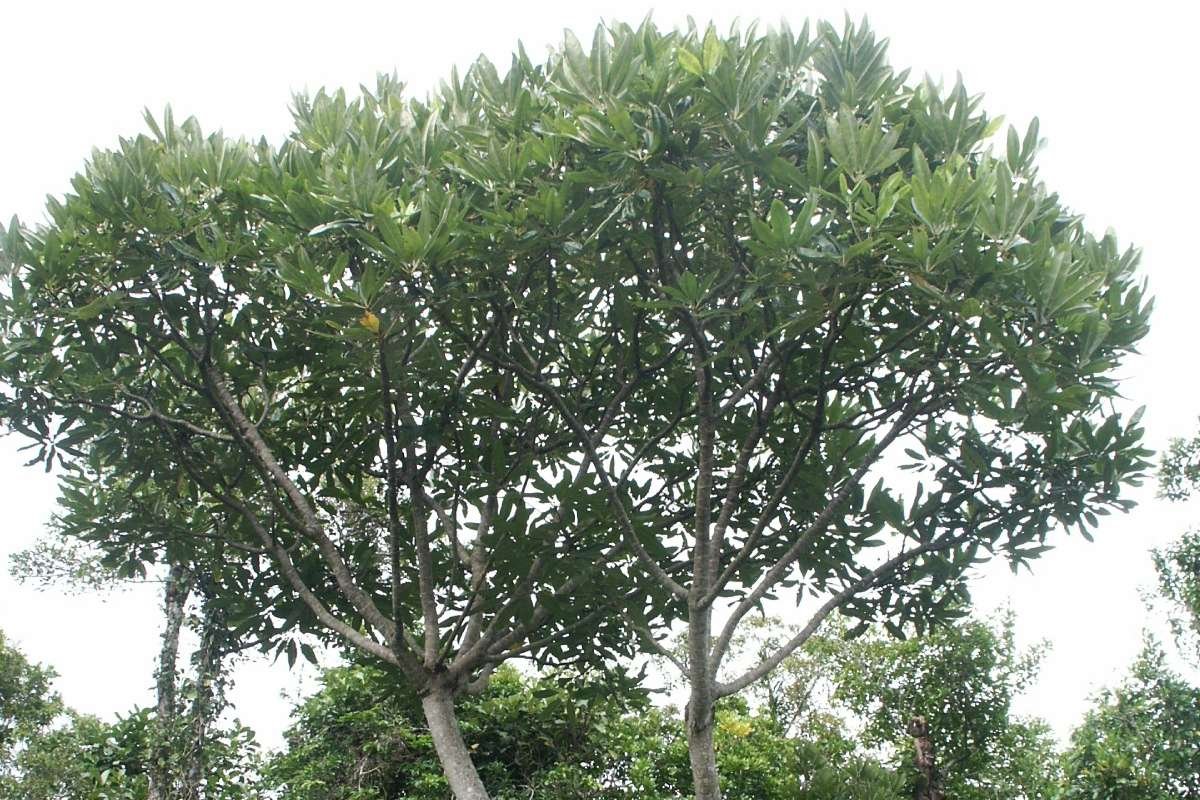
Deep within the nickel-rich soils of New Caledonia, this tree executes a dramatic and rare life strategy. For most of its life, it appears as a simple, unbranched pole, blending into the surrounding scrubland. Its transformation into a multi-tiered candelabra of white flowers serves as a signal of its impending demise.
Once the seeds mature, the tree shuts down all biological functions. It stands as a stark, white monument against the landscape for several years before finally toppling over, providing a slow-release source of nutrients for the next generation of seedlings below.
- Bloom Cycle: 30–50 years.
- Impact: The entire canopy turns white with blossoms before the tree dies standing, often remaining as a “skeleton” for years.
12. Lobelia telekii (Mount Kenya Lobelia)
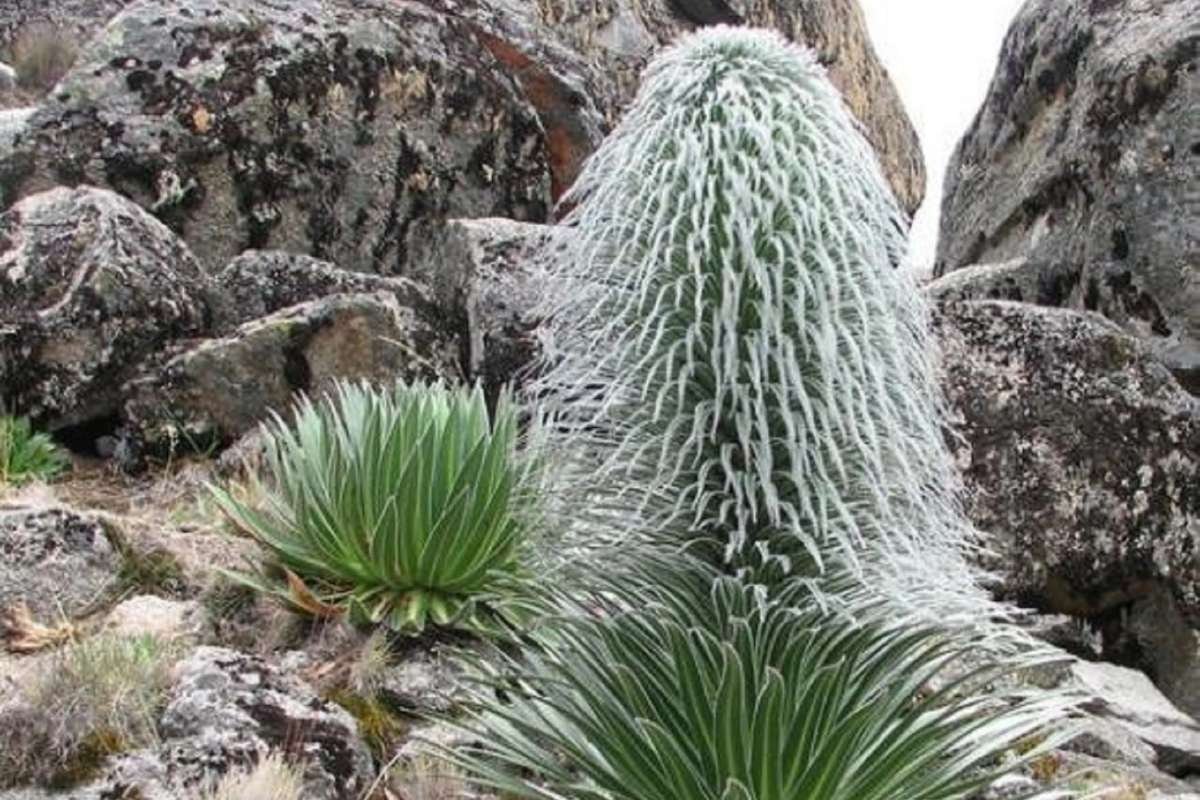
High on the slopes of Mount Kenya, this lobelia survives some of the most extreme temperature fluctuations on Earth. It grows a thick, woolly exterior that functions like a natural greenhouse, trapping warm air to protect its reproductive organs from the nightly freeze.
This “furry” tower is a marvel of evolutionary engineering, allowing the plant to reach maturity in an environment where few other species can even survive. When the flowering ends, the plant has spent every ounce of its thermal and chemical energy to produce these flowers that bloom only once in a lifetime, leaving a hollow husk in the alpine mist.
- Bloom Cycle: 20–40 years.
- Native Location: Mount Kenya.
- Innovation: The plant produces a “furry” tower that traps warm air, protecting the delicate flowers from freezing nighttime temperatures.
Comparison Table: Monocarpic vs. Polycarpic
Understanding the difference helps enthusiasts identify which plants are making the ultimate sacrifice.
| Feature | Monocarpic (Semelparous) | Polycarpic (Iteroparous) |
| Reproduction | Single massive event | Multiple events over the years |
| Energy Allocation | Total resource depletion | Partial resource usage |
| Post-Bloom Life | Immediate senescence (death) | Survival and regeneration |
| Survival Strategy | Seed saturation (predator satiation) | Consistent, long-term dispersal |
| Examples | Agave, Talipot Palm, Silversword | Roses, Oak trees, Orchids |
The Psychology of Rare Sightings: Why We Care?
Humans possess a natural fascination with the ephemeral. Dr. Robert Cialdini’s principles of “Scarcity” explain why a bloom that happens once every 50 years draws larger crowds than a rose that blooms every June. We perceive the flowers that bloom only once in a lifetime as more valuable because they represent a “once-in-a-generation” opportunity.
When the Talipot Palm bloomed at the Rio Botanical Garden, it made international headlines. People traveled thousands of miles to witness a biological event they would never see again in their own lifespans. This connection to the rare reminds us of our own mortality and the incredible patience of the natural world.
Read Next:
- The 10 Most Expensive Flowers in the World, And Why They Cost More Than Gold
- 12 Rarest Orchids in the World That Look Too Unreal to Be Natural
Conservation Outlook: Protecting the Final Bloom
Unfortunately, the long life cycles of these plants make them incredibly vulnerable. If a collector poaches a Puya raimondii at year 50, they destroy half a century of accumulated energy. Similarly, climate change shifts the delicate triggers these plants rely on to bloom.
Organizations like the IUCN Red List and local botanical archives monitor these species closely. We must protect the habitats of these flowers that bloom only once in a lifetime to ensure that future generations can witness these silent giants making their grand, final exit.
Conclusion
The botanical world operates on a timeline far beyond our fast-paced human existence. The flowers that bloom only once in a lifetime teach us that some things are worth the wait. They remind us that greatness requires preparation, and sometimes, the most beautiful thing an organism can do is give everything it has for a single moment of perfection.
Whether it is the blue hills of Munnar or the towering masts of the Andean highlands, these plants represent the pinnacle of biological commitment. They prove that death is not always a failure; in the kingdom of plants, it is often the ultimate success.