Key Takeaway:
- Florida counties report locally acquired dengue cases, prompting mosquito-borne illness alerts.
- Dengue can cause high fever, severe headaches, nausea, rash, and intense muscle and joint pain.
- Officials urge residents to prevent mosquito bites and seek medical care if symptoms develop.
Florida dengue cases are prompting health officials to warn residents about locally acquired infections after cases appeared in several counties, prompting mosquito-control measures and public health alerts.
Florida dengue cases trigger health alerts
The Florida Department of Health has reported Florida dengue cases in multiple counties this summer. Hillsborough County confirmed eight local cases by Aug. 12 and continued its mosquito-borne illness alert, while Pinellas County reported two local cases Aug. 11.
Miami-Dade County also reported a locally acquired case Aug. 3, and Pasco County confirmed a dengue case Aug. 26. The state maintains weekly surveillance reports for dengue and other mosquito-borne illnesses.
Florida’s health department describes dengue as one of several mosquito-borne diseases monitored through its statewide surveillance system. The latest available state report listed 23 locally acquired dengue infections statewide through Aug. 15, according to a report citing Florida Department of Health surveillance data.
The Centers for Disease Control and Prevention said most dengue cases in the continental United States are associated with travel, but local transmission can occur because mosquito species capable of spreading the virus are present in the country.
Dengue causes severe pain and fever
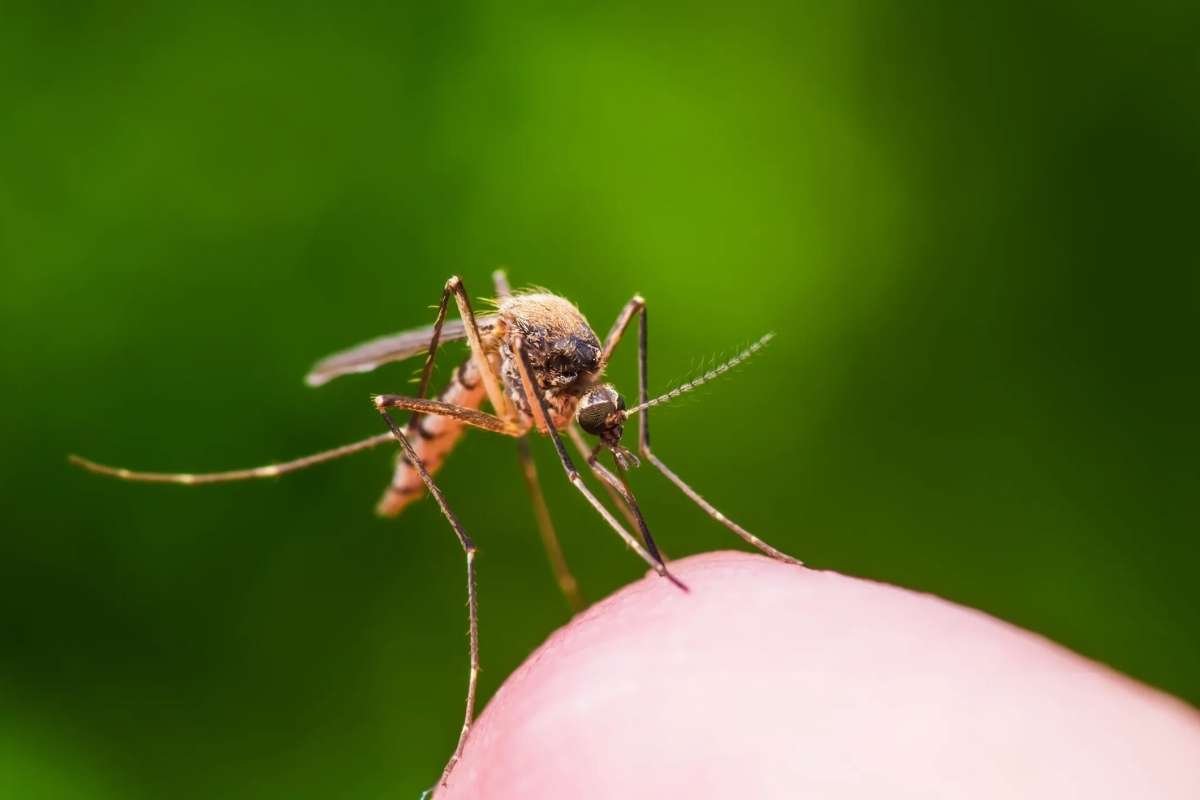
Dengue spreads through the bite of an infected Aedes mosquito. The illness is sometimes called “break-bone fever” because it can cause intense muscle, joint, and bone pain, as well as pain behind the eyes.
Other symptoms include fever, severe headache, nausea, vomiting, and rash. The CDC says symptoms usually begin within two weeks after an infected mosquito bite and generally last two to seven days. Most people recover after about a week.
About one in 20 people who develop symptomatic dengue progress to severe disease, according to the CDC. Severe dengue can cause shock, serious bleeding or organ damage and can become life-threatening within hours.
“Severe dengue is a medical emergency,” the CDC says, urging patients to seek immediate care when warning signs appear. Those signs include severe abdominal pain, persistent vomiting, bleeding, and changes in alertness.
Officials urge residents to avoid mosquito bites
County health departments are increasing surveillance and mosquito-control efforts in areas with local cases. Pinellas County said its response includes mosquito treatment, aerial larviciding and inspections for breeding sites.
Hillsborough health officials said they are coordinating with county mosquito management authorities and using available resources “to minimize mosquito activity.”
Residents are being urged to wear protective clothing, use Environmental Protection Agency-registered insect repellent and remove standing water around homes. Officials also recommend repairing damaged window and door screens to reduce mosquito exposure.
The CDC says dengue occurs widely around the world, with up to 400 million infections each year. Health officials advise people with symptoms who live in or recently traveled to an area where dengue is circulating to contact a health care provider.