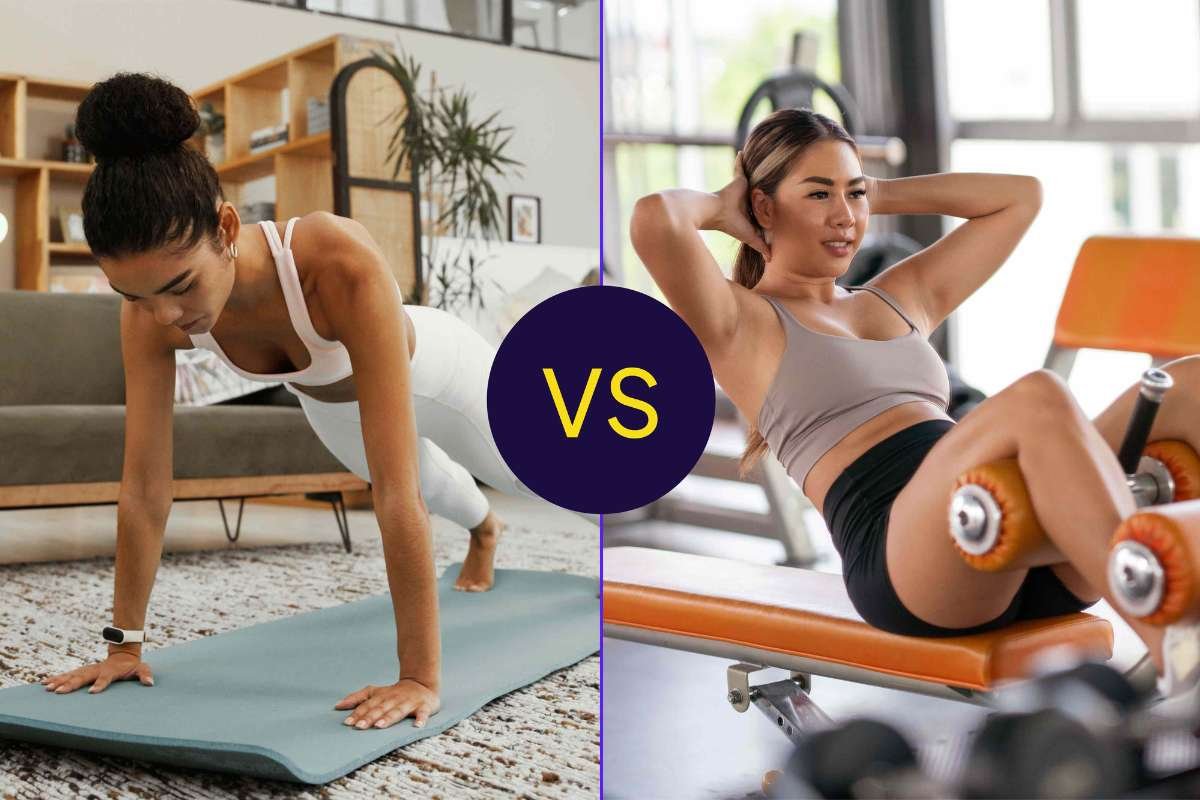
You may have stood on a mat at home and wondered which ab move is truly worth your time. Many people want a stronger stomach, better posture, or less back pain, but they are not sure where to begin.
That is why this question is so common: Crunches vs Planks, which one should you do?
It makes sense. Both exercises are popular. Both train the middle of your body. Both need little space and no gym.
But they do different jobs.
Crunches mainly work the front stomach muscles. Planks train the full core by making you hold still. That also works the shoulders, back, hips, and deep core muscles.
So the best choice depends on your goal. This guide explains it clearly.
What Is the Difference Between Crunches and Planks?
When comparing Crunches vs Planks, the biggest difference is how your body works during each move.
Crunches
For a crunch, you lie on your back with your knees bent. Then you lift your shoulders slightly off the floor and lower them back down. It is a small bending movement that mainly works the front stomach muscles.
Best for:
- Front abs
- Feeling the abs work
- Quick sets
- Ab-focused workout plans
Planks
For a plank, you hold your body in a straight line on your elbows or hands. You stay still while your muscles work to keep you steady.
Best for:
- Core stability
- Better posture
- Balance
- Back support
- Full-body tension
Think of it simply this way:
- Crunch = move the abs
- Plank = brace the abs
Muscle Comparison Table
Both moves train your middle body, but they do it in different ways. Crunches focus more on the front stomach muscles. Planks spread the work across many muscles at the same time.
| Exercise | Main Muscles Worked | Type of Exercise | Best Use |
| Crunches | Front abs, side abs | Moving exercise | Direct ab focus |
| Planks | Abs, side abs, deep core, glutes, shoulders, back | Hold position | Full core strength |
Many fitness experts note that planks train more muscles in one move. Crunches, on the other hand, place more direct focus on the front abs. Both can be useful when used for the right goal.
Which Is Better for Strong Core Muscles?
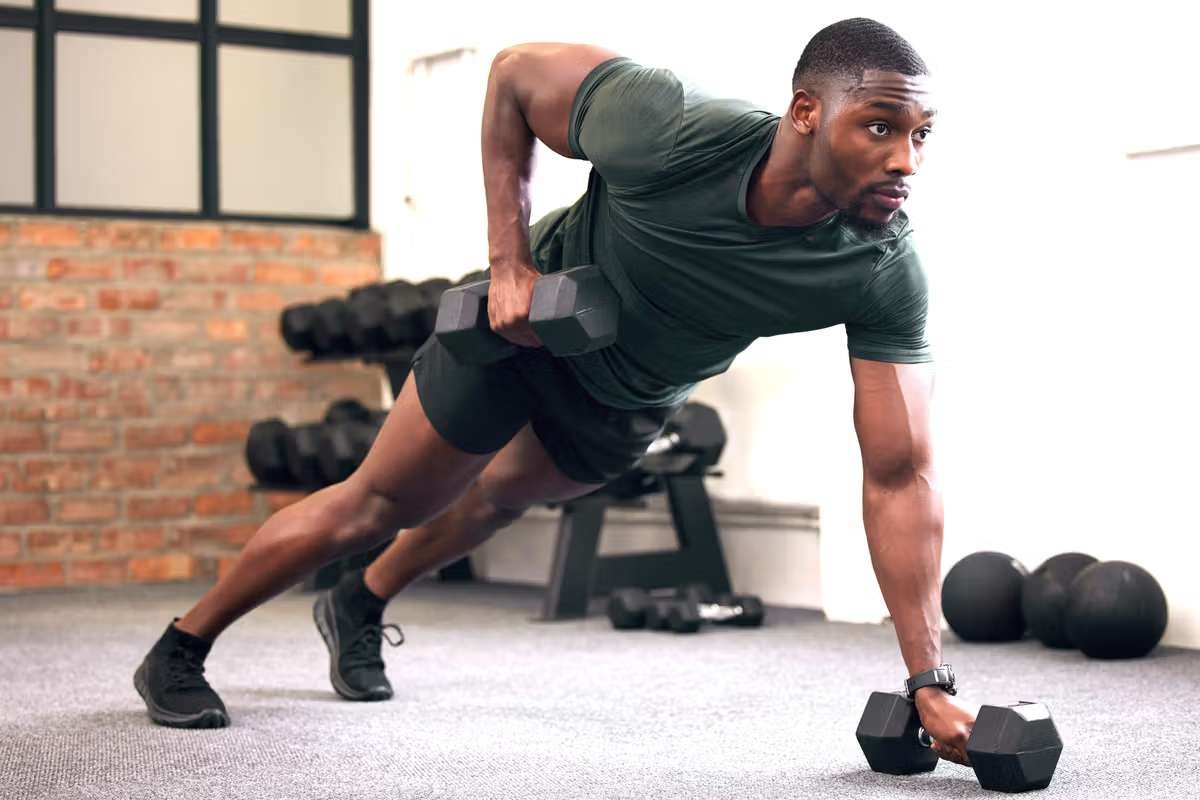
In the debate of Crunches vs Planks, planks usually come out ahead for total core strength.
Why does that matter?
Your core does much more than help you look fit. It helps you every day when you:
- Stand tall
- Carry bags or weight
- Support your spine
- Move while walking or lifting
- Keep balance
A strong core helps your whole body work better.
Planks train your core to stay firm and steady while your body resists movement. That is one of the main jobs of the midsection in real life. You use this skill when lifting, reaching, walking, and staying stable.
Many trainers now prefer this kind of core training for daily strength.
If your goal is better strength and stability, planks are often the smarter first choice.
Which Is Better for Visible Abs?
When people ask about Crunches vs Planks, many are really asking about six-pack abs.
For that goal, crunches can be a helpful choice.
Crunches directly work the rectus abdominis, which is the front stomach muscle people often call the six-pack. As this muscle gets stronger, it can become more defined over time.
But there is an important truth many people miss.
Visible abs depend more on body fat than on one exercise.
That means results also depend on:
- Good food choices
- Enough protein
- Regular movement
- Good sleep
- Calorie control
No workout can burn fat from only the belly area.
So crunches can help build and shape the muscle. Healthy daily habits like diet help show it. Both matter if you want a clear ab definition.
Which Is Safer for Your Back?
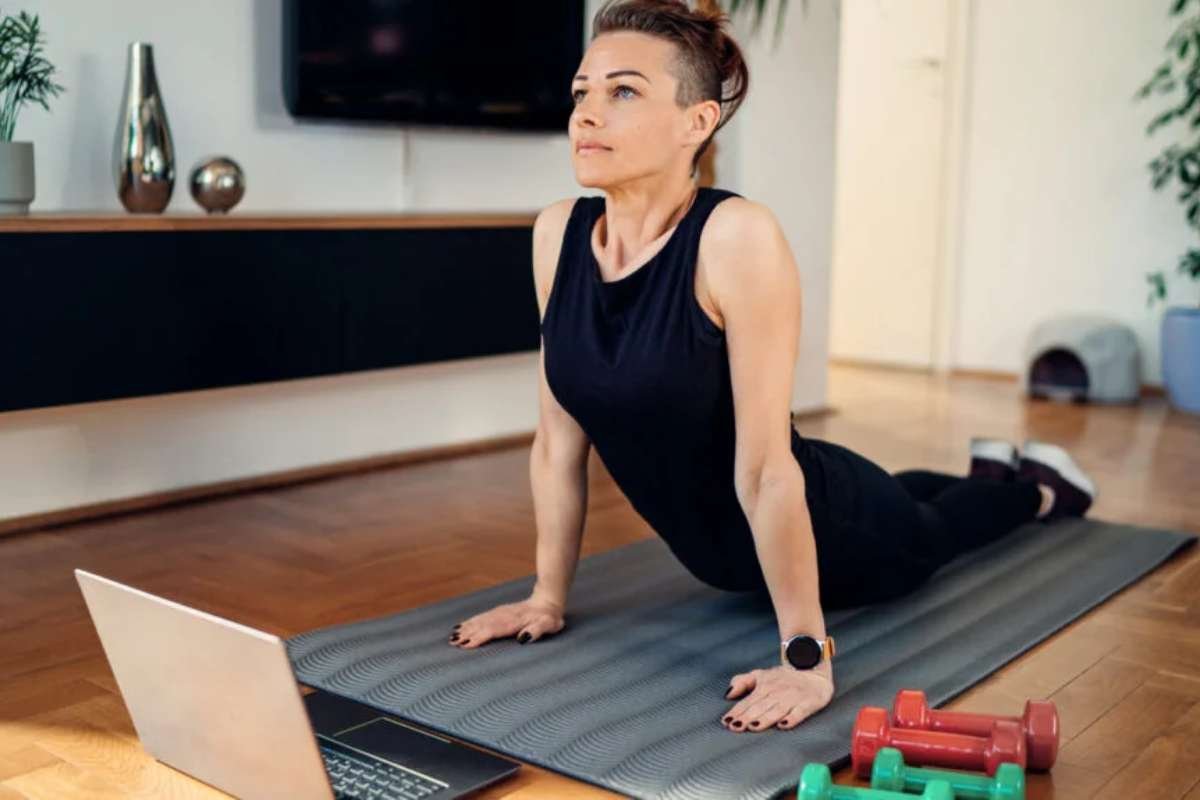
This is where Crunches vs Planks matters for many adults.
Crunches use repeated bending of the spine. Some people do them without trouble. Others may feel stress in the neck or lower back, especially with poor form.
Planks keep the spine in a more neutral position when done well. Because of that, many people find them easier on the back.
But planks can also cause strain if form slips.
Common mistakes:
- Hips dropping too low
- Lower back arching
- Neck hanging down
- Holding too long
The safer move is the one you can do with control and no pain.
If you already have back pain, speak with a health professional first.
Which Burns More Fat?
In the topic of Crunches vs Planks, neither move burns much fat on its own.
Both use some calories, but less than activities like:
- Walking
- Running
- Cycling
- Full-body strength training
- Staying active through the day
If fat loss is the goal, focus on:
- Eating fewer calories than you use
- Strength training
- Walking often
- Daily movement
- Using core work as extra support
That approach works better than relying on one ab exercise.
Best Choice for Beginners and Goals
For many beginners comparing Crunches vs Planks, planks are often the better place to start. They help teach bracing, posture, and body control. You can begin with easier versions like a wall plank, incline plank, or knee plank. Hold each for 10 to 20 seconds with good form.
If crunches feel comfortable, use slow and controlled reps. Avoid pulling the neck or rushing the movement.
Your best choice also depends on what you want to improve.
| Goal | Better Pick |
| Stronger full core | Planks |
| Better posture | Planks |
| Direct ab muscle work | Crunches |
| Back-friendly training | Usually planks |
| Quick home workout | Both |
| Visible abs plan | Both + nutrition |
Smartest Answer: Use Both
The best result in Crunches vs Planks often comes from using both instead of picking only one. Each move trains the core differently, so they can work well together in the same week.
Example Routine
Do 2 to 3 rounds:
- Plank hold: 20 to 40 seconds
- 12 crunches
- Side plank: 20 seconds each side
- Dead bug: 10 reps each side
This mix helps build:
- Better stability
- Front ab strength
- Side core strength
- Better body control
Common Mistakes to Avoid
With Crunches vs Planks, good form matters more than the exercise itself. Poor form can lower results and may lead to strain.
- Crunch mistakes: Many people pull on the neck, move too fast, or use momentum instead of using the stomach muscles. Some also lift too high, which can stress the lower back.
- Plank mistakes: Common errors include raising the hips too high or letting them drop too low. Holding too long after form breaks and forgetting to breathe are also common problems.
Short, controlled sets usually work better than long, sloppy ones.
Final Verdict
So, Crunches vs Planks, which one wins?
For most people, planks are the better choice for total core strength, posture, balance, and spine support. They train more muscles at the same time and help the body stay stable during daily movement.
Crunches still have value. They are better for direct front ab training and can help build the stomach muscles more clearly.
It does not need to be one or the other.
Use planks as your main core move. Add crunches for extra ab work. Pair both with smart eating, regular movement, and full-body strength training.
That is how you build a core that looks strong and works well in real life.