Key Takeaways:
- A study links the antibiotic cefepime to higher all-cause mortality.
- Researchers found a 94.4% probability of increased death risk compared to other beta-lactams.
- The risk may relate to dosing issues, but experts advise careful interpretation.
A new analysis of 110 clinical trials links the antibiotic cefepime to higher all-cause mortality than other beta-lactam drugs, prompting calls for closer review of dosing and safety amid the emerging Cefepime Mortality Risk.
Researchers find higher mortality signal
The study, published Sept. 10 in JAMA Network Open, examined 110 randomized clinical trials involving 22,608 patients who received cefepime or another beta-lactam antibiotic. The trials covered conditions including pneumonia, urinary tract infections, meningitis and febrile neutropenia, a condition marked by fever and dangerously low white blood cell counts.
Among the patients, 778 of 11,726 people receiving cefepime died, or 6.6%, compared with 6.2% among those receiving other beta-lactam antibiotics. The deaths included all causes and were assessed over about 30 days of treatment.
Researchers used a Bayesian meta-analysis and found a 94.4% probability that cefepime was associated with higher odds of death than other beta-lactams, underscoring the Cefepime Mortality Risk. Among 73 published peer-reviewed trials, the probability rose to 98.6%.
The researchers wrote that the findings “do not imply that cefepime should no longer be used” but instead support a cautious review of its role and further research into dosing.
Dosing may affect the risk
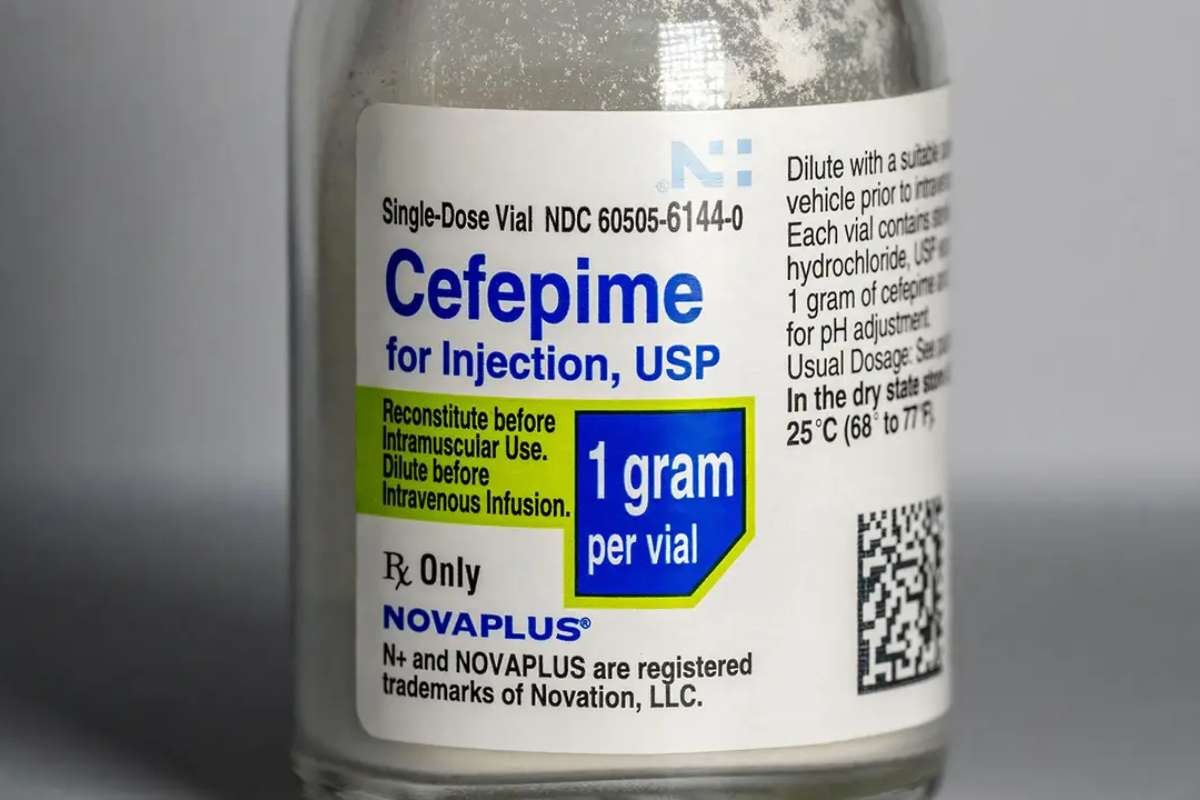
Cefepime is a broad-spectrum antibiotic commonly used in hospitals for serious bacterial infections. It is also recommended for febrile neutropenia and certain infections caused by bacteria that can resist other antibiotics.
The analysis found the mortality signal across different clinical uses and comparator antibiotics, underscoring the Cefepime Mortality Risk. Researchers said both inadequate drug exposure and excessive exposure could help explain the findings, while high drug levels have also been linked to neurological side effects.
The study’s authors said the results should support future guidance and prospective research on optimized dosing. They also noted that the analysis represents a global safety signal rather than evidence of a specific cause of death.
Experts urge careful interpretation
Dr. Marc Siegel, a senior medical analyst who was not involved in the study, said the results should be considered in the context of the illnesses being treated. “Febrile neutropenia … is itself a big cause of death in this population,” Siegel said.
Siegel said both underdosing and overdosing could contribute to poorer outcomes and suggested that more precise dosing could be important. He also said artificial intelligence could potentially help determine drug doses and assess outcomes.
The study has limitations. It combines trials with different designs, patient groups, dosing approaches and comparison drugs, and some trials date back decades. The researchers also noted that unpublished trials supplied through the U.S. Food and Drug Administration produced estimates in the opposite direction from some published studies.
The findings therefore show an association, not proof that cefepime itself causes a higher risk of death. Cefepime remains an important treatment for serious infections, and the researchers behind the JAMA Network Open study did not call for its removal from clinical use.