Key Takeaways
- Congo has started the first clinical trial to test treatments for the rare Bundibugyo Ebola strain.
- Researchers are studying remdesivir, MBP134, and a combination of both medicines.
- The trial could help identify the first proven treatment for a strain that has no approved vaccine or specific medicine.
The Democratic Republic of Congo has launched the first clinical trial to test treatments for the rare Bundibugyo strain of Ebola, giving researchers a chance to find an effective therapy during the country’s ongoing outbreak.
Trial focuses on two promising medicines
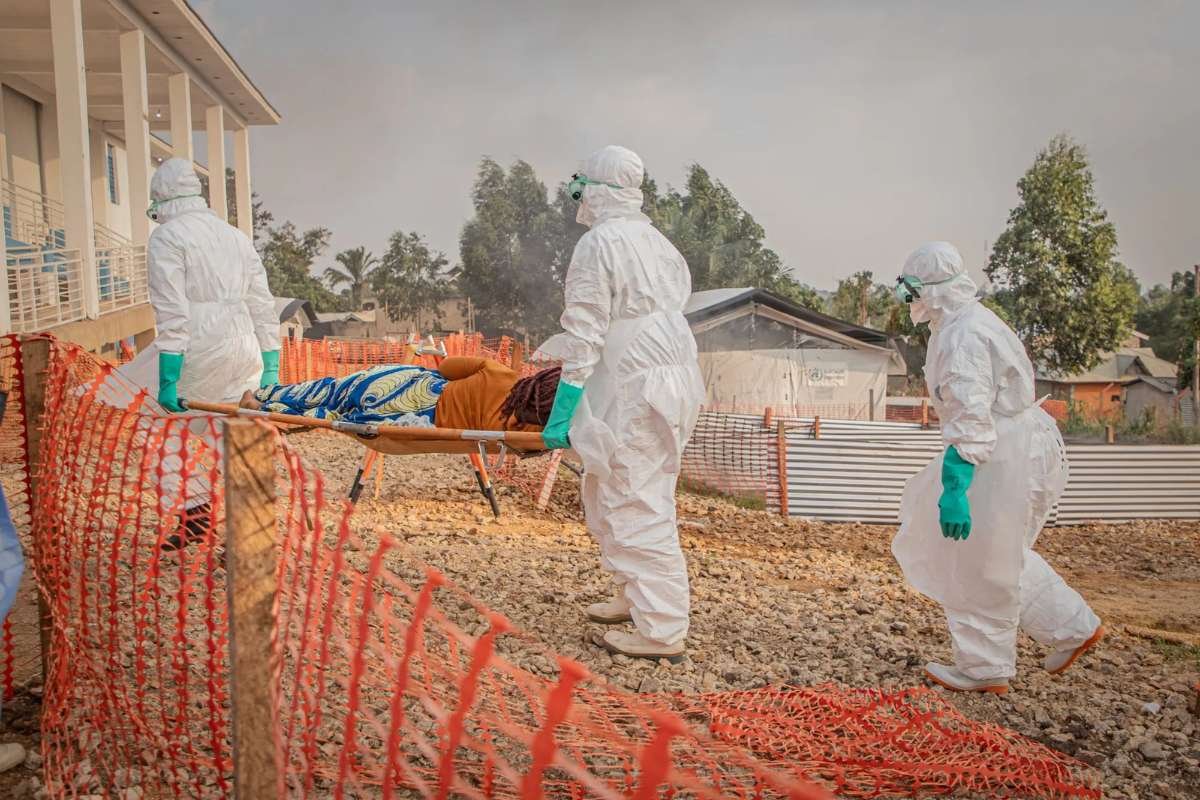
The clinical trial is taking place at the Ebola treatment center in Bunia, a city in eastern Congo. It is the first large study designed to find a treatment for Bundibugyo virus disease, a rare type of Ebola that still has no approved vaccine or targeted medicine.
Researchers are testing two medicines in the study. The first is remdesivir, an antiviral drug that has been used to treat several viral diseases. The second is MBP134, an experimental antibody treatment that is designed to fight different types of Ebola viruses. Scientists will also study whether using both medicines together works better than using either medicine on its own to treat the Bundibugyo Ebola strain.
The study is part of the international PARTNERS research program. Health experts hope the results will help improve patient care during the current outbreak and prepare countries for future outbreaks caused by the same virus.
Researchers will compare patient outcomes
The trial will include children and adults who have tested positive for Bundibugyo virus disease by the Bundibugyo Ebola strain. Every patient will receive supportive medical care, which includes fluids, medicines to control symptoms, oxygen when needed, and careful monitoring throughout treatment.
Researchers will divide patients into different treatment groups. Some patients will receive remdesivir, while others will receive MBP134. Another group will receive both medicines together, and one group will receive supportive care alone. This approach will help researchers compare the results and identify the treatment that gives patients the best chance of recovery.
Doctors will monitor each patient for at least 28 days after treatment begins. They will measure survival rates, recovery times, and any side effects linked to the medicines. If one treatment shows clear benefits early in the study, researchers may reach useful conclusions before the trial enrolls the planned number of patients.
The project brings together researchers, doctors, and public health experts from several international organizations. Their shared goal is to collect reliable scientific evidence that can guide Ebola treatment during future outbreaks.
Study could improve future ebola response
The Bundibugyo Ebola strain is one of the least common forms of Ebola. Unlike the better-known Zaire strain, it does not have an approved vaccine or a proven treatment. Patients currently depend on supportive care to help their bodies recover while doctors manage complications.
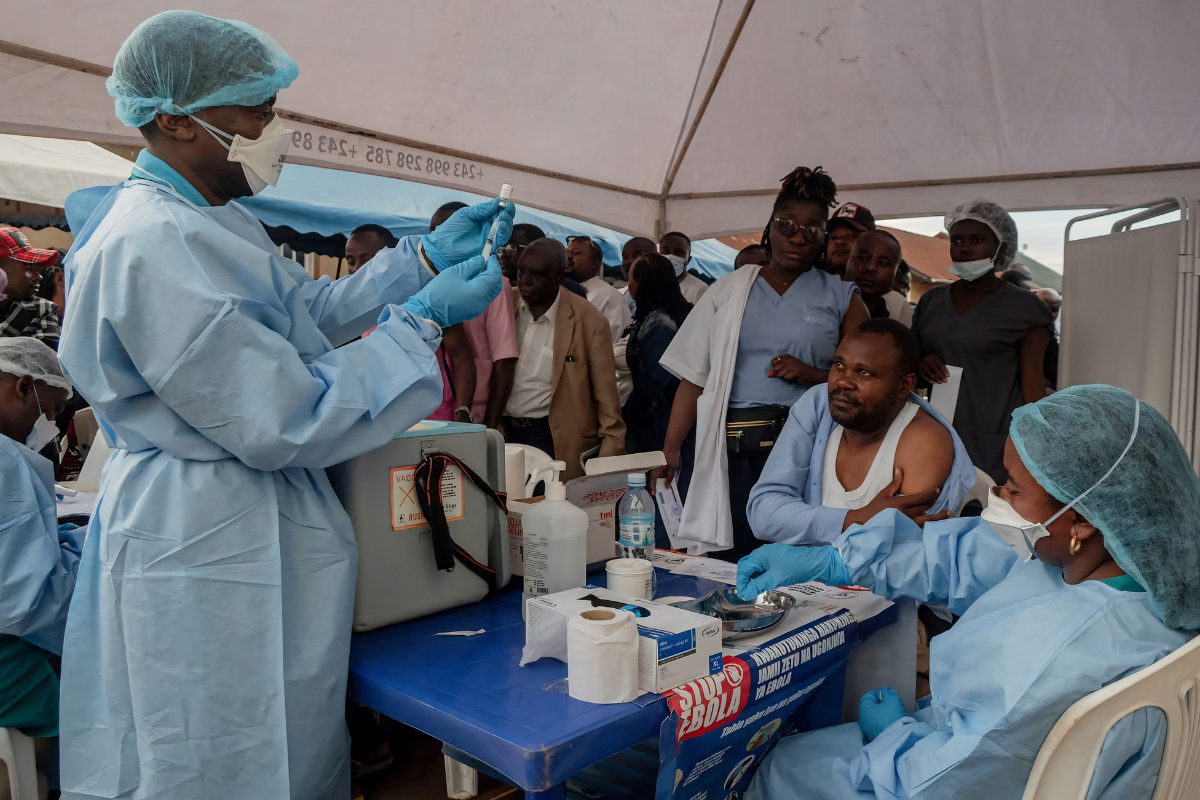
Health teams continue to respond to the outbreak in eastern Congo while the trial moves forward. Medical workers have expanded testing, improved treatment services, and increased the number of available beds for patients. These efforts aim to identify infections quickly and provide care as early as possible.
Early diagnosis remains an important part of Ebola care. Patients who receive medical attention quickly often have a better chance of recovery because doctors can manage dehydration, treat symptoms, and monitor their condition closely. Health workers also continue to trace contacts and strengthen infection control measures to reduce the spread of the virus.
Researchers expect the trial to continue over the coming months as more eligible patients join the study. If remdesivir, MBP134, or the combination of both medicines proves effective, the findings could become the first evidence-based treatment for Bundibugyo virus disease. The results could also help health systems respond faster and improve patient care during future Ebola outbreaks.