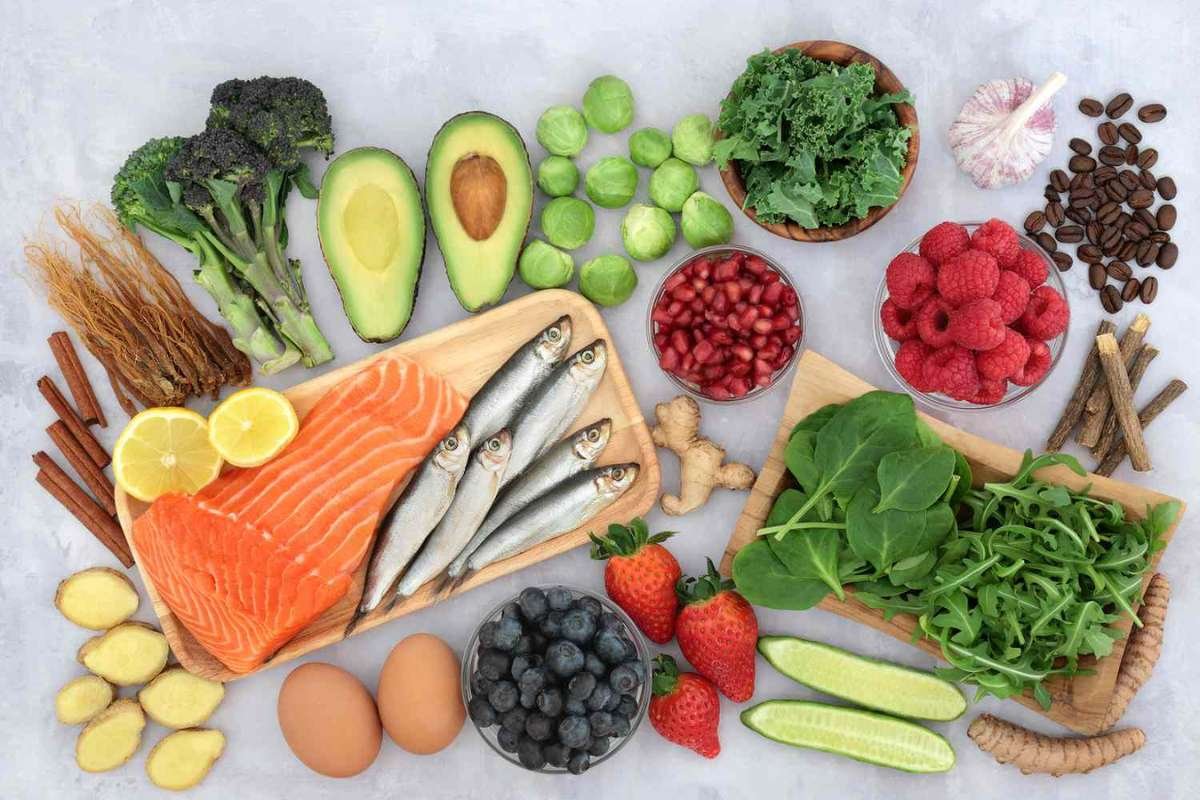
Chronic inflammation has been linked to heart disease, diabetes, and arthritis, yet no pill fixes it. If you’re looking for an anti-inflammatory diet, start with the overall pattern, not a list of miracle foods. There’s no single official protocol; instead, Mediterranean-style eating is the most commonly recommended model, built around vegetables, fruits, whole grains, legumes, nuts, seeds, healthy fats, and omega-3-rich foods, while limiting ultra-processed items, refined carbs, and processed meats. As Harvard notes, the overall pattern matters more than any single food.
This guide shows you how to build that pattern for a healthier metabolic profile, not “zero inflammation.”
What Is an Anti-Inflammatory Diet?
Inflammation is your immune system’s natural response to injury or infection. Acute inflammation is short-term and protective; think redness and swelling after a sprained ankle. It helps your body heal and usually resolves within days.
Chronic inflammation, however, is different. It’s a persistent, low-grade activation of the immune system that can last months or years without obvious symptoms. This “silent” inflammation doesn’t cause pain or heat. But gradually damages tissues and is linked to conditions like heart disease, type 2 diabetes, and certain cancers.
Importantly, inflammation itself isn’t always harmful. Acute inflammation is essential for healing. The concern arises when inflammation becomes chronic and systemic. This is often driven by factors like poor diet, stress, or lack of sleep.
There is no single standardized anti-inflammatory diet because dietary patterns vary by culture and individual needs. However, several evidence-based eating patterns share common anti-inflammatory features. They emphasize whole, minimally processed plant foods, healthy fats, and limit added sugars and refined grains.
The Mediterranean diet is one of the best-studied approaches. Rich in fruits, vegetables, whole grains, legumes, nuts, olive oil, and fish, it consistently shows significant reductions in inflammatory markers like C-reactive protein (CRP) and interleukin-6 (IL-6).
Similarly, the DASH diet was originally designed to lower blood pressure. It also emphasizes plant foods, lean proteins, and low-fat dairy. At the same time, reducing sodium and processed foods. Research suggests it, too, may help lower inflammation.
How Does Food Affect Inflammation?
Food doesn’t flip an “inflammation switch.” Instead, your overall dietary pattern shapes which nutrients and bioactive compounds you consume, which then influence metabolic and immune pathways that either promote or resolve inflammation over time.
Key mechanisms include:
- EPA and DHA (omega-3 fats) get built into your cell membranes and act as building blocks for compounds that help regulate inflammation and actively “switch it off” once its job is done.
- Fiber, especially soluble and fermentable types, feeds beneficial gut bacteria that produce helpful byproducts called short-chain fatty acids (like butyrate), which strengthen the gut barrier and signal immune cells to reduce inflammation.
- Polyphenols (plant compounds found in berries, tea, and olive oil) may help calm inflammatory signals in the body while also boosting its natural antioxidant defenses.
- Unsaturated fats (monounsaturated and polyunsaturated) from nuts, seeds, and olive oil improve lipid profiles and reduce cell damage from unstable molecules compared to saturated and trans fats.
- Antioxidant-rich plant foods neutralize harmful molecules called free radicals, limiting the cell damage that can trigger inflammatory signaling.
- Fermented foods and prebiotic fibers support a diverse gut microbiome, which is linked to lower body-wide inflammation. Diets high in fiber and polyphenols increase the good bacteria that produce beneficial byproducts and reduce harmful ones.
- Blood glucose regulation matters: minimizing refined carbs and added sugars reduces post-meal blood sugar spikes that temporarily trigger inflammatory pathways.
- Excess energy intake leading to weight gain promotes inflammation in fat tissue and insulin resistance, fueling chronic low-grade inflammation.
Together, these pathways show how an Anti-Inflammatory eating pattern works through food compounds → gut microbiome → immune modulation.
What to Eat on an Anti-Inflammatory Diet?
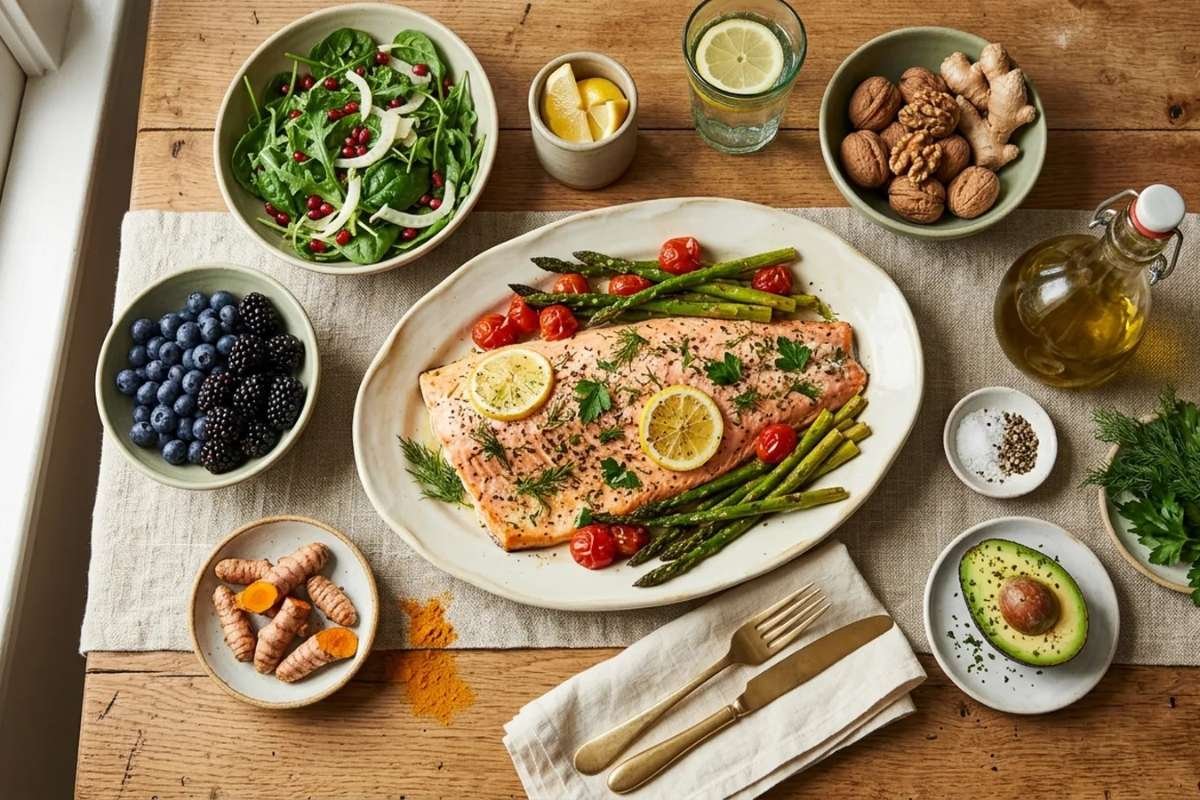
Colorful vegetables and leafy greens
Deeply pigmented vegetables, spinach, kale, carrots, bell peppers, and cruciferous veggies. They deliver fiber, carotenoids (like beta-carotene and lutein), polyphenols, and essential vitamins and minerals that collectively dampen inflammatory signaling.
Berries and other whole fruits
Whole fruits like blueberries, strawberries, apples, and citrus provide fiber and polyphenols without the blood sugar spikes of refined sweets. Their natural sugars come packaged with compounds that support metabolic health, making them integral to an Anti-Inflammatory Diet.
Whole grains and high-fiber carbohydrates
Oats, barley, brown rice, quinoa, whole wheat, and millets retain their bran and germ, preserving fiber, polyphenols, and minerals. Unlike refined grains, which strip these protective layers and raise inflammatory markers, whole grains are consistently linked to lower C-reactive protein (CRP) and IL-6.
Beans, lentils and other legumes
Legumes supply soluble fiber, plant protein, and prebiotic compounds that nourish gut bacteria, enhance satiety, and reduce systemic inflammation.
Omega-3-rich foods
Fatty fish (salmon, sardines, and mackerel) and plant sources (chia, flax, and walnuts) provide EPA, DHA, and ALA, omega-3s that shift immune responses toward resolution.
Nuts and seeds
Almonds, walnuts, pumpkin seeds, and sunflower seeds offer unsaturated fats, fiber, and polyphenols.
Healthy fats
Extra-virgin olive oil, avocado, nuts, and seeds emphasize unsaturated fats vs saturated fats, improving lipid profiles and reducing oxidative stress.
Herbs and spices
Turmeric, ginger, garlic, and cinnamon contain bioactive compounds with anti-inflammatory properties. But benefits emerge from consistent inclusion in a balanced pattern, not isolated high doses.
Harvard identifies omega-3s, polyphenols, fiber, unsaturated fats, and probiotics as core components of anti-inflammatory eating.
What Foods Should You Limit on an Anti-Inflammatory Diet?
Ultra-processed foods
Not all processed foods are equally problematic. Minimally processed items like frozen vegetables or plain yogurt can fit an anti-inflammatory diet. The concern lies with ultra-processed foods. Industrially formulated products are high in refined carbs, additives, and low in fiber. They are consistently linked to elevated CRP and other inflammatory markers.
Processed meats
- Bacon
- Sausages
- Hot dogs
- Deli meats
Processed meat is classified by the International Agency for Research on Cancer as carcinogenic to humans. Regular consumption is also associated with poorer health outcomes and may be part of dietary patterns linked with higher inflammation.
Refined grains
- White bread
- Many refined baked goods
- Refined grain products
Whole grains generally provide more fiber and micronutrients than refined grains and are associated with better cardiometabolic outcomes as part of healthy dietary patterns.
Sugar-sweetened beverages and excess added sugars
Sodas, sweetened teas, and high-sugar snacks promote oxidative stress and adipose tissue inflammation, especially when consumed regularly.
Deep-fried foods
Frying at high temperatures generates advanced glycation end-products (AGEs) and oxidized fats that trigger inflammatory pathways.
Excess saturated fat
While not all saturated fat is inflammatory, consistently high intake, especially from processed sources, can worsen lipid profiles and may contribute to low-grade inflammation.
What about red meat?
Red meat isn’t inherently “inflammatory.” Context matters:
- Amount: Small portions occasionally differ from daily large servings.
- Frequency: Weekly vs. daily intake changes risk.
- Processing: Unprocessed lean cuts differ from cured or smoked meats.
- Overall pattern: Red meat within a vegetable-rich, high-fiber diet has different effects than in a low-produce, high-refined-carb pattern.
- Replacement: Replacing some red meat with fish, legumes, or other minimally processed protein sources can improve overall dietary quality.
Harvard recommends limiting red and processed meats, refined carbohydrates, sugary drinks, and deep-fried foods as part of this eating pattern.
How to Build an Anti-Inflammatory Plate?
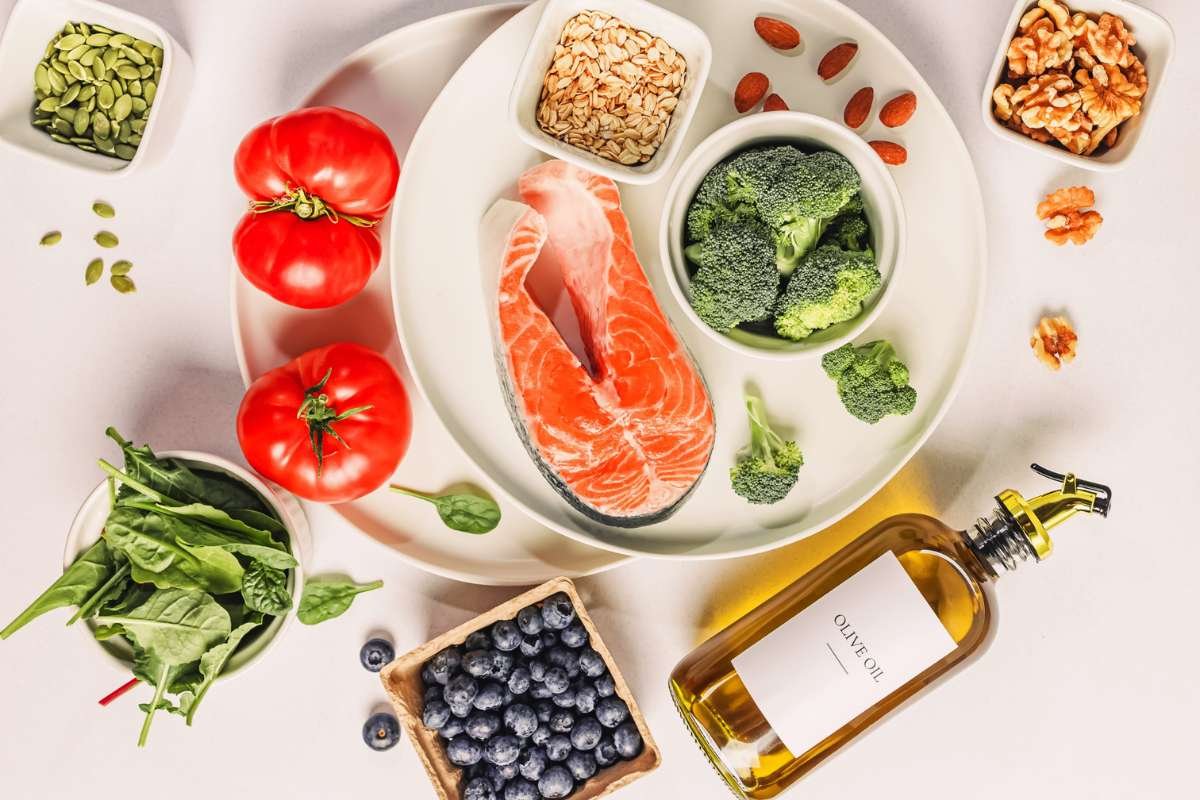
Use this simple five-step formula for every meal:
- Start with vegetables – Fill half your plate with colorful, non-starchy veggies.
- Add high-quality protein – Choose dal, legumes, fish, paneer, eggs, or tofu.
- Choose a high-fiber carbohydrate – Opt for brown rice, millet roti, oats, or quinoa.
- Add unsaturated fat – Peanuts, walnuts, seeds, mustard oil, or olive oil. If you enjoy ghee, use it sparingly rather than as your primary added fat.
- Finish with fruit or another plant food – Add a side of fruit, curd, or salad.
Meal examples (Indian context)
- Breakfast: Vegetable poha with peanuts + a piece of fruit
- Lunch: Dal + brown rice or millet roti + mixed vegetables + curd
- Snack: Fruit + walnuts
- Dinner: Grilled fish or paneer + sautéed vegetables + small portion of whole grain
This structure can help you include fiber, polyphenols, healthy fats, and plant protein, while omega-3-rich foods can be added regularly. These are among the core components Harvard identifies as part of an eating pattern that may support lower inflammation.
For more guidance on building sustainable habits, see How to Start Eating Healthy.
The beauty of this approach is its flexibility: whether you’re eating vegetarian or non-vegetarian, traditional or modern. The Anti-Inflammatory Plate adapts to your culture, preferences, and pantry while keeping inflammation-modulating nutrients at the center.
Anti-Inflammatory Diet: Sample 1-Day Meal Plan
There’s no rigid prescription here. Just an example of how the principles can come together in a normal day.
Breakfast: Overnight oats topped with berries, chia seeds, and walnuts.
Lunch: Dal or chickpeas with brown rice, a side of vegetables, and plain yogurt.
Snack: An apple with a small handful of mixed nuts.
Dinner: Grilled fish, tofu, or paneer with roasted vegetables and a whole grain like quinoa or millet.
Optional beverage: Unsweetened tea, black coffee, or plain water.
Vegetarian swap: Replace fish with paneer or an extra serving of legumes for protein.
Vegan swap: Use tofu or tempeh instead of paneer/fish, and swap yogurt for a plant-based, unsweetened alternative.
Indian-food swap: Try moong dal khichdi with sautéed greens, or grilled tandoori fish/paneer with a cucumber-tomato salad instead of the standard lunch/dinner options.
If you’re just getting started, keep it simple: build meals around whole foods, add color with vegetables and fruit, and don’t overthink the details on day one.
None of this needs to be exact. The core idea is rooted in guidance from sources like Harvard Health Publishing and the Mediterranean diet model recommended by major nutrition bodies. This Diet works best as a flexible, repeatable pattern rather than a strict daily formula.
What the Science Says and What It Doesn’t

Observational studies consistently show that people who follow dietary patterns rich in vegetables, fruits, whole grains, legumes, nuts, and fish have lower levels of inflammatory biomarkers. Particularly C-reactive protein (CRP), interleukin-6 (IL-6), and tumor necrosis factor-alpha (TNF-α). These dietary patterns are also associated with a lower risk of cardiometabolic diseases.
Intervention studies, including randomized controlled trials, provide stronger evidence. Meta-analyses show that Mediterranean-style diets significantly reduce hs-CRP, IL-6, and IL-17 compared with control diets. Plant-based patterns also lower CRP, while high red meat intake can raise it in some contexts.
The Mediterranean dietary pattern has the most robust evidence, with trials demonstrating improvements in inflammatory markers, lipid profiles, and cardiovascular risk factors, even in Indian-adapted versions.
However, it’s critical to distinguish association from causation. Observational data can’t prove that diet alone prevents or cures disease. Even intervention trials show modest, not curative, effects.
Harvard explicitly states that an anti-inflammatory eating pattern doesn’t cure arthritis, diabetes, or other chronic inflammatory diseases. But it may help reduce inflammation-related symptoms and lower long-term disease risk.
This evidence supports using diet as a foundational health strategy, not a standalone treatment. For condition-specific guidance, explore related clusters:
- Diet for Brain Health
- Diet for Diabetes
- Foods That Lower Cholesterol
- Diet for Cancer Prevention
- Diet for Hormone Balance
- Blue Zone Diet (Best Foods for Longevity)
An Anti-Inflammatory Diet is best understood as one component of a holistic approach to reducing chronic disease risk and supporting overall well-being.
Conclusion:
An Anti-Inflammatory Diet isn’t about chasing miracle foods or eliminating inflammation. It’s about consistently choosing vegetables, whole grains, legumes, nuts, and healthy fats. While limiting ultra-processed items, refined carbs, and processed meats. The evidence, from Harvard’s research to Mediterranean diet trials, points to one clear takeaway: the overall pattern matters far more than any single ingredient. You don’t need to overhaul your plate overnight. Start with one meal, one swap, one habit at a time, and let the pattern build from there.
What’s one change you could make to your next meal? Start small, stay consistent, and let your plate work in your favor.
FAQ:
1. What are foods to eat on an anti-inflammatory diet?
An anti-inflammatory diet focuses on whole, nutrient-dense foods rich in antioxidants, healthy fats, and fiber to help calm the immune system.
2. What is the 21-day anti-inflammatory diet plan?
A 21-day anti-inflammatory diet plan is a three-week structured eating guide designed to help reduce systemic inflammation by focusing on whole foods and eliminating processed items.
3. How to reduce inflammation in 7 days?
There is no reliable seven-day formula for reducing chronic inflammation. Eating a balanced diet rich in whole foods, staying active, sleeping well, and managing stress can support overall health, but changes in inflammatory markers vary by person and may take longer.
4. What are 5 signs your body has inflammation?
Chronic inflammation may not cause obvious symptoms, and symptoms such as fatigue, joint pain, digestive problems, or skin changes can have many different causes. Persistent or unexplained symptoms should be evaluated by a healthcare professional.
What are the 5 worst foods that trigger inflammation?
The five worst foods that trigger chronic inflammation in the body are sugary drinks, fried foods, processed meats, refined carbohydrates, and packaged snack foods.