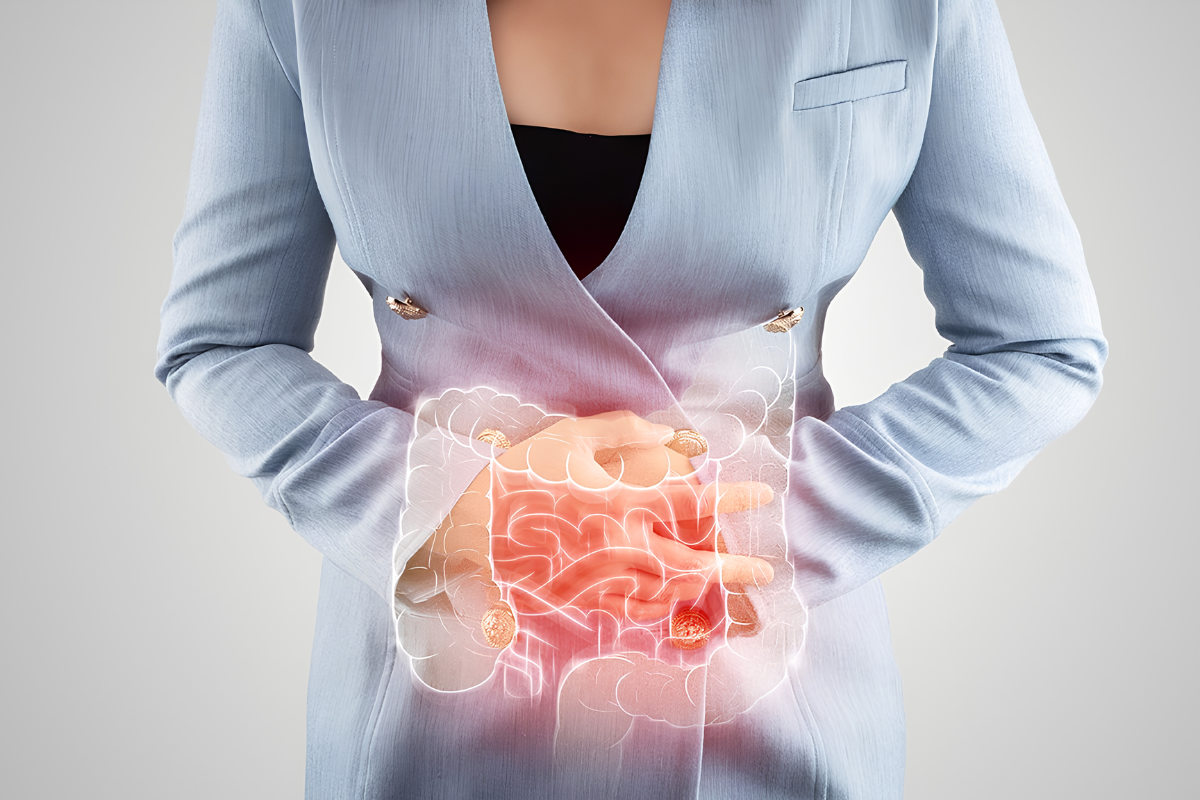
The World Health Organization estimates that approximately 322 million people worldwide experienced depression in 2023. Food can influence mental well-being through nutrient availability, energy regulation, and the gut-brain connection, though effects vary from person to person. This guide explains how food affects mental health, drawing on nutritional psychiatry, the emerging field studying links between diet, brain function, and mood.
You’ll learn why overall dietary patterns matter more than individual “superfoods.” And why mental health also depends on biological, psychological, social, and environmental factors. Nutrition can complement appropriate mental health care, but it cannot replace it.
Table of Contents
How Food Affects Mental Health: The Science Behind the Connection
Food can influence mood and brain function, but the evidence is strongest for overall eating patterns, not single foods. Three mechanisms are involved.
- Gut-brain axis: Your gut and brain exchange signals through nerves, immune messages, and gut microbes. Fiber-rich foods feed bacteria that make compounds, such as short-chain fatty acids, which may influence brain function. See our guide on foods for gut health.
- Nutrient availability: Your brain needs nutrients to work normally. It uses tryptophan from food to make serotonin. For more, read diet for brain health.
- Energy and inflammation: Blood sugar swings and inflammation may affect mood, though research is still developing.
A common myth: Most of the body’s serotonin is produced in the gastrointestinal system, but peripheral serotonin does not cross the blood-brain barrier. The brain produces its own serotonin.
Understanding how food affects mental health means separating what is plausible from what is proven. Established: the brain needs nutrients, and gut and brain serotonin are separate. Still being studied: how microbiome changes affect mental health outcomes.
Which Nutrients and Foods Support Brain Health?
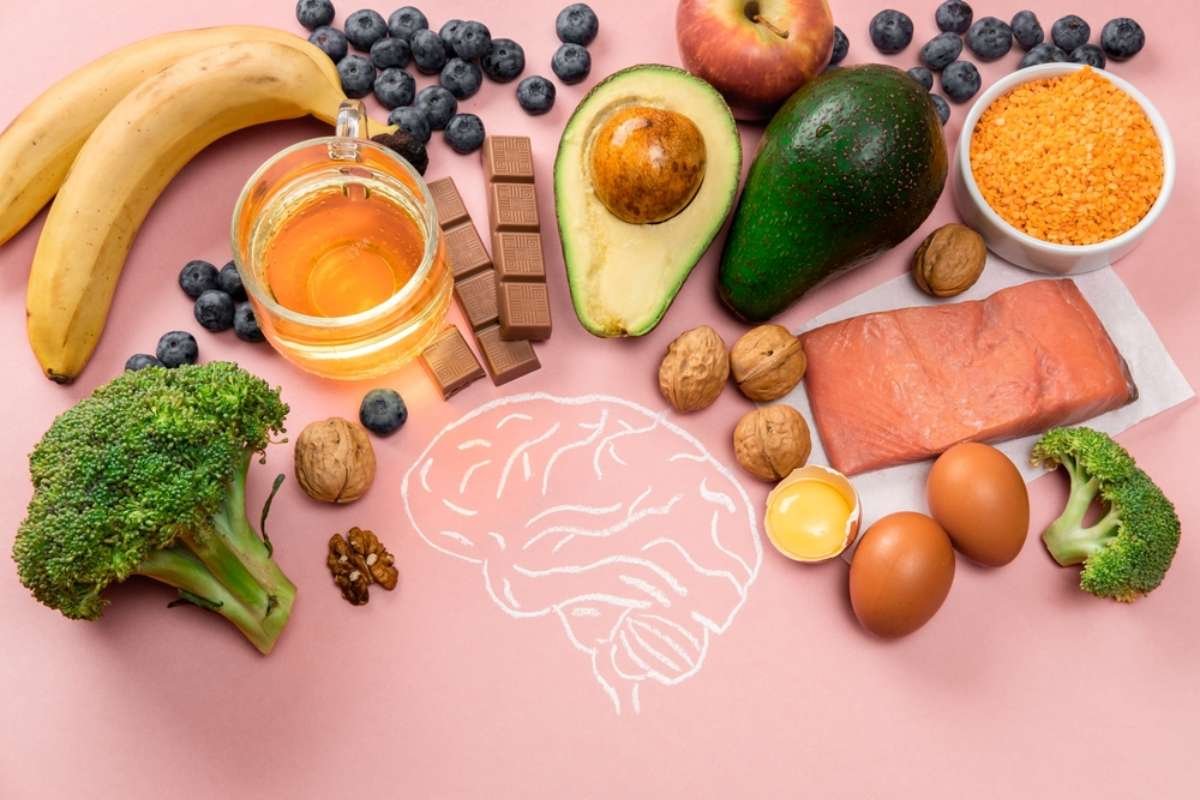
A varied, nutrient-rich diet can support normal brain function, but no single food guarantees better mood. How food affects mental health is best understood through overall eating patterns rather than isolated “brain-boosting” ingredients.
| Nutrient or food group | Food sources | Why it matters |
| Omega-3 fats | Sardines, salmon, walnuts, flaxseeds | DHA supports brain cell membrane structure and function. Plant sources such as walnuts and flaxseeds provide ALA, which the body converts to DHA only in limited amounts. |
| B vitamins (folate and B12) | Lentils, leafy greens, eggs, dairy products, fortified foods | Vitamin B12 supports normal neurological function, while folate contributes to normal cell function and metabolism. |
| Fibre and prebiotic foods | Beans, oats, vegetables, whole grains | Fibre supports digestive health, and some types help nourish beneficial gut microbes. |
| Protein-rich foods | Pulses, eggs, tofu, yogurt | Protein provides amino acids the body needs for normal physiological functions, including the production of neurotransmitters. |
Nutrient deficiencies can affect health. But taking extra supplements does not automatically improve mood when nutrient levels are already adequate.
How High-Sugar and Highly Processed Diets May Affect Mood
Sugary foods can raise blood glucose quickly, depending on the food and portion. How this affects energy and mood varies from person to person.
A meta-analysis reported an association between higher ultra-processed food consumption and increased depression risk. The size of the association should be interpreted in light of the studies’ design and limitations:
- Energy: Depending on the food, portion, and individual response, sugary foods can cause rapid changes in blood glucose. However, these changes do not consistently translate into mood swings for everyone.
- Sleep: Energy dips and irregular eating patterns may disrupt rest, and poor sleep can affect mood.
- Dietary quality: When unhealthy foods to avoid make up most of your meals, there’s less room for nutrient-rich options over time.
This is where how food affects mental health becomes less about single items and more about habits. Swapping in whole foods, such as choosing whole grain vs refined grain options, is one simple step. Paying attention to fats, including saturated fat vs unsaturated fat, can also help you build a balanced plate.
How to Build a Mental Health-Supportive Diet on a Budget
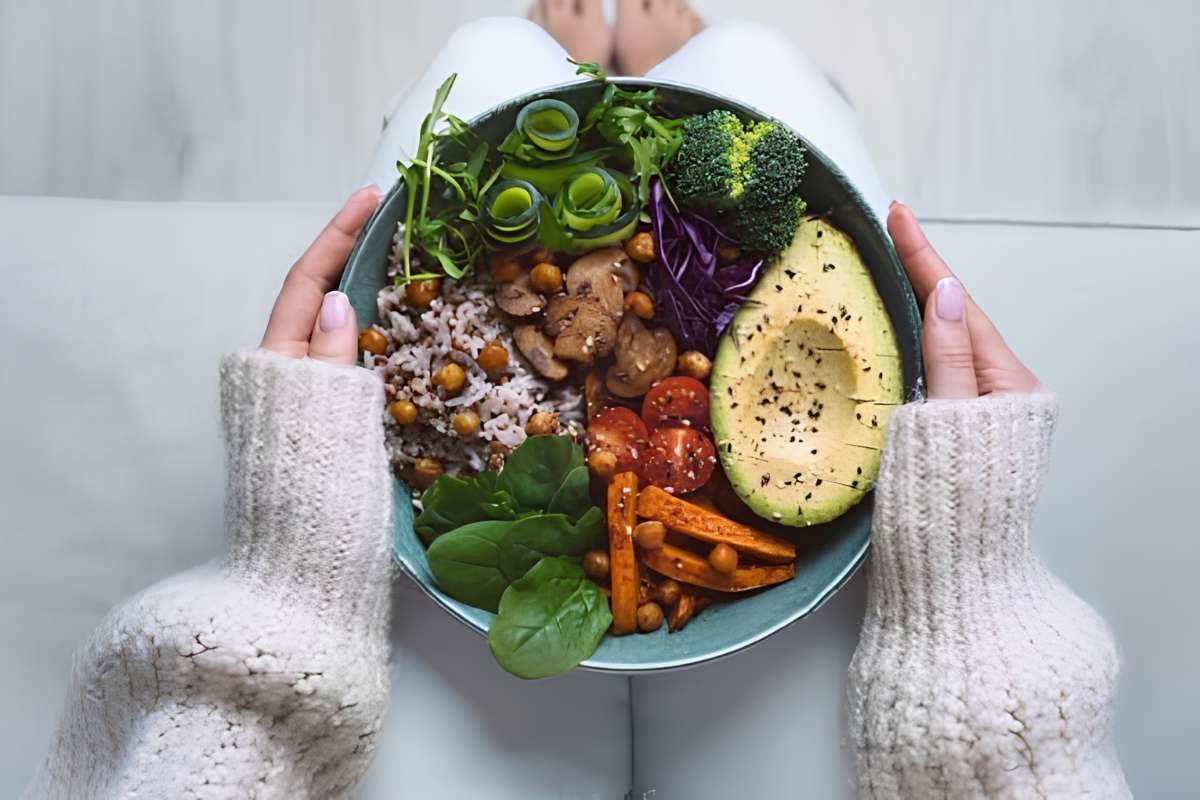
A mental health-supportive diet does not need expensive supplements, specialty products, or organic produce. Start with affordable staples you already enjoy, then make small, repeatable changes. How food affects mental health is influenced more by consistent access to nourishing meals than by any single “superfood.”
Pair grains with protein: Combine rice, roti, oats, or potatoes with dal, beans, eggs, yogurt, paneer, tofu, or peanut butter to make meals more satisfying.
Add produce where possible: Use seasonal, frozen, or canned vegetables and fruit; they can be just as practical as fresh options.
Choose simple snacks: Keep roasted chickpeas, peanuts, seeds, fruit, or yogurt available instead of relying only on packaged snacks.
Eat regularly when practical: Regular meals, water, and attention to hunger and fullness cues can help you avoid extreme hunger and low energy.
Make gradual swaps: Batch-cook dal, bean soups, or vegetable rice; freeze leftovers; and buy shelf-stable staples such as dried beans, oats, and rice in larger quantities when it saves money.
Can Changing Your Diet Improve Depression or Anxiety?
Sometimes, but not for everyone. Improving dietary quality may support mental wellbeing and could help some people with depressive symptoms. But it is not a guaranteed treatment for depression, anxiety, or any other mental-health condition. How food affects mental health is still an active research area, and results vary by person, condition, and type of intervention.
Observational studies often find that people eating higher-quality diets report fewer depressive symptoms. These studies cannot prove cause and effect because diet may be linked with income, sleep, stress, physical activity, and access to care. Randomized controlled trials provide stronger evidence: in the 12-week SMILES trial, adults with moderate-to-severe depression received dietary counselling alongside their usual care. The dietary-support group showed greater improvement in depressive symptoms than the social-support comparison group. Still, the trial was small, used a specific counselling programme, and cannot establish a universal result for everyone.
Diet can be a helpful part of overall care. But it should not replace professional assessment, therapy, medication when prescribed, or crisis support. Claims that genetic testing can identify a universally optimal mental-health diet are not supported.
Conclusion:
How food affects mental health comes down to patterns, not perfection. Regular meals with whole foods, fibre, protein, and healthy fats can support your brain, gut, and energy, but no single food decides your mood. Diet can complement professional care, not replace it.
Start small this week: add one nourishing food to a meal you already enjoy. If low mood or anxiety lingers, talk to a doctor or mental health professional.
FAQ:
1. Can food improve mental health?
A balanced diet may support well-being, but outcomes vary, and food is not a substitute for mental health treatment.
2. What foods are linked to better mental health?
Dietary patterns rich in vegetables, fruit, whole grains, legumes, nuts, and healthy fats are associated with better outcomes in some studies.
3. Does gut health affect mental health?
The gut and brain communicate through several pathways, but the clinical effects of specific gut microbes remain under investigation.
4. Can sugar cause depression?
Research has found associations between high-sugar dietary patterns and depression, but this does not prove that sugar alone causes depression.
5. Should I take supplements for my mood?
Discuss suspected deficiencies and supplements with a qualified healthcare professional, particularly if you take medication or have an existing health condition.
Links and Sources:
- https://pmc.ncbi.nlm.nih.gov/articles/PMC5282719
- https://www.nhs.uk/live-well/eat-well/food-guidelines-and-food-labels/the-eatwell-guide
- https://www.cdc.gov/healthy-weight-growth/rethink-your-drink
- https://ods.od.nih.gov/factsheets/Omega3FattyAcids-HealthProfessional
- https://pmc.ncbi.nlm.nih.gov/articles/PMC13164751