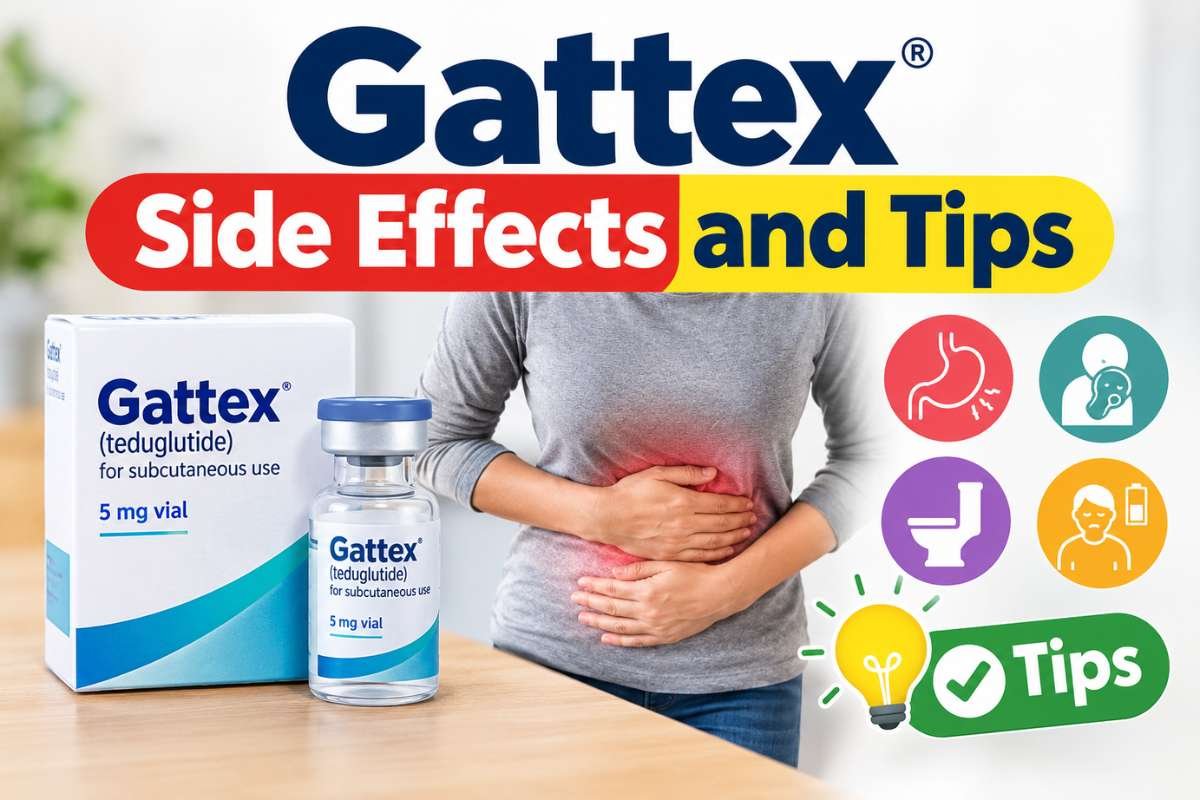
Starting a new injection can feel scary. What will your belly do? Which symptoms are normal, and which ones need a phone call today? If you live with short bowel syndrome (SBS), you probably asked these questions already.
Gattex (teduglutide) helps your intestine absorb more fluid and nutrients. That can mean less time on IV support. It also means your gut is working in a new way. This guide covers Gattex side effects and tips in easy language. You will learn which symptoms show up most, which ones are red flags, and how to ease daily discomfort.
What Does Gattex Actually Do in Your Body?
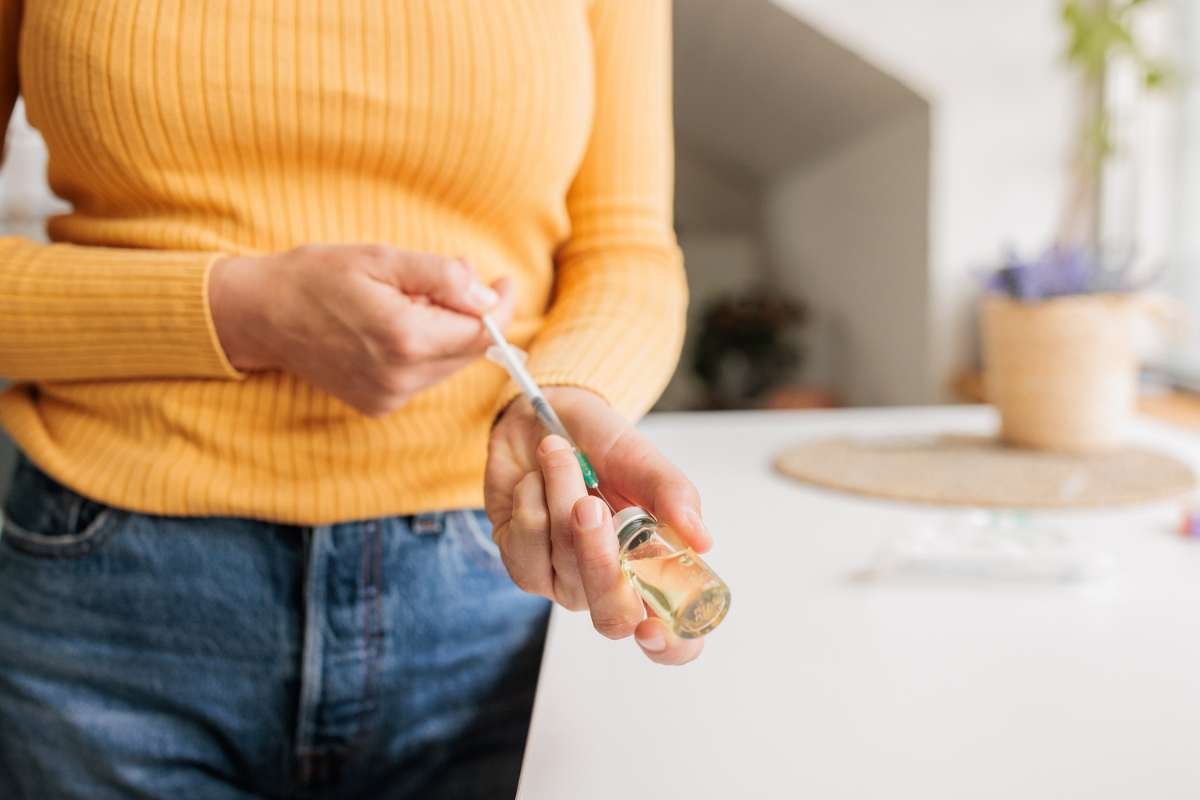
Gattex is a GLP-2 analog. It tells your intestinal lining to grow and absorb better. Doctors prescribe it for adults and children with short bowel syndrome who depend on parenteral support.
That growth effect explains both the benefits and the risks. More absorption helps you. Extra cell growth also means your doctor must watch for abnormal tissue. We will get to that shortly.
You inject Gattex once a day, at the same time each day. Many people give the shot themselves after training. Children should not self-inject.
What are the Most Common Gattex Side Effects?
Awareness of Gattex side effects and tips is important. Most people notice digestive symptoms first. Your gut is adjusting to a medicine that changes how it works. Many of these effects ease up over days or weeks as your body adapts.
| Side effect | How common | What it feels like |
| Stomach pain | About 30% of patients | Cramping or aching in the belly |
| Nausea | About 23% of patients | Queasy feeling, sometimes with vomiting |
| Cold-like symptoms | About 21% of patients | Sore throat, stuffy nose, cough |
| Stomach swelling | About 20% of patients | Bloating or fullness |
| Injection site reactions | About 13% of patients | Pain, redness, or swelling where you inject |
| Less common effects | Less often | Gas, lower appetite, sleep trouble, rash |
Source: https://www.goodrx.com/gattex/side-effects
Abdominal pain and nausea lead the list. Side effects in children look similar to those in adults. Tell your provider if any symptom bothers you or refuses to fade. Do not tough it out alone.
Which Gattex Side Effects Need a Call to Your Doctor Right Away?
Serious reactions are rare, but every list of Gattex side effects and tips must cover them. Call your doctor the same day if you notice these warning signs.
- Bowel Blockage: You struggle to pass stool or gas, and your belly swells, hurts, or turns nauseating.
- Gallbladder or Pancreas Problems: You feel belly pain and tenderness with fever, chills, dark urine, or yellow skin or eyes.
- Fluid Overload: You notice swelling, sudden weight gain, or shortness of breath.
- Allergic Reaction: You develop a rash, itching, or swelling.
Gattex can also speed up the growth of abnormal cells. Colon polyps are one concern. Your provider should check your colon for new polyps at the end of the first year to keep you on treatment.
If cancer of the bowel, liver, gallbladder, or pancreas appears, your provider should stop Gattex. This warning sounds frightening. Regular screening exists to catch problems early.
How Can You Manage Side Effects Day to Day?
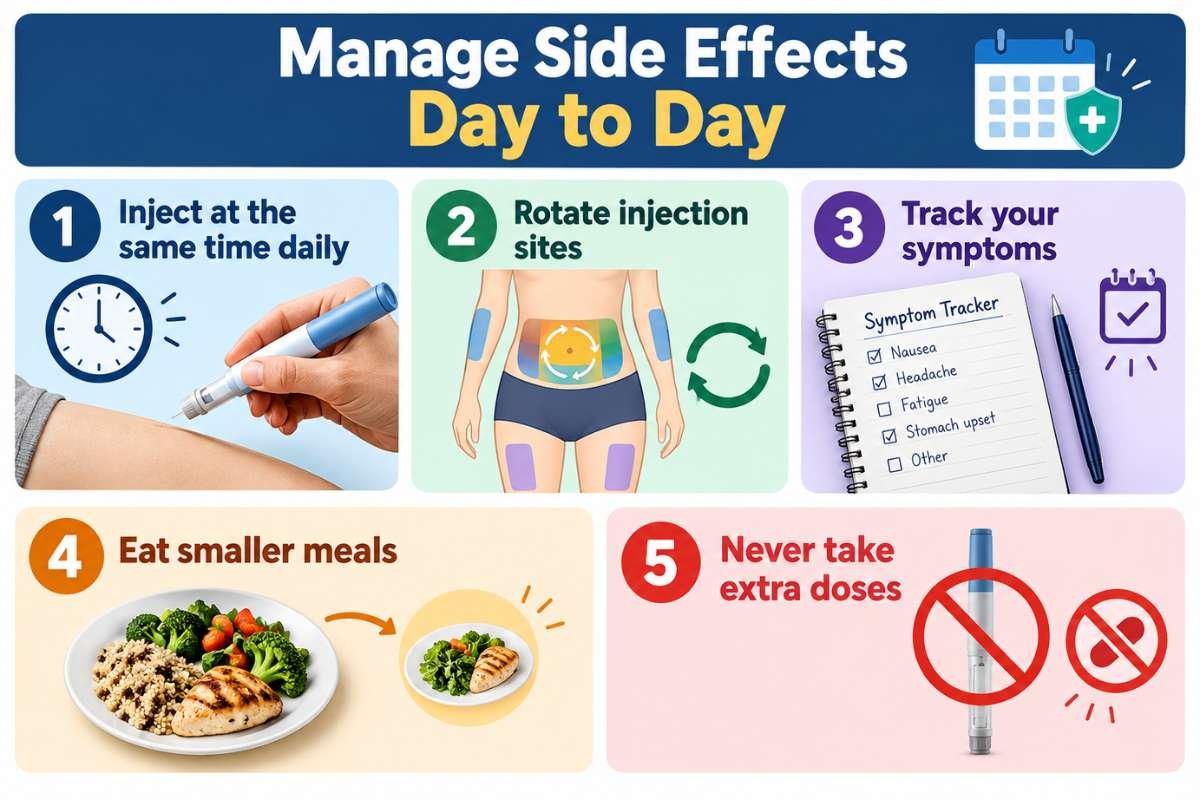
Good habits make a real difference. These Gattex side effects and tips come from pharmacist guidance and patient resources. Share them with your care team and adjust them to your own plan.
Try these steps.
- Inject at the same time daily. A steady routine helps your body settle in.
- Rotate injection sites. Move around your belly or thighs so no spot gets sore.
- Track your symptoms. Note pain, stool changes, and swelling in a simple log.
- Eat smaller meals. Smaller portions can ease nausea and fullness for some people.
- Never take extra doses. Using more than prescribed can cause harmful effects.
Ask your dietitian about your fluid and nutrient needs. Your needs may change as your gut absorbs more. Your team may reduce your IV support slowly, so keep your appointments.
How Do You Inject Gattex with Less Irritation?
Injection site reactions bother many people. A little prep goes a long way. Wash your hands, clean the skin, and use the supplies from your kit exactly as taught. Mix the powder only when you are ready to inject. Do not save mixed Gattex for later. Each vial is single-use, so throw away leftovers safely.
Pick a fresh spot every day. A sore, red patch means you should avoid that area for a while. If the irritation spreads, hurts more, or looks infected, call your provider. Good technique protects you. If you feel unsure, ask your nurse or specialty pharmacist for a refresher. Nobody expects perfection on day one; understanding Gattex side effects and tips starts with a steady routine.
Can Gattex Interact With Your Other Medicines?
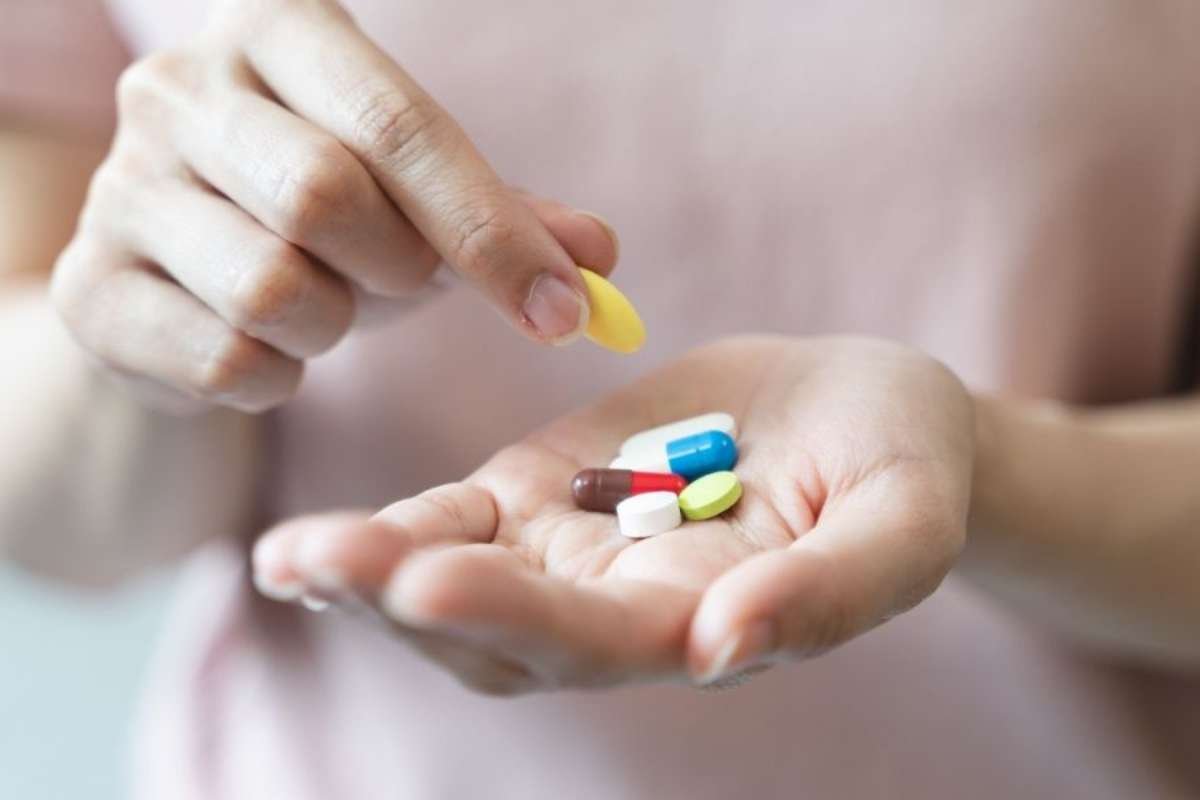
Yes, and this part surprises many patients. Gattex can increase how much of other oral medicines your body absorbs. More absorption can strengthen their side effects. Benzodiazepines are a good example. Gattex may raise their absorption, which can increase drowsiness and mood changes. Small dose differences matter with these drugs.
Tell every provider and pharmacist that you use Gattex. Bring a full list of medicines and supplements. Your doctor may adjust doses of oral drugs after you start treatment. Also avoid Gattex if you have a known allergy to teduglutide or any ingredient in it.
Is Gattex Worth It Despite the Side Effects?
For many people with short bowel syndrome, yes. Less dependence on IV nutrition can change daily life. That freedom matters.
Still, the answer depends on your health, your history, and your risk factors. Only your care team can weigh those. Ask them about your screening plan, your goals, and what progress should look like.
The takeaway is simple. Gattex side effects and tips work best together. You prepare, you monitor, and you speak up early. That approach keeps small problems small.
Conclusion
Here is the big insight. Most Gattex side effects start mild and fade as your gut adapts. The dangerous ones come with clear warning signs you can learn today.
Save the red flags on your phone. Log your symptoms. Show up for every colon check. Share this list of Gattex side effects and tips with a caregiver, so someone else knows what to watch for. Talk to your doctor or pharmacist before you change anything. Then book your next follow-up and bring your symptom log.
FAQs
1. Can children use Gattex?
Yes, doctors prescribe it for children with short bowel syndrome, and side effects look similar to adults. Children should not self-inject.
2. Is Gattex safe during pregnancy?
Researchers have not studied pregnancy safety well enough. Talk with your doctor before you plan or if you become pregnant.
3. Can you breastfeed while using Gattex?
Patient guidance says you should not breastfeed during treatment. Ask your provider about safer feeding options.
4. How do you report a Gattex side effect to the FDA?
Visit FDA MedWatch online or call their phone number. Your report adds to the Gattex side effects and tips that doctors and patients rely on.
5. What should you do with mixed Gattex you did not use?
Throw it away. Never save or reuse mixed Gattex, because each vial serves one dose.
This article offers general information and does not replace medical advice from your doctor.