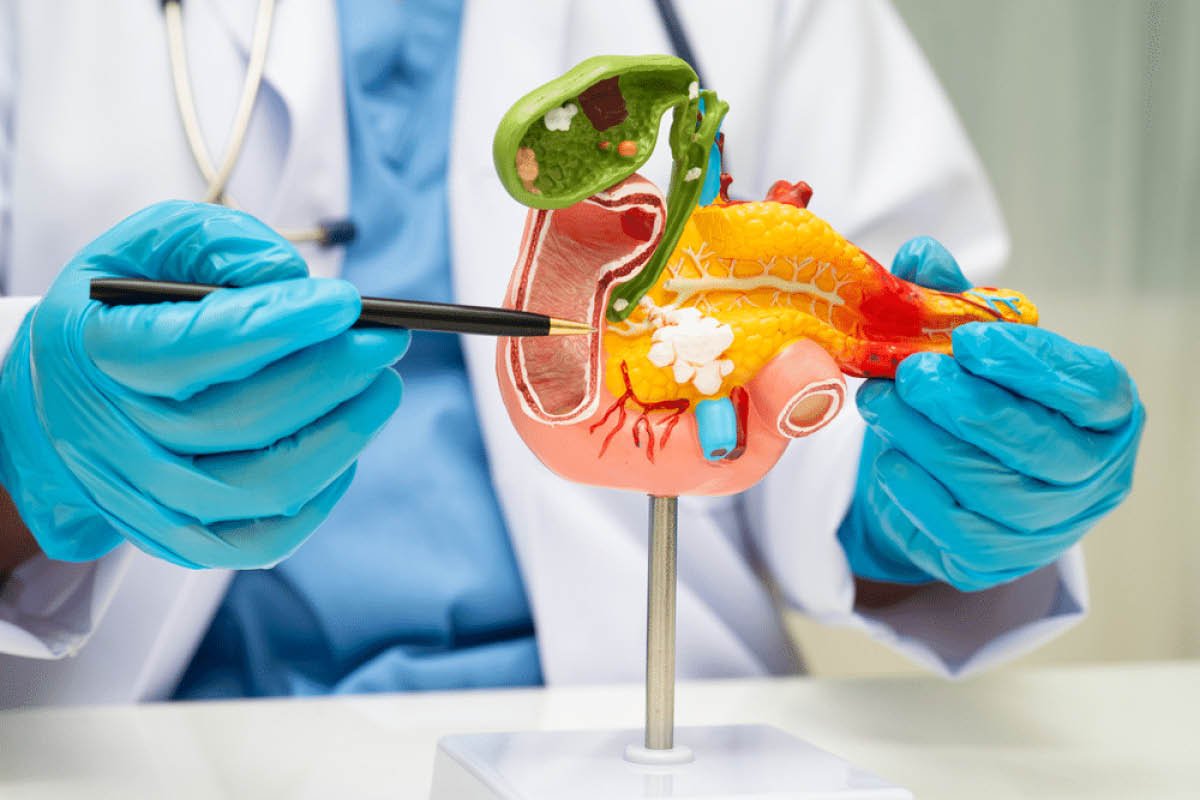
The pancreas sits deep within the abdomen, surrounded by critical blood vessels, bile ducts, and the small intestine. This hidden, intricate location makes any operation exceptionally challenging, demanding not just surgery but highly advanced surgical skill and decision-making.
For patients and their families, the search begins with finding a specialist who understands that complex pancreatic surgery is about more than removing diseased tissue; it’s about safeguarding a patient’s future.
Dr. Sharona B. Ross, a Professor of Surgery at the University of Central Florida and Director of Minimally Invasive Surgery at AdventHealth Tampa, has built her reputation on navigating these exact challenges. With nearly two decades of focused experience in hepato-pancreato-biliary (HPB) surgery, she represents the caliber of expertise required to turn a high-risk procedure into a safe, precise, and life-restoring operation.
What makes pancreatic surgery so complex?
To understand the gravity of complex pancreatic surgery, it helps to visualize the anatomy. The pancreas is not an isolated organ; it is intimately connected to the bile duct, the duodenum (the first part of the small intestine), the superior mesenteric artery and vein, and the portal vein system. An operation here leaves essentially no margin for error. A miscalculation can lead to catastrophic bleeding, bile leaks, or long-term digestive and metabolic dysfunction.
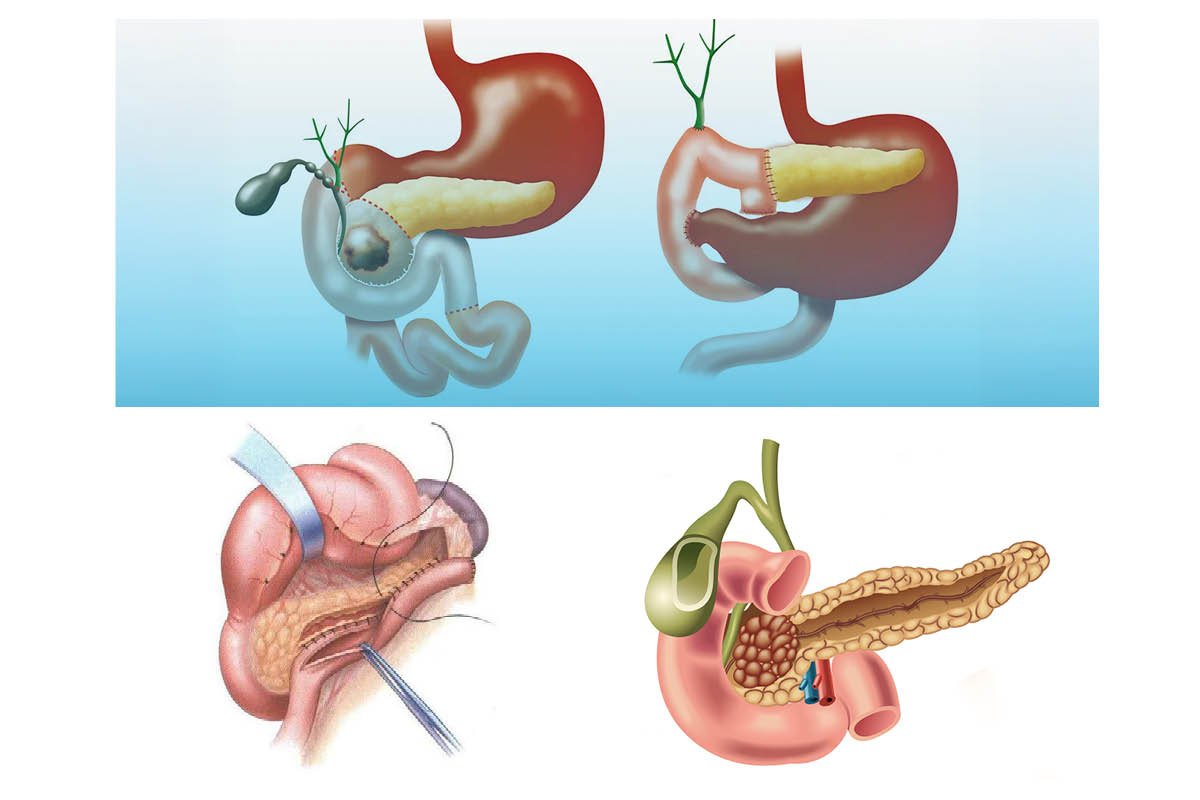
The Whipple procedure involves removing the head of the pancreas, duodenum, part of the bile duct, and gallbladder, followed by complex digestive tract reconstruction. Distal and total pancreatectomies carry equally formidable challenges. These multi-hour operations test a surgeon’s stamina, anatomical knowledge, and critical decision-making. Dr. Ross’s guiding principle remains: “Every decision must prioritize the patient’s safety and long-term recovery.”
The robotic advantage in complex pancreatic surgery
Traditionally, complex pancreatic surgery meant a large open incision, often extending from the bottom of the breastbone to below the navel. While effective, this approach subjected patients to significant post-operative pain, a high risk of wound complications, and a recovery that could take three to six months or more.
Dr. Ross is one of the few U.S. surgeons routinely performing these complex procedures robotically. Using the da Vinci system, she operates through tiny incisions with a magnified 3D view, while wristed instruments translate her hand movements into precise, tremor-free actions inside the body.
This minimally invasive approach translates directly into the recovery metrics that matter most to patients:
- Reduced blood loss: Greater visualization of vessels like the Superior Mesenteric Vein reduces the risk of sudden hemorrhage.
- Less post-operative pain: Smaller incisions mean less trauma to the abdominal wall, reducing the need for narcotics.
- Shorter hospital stays: Where open surgery patients might stay in the hospital for two weeks or more, robotic surgery patients are often discharged within a matter of days.
- Faster overall recovery: Patients return to normal eating, mobility, and daily activities significantly sooner.
Dr. Ross built her expertise through rigorous fellowships in HPB and Advanced GI Minimally Invasive Surgery. As leader of the Pancreatic Cancer Center at AdventHealth Tampa, she brings a team-based, precision-driven approach to every case.
Beyond the operating room: a multidisciplinary commitment
Success in complex pancreatic surgery doesn’t begin with the first incision; it begins weeks earlier with careful planning. Dr. Ross believes in a truly holistic, multidisciplinary approach. She works seamlessly with medical oncologists, radiation oncologists, gastroenterologists, and specialized pathologists to ensure that surgery is integrated into a broader, personalized treatment strategy.
One of her most remarkable cases involved a large, bleeding duodenal tumor invading the Superior Mesenteric Vein, a surgical emergency with almost no room for error. Through meticulous planning and flawless teamwork, the surgery succeeded, and the patient regained a quality of life that had once seemed lost.
This level of coordinated care, driven by Dr. Ross in her role as Director of the Advanced GI and HPB Fellowship Program, means patients aren’t just getting a surgeon—they’re getting an entire system of expertise dedicated to their well-being.
A surgeon who understands the full healing journey
Dr. Ross’s dedication to her patients deepened after a devastating bicycle accident on June 1, 2025. Suffering skull and facial fractures and spending weeks in intensive care, she experienced firsthand the vulnerability, fear, and physical struggle her patients endure.
This experience did not just strengthen her empathy; it reshaped her entire approach. When she returned to performing complex pancreatic surgery, she did so with a renewed understanding of the emotional and physical support patients need. She is now more committed than ever to walking alongside her patients through every stage of their healing journey, from the first consultation to the final follow-up.
Take the next step toward expert care
A diagnosis requiring pancreatic surgery is life-altering, but you don’t have to face it alone or settle for care that doesn’t meet the highest standards. With a leader like Dr. Sharona B. Ross, you gain access to world-class robotic expertise, a multidisciplinary support system, and a compassionate surgeon who truly understands what it means to heal.
If you or a loved one is exploring options for complex pancreatic surgery, prioritize experience, innovation, and a patient-first philosophy. It can make all the difference.