Learn how cardiovascular diseases and depression are connected, why the link matters, and what you can do to protect both your heart and mental health. This guide explains the two-way relationship between these conditions, common warning signs, how doctors diagnose and treat them together, and when to seek medical care. Understanding this connection can help you recognize symptoms early, improve recovery, and support better long-term health outcomes
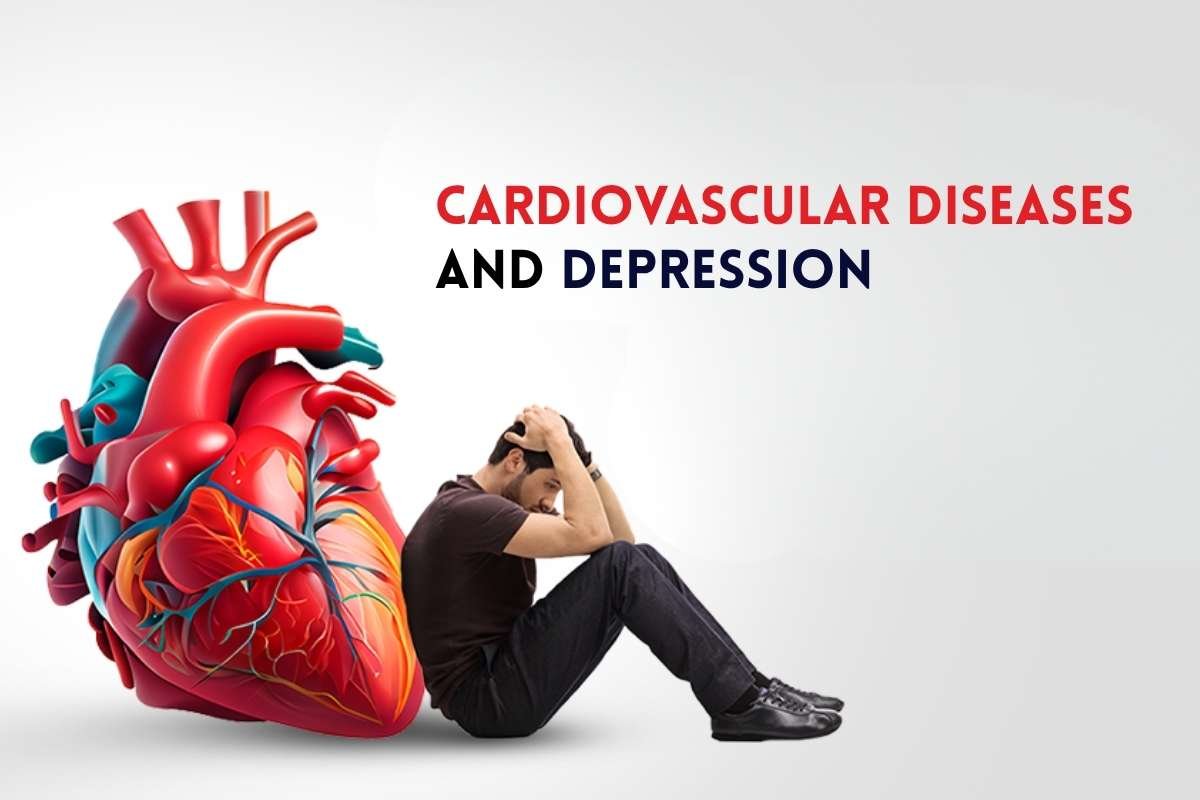
Cardiovascular diseases and depression are increasingly recognized as health conditions that are interrelated rather than as separate diseases. Research has shown that depression can contribute to the development of heart disease and affect recovery, and that cardiovascular disease can influence emotions.
This guide will discuss practical understanding, warning signs, treatment options, and ways to improve outcomes for both conditions.
Table of Contents
What is the link between cardiovascular diseases and depression?
Cardiovascular diseases and depression are closely linked in both directions: depression can raise the risk of heart disease, and heart disease can trigger or worsen depression. The connection is simple: when the brain and heart are both under stress, each can make the other’s problem harder to manage.
How the cycle works
Depression may reduce energy, sleep quality, medication adherence, and motivation for exercise or healthy eating, which can worsen heart risk. At the same time, a cardiac diagnosis, chest pain, surgery, or long-term treatment can increase anxiety, low mood, and hopelessness.
How common is it
Depression is common in cardiac patients, with estimates around 20% to 30%
, and one NHLBI report notes that at least a quarter of cardiac patients suffer from depression. Large evidence reviews also show higher risks of stroke, heart attack, and death in people with depression.
Why doctors screen for both
Doctors now screen because depression affects recovery, quality of life, and long-term heart outcomes, and because people with heart disease are also more likely to develop depression. The American Heart Association has recommended depression screening in cardiac patients, and CDC guidance also recognizes the strong overlap between heart disease and mental health.
Infographic cycle
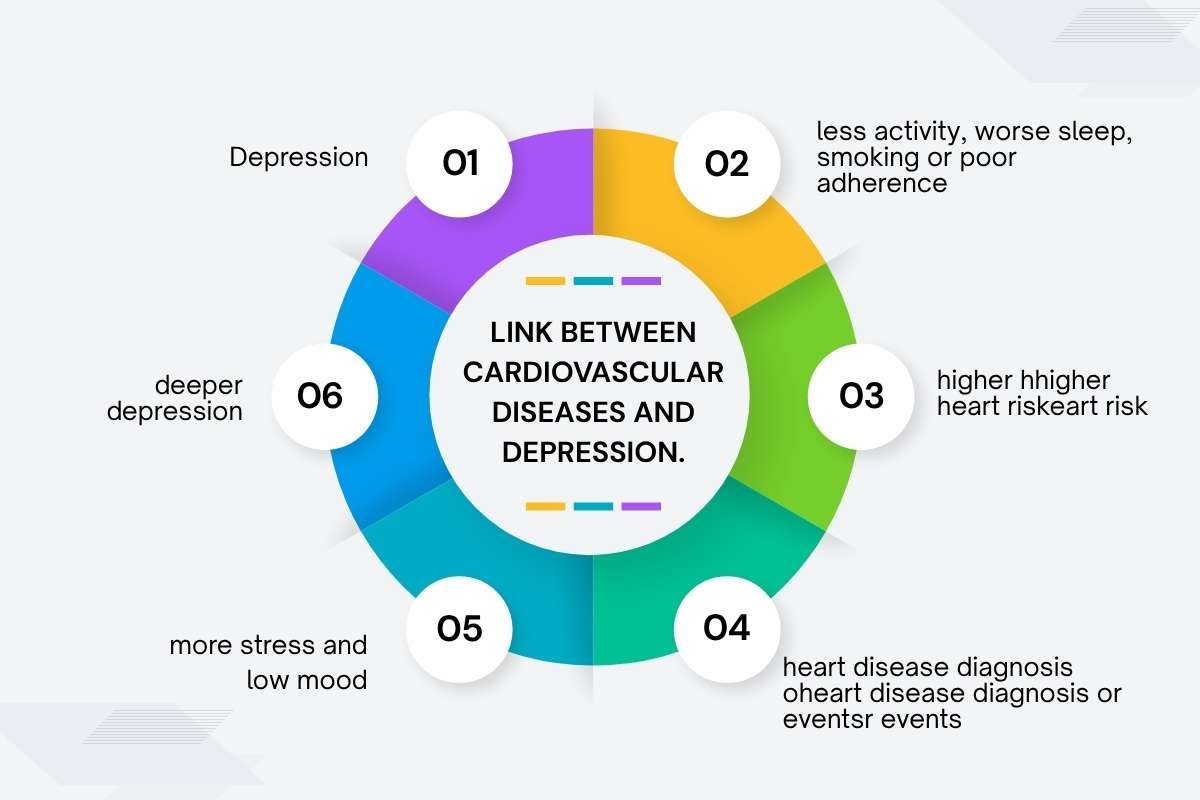
Depression → less activity, worse sleep, smoking or poor adherence → higher heart risk → heart disease diagnosis or events → more stress and low mood → deeper depression.
How depression can increase cardiovascular risk?
Depression can increase heart risk through both physical and behavioral changes. It does not act through one single pathway; it slowly pushes several risk factors in the wrong direction.
Body stress pathways
Depression can raise inflammation, which may damage blood vessels over time and support plaque buildup. It can also keep cortisol high, a stress hormone that can affect blood sugar, weight, and blood pressure.
Depression may disturb the autonomic nervous system, which controls heart rate and blood vessel tone. That can lead to a higher resting heart rate, more blood pressure spikes, and less stable cardiovascular function.
Daily habits that add risk
Depression often makes smoking, physical inactivity, and poor sleep more likely. These habits matter because they raise blood pressure, worsen fitness, and increase strain on the heart.
Depression can also reduce medication adherence, meaning people may miss blood pressure, cholesterol, or diabetes medicines. That can make existing risk factors harder to control and increase the chance of heart events.
Practical implications
The key point is simple: treating depression is part of heart risk reduction, not separate from it. For many people, improving mood, sleep, activity, and medication routine can support better cardiovascular health.
Doctors pay attention to both because symptoms can feed each other, and early support may prevent a worsening cycle. Screening for depression in people with heart disease is now widely recognized as useful in cardiovascular care.
Symptoms you should never ignore:

Depression and cardiovascular disease can share vague symptoms like fatigue and low energy, so persistent changes should not be ignored. If symptoms are new, worsening, or interfering with daily life, a professional evaluation is important.
Depression symptoms
| Common symptoms | Why it matters |
| Persistent sadness or hopelessness | May signal clinical depression. |
| Loss of interest or pleasure | Often one of the earliest warning signs. |
| Fatigue or low energy | Can affect work, exercise, and recovery. |
| Sleep disturbance | Can worsen mood and physical health. |
| Poor concentration or indecision | Can reduce daily functioning. |
Cardiovascular symptoms
| Common symptoms | Why it matters |
| Chest pain or pressure | Maybe a heart warning sign. |
| Shortness of breath | Can point to heart or circulation problems. |
| Dizziness or fainting | Needs prompt medical attention. |
| Palpitations or irregular heartbeat | May need evaluation. |
| Unusual exhaustion | Can be a sign of heart disease. |
Symptoms that overlap
Fatigue, reduced energy, and sleep problems can happen in both depression and heart disease. That overlap is why these symptoms deserve attention rather than being dismissed as “just stress” or “just tiredness.”
How doctors diagnose and treat both conditions together?
Doctors usually look for both mood symptoms and heart symptoms at the same visit, because cardiovascular diseases and depression often affect each other. The goal is coordinated care, so nothing important is missed.
1. Diagnosis
| Step | What doctors do |
| PHQ-9 | A brief depression screening tool that helps measure symptom severity |
| Medical history | They ask about mood changes, sleep, stress, smoking, activity, medicines, and prior heart problems. |
| Cardiac evaluation | They check blood pressure, symptoms like chest pain or shortness of breath, and may order cardiac tests when needed. |
2. Treatment
| Treatment | Why it helps |
| Antidepressants | Can reduce depression symptoms and support recovery |
| CBT | Helps people change negative thought patterns and improve coping |
| Cardiac rehabilitation | Improves fitness, mood, and heart health after cardiac events |
| Exercise | Supports mood, sleep, blood pressure, and overall heart risk |
| Collaborative care | Coordinates the primary doctor, mental health support, and cardiac care in one plan |
| Follow-up | Tracks mood, side effects, blood pressure, symptoms, and treatment adherence over time |
Why coordination matters
This combined approach works better because depression can reduce motivation, sleep, and medication adherence, while heart disease can worsen anxiety and low mood. Regular follow-up helps doctors adjust treatment early and keep both conditions under control.
When to seek immediate care?

In cardiovascular diseases and depression, don’t wait if symptoms feel sudden, severe, or unsafe. Some signs need emergency care right away, while others need a routine doctor visit soon.
Emergency
Get emergency help for chest pain, pressure, or pain spreading to the arm, jaw, back, or shoulder, because these can be signs of a heart attack.
Get help immediately for breathing difficulty, especially if it is severe, new, or happening with chest discomfort or fainting.
Call emergency services for suicidal thoughts, self-harm plans, or if someone may act on these thoughts. The MedlinePlus guidance says to use emergency help right away and not leave the person alone.
Treat stroke symptoms as an emergency: face drooping, arm weakness, speech trouble, sudden confusion, or sudden vision loss.
Routine appointment
Book a medical visit for persistent sadness, loss of interest, or low mood lasting more than two weeks, especially if it affects work, family, or recovery.
Also seek care for anxiety that keeps returning, feels overwhelming, or interferes with sleep and daily life.
Mention fatigue and poor recovery after illness, surgery, or activity, since these can be linked to either depression or heart disease and should not be ignored.
Bring up medication concerns if a medicine seems to affect mood, sleep, or energy. Do not stop treatment on your own; ask your clinician first.
Early evaluation matters because symptoms can overlap, and timely treatment can protect both mental health and heart health.
Conclusion:
The link between cardiovascular diseases and depression is real and deserves the same importance. Early identification of symptoms, screening, and a coordinated treatment plan can help improve recovery, reduce risk, and support a better quality of life. Most importantly, do not ignore the warning signals of heart and mood changes that are taking place. If you notice symptoms that don’t go away, seek care from a qualified healthcare professional. If you experience severe chest pain, trouble breathing, signs of stroke, or suicidal thoughts, seek urgent care. “Early care can really make a difference for heart health and mental health.”
FAQ:
1. What is the link between cardiovascular disease and depression?
Depression was associated with increased risk of incident stroke, myocardial infarction, and heart failure. Depression was associated with an increased risk of incident cardiovascular disease.
2. Can heart disease make you depressed?
Yes, heart problems frequently cause depression. The two conditions share a strong, two-way link, and up to 30-45% of patients with coronary artery disease or heart failure experience clinically significant depression.
3. Can cardiovascular disease be cured?
While cardiovascular disease cannot be entirely cured or reversed, it is highly treatable. The condition can be effectively managed through a combination of lifestyle modifications, medications, and medical procedures to prevent progression and reduce symptoms.
4. What is cardiac depression?
Cardiac depression typically refers to depression that develops following a major heart event, such as a heart attack or cardiac surgery.
5. Is vitamin C linked to heart disease?
While studies are conflicting, the majority of observational studies report an inverse association between vitamin C intake and CHD risk.