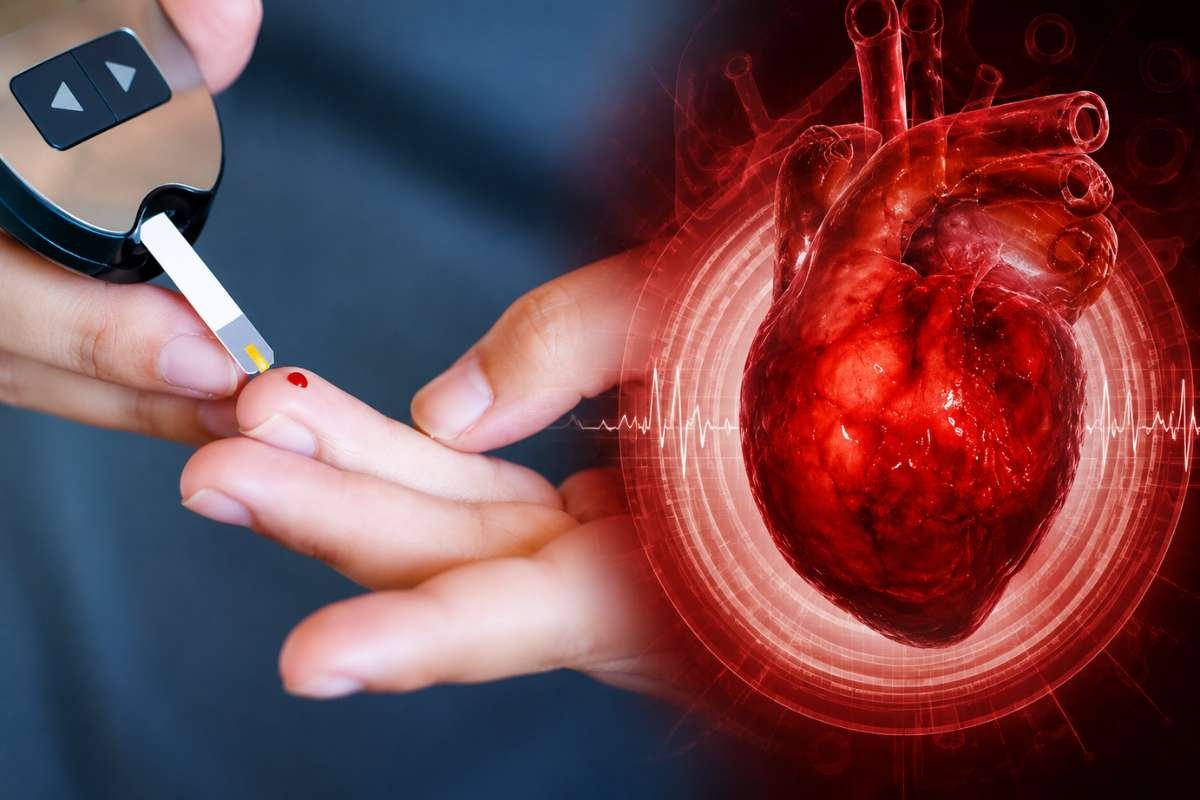
Type 2 diabetes doubles your heart disease risk by damaging blood vessels with excess glucose. This guide breaks down the biological link between blood sugar and arterial plaque, introducing the new 2026 CKM syndrome medical protocols. You will gain an active defense plan using modern cardioprotective medications and lifestyle habits to eliminate your Diabetes Heart Disease Risk.
My old man used to sit at the kitchen table under a buzzing fluorescent bulb, staring at a plastic tray of pills. Blue ones, white ones, little round blockers. He had the sugar. That is what we called it then. He spent his days counting carbs, checking his feet, and stabbing his fingertips with tiny steel needles. He thought he was playing a game against glucose.
He was wrong. The sugar was just the match. His heart was the house.
One cold Monday morning, the house burned down. There was no dramatic movie gasp. He just slumped as his coronary arteries had turned to dry chalk. In the hospital, under the blinding white lights, the doctors threw around a lot of clean, sterile terms. But it boiled down to a brutal reality we never saw coming.
Medical charts call it Diabetes Heart Disease Risk. It sounds tidy on a clipboard. In reality, it is a silent, grinding machine that tears a strong man down to a whisper. If you live with type 2 diabetes, you are not just managing a digital readout on a plastic meter. You are standing in the blast radius of a cardiovascular time bomb.
I watched my father fight the wrong enemy because nobody told him the real score. I am writing this to tell you the truth, raw and unvarnished. Let us look at the cold numbers, the new 2026 medical protocols, and the exact steps you must take to keep your own heart from quitting on you.
Why does type 2 diabetes accelerate blood vessel damage?
When you have diabetes, excess glucose floods your bloodstream. This surplus sugar creates chronic inflammation along your blood vessel walls. This irritation roughens the inside of your arteries. Bad cholesterol, or Low-Density Lipoprotein (LDL), sticks to these rough patches very easily. This process creates solid arterial blockages, escalating your overall Diabetes Heart Disease Risk.
Insulin resistance also forces your liver to produce dangerous fats. Your body creates small, dense LDL particles that slip underneath your arterial lining. These particles harden into plaque. This plaque narrows your blood vessels and chokes off oxygen to your heart muscle.
What do the latest 2026 health reports reveal about cardiovascular risks?

Federal data paints a stark picture of the connection between metabolic health and vascular disease. The 2026 updates from the Centers for Disease Control and Prevention (CDC) and the American Heart Association (AHA) show that nearly 90% of U.S. adults with diabetes exhibit early signs of multi-organ complications.
| Health Condition | Current US Impact | Primary Vascular Effect |
| Diagnosed Diabetes | 29.5 million Americans | Accelerates dangerous plaque buildup inside the coronary arteries |
| Prediabetes | 115.2 million U.S. adults | Causes early, silent microvascular damage to sensitive tissues |
| High Blood Pressure | 125.9 million U.S. adults | Stiffens blood vessels and strains the heart muscle continuously |
Public health teams use these comprehensive datasets to track total Diabetes Heart Disease Risk across the population. According to the March 2026 CDC National Diabetes Statistics Report, over 27% of adults with diabetes do not know they have the condition. This lack of awareness leaves their arteries exposed to unchecked, silent damage for years.
How does the 2026 ckm syndrome protocol rewrite your defense strategy?
In early 2026, the American Heart Association and the American Diabetes Association introduced a new medical framework: Cardiovascular-Kidney-Metabolic (CKM) syndrome. This protocol treats your heart, kidneys, and metabolic system as a single connected entity rather than separate organs.
Doctors use advanced math equations called the PREVENT tool to calculate your personal Diabetes Heart Disease Risk over 10-year and 30-year spans. If your 10-year risk score hits 7.5% or higher, your healthcare team will immediately prescribe aggressive preventative therapies. This protocol stops heart disease in its tracks before you ever experience a single symptom.
What is the dangerous loop between kidney health and heart failure?
Most standard health blogs focus exclusively on daily finger pricks or your HbA1c test scores. However, they completely ignore your kidney filtration efficiency. When high blood sugar damages the microscopic blood vessels in your kidneys, your body begins to retain excess water and salt. This fluid backup increases your blood pressure instantly.
This extra fluid forces your heart to pump against stiff, narrow pipes. In addition, your body’s fat tissue releases toxic inflammatory chemicals called adipokines. These chemicals scar your heart muscle directly through a process called myocardial fibrosis (tissue scarring). This stiffening process causes heart failure even if your main arteries look perfectly clean. Tracking this multi-organ loop provides the ultimate information gain to reduce your Diabetes Heart Disease Risk.
What the experts say?
According to the official AHA 2026 Heart Disease and Stroke Statistics Report, improving your health score by just one point on the lifestyle scale slashes your risk of major cardiovascular events by an astonishing 74%. Clinical experts state that managing your blood glucose alone is not enough. You must lower your total weight, optimize your blood pressure, and protect your kidneys simultaneously.
Which modern medications directly lower your cardiovascular threat?
Metformin lowers your blood sugar numbers efficiently. However, it does not directly prevent a major heart attack or stroke. Thankfully, a massive medical revolution gives you far better protective options. Doctors use two modern classes of medications to slash your Diabetes Heart Disease Risk while keeping your blood sugar stable:
- SGLT2 Inhibitors: Medications like empagliflozin prompt your kidneys to flush out extra sugar and sodium through your urine. This action reduces fluid pressure in your blood vessels, lowering heart failure hospital admissions by over 30%.
- GLP-1 Receptor Agonists: Medications like semaglutide mirror your natural gut hormones. They slow down your digestion, reduce your appetite, and fight dangerous blood vessel inflammation. Large clinical trials show these drugs reduce major cardiac events by 20%.
How can you drop your risks using life’s essential 8?

You can actively shield your vascular system by executing specific daily habits. The American Heart Association bundles these strategies into a framework called “Life’s Essential 8.” Following a clear, sequential path yields the best results for lowering your Diabetes Heart Disease Risk.
1. Establish your baseline numbers:
Visit your doctor to check your exact HbA1c, cholesterol panel, blood pressure, and kidney filtration rate (eGFR). Request a formal CKM syndrome assessment.
2. Shift your daily nutrition:
Cut out all ultra-processed foods and refined sugars. Focus your meals on lean proteins, fiber-rich vegetables, nuts, seeds, and healthy fats like olive oil.
3. Incorporate structured physical exercise:
Complete 150 minutes of moderate-intensity aerobic exercise every single week. Activities like fast walking, swimming, or cycling increase your insulin sensitivity rapidly.
4. Optimize your protective medications:
Talk to your medical team about your personalized PREVENT risk score. Ask if you need to start SGLT2 inhibitors or GLP-1 therapies to shield your heart tissue.
Frequently asked questions
1. How does high blood sugar cause a sudden heart attack?
High blood sugar reduces the production of nitric oxide, which is a natural chemical that opens up your blood vessels. Without it, your arteries constrict and harden. This hostile environment accelerates fat deposits and makes these blockages highly brittle. When a brittle blockage ruptures, it creates an immediate blood clot that triggers a sudden heart attack, driving up your Diabetes Heart Disease Risk.
2. What are the warning signs of a silent heart attack?
Diabetes damages your autonomic nervous system over time. This nerve damage can completely block the classic, crushing chest pain signals during a cardiac crisis. You must monitor your body for subtle warning signs. Watch for unexplained shortness of breath, sudden intense fatigue, random dizziness, or unexplained swelling in your feet and ankles.
3. Can lifestyle changes reverse my vascular damage completely?
You cannot instantly erase years of physical tissue scarring. However, clean nutrition and targeted exercise can stabilize brittle arterial plaques. This stabilization prevents blockages from rupturing and causing clots. Lowering your weight and keeping your blood pressure under control protect your vascular system from further decay.
4. What Is Your Ultimate Blueprint to Control Your Longevity?
Your metabolic health and your cardiovascular system share a single, inseparable connection. You hold the power to change how your body ages. If you use smart nutrition, stay physically active, and take advantage of modern preventative medications, you can protect your blood vessels completely. Start taking these intentional steps today to eliminate your Diabetes Heart Disease Risk and live a long, healthy life.