Learn how Hypertensive Heart Disease develops, its early warning signs, and how timely treatment can protect your heart from serious complications. This guide explains how long-term high blood pressure damages the heart, the symptoms to watch for, how doctors diagnose the condition, effective treatment strategies, and practical lifestyle changes that can help slow progression, lower risks, and support long-term heart health.
Millions suffer from high blood pressure without realizing it could be slowly damaging their heart. Hypertensive Heart Disease is a condition that develops over time as the heart has to work harder to pump against increased blood pressure. It increases the risk of heart failure, irregular heart rhythms, stroke, and other cardiovascular complications. The good news is that early diagnosis, appropriate treatment, and healthy lifestyle changes can slow or even stop progression. This includes how the disease develops, symptoms to look out for, treatments, and what you can do to protect your heart.
Table of Contents
What is hypertensive heart disease?
Hypertensive heart disease is heart damage or heart change caused by high blood pressure over time. In simple terms, it is what can happen when the heart has to keep pumping against extra pressure day after day, and that constant strain makes the muscle thicken and eventually work less efficiently.
Hypertension vs heart disease
Hypertension is a problem in the arteries: blood pressure stays too high. It is the effect on the heart when the pressure has been high for a long time.
Why years matter
A few high readings are not the same as years of high blood pressure. Long-term pressure forces the heart to work harder, and over time the left ventricle, the heart’s main pumping chamber, can thicken and become stiffer, which is called left ventricular hypertrophy. Think of it like a muscle lifting heavy weights every day: it gets bigger, but not necessarily better at doing the job.
Silent development
It often develops silently because high blood pressure and early heart changes may not cause symptoms for a long time. That is why people can have HHD without realizing it until problems become more serious.
How does high blood pressure damage the heart over time?
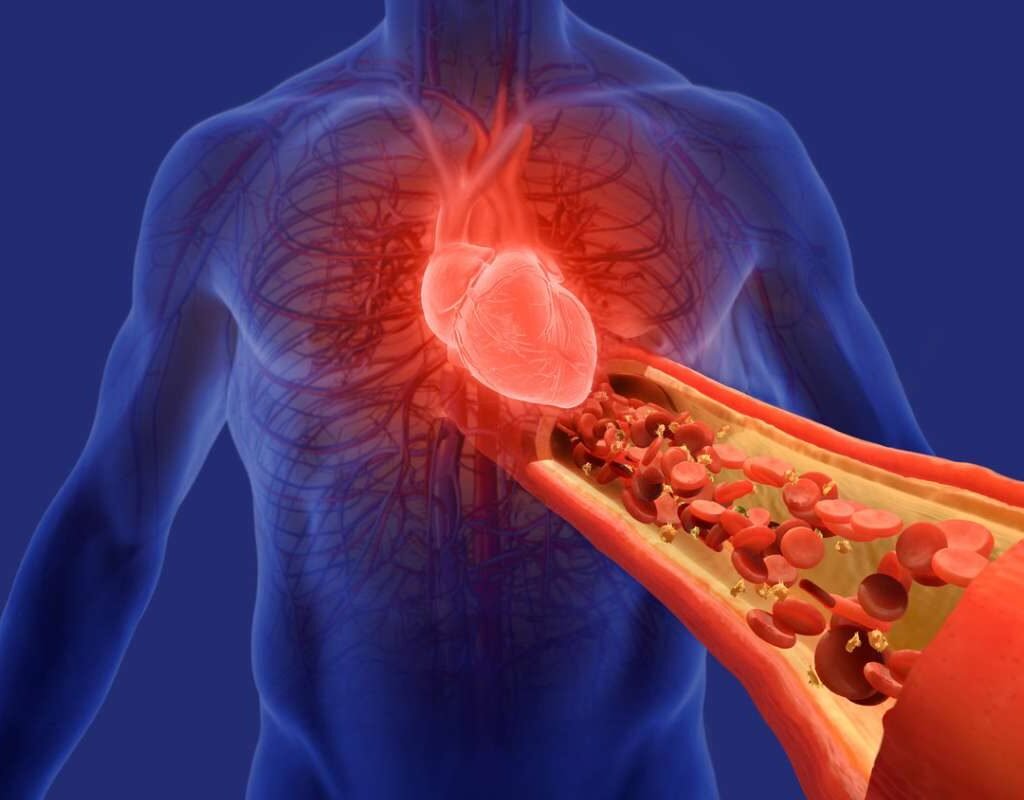
Hypertensive heart disease follows a simple chain: high blood pressure makes the heart work harder, which can thicken and stiffen the heart muscle, then enlarge the heart, and over time lead to heart failure, arrhythmias, and stroke.
Simple timeline
Stage 1: High blood pressure stays elevated.
↓
The heart works harder to push blood forward.
↓
The heart muscle thickens, especially the left ventricle.
↓
The heart stiffens and fills less easily.
↓
The heart enlarges as it keeps struggling to cope.
↓
Heart failure can develop.
↓
Arrhythmias can appear, including atrial fibrillation.
↓
Stroke risk rises because uncontrolled blood pressure also damages blood vessels and raises the chance of clot-related events. This is why long-term blood pressure control matters: the damage is gradual, and this heart disease can progress quietly for years before symptoms show up.
Early symptoms and warning signs you should never ignore:
Hypertensive heart disease often has no symptoms at first, because the heart can adapt quietly for a long time before it starts to struggle.ncbi.nlm.nih+1
Early signs
- Fatigue.
- Mild breathlessness.
- Reduced exercise tolerance.
Later warning signs
- Chest pain.
- Swelling in the legs or feet.
- Dizziness.
- Fainting.
- Palpitations.
Many patients feel normal early on because high blood pressure and the early heart changes may not cause obvious symptoms right away. Symptoms usually appear later, when the heart is under more strain or begins to fail.
How do doctors diagnose hypertensive heart disease?

Doctors usually confirm HHD by moving from simple checks to deeper imaging. First, they measure blood pressure to confirm it is persistently high, then use an ECG to look for strain or rhythm changes, and an echocardiogram to see whether the heart muscle has thickened, stiffened, or enlarged.
Simple diagnostic path
Blood pressure measurement
↓
Shows whether hypertension is present and long-standing.
ECG
↓
Shows the heart’s electrical pattern, which can suggest left ventricular thickening or arrhythmias.
Echocardiogram
↓
Shows the heart’s structure and pumping function, including thickening, stiffness, and enlargement.
Blood tests
↓
Help check kidney function, cholesterol, and other risk factors that often travel with high blood pressure.
Chest X-ray
↓
Can show whether the heart is enlarged or whether there is fluid buildup.
Cardiac MRI, only if needed
↓
Gives a more detailed picture when the diagnosis is unclear, or the doctor needs a closer look at the heart structure.
In short, the diagnosis is not made by one test alone. Doctors connect the blood pressure history with heart structure and function to confirm it.
Treatment goals and management:
Yes. It can often be controlled by lowering pressure on the heart and preventing complications.
Treatment goals
- Goal 1: Lower blood pressure. This is the main target because less pressure means less ongoing damage to the heart.
- Goal 2: Reduce heart strain. When blood pressure comes down, the heart does not have to work as hard.
- Goal 3: Prevent heart failure. Good control can slow or stop the heart from thickening, stiffening, and weakening.
- Goal 4: Prevent stroke. Controlling blood pressure also lowers the risk of blood vessel damage and stroke.
What helps
- Medications: Doctors may use blood pressure medicines to bring numbers down and reduce heart workload.
- Exercise: Regular physical activity helps lower blood pressure and improves heart efficiency.
- DASH diet: Eating more fruits, vegetables, whole grains, and low-fat dairy supports blood pressure control.
- Sodium reduction: Less salt helps the DASH diet work better and may reduce heart strain.
- Weight management: Losing extra weight can lower blood pressure and make the heart work less hard.
- Sleep: Good sleep supports blood pressure control and heart health.
- Smoking cessation: Stopping smoking reduces vessel damage and lowers cardiovascular risk.
The main idea is simple: control the pressure, and you reduce the damage.
Living well with hypertensive heart disease:
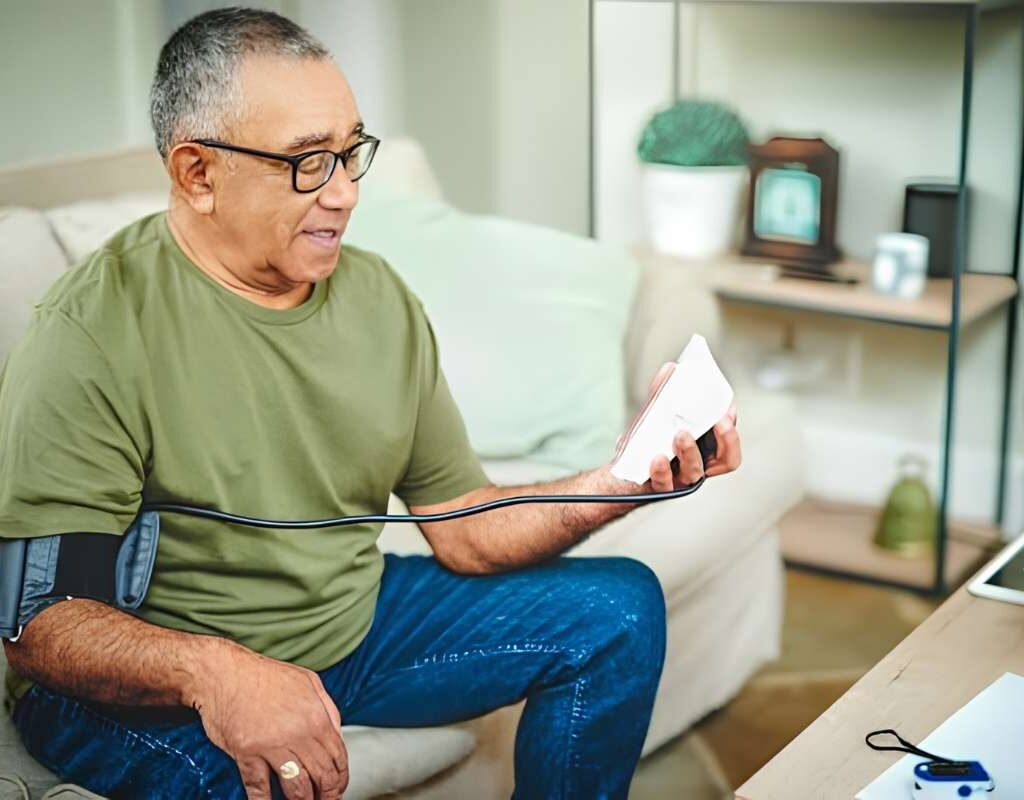
Yes. Many people with this disease can still live normally. But they need regular follow-up and good blood pressure control.
Daily life
- Can I exercise? Usually yes. Start with light to moderate activity and increase slowly, because exercise helps lower blood pressure and strengthen the heart.
- Can I travel? Usually, yes, if your condition is stable. Keep medicines with you, stay hydrated, and avoid overexertion on trips.
- Can I work? Often yes. Most people can keep working if symptoms are controlled, but heavy physical work may need medical advice.
- Can I live normally? Yes, many people do, especially when blood pressure is treated early and followed closely.
Follow-up and home checks
- How often should I see my doctor? Regularly, because this is a long-term condition that needs ongoing monitoring.
- What should I monitor at home? Blood pressure, pulse, weight, swelling in the feet or legs, shortness of breath, and any new palpitations.
Simple rule
If symptoms are stable, stay active and keep routine care. If breathlessness, swelling, chest pain, fainting, or fast/irregular heartbeat appears, get medical review promptly.
Conclusion:
Hypertensive Heart Disease is serious, but it is often controllable when high blood pressure is found early and treated consistently. The key is simple: lower the pressure, reduce the strain, and protect the heart before damage progresses. With regular follow-up, healthy habits, and the right treatment, many people can slow or stop further harm and live well. If you have high blood pressure or any warning signs, talk to a doctor soon and take the next step toward protecting your heart.
FAQ:
1. Is hypertensive heart disease curable?
It is not curable, but it is highly manageable. The goal of treatment is to control blood pressure, reduce the strain on the heart, and stop the condition from worsening.
2. How long can someone live with hypertensive heart disease?
With proper medical management, many people with HHD live normal lifespans.
3. Is hypertensive heart disease the same as hypertension?
No, they are not the same thing. Hypertension is high blood pressure, while HHD refers to the actual damage caused to your heart as a direct result of having unmanaged high blood pressure over a long period.
4. Who is at risk for HHD?
Risk factors for this disease include having long-term high blood pressure.
5. What does hypertensive heart disease feel like?
In a hypertensive emergency, call 911 if your blood pressure is higher than 180/120 mm Hg and you are experiencing symptoms that may include chest pain. Shortness of breath. Back pain.
Links and sources:
- https://www.mayoclinic.org/diseases-conditions/left-ventricular-hypertrophy/symptoms-causes/syc-20374314
- https://www.pennmedicine.org/conditions/hypertensive-heart-disease
- https://www.mayoclinic.org/diseases-conditions/high-blood-pressure/in-depth/high-blood-pressure/art-20045868
- https://www.heart.org/en/health-topics/high-blood-pressure/health-threats-from-high-blood-pressure/how-high-blood-pressure-can-lead-to-heart-failure
- https://www.citizenshospitals.com/blogs/hypertensive-heart-disease-symptoms-causes-and-treatment
- https://nyulangone.org/conditions/high-blood-pressure/diagnosis