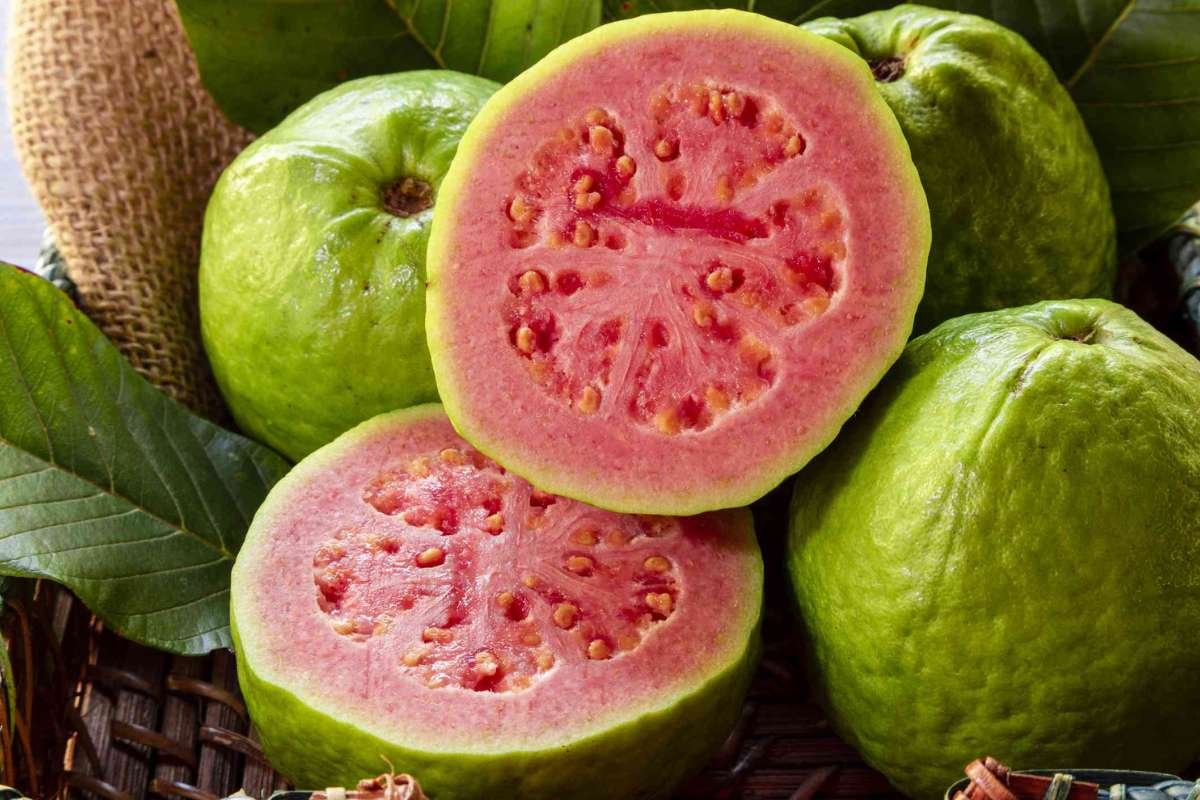
Did you know one small guava can give you more vitamin C than three oranges? That single fact explains why nutritionists keep talking about this fuzzy green fruit. You know how some foods promise big results but deliver tiny nutrition labels? Guava flips that script completely.
The health benefits of guava reach far beyond a quick vitamin C boost. This tropical fruit packs fiber, potassium, and antioxidants into just 68 calories per 100 grams. Researchers at the USDA and several medical journals have studied guava for its effects on blood sugar, heart health, and digestion.
By the end of this article, you will know exactly how guava stacks up against common fruits like apples and oranges. You will also learn which part of the plant delivers which benefit, the fruit or the leaves. Grab a guava and let’s break down why this fruit deserves a permanent spot in your kitchen.
What makes guava one of the most nutrient-dense fruits?
Guava earns its superfood reputation for good reason. A 100-gram serving provides ample vitamin C, fiber, and balanced calories at just 68 calories, without overloading on sugar or carbs. Few fruits pack this much nutrition into so few calories.
Fiber stands out as one of guava’s biggest wins. A 100-gram serving contains 5.4 grams of dietary fiber, 2.55 grams of protein, and 417 milligrams of potassium. That fiber supports digestion, steadies blood sugar, and keeps you feeling full longer.
Here is how guava breaks down nutritionally, based on USDA FoodData Central figures.
| Nutrient | Amount per 100g | % Daily Value |
| Calories | 68 kcal | 3% |
| Carbohydrates | 14.3 g | 5% |
| Dietary Fiber | 5.4 g | 22% |
| Sugar | 8.9 g | – |
| Protein | 2.6 g | 5% |
| Vitamin C | 228 mg | 254% |
| Potassium | 417 mg | 12% |
| Folate | 49 mcg | 12% |
These numbers show why the health benefits of guava start with its nutrition profile alone.
Does guava really beat oranges for vitamin C?
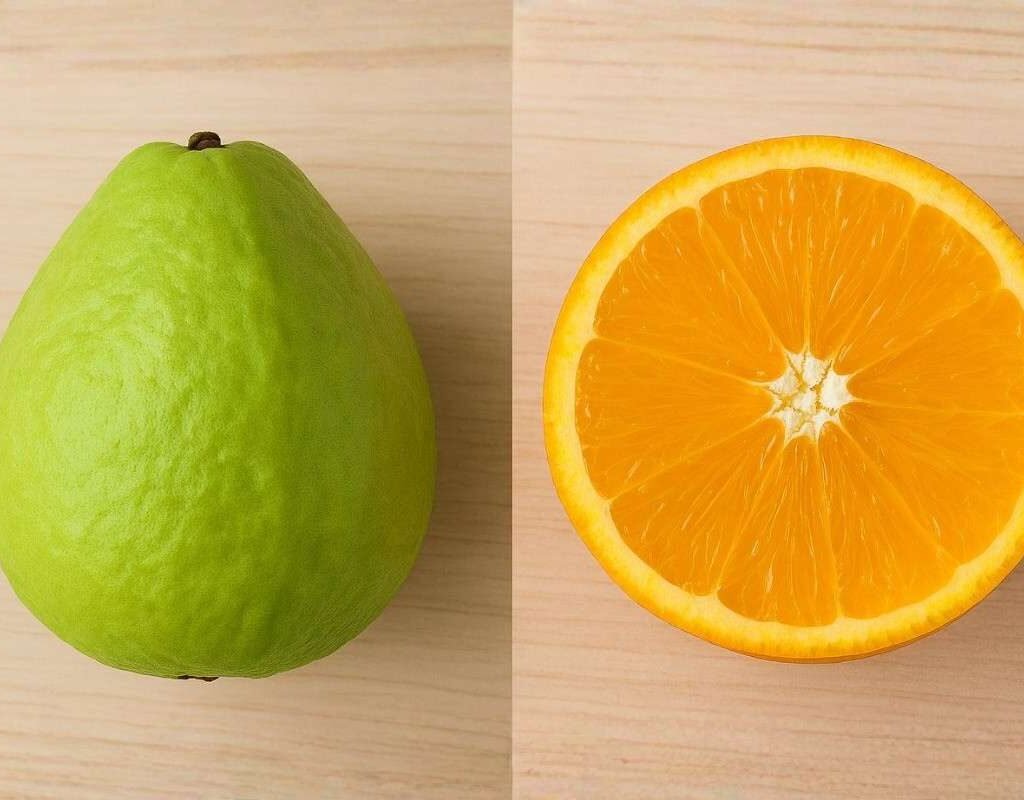
Yes, and the gap is bigger than most people expect. Guava provides 228.3 milligrams of vitamin C per 100-gram serving, covering 254 percent of the daily value. Oranges typically provide only around 50 milligrams of vitamin C for the same serving size.
That gap means guava can deliver more than four times the vitamin C found in an equal amount of orange. When checking the health benefits of guava, Vitamin C must be considered. Vitamin C plays a direct role in immune function and helps your body produce white blood cells. It also supports collagen production, which keeps skin firm and helps wounds heal properly.
| Fruit (100g) | Vitamin C (mg) | Fiber (g) | Calories |
| Guava | 228 | 5.4 | 68 |
| Orange | 50 | 2.4 | 47 |
| Apple | 8 | 2.4 | 52 |
Can guava help control blood sugar naturally?
The health benefits of guava make it possible for patients with diabetes to enjoy them without worry. Low glycemic index foods like guava take longer for the body to absorb and digest, so blood sugar does not spike, and energy stays steady. That slow digestion makes a real difference after meals.
Guava leaves take this benefit even further. Several cell culture and animal studies from 2020 and 2022 found that guava leaf extract improved blood sugar levels, long-term blood sugar control, and insulin resistance, with similar responses recorded in studies on people.
A 2019 clinical trial published in the journal Nutrients tested this directly in humans. The trial found that guava fruit extract led to a reduced increase in blood glucose after meals, with a significant difference recorded at the 90-minute mark. Newer trials, including a registered guava extract study on ClinicalTrials.gov, continue to explore this effect.
How does guava support heart health?
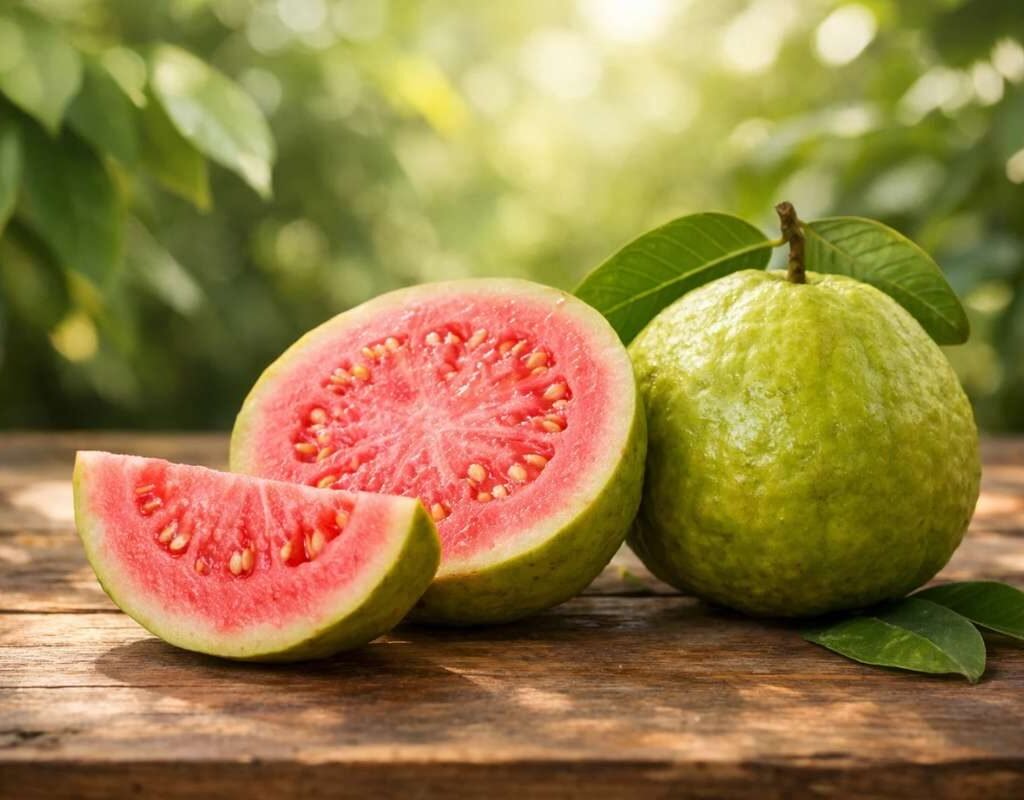
Heart health might be the most underrated benefit on this list. Many scientists believe the high levels of antioxidants and vitamins in guava leaves help protect the heart from damage caused by free radicals.
Other health benefits of guava include contributions from its potassium and fiber content. Potassium helps balance sodium levels and supports healthy blood pressure. Guava delivers 417 milligrams of potassium per 100 grams, which adds up fast across a whole fruit. Combine that with soluble fiber, and you get real support for your cardiovascular system.
Guava leaf extract has also been linked to lower blood pressure, a decrease in LDL cholesterol, and a rise in HDL cholesterol. Pink-fleshed guava varieties add lycopene to the mix, the same antioxidant found in tomatoes.
Is guava good for weight loss and digestion?
If you watch your weight, guava deserves a spot on your shopping list. One whole guava contains roughly 68 calories per 100 grams, yet still delivers over 5 grams of fiber. That fiber slows digestion and keeps hunger away for hours.
Research shows that guava consumption can reduce blood glucose and lipid levels, which lowers the risk of developing obesity. Lower lipid levels also support a healthier metabolism over time.
The fiber in guava does double duty for digestion by softening stool and adding bulk. The skin of the guava actually contains more vitamin C than the flesh, so eating the fruit with the peel on gives you the full nutritional payoff.
What is the best way to eat guava for maximum benefits?
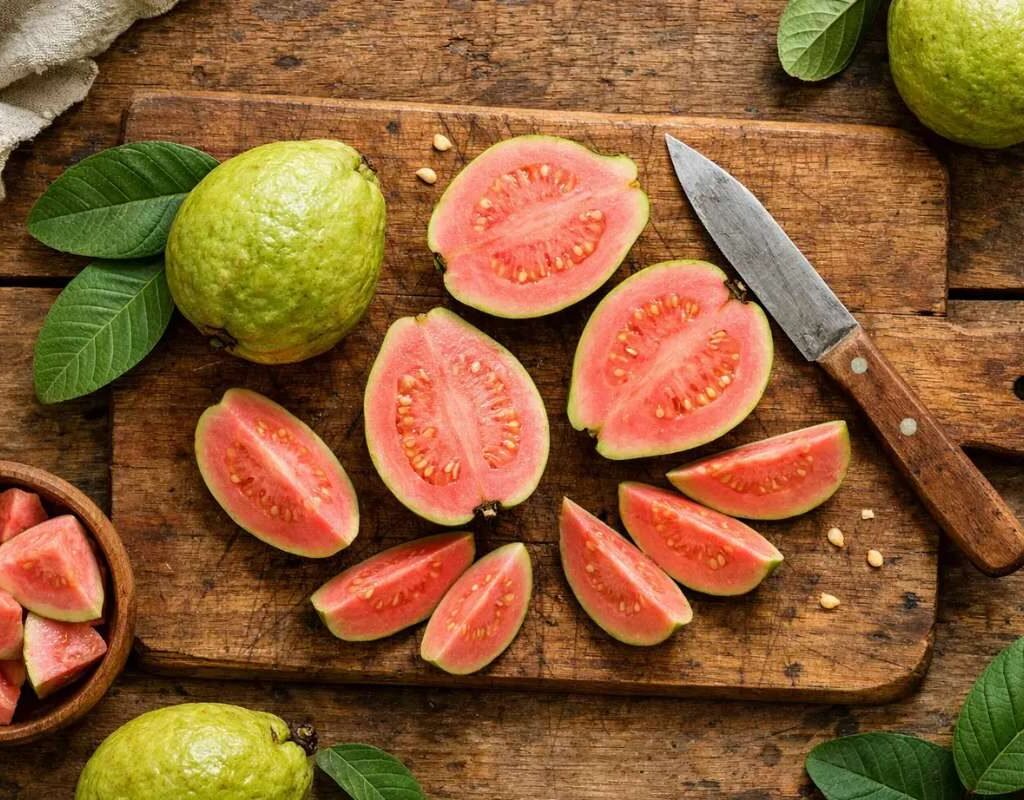
To get the maximum health benefits of guava, you don’t need any fancy preparation. Eating the fruit raw with the skin on preserves the most nutrients. A quick rinse under water is all the prep you need.
Guava also works well sliced into fruit salads or blended into smoothies. In many tropical countries, people pair it with a sprinkle of chili powder and lime for extra flavor. A registered dietitian recommends keeping portions reasonable to enjoy the benefits without digestive discomfort.
For guava leaf tea, steep dried or fresh leaves in hot water for about 10 minutes. Research suggests guava leaf tea containing extract is a useful and harmless addition for people managing pre-diabetes or type 2 diabetes. It should never replace medication a doctor has prescribed.
Are there any side effects of eating too much guava?
Guava is generally very safe, but moderation still matters. Eating too much guava may lead to digestive issues for some people, especially those not used to high-fiber foods.
The seeds can also cause trouble for people with certain digestive conditions, such as diverticulitis. If bloating or discomfort shows up, try removing the seeds or sticking to smaller portions for a few days.
Anyone taking blood sugar medication should talk to a doctor before adding guava leaf extract to their routine. The blood sugar-lowering effects could stack with medication and push levels too low.
Final takeaway
The health benefits of guava come down to one simple fact. Few fruits pack this much vitamin C, fiber, and antioxidant power into so few calories. Whether you eat it fresh, blend it into a smoothie, or brew the leaves into tea, guava gives your body real, science-backed support.
Start small. Add one guava to your grocery list this week and notice how it fits your routine. Implement this today and check the USDA FoodData Central database linked below for the full nutrition breakdown.
FAQs
1. How many guavas should I eat per day?
One medium guava, or about one cup, provides strong nutrient benefits without overdoing sugar or fiber intake.
2. What are the health benefits of guavas for diabetes patients?
Guava has a low glycemic index, and studies suggest it may help steady blood sugar after meals.
3. Is guava skin safe to eat?
Yes, the skin is edible and holds extra fiber and vitamin C, so wash it well and eat it whole.
4. Does guava leaf tea actually work?
Research links guava leaf extract to better blood sugar control, though it should not replace medical treatment.
5. What is the best time to eat guava?
Many people eat guavas as a snack between meals, since their fiber and low glycemic index help prevent energy crashes.