Key Takeaway:
- An independent review found no evidence that Newton-Wellesley Hospital’s environment caused the brain tumors among 11 maternity ward nurses.
- Investigators detected no harmful chemical, radiation or environmental exposures linked to the cases.
- Of the 11 diagnosed nurses, nine had benign tumors and two had malignant tumors.
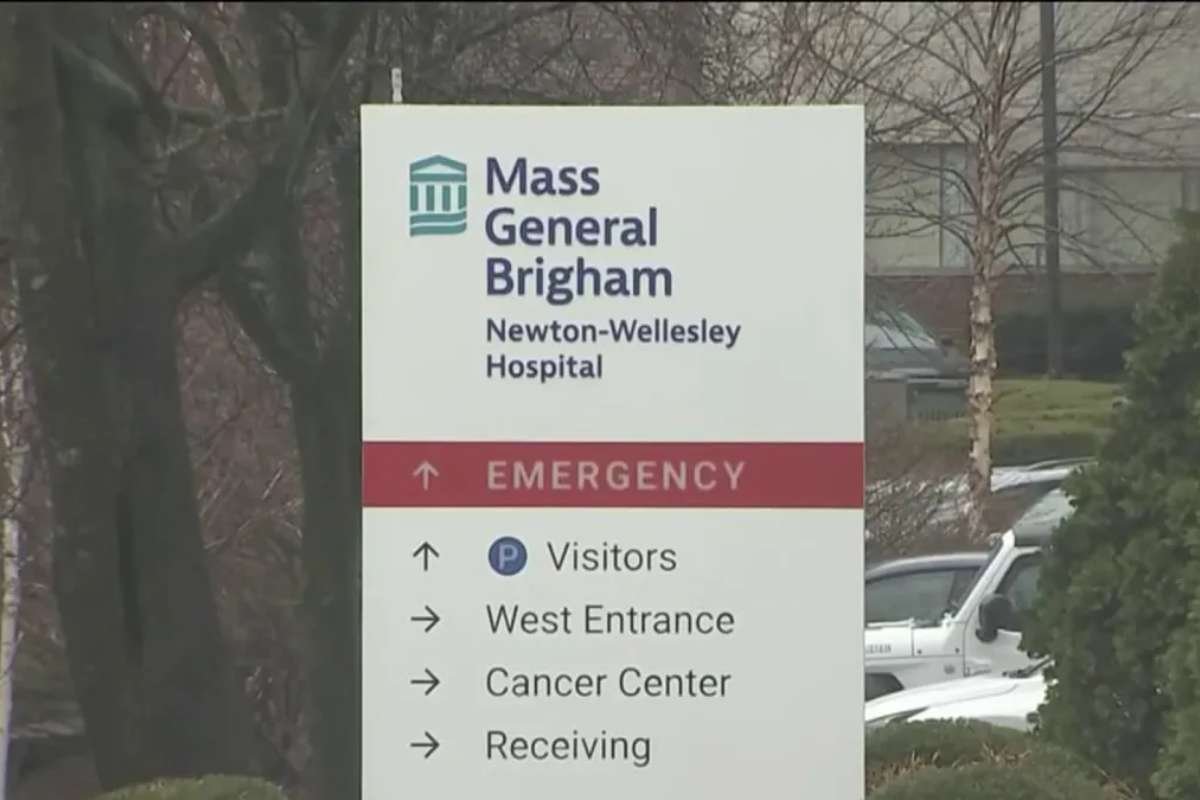
An independent review has concluded that the Newton-Wellesley Hospital brain tumor cluster involving 11 current and former maternity ward nurses was not caused by workplace conditions, finding no evidence of harmful chemical, radiation, or environmental exposures.
Independent review rules out workplace cause
The findings come more than a year after concerns emerged when nurses who worked on the hospital’s maternity unit reported brain tumor diagnoses. The cases prompted questions about whether the workplace environment contributed to the illnesses.
According to an external report published by a Harvard Medical School professor, the hospital environment is safe, and there is no evidence that exposures within the facility caused the tumors. The review found no harmful levels of chemicals, radiation, or other environmental hazards linked to the diagnoses.
Hospital officials said the findings support earlier investigations conducted by occupational health experts and government agencies.
“Our rigorous investigation has not identified any environmental trigger at Newton-Wellesley Hospital that causes brain tumors,” the hospital previously said in a statement. “We remain confident that our environment is safe for staff, clinicians, and patients.”
Most tumors found to be benign
The review examined 11 cases involving current or former maternity ward nurses. Nine of the diagnosed tumors were benign, while two were malignant, according to reports cited by the Boston Herald.
Earlier investigations had identified multiple cases of noncancerous brain tumors among nurses who worked on the hospital’s fifth-floor maternity unit. The Newton-Wellesley Hospital brain tumor cluster involved several different tumor types, a factor experts said made it more difficult to establish a common environmental cause.
Brain tumors can occur for a variety of reasons, and health officials have noted that many develop without a clearly identifiable cause. State health authorities previously reported that high-dose ionizing radiation is among the most established environmental risk factors, but testing at the hospital found radiation levels within regulatory limits.
Investigations included environmental testing
The hospital launched extensive reviews after the cluster came to light. Investigators examined air and water quality, radiation levels, ventilation systems, and potential chemical exposures. No environmental risks were identified.
Separate reviews by the Massachusetts Department of Public Health, occupational health specialists, and federal workplace safety officials also found no evidence linking the hospital environment to the reported tumors. Radiation surveys and other inspections concluded that safety standards were being met.
The case drew national attention and raised concerns among staff members and labor representatives, some of whom called for additional scrutiny of the findings. The Massachusetts Nurses Association previously questioned the scope of the investigations and conducted its own review.
The independent report is expected to provide additional reassurance to employees and patients while reinforcing earlier conclusions that the hospital workplace was not responsible for the diagnoses linked to the Newton-Wellesley Hospital brain tumor cluster.