Key Takeaway:
- A dangerous tapeworm, Echinococcus multilocularis, has been detected in Pacific Northwest coyotes for the first time, with 37% of sampled coyotes carrying the parasite.
- The parasite can cause severe, potentially fatal liver disease in humans and dogs, though human cases remain rare and none have been reported on the U.S. West Coast.
- Researchers urge dog owners to prevent pets from hunting rodents and maintain regular deworming and veterinary care to reduce infection risks.
A dangerous tapeworm linked to severe disease in humans and dogs has been detected in Pacific Northwest coyotes for the first time, prompting renewed concern among researchers about the spread of Echinococcus multilocularis across North America.
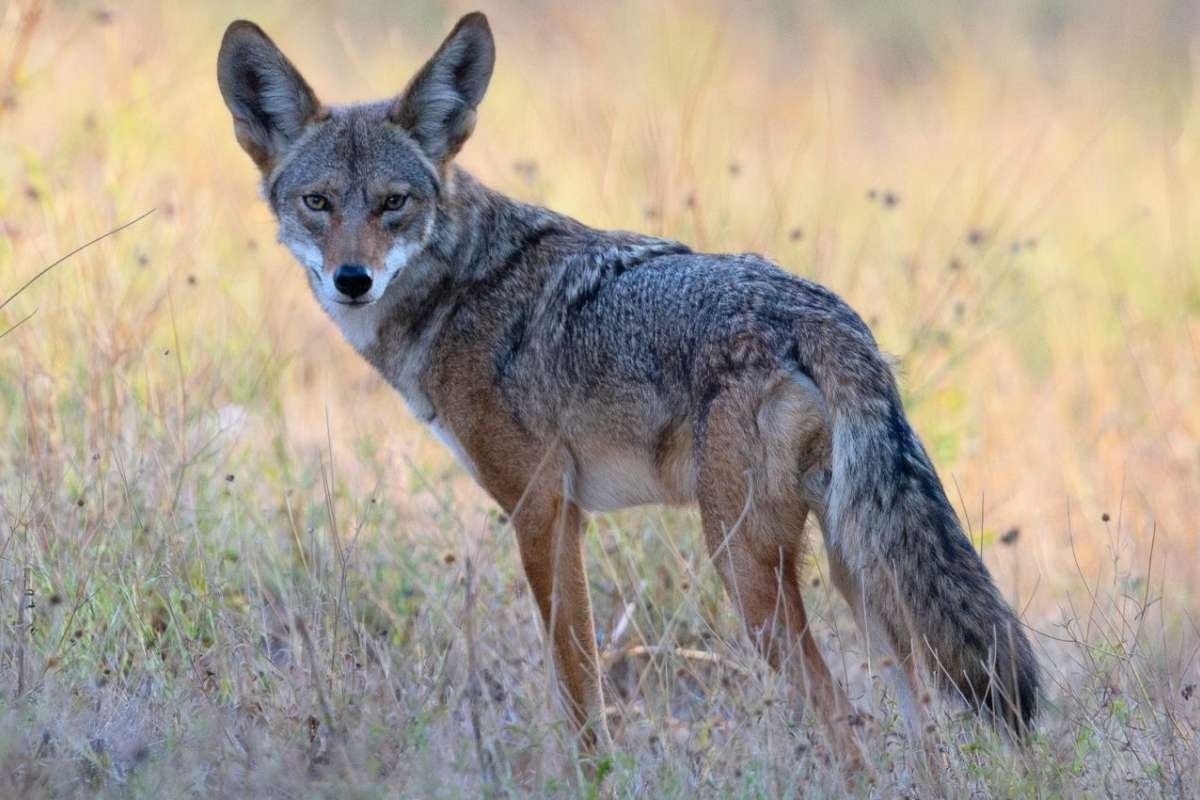
Researchers from the University of Washington found the parasite, Echinococcus multilocularis, in 37 of 100 coyotes surveyed in the Puget Sound region. The findings, published in PLOS Neglected Tropical Diseases, mark the first documented detection of the parasite in a wild host along the contiguous U.S. West Coast.
Researchers detect parasite in one-third of coyotes
The study found that more than one-third of sampled coyotes carried the tapeworm, which can infect canids such as coyotes and foxes without causing illness. The parasite, however, can lead to serious disease in humans and domestic dogs.
“This parasite is concerning because it has been spreading across North America,” said lead author Yasmine Hentati, who recently earned a doctorate in environmental and forest science from the University of Washington. “The fact that we found it here in one-third of our coyotes was surprising.”
For decades, E. multilocularis was considered rare in North America. Over the past 15 years, infections have been reported more frequently in Canada and parts of the U.S. Midwest, suggesting the parasite is expanding its geographic range.
When infection occurs in people or animals, the parasite can form cysts in the liver and other organs. Untreated cases may become fatal.
Scientists explain how infection spreads
The tapeworm relies on a life cycle involving coyotes, rodents and other animals. Adult worms live in the intestines of coyotes and release eggs through feces into the environment.
Rodents become infected after consuming contaminated food. The parasite then develops in their livers. Coyotes are reinfected when they prey on infected rodents, continuing the cycle.
Humans and domestic dogs are accidental hosts. Infection can occur when parasite eggs are swallowed through contaminated food or contact with infected feces. The resulting disease, known as alveolar echinococcosis, may take five to 15 years before symptoms appear.
The World Health Organization lists alveolar echinococcosis among the top 20 neglected tropical diseases and considers it one of the world’s most significant food-borne parasitic illnesses.
Also Read: Understand the Difference Between Bacteria and Viruses
Experts urge vigilance as new strain spreads
Researchers said the Echinococcus multilocularis strain identified in Pacific Northwest coyotes differs from earlier variants previously documented in remote parts of Alaska.Genetic analysis indicates the current strain originated in Europe and may be more infectious.
Scientists are still investigating how the parasite became established in North America. Possible explanations include infected dogs entering the continent without deworming treatment or historical introductions through imported red foxes.
“To minimize the risk of dogs getting infected with E. multilocularis, owners should not let them prey on rodents or scavenge their carcasses,” said Guilherme Verocai, associate professor and director of the Parasitology Diagnostic Laboratory at Texas A&M University’s College of Veterinary Medicine and Biomedical Sciences.
Researchers noted that human infections remain rare in the United States, and no human cases have been reported on the West Coast. A separate study documented seven canine infections in Washington, Oregon and Idaho since 2023.
“The main takeaway is that Echinococcus multilocularis is here, it’s pretty prevalent in the local coyote population and people should be aware of potential risks,” Hentati said.
The study was funded by the National Science Foundation and the University of Washington Hall Conservation Genetics Fund.