Key Takeaway:
- Ebola cases in DR Congo have reached 3,200, with 1,405 deaths, after 1,000 new cases were reported in just 10 days.
- The Bundibugyo strain, which has no approved vaccine or treatment, has spread to five provinces, complicating containment efforts.
- Scientists are advancing experimental vaccines and treatments, while health worker strikes and access challenges continue to hinder the outbreak response.
The number of Ebola cases in DR Congo has risen to 3,200, including at least 1,405 deaths, as the country’s 17th outbreak spreads across five provinces and strains response efforts despite expanded testing and international support.
Government data released Sunday show Ebola cases in DR Congo increased by about 1,000 in the past 10 days, highlighting the rapid spread of the outbreak declared May 15. Officials said improved detection and testing have helped identify more cases, while health workers continue efforts to contain the virus.
Response teams struggle to reach growing hot spots
The outbreak driving the rise in Ebola cases in DR Congo is caused by the Bundibugyo strain of the Ebola virus, which currently has no approved vaccine or treatment. According to the World Health Organization, nearly 90% of confirmed cases are concentrated in the northeastern province of Ituri, which borders South Sudan and Uganda.
The WHO said the virus has spread to five provinces, including two where infections have recently emerged, raising concerns about wider transmission.
Logistical challenges continue to hamper the response. Remote communities, poor infrastructure and insecurity have made it difficult for medical teams to reach affected areas quickly.
“In many cases the humanitarian community wants to help, but the real challenge is getting there,” Hedley Tah of the U.N. Humanitarian Air Service said.
Tah said UNHAS aircraft are transporting medical personnel and emergency teams to outbreak areas while also “moving samples for lab testing to ensure traceability can continue.”
New vaccine research advances amid rising infections
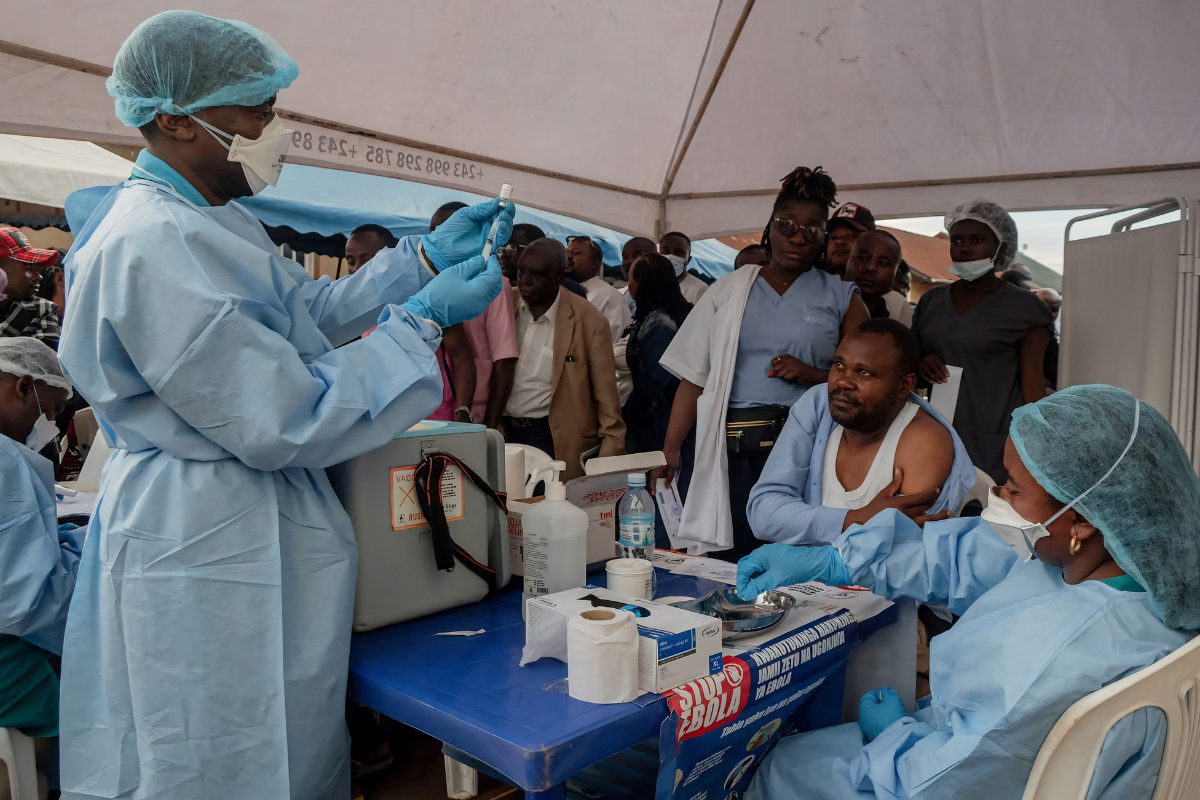
Scientists are working to develop vaccines and treatments specifically targeting the Bundibugyo strain. Oxford University announced Friday that the first group of volunteers received an experimental vaccine designed for the strain.
Several additional vaccine candidates are being fast-tracked into clinical trials, while researchers are also developing two experimental treatments.
Health experts caution that those efforts remain in the research phase and are not yet available for widespread use.
Health worker strikes slow containment efforts
Congolese authorities said stronger surveillance and expanded laboratory testing have contributed to the increase in reported Ebola cases in DR Congo by identifying cases that previously may have gone undetected.
Officials also warned the outbreak could continue for several more months. Strikes by health care workers seeking unpaid wages have disrupted operations at some hospitals, complicating patient care and disease surveillance.
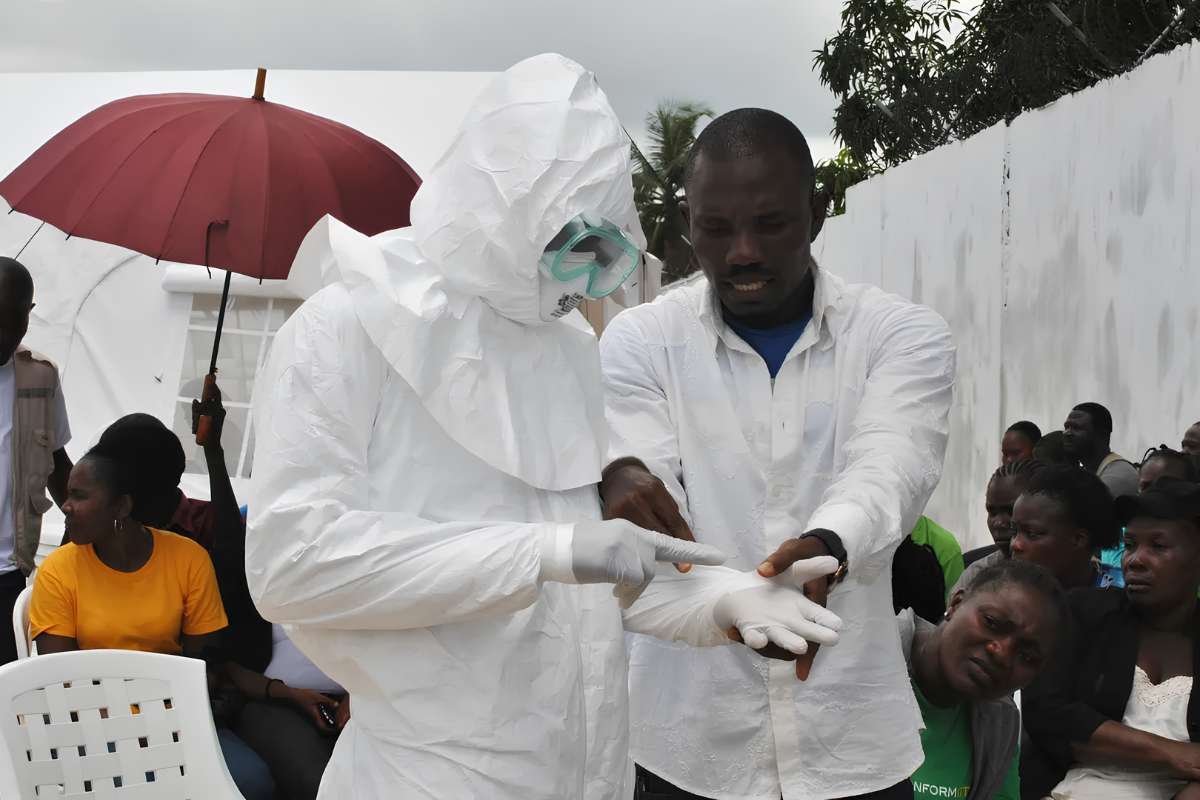
Ebola spreads through direct contact with the bodily fluids of infected people and can cause severe hemorrhagic fever. Over the past 50 years, the disease has killed more than 15,000 people across Africa, making it one of the continent’s deadliest recurring infectious diseases.
Health authorities and international partners continue surveillance, testing and community outreach, according to the World Health Organization’s latest outbreak update, as they work to slow the spread of Ebola cases in DR Congo while researchers accelerate efforts to develop effective vaccines and treatments for the Bundibugyo strain.