Key Takeaway:
- Google’s Debug program plans to release 32 million sterile mosquitoes in Florida and California to reduce disease-carrying Aedes aegypti populations.
- The mosquitoes carry Wolbachia bacteria, causing eggs from wild females to fail to hatch and shrinking future generations.
- Scientists support the strategy as a safe public health measure because the target species is invasive and spreads diseases such as dengue, Zika, and yellow fever.
Google’s Debug research program plans to release 16 million sterile male mosquitoes in Florida and another 16 million in California, pending federal approval, to reduce populations of the invasive Aedes aegypti mosquito that spreads diseases including dengue, Zika, and yellow fever.
The project uses sterile mosquitoes infected with Wolbachia bacteria, which causes reproductive incompatibility. When wild female mosquitoes mate with the sterile males, their eggs do not hatch, reducing future mosquito populations.
Researchers say the approach could help control a species responsible for transmitting diseases that threaten nearly 40% of the world’s population. The proposed releases would mark one of the greatest mosquito-control efforts of its kind in the United States.
Google targets invasive mosquito linked to global disease spread
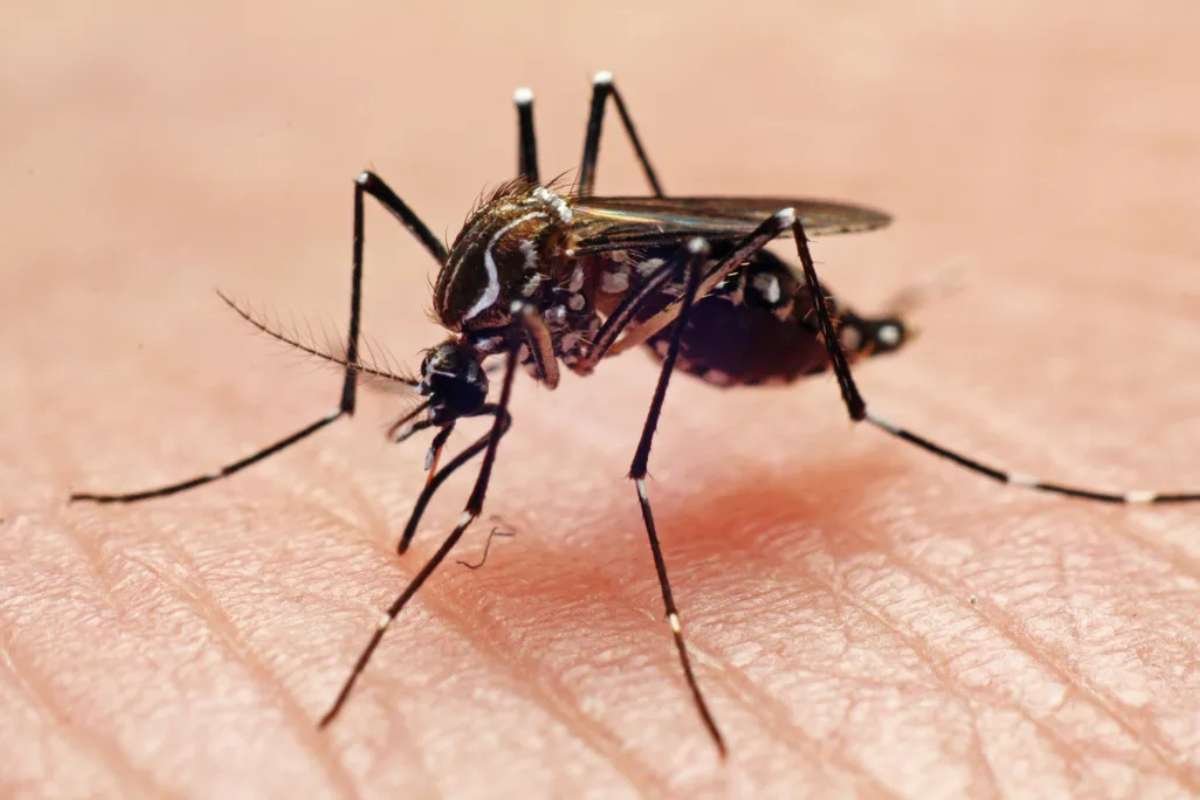
The program focuses on Aedes aegypti, a mosquito species native to Africa that has spread throughout tropical, subtropical, and temperate regions worldwide. The species is known to transmit dengue, yellow fever, chikungunya, and Zika virus.
Florida has become a key target because of its long-established Aedes aegypti populations and growing insecticide resistance, scientists said.
“In Florida, we have some of the longest established populations of Aedes aegypti,” said Matthew DeGennaro, director of the Biomolecular Sciences Institute at Florida International University. “There is also some insecticide resistance.”
Researchers argue that traditional chemical controls alone are becoming less effective as mosquito populations adapt to commonly used insecticides.
Scientists use sterile males to reduce mosquito populations
The success of the strategy depends on mosquito mating behavior. Female mosquitoes typically mate only once during their lives, making sterile mosquitoes a potentially effective population-control tool.
“Mosquitoes, like a lot of insects, only mate once in their lives,” said Robert Hancock, a mosquito behavior scientist at Metropolitan State University of Denver and president of the West Central Mosquito & Vector Control Association. “That’s the key for this whole thing to work.”
A single female mosquito can lay more than 100 eggs. If she mates with a sterile male, none of those eggs will hatch, preventing the next generation from developing.
Because only female mosquitoes bite humans, scientists say releasing additional males should not increase biting rates. Debug researchers are also developing automated sorting systems using sensors and algorithms to separate male mosquitoes from females before release.
The project still requires approval from the U.S. Environmental Protection Agency before any mosquitoes can be released.
Experts back intervention as a public health measure
Some observers have questioned whether humans should deliberately alter insect populations. However, entomologists involved in mosquito control efforts say the public health benefits of using Sterile Mosquitoes outweigh environmental concerns.
Nathan Burkett-Cadena, an associate professor at the University of Florida’s Medical Entomology Laboratory, said Aedes aegypti is not native to Florida and is unlikely to play a critical role in local ecosystems.
“If Google began to target native mosquito species, then I would be concerned with cascading environmental consequences,” Burkett-Cadena said.
Similar strategies are already being used internationally. The World Mosquito Program, based at Monash University in Australia, releases Wolbachia-infected mosquitoes in 15 countries and reports that areas with high Wolbachia levels have not experienced dengue outbreaks.
DeGennaro said humans have contributed to the global spread of Aedes aegypti and therefore share responsibility for controlling it.
“We have an obligation to control them,” he said.