Key Takeaway:
- Colorado hantavirus death involved the Sin Nombre strain linked to rodent exposure, not the cruise ship outbreak.
- CDC confirms no Andes hantavirus cases connected to the cruise ship have been detected in the U.S.
- U.S. passengers from the affected cruise remain under monitoring, with no broader public health threat identified.
A Colorado adult died from a hantavirus infection unrelated to a cruise ship outbreak, health officials said Monday, confirming the case involved rodent exposure and a common U.S. strain rather than the human-transmissible virus reported abroad.
Colorado case linked to rodent exposure, not cruise ship
State health officials said Monday that a Douglas County resident who died from hantavirus contracted the Sin Nombre strain, a virus regularly detected in the western United States during spring months.
The Colorado Department of Public Health and Environment said the case is not connected to infections reported aboard the MV Hondius cruise liner. Officials did not release the individual’s name or the date of death.
Investigators are working to determine the exact circumstances of exposure. Early evidence indicates the person likely came into contact with an infected rodent, the most common method of transmission.
“Hantavirus infections in Colorado are rare but typically associated with rodent exposure,” state health officials said in a statement. “There is no indication this case is linked to international travel or cruise-related illness.”
CDC confirms no Andes hantavirus cases in the United States
Federal health authorities emphasized that the strain responsible for the Colorado hantavirus death differs from the Andes hantavirus linked to the cruise ship outbreak.
The Centers for Disease Control and Prevention said Friday that no Andes hantavirus cases have been identified in the United States related to the cruise liner incident.
Unlike the Sin Nombre strain, which spreads through contact with rodent droppings, urine, or saliva, Andes hantavirus has raised concern because it can potentially spread between people.
Public health experts said distinguishing between the two strains is critical to assessing risk. “At this time, there is no evidence of person-to-person transmission in the United States,” CDC officials said.
Health authorities continue monitoring domestic cases but stressed that typical prevention measures, avoiding rodent exposure and safely cleaning contaminated areas, remain the primary protection.
Cruise ship outbreak prompts monitoring of U.S. passengers
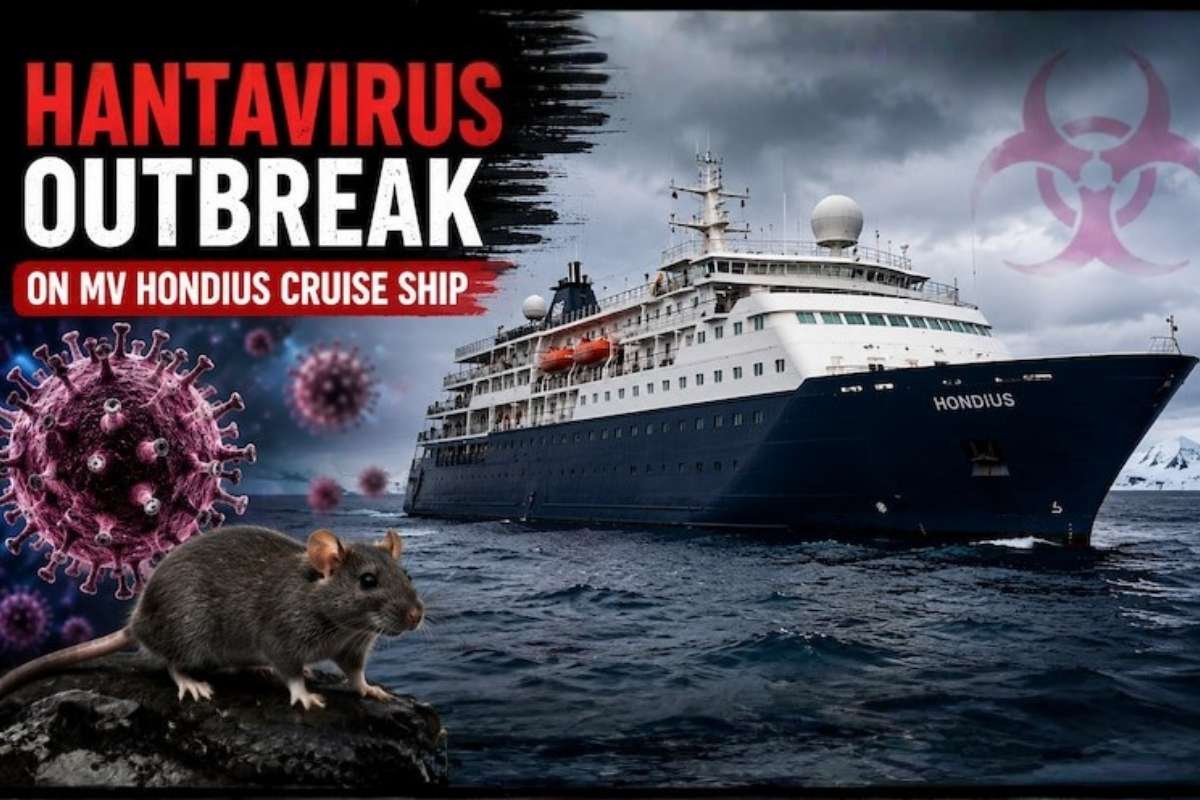
International attention has focused on the outbreak aboard the MV Hondius, where three passengers died after contracting the Andes strain, according to global health officials.
The World Health Organization reported eight confirmed cases and two probable infections linked to the vessel.
Last Sunday, the CDC repatriated 18 American passengers who remained on the ship, including one traveler who tested positive for a mild infection. The passengers were transported to the Nebraska Quarantine Unit at the University of Nebraska Medical Center for medical evaluation and 42 days of monitoring.
Officials said the passengers were not required to isolate but remain under observation as a precaution. Seven additional passengers who returned to the United States earlier are being monitored at home by state and local health agencies.
Health officials reiterated that hantavirus infections remain uncommon nationwide. They urged residents to minimize exposure to rodents, particularly while cleaning storage areas, cabins, or outdoor structures where rodents may nest.
Authorities said there is no broader public health threat connected to the Colorado Hantavirus Death or the cruise ship outbreak.