Key Takeaway:
- Maricopa County measles cases reached 13 in 2026, with new infections indicating possible local community transmission.
- Health officials urge residents to check MMR vaccination status and monitor exposure locations.
- Measles spreads easily through air exposure; early symptoms require isolation and calling a healthcare provider first.
Three newly confirmed measles infections raise Maricopa County’s 2026 total to 13 cases, health officials said Wednesday, warning of possible local transmission after patients reported no travel history or known exposure source.
Health Officials Warn Of Community Spread Risk
The Maricopa County Department of Public Health confirmed the additional cases Wednesday, saying investigators believe infections were contracted locally rather than linked to international travel or a single imported case.
Officials said all recent infections appear connected, strengthening concerns that measles is circulating within the community. Earlier exposure sites were identified in the towns of Queen Creek and Mesa, where residents may have encountered the virus.
“This pattern suggests local transmission,” county health officials said in a statement. “We are working to identify contacts quickly and prevent additional spread.”
Health authorities emphasized that measles remains highly contagious, capable of spreading through respiratory droplets when an infected person coughs or sneezes. The virus can linger in the air for up to two hours after an infected individual leaves an area.
Anyone who visited identified exposure locations during specified dates and times may have been at risk, officials said.
Vaccination Status Key To Protection
Health officials urged residents to immediately verify their immunization status, as Maricopa County measles cases continued to rise. Individuals who have not received the measles, mumps and rubella vaccine, commonly known as MMR, or who have never had measles may lack protection.
“Vaccination remains the most effective defense against measles,” public health officials said. “We encourage anyone unsure of their records to speak with a health care provider as soon as possible.”
Residents can review immunization histories through the Arizona Department of Health Services or contact the county’s CARES Team for assistance in locating records.
Public health teams are continuing contact tracing efforts while monitoring potential new exposure sites across Maricopa County, Arizona’s most populous county.
Officials added that high vaccination coverage helps protect vulnerable groups, including infants too young to receive vaccines and individuals with compromised immune systems.
Officials Outline Symptoms And Prevention Steps
Measles symptoms typically develop seven to 12 days after exposure but may appear as late as 21 days, according to health authorities.
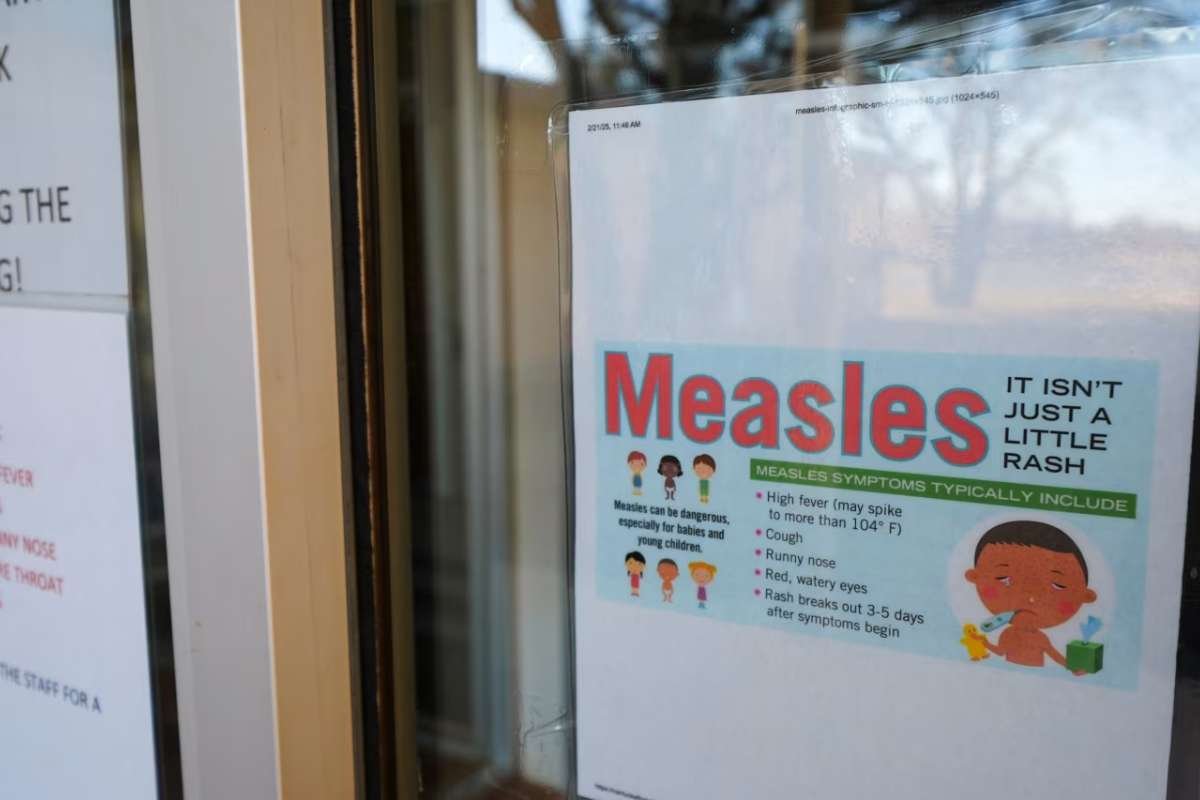
Early signs include fever exceeding 101 degrees Fahrenheit, cough, runny nose, and red, watery eyes. A red, blotchy rash usually follows, beginning along the hairline before spreading downward across the body.
Health officials advised anyone experiencing symptoms to remain at home and contact a medical provider before visiting a clinic or hospital.
“Calling ahead helps prevent exposing others in waiting rooms and medical facilities,” officials said.
Public health experts stressed that rapid isolation of suspected cases remains essential to limiting outbreaks. Measles spreads more easily than many respiratory illnesses, making early detection critical.
Officials continue encouraging residents to stay informed about exposure alerts and vaccination recommendations, and updates tied to Maricopa County measles cases as investigations proceed.