Key Takeaway:
- A single psilocybin experience may alter brain pathways linked to emotional regulation.
- Stronger psychedelic experiences showed greater brain changes and reported psychological benefits.
- Findings are preliminary; larger studies are needed to confirm therapeutic effects.
A new psilocybin study published Tuesday finds a single psilocybin experience may alter brain pathways linked to emotional regulation, offering clues to reported mental health benefits and advancing growing scientific interest in psychedelic therapy.
Study Links Psychedelic Experience To Brain Changes
Scientists report new evidence suggesting psychedelic experiences may physically reshape parts of the brain associated with emotion and impulse control.
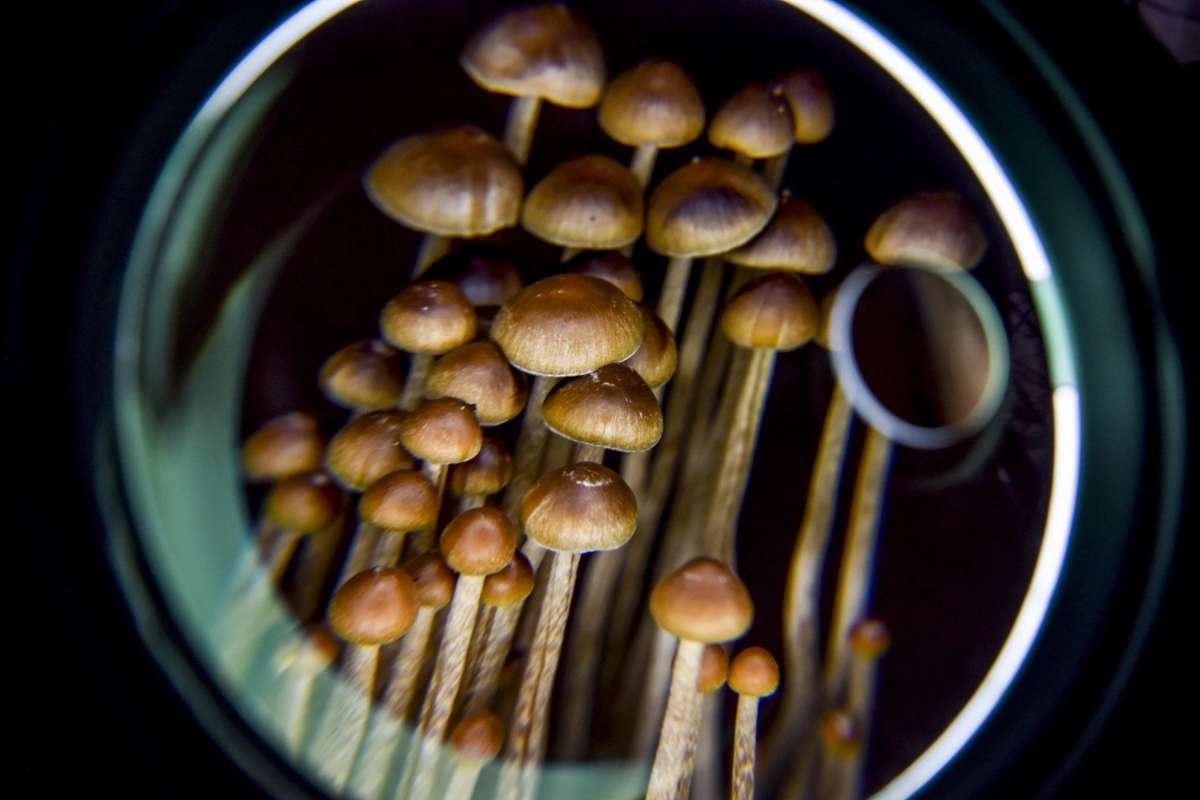
The research, published Tuesday in Nature Communications, examined psilocybin, the psychoactive compound found in so-called magic mushrooms. Researchers say the findings may help explain why some participants report lasting psychological improvements after psychedelic therapy.
The Psilocybin Study followed twenty-eight adults in London who had never used psychedelics and had no diagnosed psychiatric disorders. Participants first received a one milligram dose of psilocybin, too small to trigger hallucinations. While researchers recorded brain activity using electroencephalograms and MRI scans.
One month later, participants received a twenty-five milligram therapeutic dose. Scientists monitored brain activity at one hour, two hours, and one month after administration.
Senior study author Robin Carhart-Harris, a neurology professor at the University of California, San Francisco School of Medicine, said stronger psychedelic experiences appeared linked to better outcomes.
“The bigger the scores on psychological insight, the bigger the improvements in therapeutic response,” Carhart-Harris said.
Imaging Shows Possible Structural Shifts In Brain Connections
Brain imaging in the Psilocybin Study revealed changes in how water moved along neural fibers connecting the prefrontal cortex, responsible for emotional regulation and impulse control, with deeper brain regions.
Researchers used diffusion tensor imaging, an MRI method that tracks water movement in neural pathways. Reduced water flow along certain tracts suggested possible structural changes after the psychedelic experience.
Albert Garcia-Romeu, associate director of the Center for Psychedelic and Consciousness Research at Johns Hopkins School of Medicine, cautioned that the findings remain preliminary.
“What they really found is the way water moves along neural fibers appears to change,” Garcia-Romeu said. He added that some observed patterns resemble changes seen after traumatic brain injury, underscoring the need for further research.
All but one participant reported significant alterations in consciousness after the higher dose. Those reporting deeper experiences and greater personal insight showed larger brain changes one month later.
Carhart-Harris said researchers do not yet fully understand the meaning of the changes but noted some patterns differ from those seen in neurodegenerative diseases such as Alzheimer’s.
Growing Interest In Psychedelic Therapy Drives Research
Interest in psychedelic medicine is expanding as scientists investigate treatments for depression, anxiety, and addiction. About seventy percent of participants in the Psilocybin Study reported improved well-being two to four weeks after the therapeutic dose, although the study was not designed primarily to measure clinical outcomes.
Dr. Joshua Siegel, an assistant professor of psychiatry at NYU Langone Health, said altered states of consciousness may play a key role.
“There is probably an important relationship between being in a very altered state of consciousness and people reporting being able to change their thought patterns,” Siegel said.
Researchers increasingly focus on brain plasticity, the brain’s ability to reorganize neural connections. Earlier animal studies suggest psychedelics may increase synapses involved in mood regulation, but scientists say human evidence remains limited.
Last month, President Donald Trump signed an executive order aimed at accelerating research on psilocybin and ibogaine. Following the order, the Food and Drug Administration granted fast-track reviews to companies studying psilocybin-assisted treatments for depression.
Experts emphasize that the latest findings are exploratory and based on a small sample. Larger trials will be needed to confirm whether the observed brain changes directly produce therapeutic benefits.
“It’s continuing our trajectory of understanding why these drugs appear to potentially have long-lasting effects in people,” Garcia-Romeu said.